What the Lawrence and McCowan Station Tells Us About Scarborough’s Growth Trajectory
Piling and excavation have started at Lawrence Avenue East and McCowan Road, and for anyone who studies how cities actually grow, that is a more significant milestone than it might first appear. This is not simply a construction update. It is a signal that Scarborough’s transit backbone is moving from paper to pavement, and that matters enormously for how land, housing, and jobs will organize themselves in this part of Toronto over the next generation.
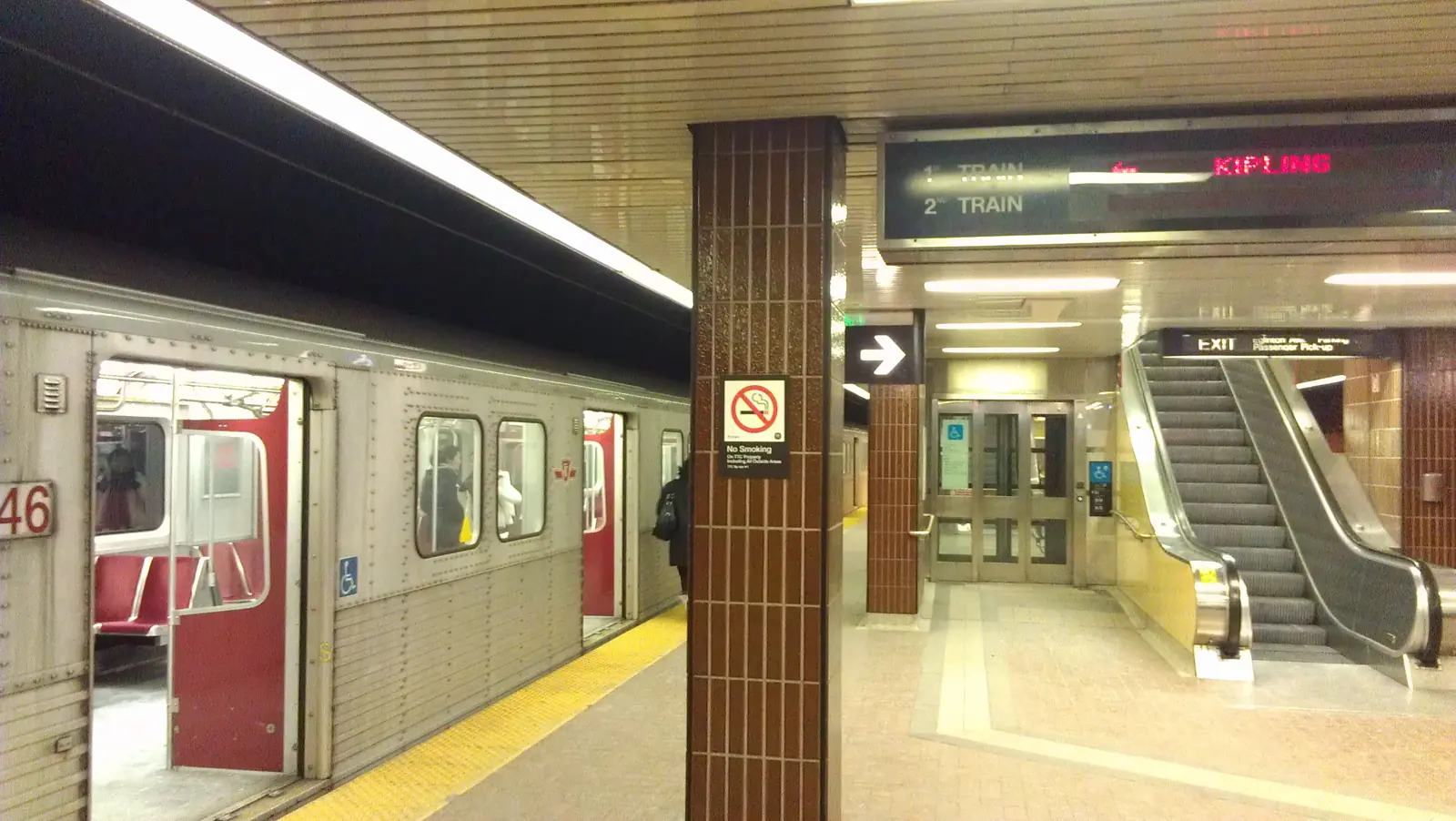
The Scarborough Subway Extension will carry TTC Line 2 for 7.8 kilometres from Kennedy Station to Sheppard Avenue and McCowan Road, adding three new stations along the way. Lawrence and McCowan is now the second of those three to reach major construction, following work that began at Scarborough Centre station last September. When a rapid transit line reaches this stage, it stops being a planning abstraction and starts becoming a development catalyst. Land near confirmed stations behaves differently than land near proposed ones. Financing gets easier, feasibility studies firm up, and developers begin positioning sites years ahead of an opening date.
The numbers behind this particular station explain why. Metrolinx projects 5,290 customers during the busiest travel hour by 2041, along with 4,480 daily bus transfers and 3,470 jobs concentrated in the surrounding area. Those are not small figures for a single station. They describe a node that will pull residential density, retail, and employment toward it, particularly once the connection to Scarborough General Hospital is factored in. A hospital campus serving 850,000 people across the eastern GTA anchored to a subway stop is exactly the kind of mixed-use gravity that reshapes surrounding land value over time.
Strong projects are built from understanding timing, access, infrastructure, policy, and demand together, not any one of them alone.
Zoom out to the full extension and the case for Scarborough as a growth corridor gets stronger still. Once complete, the line is expected to accommodate 105,000 daily trips and bring 38,000 more residents and 34,000 jobs within a ten-minute walk of rapid transit. That is the kind of infrastructure investment that underwrites decades of intensification, and it will support roughly 3,000 construction jobs annually while it is being built. For anyone tracking land value along a growth corridor, the sequence matters. Site clearing and utility relocation came first, station construction is now visible, and the market response, land assembly, rezoning applications, mixed-use proposals, tends to follow close behind.
No opening date has been confirmed for this station or the broader extension, and that uncertainty is worth holding onto. Long-term infrastructure timelines shift, and disciplined development strategy accounts for that rather than assuming the fastest possible outcome. But the fundamentals here are sound. A confirmed second station under active construction, tied to a major hospital and thousands of future jobs, is the kind of anchor that reshapes a community’s identity over the long run, not just its commute times.
Source: Railway Supply