Toronto’s $4.3 Billion Tunnel Deal Shows What Serious Transit Investment Looks Like
Every so often a single contract signals more than the project it funds. The newly signed 2.7 billion EUR agreement, roughly 4.32 billion CAD, between Metrolinx, Infrastructure Ontario, and the Webuild-FCC joint venture is one of those moments. It is not just about tunnels. It is about how a city commits, over a decade, to reshaping the way people move through it, and what that commitment means for everyone building around it.
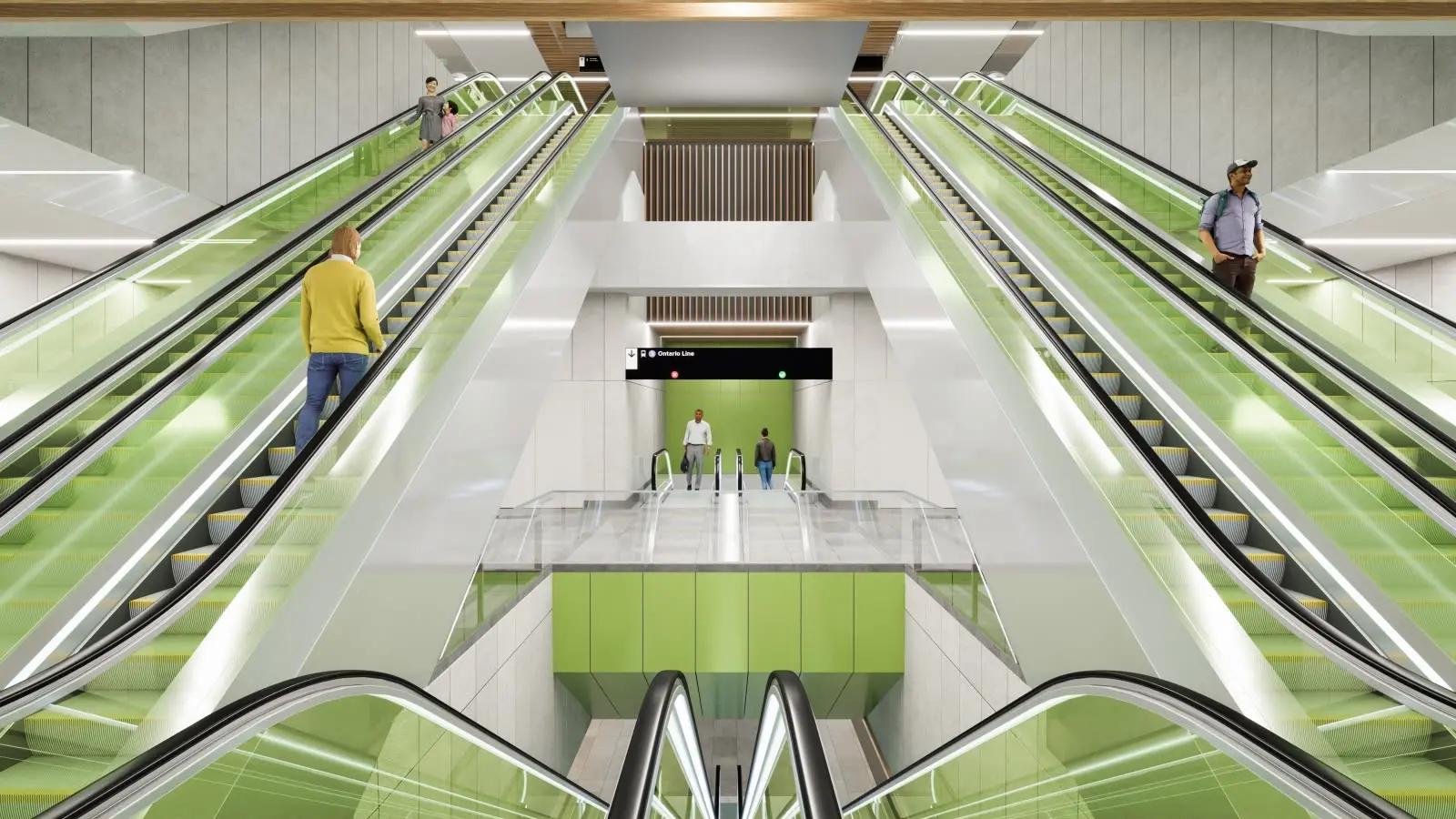
The contract covers the Pape Tunnel and Underground Stations package, one of the most complex pieces of Toronto’s Ontario Line. Twin tunnels, each roughly three kilometres long, two underground stations, and a direct connection into the TTC’s Line 2 subway. This is dense, technical work happening underneath one of the busiest parts of the city, threading around existing infrastructure, utilities, and active roads without stopping the life happening above it.
What stands out to me is the procurement model behind it. This is being delivered as a Progressive Design-Build, which brings the client, designers, and contractors to the same table from the earliest stages. That is a meaningful shift from the old sequence of design first, then bid, then build, then argue about cost overruns. When the people responsible for feasibility and the people responsible for execution are aligned from day one, a project like this has a real chance of holding its budget and its timeline. For a market watching housing and transit costs balloon everywhere, that discipline matters.
This package is part of a much bigger picture. The full Ontario Line runs 15.6 kilometres, with 15 stations and more than 40 connections into Toronto’s existing transit network. Once complete, it is expected to cut end-to-end journey times across the city to under 30 minutes. That is not a minor upgrade. That is the kind of infrastructure that changes which neighbourhoods become viable for density, which parcels of land suddenly justify higher intensity development, and where the next decade of housing supply gets built.
Transit lines do not just move people. They move value, and they move opportunity to wherever the stations land.
For anyone tracking land development in Toronto, a project of this scale is a signal to look closely at the corridors surrounding these future stations now, not after the tunnels are finished. Infrastructure of this magnitude tends to move ahead of the market’s recognition of it. The developers and planners who understand access, timing, and long term city growth are the ones positioned to act before land values catch up to what a 30-minute city actually enables.
The transition from design phase to execution phase on the PTUS package, after the joint venture’s development work was awarded back in 2024, also tells us something about pacing. Big transit builds move in stages, and each stage is a checkpoint for confidence. This contract is a strong one. It suggests the Ontario Line is moving from vision into physical reality, and that matters for anyone planning around Toronto’s next chapter of growth.
Source: Railway News