Why Secondary Rental Markets Are Outpacing Toronto and Vancouver Right Now
Every housing cycle produces a moment where the smart capital moves before the headlines catch up. Canada is in one of those moments now. As national housing starts are projected to slow over the next few years, the real signal for investors is not the slowdown itself. It is where rental demand is quietly shifting while everyone else is watching the wrong cities.
The Canada Mortgage and Housing Corporation expects construction to pull back as builders work through unsold inventory and elevated costs. That is the kind of headline that spooks casual observers. But Jason Castellan, co-founder and CEO of Skyline Group of Companies, one of the country’s largest private real estate firms, is reading the market differently. His view is that federal immigration cuts have created a short term dip in demand, not a structural correction. When immigration policy normalizes, he expects pressure on housing to resume, and development timelines of three to four years for large apartment projects mean supply cannot respond quickly even if demand snaps back.
That lag between demand recovery and supply delivery is exactly the kind of window disciplined investors should be watching.
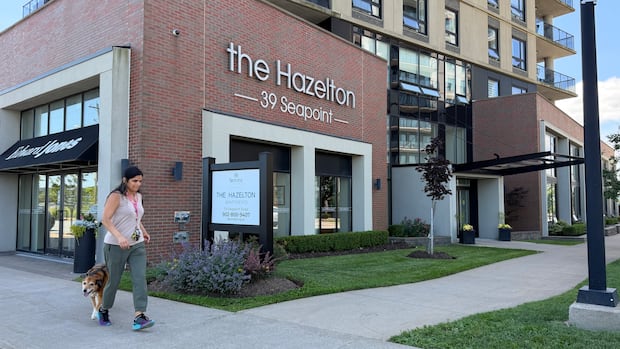
The more interesting data point sits below the national headlines. According to Skyline’s own annual report, rents in primary markets like Toronto and Vancouver softened through 2025, while smaller and more affordable cities posted comparatively stronger growth. Halifax based consultant Neil Lovitt frames this as a predictable pattern: affordability pressure in major metros eventually pushes renters and, in turn, capital into secondary markets. Skyline’s positioning bears this out. The firm holds 701 rental units in Nova Scotia and 678 in New Brunswick, and Castellan describes the Maritimes as one of the company’s strongest markets right now.
We’ve been feeling more pressure on our housing there, which is a good thing for our business and I think for housing in general to maintain and hold up the values.
That is a candid admission from an operator, and it is worth sitting with. Rising pressure in secondary markets supports rent growth and asset values for owners already positioned there, even as it raises legitimate affordability questions for renters. For investors, the takeaway is straightforward. Markets like Halifax and communities across New Brunswick and rural Ontario are following the same trajectory major metros walked years ago, just earlier in the cycle and at a lower entry cost.
Lovitt also flags a gap worth tracking separately: non-market and deeply affordable housing remain the most underbuilt segment in the country, a structural shortfall that predates this cycle and will likely outlast it.
The broader lesson for anyone allocating capital toward Canadian rental housing is timing discipline. Construction pipelines take years to respond, immigration policy is cyclical rather than permanent, and secondary markets are already showing the early signs of the same demand curve that reshaped Toronto and Vancouver over the last decade. The investors who position ahead of that curve, rather than after it becomes consensus, are the ones who capture the value.
Source: CBC News