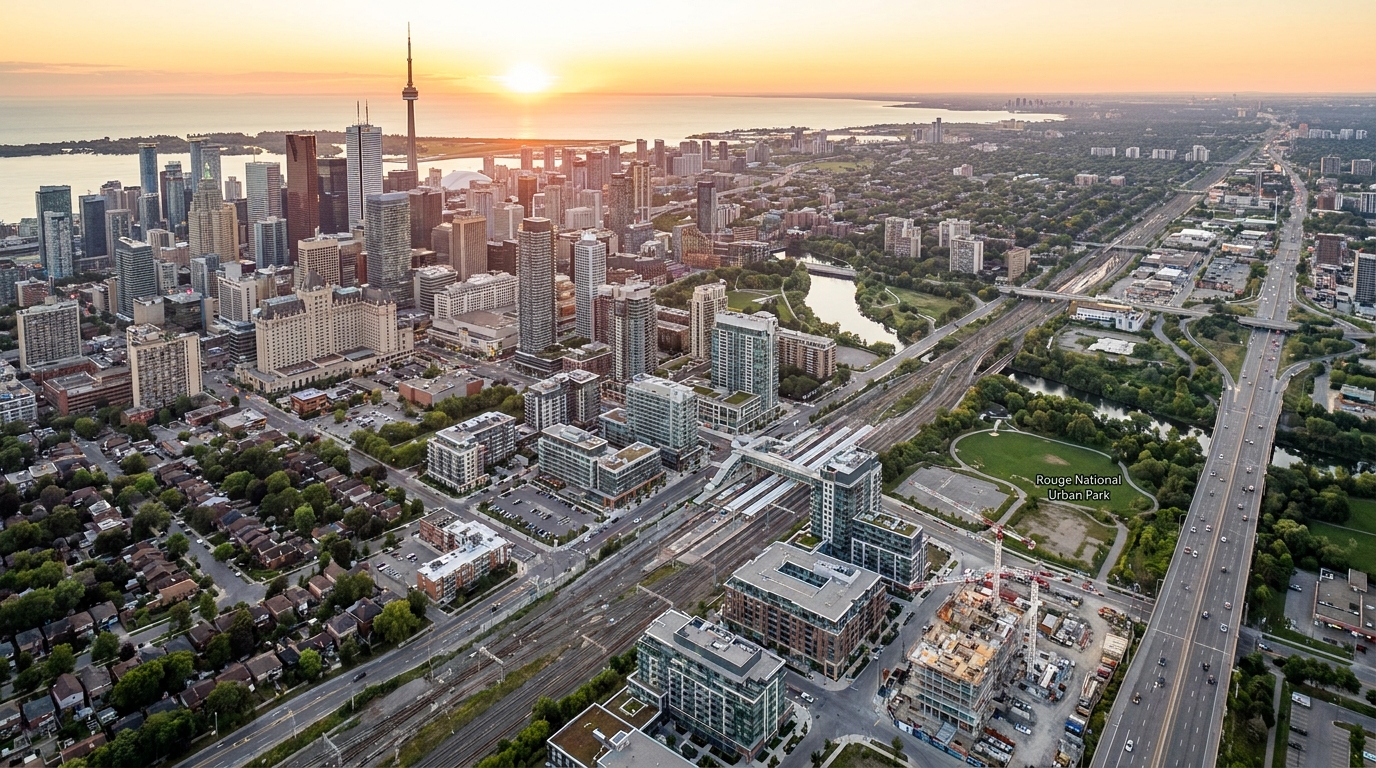
Toronto Bets Big on Water Infrastructure to Secure Its Growth Story
Cities do not grow on housing starts alone. They grow on the invisible systems that make density possible in the first place, and Toronto just made one of its largest commitments yet to exactly that kind of system. The city has selected Stantec to design and oversee construction of a new High Rate Treatment Facility at the Ashbridges Bay Wastewater Treatment Plant, and while this reads on the surface as an engineering story, it is really a development story about what it takes to keep a growing city livable.
The facility will be built on a new landform at Ashbridges Bay and is designed to treat up to 600 million litres of water per day during wet weather events, providing primary treatment for the excess flows that currently overwhelm combined sewer systems. It is the centerpiece of what the city is calling its largest wet weather flow management program to date, targeting water quality improvements in the Lower Don River, Taylor-Massey Creek, and the Inner Harbour.
For anyone tracking Toronto’s long term development trajectory, this is the kind of project that rarely makes headlines but shapes everything that comes after it. Every new residential tower, every intensification corridor, every waterfront revitalization plan depends on the city’s capacity to move and treat water without flooding basements or fouling rivers when storms hit harder and more often. Combined sewer overflow has been a persistent constraint on how aggressively Toronto can densify certain neighbourhoods. A facility engineered at this scale directly expands that ceiling.
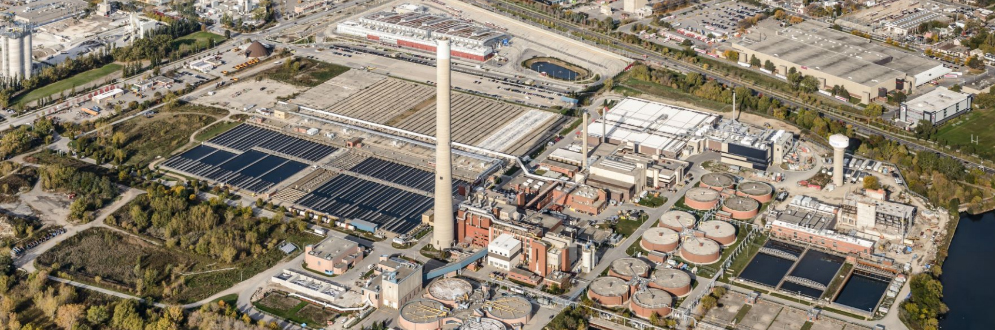
What stands out from a strategy standpoint is the delivery model. The team is bringing the construction manager in early, giving them a seat at the table for design, constructability, scheduling, and cost management before ground is even broken. That is a maturing approach to megaproject risk, one that recognizes infrastructure of this size cannot afford the change orders and schedule slippage that plague projects designed in isolation from the people who have to build them. With completion targeted for 2036, this is a decade-long commitment, and getting the delivery structure right at the outset matters more than almost any single design decision.
Toronto is making an important investment in protecting its waterways and preparing its infrastructure for the future.
That line from Stantec’s Jeff Berg, vice-president and project manager on the file, captures the dual purpose at play here. This is climate resilience infrastructure and growth infrastructure at once, and increasingly those two categories cannot be separated. Cities that fail to modernize their wastewater systems ahead of intensification eventually hit hard limits on where and how much they can build. Cities that get ahead of it, as Toronto is attempting to do here, buy themselves runway for the next generation of housing and waterfront development along the Inner Harbour and Don River corridors.
For developers and planners watching the eastern waterfront, a project of this scale is worth tracking over its full decade-plus timeline. Infrastructure commitments like this one tend to precede, and enable, the next wave of land use decisions in the areas they serve. A facility built to handle 600 million litres a day is not a modest upgrade. It is a signal about how much growth the city expects to accommodate, and where it intends to make room for it.
Source: Canadian Consulting Engineer