


Toronto’s Tightening Inventory Signals a Fall Window Worth Watching
Every seasoned investor knows that the most important shifts in a market rarely announce themselves loudly. They show up quietly, in inventory numbers, in the pace of bidding activity, in the subtle language of the people transacting on the ground. Toronto is showing exactly that kind of quiet shift heading into the fall, and it deserves a closer look from anyone thinking seriously about capital allocation in the Greater Toronto Area.
According to the Toronto Regional Real Estate Board, the market is poised for a seasonal pickup after a subdued summer. That alone is not remarkable. Spring and fall have long been the busiest windows for Toronto real estate. What is worth an investor’s attention is the combination of forces converging this particular fall: falling new listings, a market that has moved from buyer-favoured territory toward balance, and renewed competition in well-positioned properties.
New listings in July came in at 14,484, down 17.8 per cent year over year, a trend that has held consistently through 2026. That is a supply story, and supply stories matter more to long term value than almost anything else. Jason Mercer, chief information officer at TRREB, frames it plainly: if inventory stays constrained while demand returns, competition intensifies, and that competition can put a floor under prices that have been softening. For an investor, a firming price floor combined with returning demand is precisely the kind of early signal worth tracking before it becomes obvious to the broader market.
On the ground, Ravi Singh of RE/MAX Hallmark Realty is already seeing more bidding wars than at this point last year, a sign some buyers believe the market has found its bottom. Jordan Nanowski of CMHC points to a related and telling demand pattern: millennials moving into affordable low-rise housing in the 905, particularly around Mississauga. That is a demographic wave with staying power, and it is worth noting for anyone evaluating rental demand or resale positioning outside the downtown core.
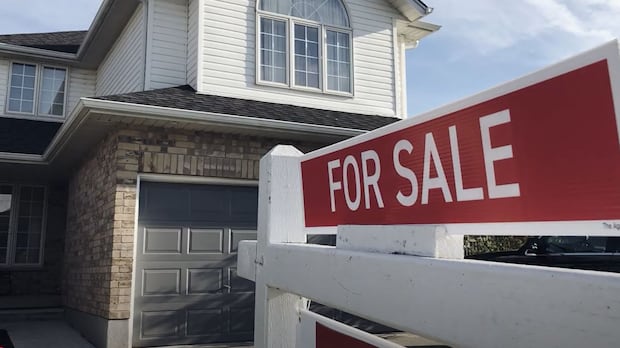
Still, discipline matters here. This is not a return to the frenzy of the pandemic years, when nearly any listing found a buyer regardless of condition or price. Pricing precision is back in control. Singh notes that a listing priced even slightly too high can sit while buyers wait on the sidelines. That is a market rewarding well-prepared, well-positioned assets and punishing overreach, which is exactly the discipline value oriented investors should welcome.
There’s a lot of caution. There’s a lot of concern about overpaying.
That caution, voiced by Singh, reflects a real headwind. Ongoing trade tensions between Canada and the United States remain a drag on consumer confidence, and confidence, more than any single data point, drives resale activity. Nanowski is direct about the exposure here. This is the risk side of the ledger, and it argues for measured entry rather than aggressive chasing of momentum.
The clearest exception, and a caution for a specific asset class, is condos. A persistent oversupply continues to weigh on that segment, meaning pricing and velocity there could remain flat even as the broader low-rise and freehold market strengthens. Investors weighing condo exposure against low-rise alternatives in areas like the 905 should treat that divergence as a meaningful signal, not a footnote.
The takeaway for KG Invest readers is one of measured opportunity. Tightening supply, a market transitioning to balance, and renewed millennial demand outside the core all point toward a fall worth positioning for, provided entries are selective, pricing discipline is respected, and condo exposure is weighed with extra scrutiny given its distinct supply dynamics.