

Toronto’s Condo Collapse Is a Warning Sign for Canada’s Growth Strategy
When a city that has built roughly 7,000 condo units a year on average over the past decade manages only 156 in an entire half-year, that is not a slowdown. That is a stall. CMHC’s new Fall 2026 Housing Supply Report puts a hard number on something those of us who track land economics have felt building for a while: Toronto’s development pipeline is drying up at exactly the moment the country needs it flowing fastest.
Zoom out and the national picture is sobering in its own right. CMHC estimates Canada is on pace to fall 187,000 to 238,000 homes short annually of what is needed to restore 2019-level affordability by 2036. That gap has barely moved since last year’s estimate, but the regional story underneath it has shifted, and that is where the real strategic signal lives. Toronto and Calgary saw their gaps narrow. Vancouver held steady. Ottawa and Montreal widened. A national target only means something when you understand which markets are pulling their weight and which are not.
Toronto’s numbers demand a closer look because they are, frankly, alarming for a city this size. CMHC says the city needs to increase its pace of housing starts by at least 50 percent over the next decade, adding 21,000 to 26,000 homes a year beyond current output, just to get affordability back to where it was in 2019. Instead, population-adjusted starts in the first half of 2026 were the lowest recorded since 1996, outside of last year’s numbers. The backlog of permitted units waiting to break ground, which developers have long treated as a buffer, has fallen 50 percent from its 2023 peak. Ground-oriented freehold starts sit at record lows after more than two decades of steady decline. This is not a temporary financing hiccup. It reads like a structural repricing of what condo development can deliver in this cycle.
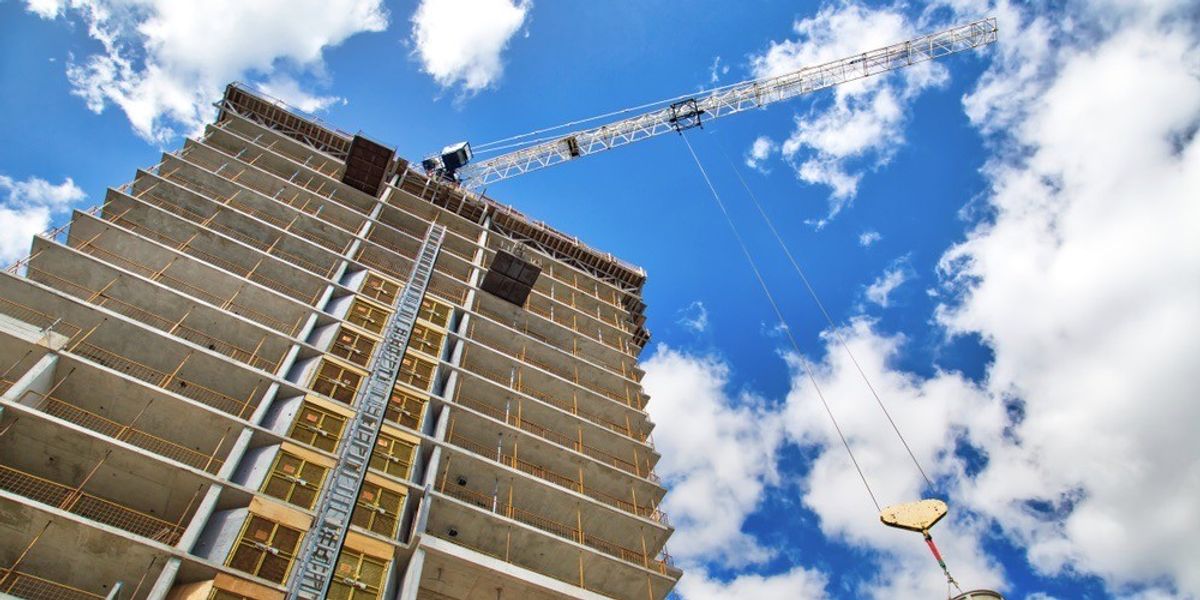
What is filling the gap tells its own story about where capital and demand are actually moving. Rental apartment starts in Toronto rose 82 percent in the first half of 2026 versus 2025, outpacing condo starts for the first time since 1994. Nationally, purpose-built rental now accounts for two-thirds of apartment starts in major markets. Vancouver shows the same tilt, with rental making up about 60 percent of starts this year, up from under 20 percent a decade ago, even as condo starts there fell a further 40 percent to their weakest first half since 2011.
Development strategy is being rewritten in real time. The product mix, financing structures, and land use assumptions that worked through the last cycle no longer hold in this one.
For developers and planners, the lesson is not to wait for condo demand to return on its own. It is to recognize that rental has become the more reliable path to breaking ground right now, and that land strategy, feasibility models, and municipal approvals processes all need to catch up to that reality if Canada has any hope of closing its supply gap by 2036.
Source: Storeys, “Toronto Starts 156 New Condo Units In 1st Half Of 2026: CMHC”