When Pixels Lie: NSW’s New Rules Signal a Data Integrity Reckoning for Property Listings
Every dataset is only as trustworthy as its inputs, and for years the rental market has quietly tolerated a corrupted one: photographs. New South Wales has decided that images are data too, and data that misleads deserves the same scrutiny as a falsified spreadsheet. Under new legislation from the state’s better regulation and fair trading minister, Anoulack Chanthivong, landlords and agents will soon be legally required to disclose when rental listing photos have been digitally altered or AI-generated to mask damage, imperfections, or distorted proportions.
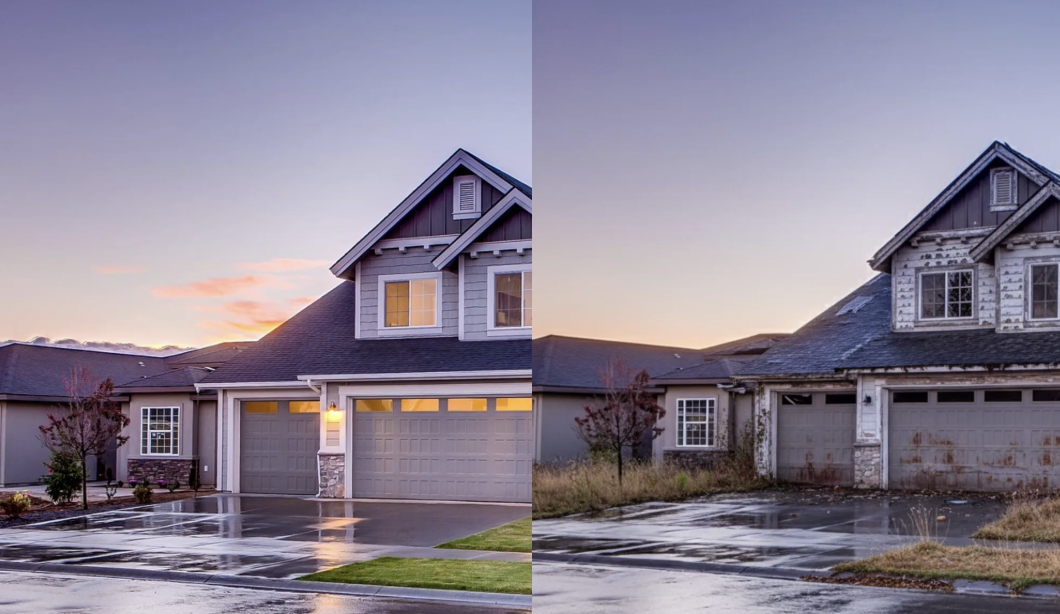
For NSW’s 2.3 million renters, this addresses a practice that has earned its own nickname: housefishing, where a digitally polished image bears little resemblance to the property a tenant eventually walks into. The financial penalty for non-disclosure runs up to 22,000 dollars per breach, which is a meaningful signal that regulators now treat manipulated visual data with the same seriousness as manipulated financial disclosures.
What makes this genuinely interesting from a property intelligence standpoint is not the enforcement mechanism itself, but what it implies about the maturing role of AI across the housing pipeline. Generative tools have made it trivial to smooth a wall, brighten a room, or straighten a crooked doorframe in seconds. That same capability, applied without disclosure, quietly degrades the reliability of the listing data that renters, agents, and even market analysts depend on. A photo is not just marketing. It is an input that shapes decisions, comparisons, and expectations. When that input is synthetic and unlabeled, the whole downstream picture warps with it.
The reforms extend beyond imagery into another layer of the intelligence stack: application data. Starting in early 2027, NSW plans to mandate a standardised rental application form, one that stops agents from requesting personal photos, social media accounts, details about children, or tattoos, alongside clearer rules on how that information is stored. This is a data governance story as much as a consumer protection one. Reducing the surface area of collected personal information lowers exposure to identity theft and data breaches, while a standardised form format makes applicant data more consistent and comparable, something that has long been messy and inconsistent across agencies.
A photo is not just marketing. It is an input that shapes decisions, and when that input is synthetic and unlabeled, the whole downstream picture warps with it.
For those of us who study the intelligence layer behind housing decisions, this is a preview of a broader pattern. As generative AI becomes embedded in how properties are marketed, jurisdictions will increasingly demand provenance and transparency around synthetic content, treating disclosure less as a courtesy and more as a data standard. Renters deserve listings they can trust as much as investors deserve market figures they can trust. NSW’s move suggests regulators are starting to draw that line clearly, and other markets watching AI reshape their own listing platforms would do well to take notice before housefishing becomes an industry-wide credibility problem rather than a local one.
Source: Mediaweek, “NSW cracks down on ‘AI-doctored’ real estate listings”