
Toronto’s Vertical Leap: What Nine Continental Top-100 Towers Signal for the City’s Growth Trajectory
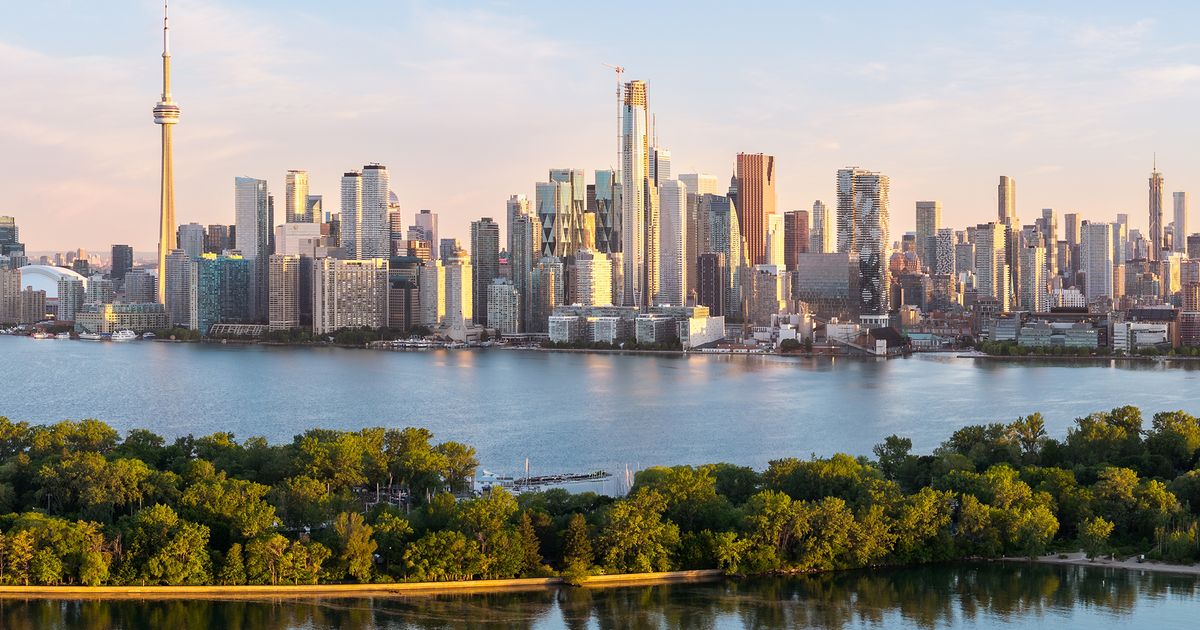
Skylines do not rise by accident. They are the physical record of decades of land strategy, zoning decisions, capital commitments, and a city betting on its own future. Toronto’s latest milestone, nine buildings now ranked among the 100 tallest in North America, is exactly that kind of record, and it tells a bigger story than height alone.
For years, Toronto sat on the edge of the continental tall building conversation, a market watched more than it was ranked. That has shifted. The city has produced the country’s two tallest buildings in a short span, and it now holds a real, measurable presence alongside New York and Chicago, the two markets that still dominate the top of the list with towers like One World Trade Center and the Sears Tower. Toronto is not matching those heights yet, but it has moved from a footnote to a contender, and that distinction matters for anyone thinking about where development capital is heading next.
What this growth really reflects is land value pressure working its way upward, literally. When a city’s most desirable districts run out of horizontal room, density becomes the only path to accommodating demand, and tall buildings become the clearest expression of that constraint. Nine entries in a continental top 100, plus a deep bench just outside it, including Commerce Court West, CIBC Square I, Harbour Plaza Residences East, and TD Terrace, shows this is not a single trophy project. It is a sustained pattern of developers committing to vertical density across multiple sites and multiple years.
Height is never the real story in development. It is the signal of what the land beneath it has become worth, and what a city is willing to build to capture that value.
There is also an infrastructure and policy dimension that cannot be separated from this trend. Supertall and tall towers do not get approved in isolation. They require transit capacity, utility upgrades, and a planning framework willing to accommodate that scale in specific corridors. Toronto’s climb up this list is as much a story about the city’s intensification policy and downtown core strategy as it is about any single developer’s ambition. The CN Tower’s continued reign as North America’s tallest freestanding structure is a reminder that this is not new territory for the city, but the sheer number of new entrants shows the current cycle is broader and more commercially driven than past landmark projects.
For anyone tracking large scale housing and commercial vision in this market, the lesson is straightforward. Toronto’s tall building boom is not a ceiling, it is a baseline. As long as demand keeps concentrating in the core and land remains scarce where it matters most, expect this list to keep climbing, and expect Toronto’s name to appear on it more often.
Source: blogTO