
AI’s Hidden Real Estate Play: Why Warehouses Near Data Centres Are the Next Opportunity
Every major technology cycle leaves a property footprint, and the current AI buildout is no exception. While most investors are watching chipmakers and cloud providers, the smarter money is starting to look sideways, at the industrial real estate quietly absorbing the spillover from this spending wave. A new report from JLL confirms what sharp-eyed investors have suspected for a while: AI data centre construction is reshaping warehouse demand, and the numbers back it up.
According to JLL’s third quarter industrial real estate market report, markets like Dallas/Fort Worth and Washington, DC are seeing outsized demand as suppliers and infrastructure providers cluster around hyperscale campuses built by the likes of Alphabet, Microsoft, Meta and Amazon. These companies are pouring billions into AI infrastructure, and that spending does not stay contained to server racks and cooling systems. It ripples outward into logistics, construction supply chains, and the warehouse space needed to support it all.
The result is measurable. Average asking rents for industrial space rose to US$10.55 per square foot, up 3.2 percent year over year, the fastest pace of annual growth since the second quarter of 2024. That growth is tied to triple-net leases, where tenants cover property taxes, insurance, and common area upkeep separately from base rent, a structure that tends to reward landlords when demand tightens and vacancy shrinks.
For investors, this is the part of the AI story worth paying closer attention to. Data centre construction is not a self-contained event. It pulls in telecommunications firms, utilities contractors, construction suppliers, and logistics operators, all of whom need staging space, storage, and distribution capacity nearby. JLL specifically flagged increased demand from construction, telecommunications, and utilities-related tenants as a driver of the tenant mix shift in these freight hubs.
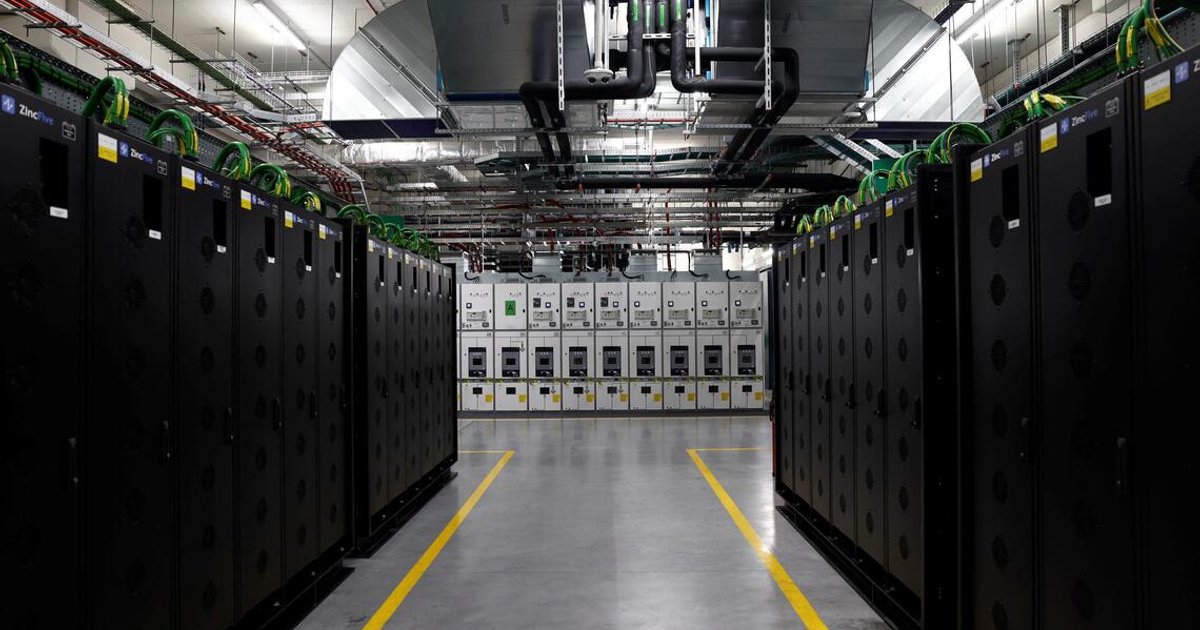
Data centre expansion is driving outsized industrial demand in major freight hubs, where suppliers and infrastructure providers are clustering near hyperscale campuses.
What makes this trend compelling from an investment standpoint is its durability. Hyperscale campuses are long-horizon commitments, not short-term builds, which means the secondary demand for nearby industrial and logistics space is unlikely to evaporate quickly. Investors who understand this connection have an opportunity to position ahead of broader market recognition, whether through direct industrial property exposure, REITs with concentrated holdings in these corridors, or simply by tracking which secondary markets are quietly absorbing hyperscale spillover before rents fully reflect it.
The lesson here is consistent with how the strongest opportunities tend to present themselves. They rarely announce themselves through the headline asset. They show up in the adjacent markets that serve it. Dallas/Fort Worth and the DC metro are the obvious proof points today, but the underlying pattern, technology infrastructure spending translating into industrial rent growth, is worth watching in any region where hyperscale investment is accelerating.
As AI infrastructure spending continues at its current pace, the warehouses and logistics hubs supporting it may prove to be one of the more overlooked, and investable, consequences of this cycle.
Source: The Straits Times