

A Rate Hike Could Reset the Housing Market. Here Is What It Means for Buyers and Investors
Markets are repricing risk faster than most homeowners realize. Traders in the overnight swap market now put the odds of a Bank of Canada rate hike next week at 87 per cent, up sharply from 70 per cent earlier this week. For anyone holding, buying, or financing real estate in this country, that is not a background detail. It is the single most important number in the market right now.
The Bank of Canada has held its policy rate at 2.25 per cent since a quarter point cut in October 2025, and an eighth consecutive hold was the consensus call for months. That consensus is breaking down. The Bank of Montreal, RBC Dominion Securities, and Desjardins Group have all flipped their calls this week from hold to hike, and Scotiabank’s Derek Holt has said there is probably enough evidence to support one. Macquarie’s David Doyle goes further, projecting a full 125 basis points of tightening by the end of 2027. That is not a one-off adjustment. That is the start of a cycle.
For investors, the mechanics matter more than the headlines. A hike raises variable-rate mortgage payments immediately and pushes new fixed rates higher too. That shrinks the pool of qualified buyers, which shifts negotiating leverage from sellers to the smaller number of purchasers who can still clear financing hurdles. Home sales nationwide are already sitting at a 25-year low, according to Ben Rabidoux of Edge Realty Analytics, who puts per capita activity back at levels last seen in the recessionary 1990s. Layer a rate hike onto that, and a further gradual decline in prices over the next three to six months becomes a reasonable base case, not a worst-case scenario.
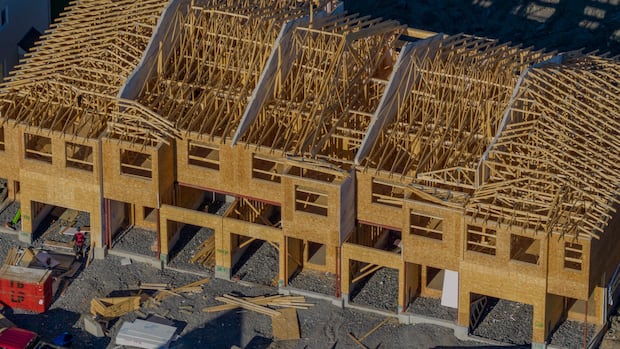
I read this less as a warning and more as a repricing event, and repricing events are where disciplined capital finds its entry point. The Canadian Real Estate Association has already downgraded its 2026 sales forecast for a third straight quarter, now calling for 444,530 homes sold by year end, down 5.2 per cent from 2025, citing a more hawkish Bank of Canada. Soft sales volume combined with rising financing costs typically compresses prices before it compresses demand. That gap is where value gets created for buyers who are not forced to transact on someone else’s timeline.
If you qualify for the property today, you will qualify again later on if rates rise.
That line from mortgage broker Leah Zlatkin, pointing to recent price softening in the Greater Toronto Area, gets at something investors should sit with. Qualification today under tighter conditions is a stronger signal of long-term affordability than qualification during a cutting cycle. The energy price pressure behind this potential hike, driven by an unresolved conflict in the Middle East according to Governor Tiff Macklem, is an external shock rather than a domestic demand problem. That distinction matters for how long elevated rates are likely to persist and how quickly conditions could normalize once the shock fades.
None of this changes the fundamentals that drive long-term real estate value: location strength, rental demand, and supply constraints in major markets have not disappeared because of a single policy decision. What changes is the cost of capital and the timing of entry. For readers tracking opportunity rather than headlines, the next several months of a potential hiking cycle deserve close attention, not avoidance. Weak buyer confidence and falling per capita sales are exactly the conditions under which patient, well-financed investors have historically outperformed.
Source: CBC News, “Canadian housing market ‘on its knees’ as odds of Bank of Canada rate hike rise”