



Clean indoor air rarely gets the same attention as lighting, flooring, or insulation, yet it shapes how a home feels every single day. We breathe indoors while we sleep, work, cook, relax, and recover, and agencies such as the EPA note that people spend about 90 percent of their time indoors. That reality makes indoor air quality less of a luxury topic and more of a basic part of healthy home design. The encouraging news is that improving the air inside your home does not have to begin with a major renovation or a costly whole-house upgrade.
Table Of Content
- Why Indoor Air Quality Matters More Than Many of Us Realize
- What Air Purification Systems Actually Do
- The Three Layers of Better Indoor Air
- 1. Source control comes first
- 2. Ventilation helps, but timing matters
- 3. Filtration adds a strong layer of support
- Understanding the Main Types of Air Purification Systems
- Portable air cleaners
- HVAC filtration
- HEPA fan and filtration systems
- DIY air cleaners
- HEPA, CADR, and Other Terms That Matter
- How to Choose the Right Air Purifier for Your Home
- What to look for when comparing units
- Common Misconceptions About Air Purification Systems
- Air Purification During Wildfire Smoke Events
- Practical Low-Cost Ways to Improve Indoor Air Without a Full Overhaul
- The Role of Indoor Air Monitors
- Maintenance Matters More Than Most People Expect
- When Air Purification Is Especially Worth Considering
- A Balanced Way to Think About Cleaner Air at Home
An air purification system is a device — portable, built into a home’s HVAC system, or assembled as a DIY setup — that pulls room air through a filter or filtration medium, traps airborne particles such as dust, pollen, smoke, pet dander, and other fine matter, and returns cleaner air to the space. Performance depends on two things: filtration efficiency, often measured by HEPA standards, and airflow, measured by clean air delivery rate, or CADR. Air purifiers are generally not designed to remove gases, odors, or radon, so they work best as one part of a layered strategy that also includes source control, such as using exhaust fans and maintaining combustion appliances, and ventilation, such as opening windows when outdoor air is cleaner. Used this way, and sized correctly for the room, an air purifier can meaningfully reduce exposure to dust, pollen, smoke, and other fine particles in everyday indoor spaces.
This is especially relevant today as more households in Canada and the United States face wildfire smoke, traffic pollution, tighter building envelopes, and the everyday byproducts of indoor life such as cooking fumes, candles, and combustion appliances. Portable air purifiers, upgraded HVAC filters, and even DIY air cleaners are becoming more common because they offer a practical response to real conditions. The key is understanding what each system can do, what it cannot do, and how to choose one that fits your space rather than your feed.
In this guide, we will demystify the core technologies behind air purification systems and explain how they support healthier living spaces. We will also look at how to read performance claims, how to think about room size and wildfire smoke, and how to make cost-conscious decisions that still deliver visible benefits. The goal is not perfection. It is a calmer, smarter path to cleaner air with choices that feel achievable in everyday life.
Why Indoor Air Quality Matters More Than Many of Us Realize
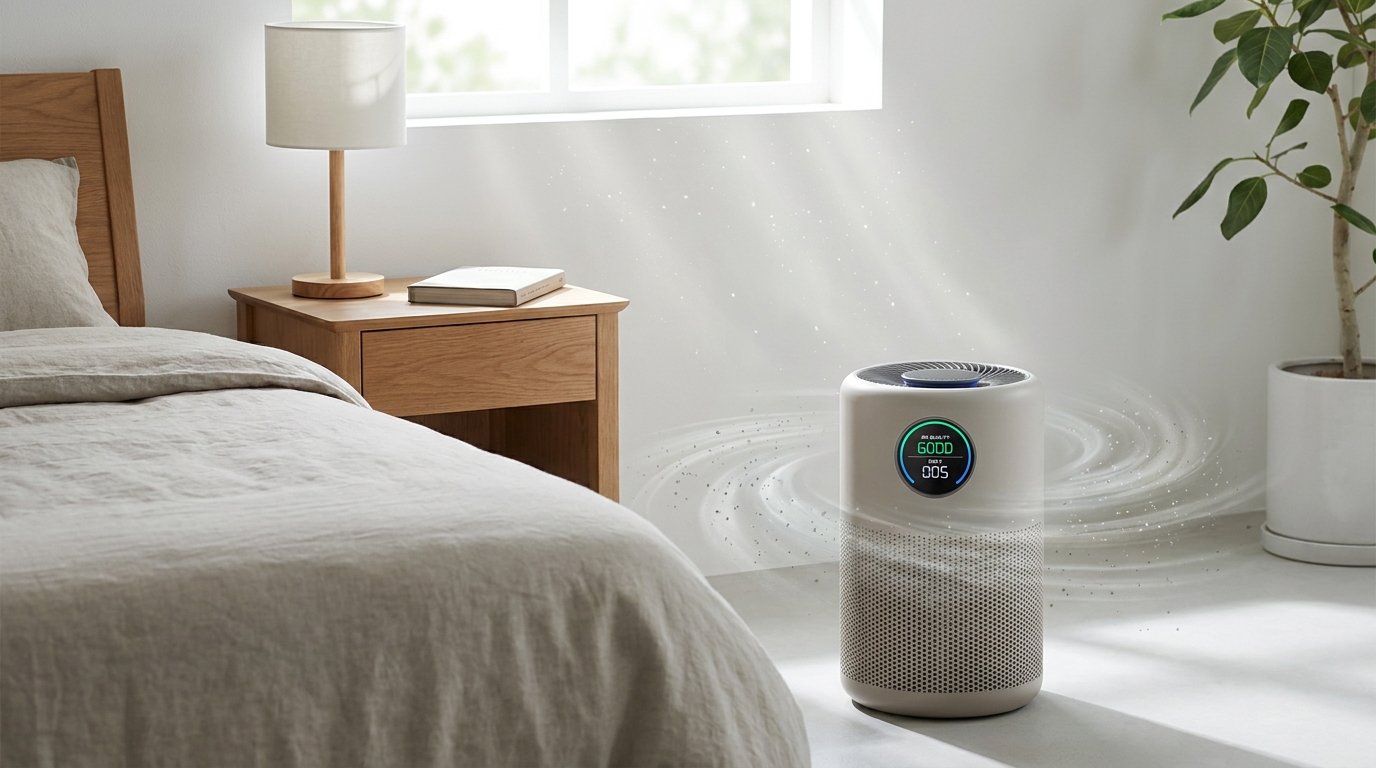
Indoor air quality affects comfort in subtle ways and health in more significant ones. If a room feels stuffy, leaves surfaces dusty, or seems to aggravate allergies, there is often a real air quality issue behind that experience. Fine particulate matter, especially PM2.5, is small enough to travel deep into the lungs, and exposure has been linked to respiratory and cardiovascular harm. That is one reason both U.S. and Canadian public health guidance has paid increasing attention to home filtration.
What surprises many people is how many pollutants begin inside the home itself. Health Canada notes that air contaminants can come in through windows, doors, vents, and air intakes, but they can also be produced indoors by cooking, candles, fireplaces, woodstoves, and some appliances. Even ordinary daily activities can increase the concentration of airborne particles, especially in smaller homes or in spaces with limited ventilation. If your home is newer or better sealed for energy efficiency, that can be positive for heating and cooling costs while also making it more important to manage indoor air intentionally.
Outdoor pollution is another major factor, particularly in urban areas and during wildfire season. Smoke is dominated by fine particles, which means it can infiltrate homes even when windows are shut. During these events, indoor air quality can worsen quickly, and opening windows for fresh air may actually make conditions worse. This is why public guidance increasingly emphasizes checking outdoor conditions before ventilating and using filtration when outdoor air is polluted.
A healthier indoor environment usually comes from layers, not a single device: reduce pollution at the source, ventilate when outdoor air is cleaner, and use effective filtration where people spend the most time.
For many households, this framing is reassuring. It means you do not need to solve everything at once. A better exhaust fan habit, a timely HVAC filter replacement, and one properly sized portable purifier in a bedroom or living room can add up to a meaningful improvement.
What Air Purification Systems Actually Do
Air purification is often used as a broad term, but it helps to narrow it down. Most home air cleaning systems are designed to reduce airborne particles such as dust, pollen, smoke, pet dander, and other fine matter. These systems work by pulling air through a filter or filtration medium, trapping particles, and returning cleaner air to the room. This can improve the air you breathe, especially in spaces where pollutants build up over time.
What these systems generally do not do is remove every type of contaminant. EPA guidance makes clear that many air cleaners are not designed to address gases effectively, and they are not recommended as a solution for radon. This is an important distinction because consumers are often led to believe that one purifier can handle odors, volatile organic compounds, smoke, allergens, viruses, and structural issues all at once. In practice, each problem has its own best response.
That does not make air purification less valuable. It simply places it in the right context. If your primary concern is particle pollution, whether from allergens, cooking, or wildfire smoke, a good filtration system can be highly useful. If your concern is mold caused by moisture, gas leaks, or radon entering from the ground, you will need source-specific solutions such as humidity control, ventilation changes, or professional mitigation.
The most practical way to think about air purification is as a supplement with real benefits, not as a cure-all. When used properly, it can lower exposure to the pollutants that are most common in everyday homes. When paired with maintenance and common-sense habits, it becomes part of a durable, low-drama strategy for better living.
The Three Layers of Better Indoor Air
1. Source control comes first
EPA guidance consistently emphasizes that the most effective indoor air strategy starts with source control. In simple terms, this means reducing or removing the pollution before it spreads through the home. That could involve using lids while cooking, turning on the range hood, avoiding unnecessary candle burning, maintaining combustion appliances, storing chemicals properly, or replacing a smoky wood-burning habit with cleaner alternatives.
Source control is often the most affordable intervention because it relies more on behavior and maintenance than equipment. If a bathroom produces persistent moisture, running the exhaust fan and addressing leaks can prevent both musty air and mold problems. If a gas stove or oven creates noticeable byproducts, using kitchen ventilation becomes a direct and immediate step. The cleaner the starting point, the less pressure there is on filtration to catch up.
2. Ventilation helps, but timing matters
Ventilation dilutes indoor pollutants by bringing in outdoor air and exhausting stale indoor air. In many homes, this can be helpful after cooking, cleaning, or showering, and it can improve freshness and reduce pollutant buildup. However, both Health Canada and the EPA note that ventilation is not always beneficial when outdoor air quality is poor. On smoky days or in areas with high traffic pollution, opening windows may introduce more particles than it removes.
This is where a more responsive mindset helps. Instead of treating ventilation as an automatic good, it is better to think of it as a tool that should be used when conditions are favorable. Low-cost indoor air monitors and local outdoor air quality apps are making this easier. Even without a monitor, paying attention to wildfire smoke alerts or local air quality reports can help you decide whether to open the windows or keep the home closed and filtered.
3. Filtration adds a strong layer of support
Once source control and ventilation are in view, filtration becomes easier to use well. Air cleaners are especially valuable in rooms where people spend long periods of time, such as bedrooms, nurseries, home offices, and living rooms. They are also useful during short-term events, such as heavy cooking, renovation dust, or smoke episodes, when particle levels rise quickly.
The layered model matters because it leads to more realistic expectations. A portable purifier can be excellent at cleaning the air in a room, but it will be less effective if smoke keeps entering through open windows or if a poorly vented kitchen continuously produces particles. Thinking in layers makes cleaner air more achievable and often more affordable.
Understanding the Main Types of Air Purification Systems
Portable air cleaners
Portable air cleaners are the most accessible option for many households. These are freestanding units designed for single rooms or open living areas, and they typically use mechanical filtration to capture particles as air moves through the device. They are popular because they require no construction, can be moved where needed, and offer immediate help in spaces that need the most attention.
For bedrooms and living rooms, a properly sized portable unit can be a strong solution, particularly for allergies, dust, and smoke. Health Canada recommends looking for units that are AHAM-certified, which helps provide a more standardized basis for comparing room-size claims and performance. This certification is not the only thing that matters, but it is a useful sign that the unit has been tested according to recognized methods.
HVAC filtration
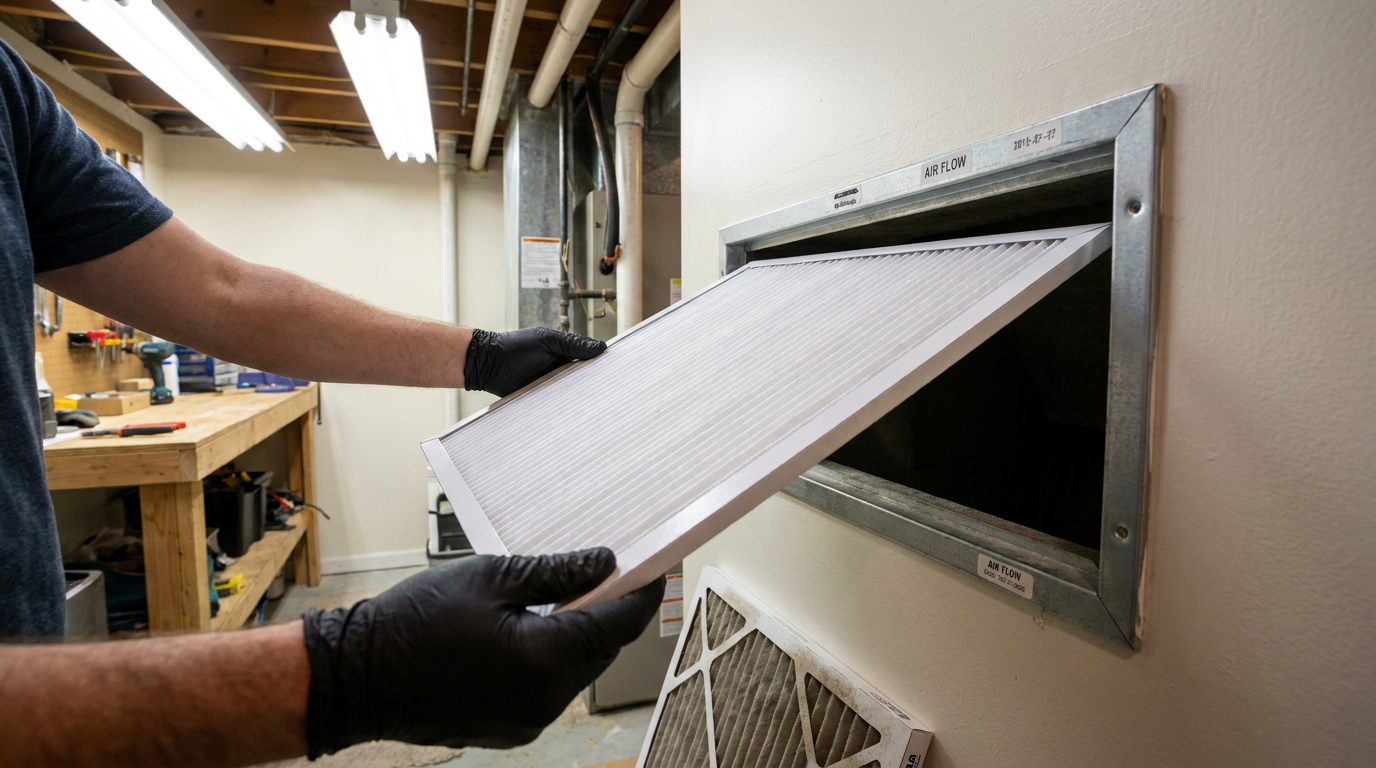
In homes with forced-air heating and cooling, the HVAC system can be one of the most scalable ways to improve air quality across multiple rooms. Upgrading the HVAC filter, when compatible with the system, can reduce particles throughout the house as air circulates. This approach can be especially practical for households that do not want multiple portable devices running in every room.
That said, HVAC filtration is only as effective as the system design, filter fit, maintenance schedule, and fan operation. A better filter can help, but it is not a substitute for routine service or proper airflow. In some homes, the best strategy is a combination of a well-maintained HVAC filter for broad coverage and a portable purifier for high-priority rooms.
HEPA fan and filtration systems
HEPA fan and filtration systems have gained wider recognition in recent years, both in homes and in shared indoor environments. The CDC continues to recommend portable or built-in HEPA fan and filtration systems as an added layer of protection in indoor spaces. In a home setting, this generally means using a purifier with a true HEPA filter or a similar high-efficiency setup that can continuously capture very small particles.
The main value here is consistency. Rather than relying on occasional ventilation, a HEPA-based system can keep reducing particle concentrations as long as it is running and correctly sized. That continuous cleaning effect is especially useful overnight in bedrooms and during smoke events when opening windows is not advisable.
DIY air cleaners
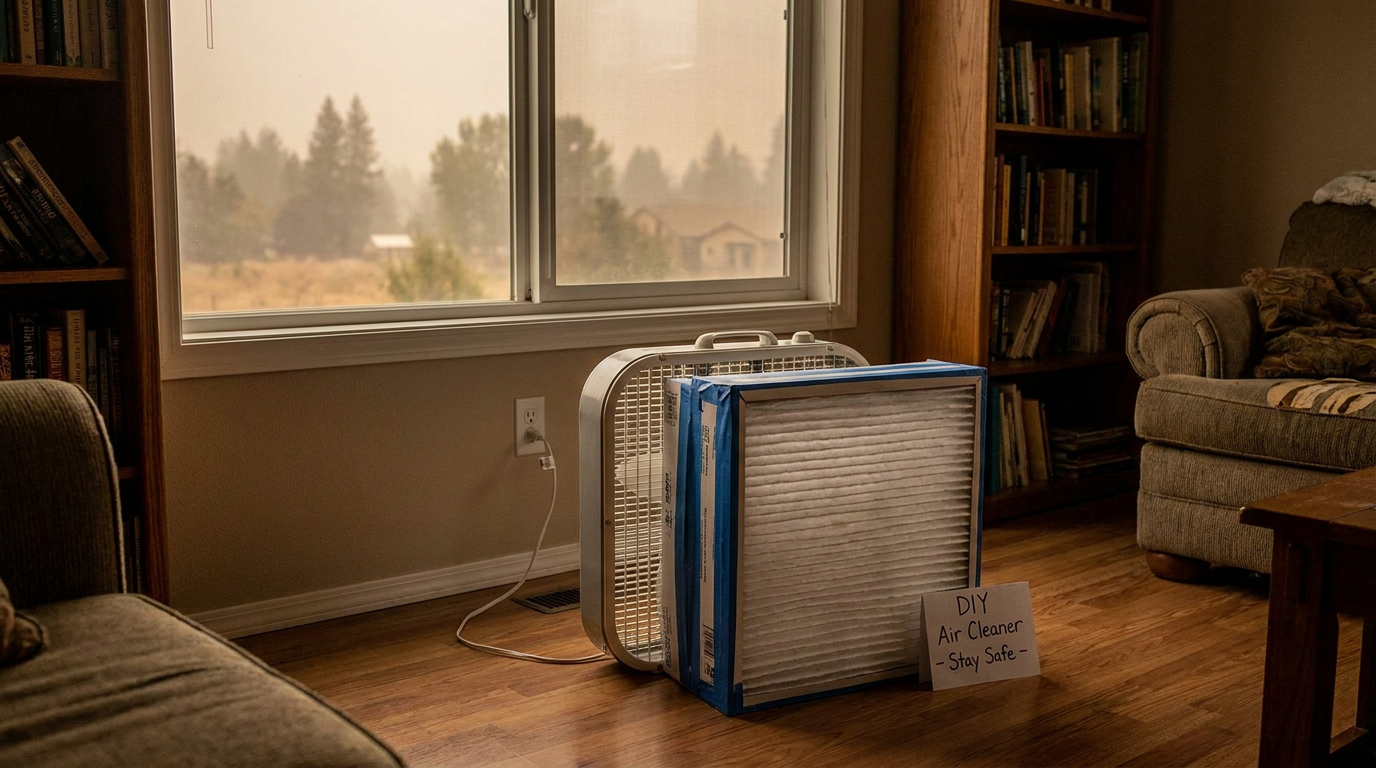
One of the more important recent developments is the mainstreaming of DIY air cleaners for emergency use and budget-conscious households. EPA guidance now includes information on DIY air cleaners as an option for improving indoor air when built and used properly. These setups often pair a box fan with one or more filters to create a low-cost device that can move a substantial amount of air.
DIY units are not necessarily a replacement for certified commercial purifiers, and they require attention to safe construction and operation. Still, they can be extremely helpful during wildfire smoke events or in homes where cost is the main barrier to filtration. Their growing acceptance reflects a broader shift toward practical, room-based solutions that meet people where they are.
HEPA, CADR, and Other Terms That Matter
Air purifier shopping becomes much less confusing once you understand two key terms: HEPA and CADR. They are related, but they are not the same thing. HEPA refers to the filter’s ability to capture particles at a high efficiency standard. CADR, or clean air delivery rate, tells you how much cleaned air the device actually delivers.
This distinction matters because performance depends on both filtration efficiency and airflow. EPA guidance is clear on this point. A purifier can have an excellent filter, but if it moves too little air, it may not clean the room effectively. Likewise, a unit with strong airflow but weak filtration may circulate air without removing enough of the particles you care about.
For real-world use, CADR is often the practical buying metric, especially when matching a purifier to a room. Health Canada advises choosing a portable air cleaner sized to the room you actually want to clean, and for smoke, a high CADR is especially important because wildfire smoke is dominated by fine particulate matter. If a product page spends more time on lifestyle language than on room size, CADR, or AHAM certification, that is a sign to look more closely.
Consumers also encounter terms such as ionizer, sanitizer, plasma, or ozone-free. Some of these labels can sound advanced without telling you much about measurable performance. A calmer approach is to focus first on what the unit can prove: room coverage, airflow, filtration type, noise level, filter replacement needs, and verified testing. Marketing language is not the same as clean air delivery.
How to Choose the Right Air Purifier for Your Home
The best air purifier is rarely the most expensive one. It is the one that fits the room, addresses the type of pollution you are dealing with, and is realistic for you to run consistently. Many disappointing experiences come down to underpowered units placed in spaces that are simply too large. A compact tabletop purifier may look elegant, but if it cannot handle the room, it will not deliver the benefits you expect.
Start by identifying the room that matters most. If allergies disturb sleep, prioritize the bedroom. If family life centers around a living room or open-plan space, begin there. If you are preparing for wildfire smoke, think about creating a designated cleaner-air room where household members can spend time comfortably during the worst periods.
Then compare the purifier’s rated room area and CADR with your actual space. Health Canada’s room-size-based guidance is especially helpful here because it pushes consumers away from vague assumptions and toward measurable fit. For smoke concerns, look closely at the smoke CADR rather than relying only on broad claims such as powerful or medical grade.
What to look for when comparing units
- AHAM certification so the room-size guidance and CADR data are easier to trust.
- Appropriate room coverage based on the actual dimensions of your space rather than a marketing estimate.
- A strong CADR, especially for smoke and fine particles.
- HEPA or high-efficiency particle filtration if your main goal is reducing airborne particles.
- Manageable noise levels so you will actually use it at night or while working.
- Reasonable filter replacement costs because long-term upkeep matters as much as the purchase price.
- Energy use and run-time practicality if you expect to run it daily for long periods.
If you already have a forced-air HVAC system, it is also worth considering whether a filter upgrade there might serve your needs better than buying several smaller purifiers. In some homes, improving the central system and adding one portable unit to a bedroom offers a better balance of cost and coverage. The right answer depends on layout, habits, and whether the problem is whole-home dust or room-specific smoke and allergy exposure.
Common Misconceptions About Air Purification Systems
One of the most persistent misconceptions is that air purifiers can solve every indoor air problem. In reality, they are mainly designed to reduce particles. They can be very effective within that role, but they are not universal solutions for mold growth, radon, structural moisture, or all gases and odors. Treating them as one part of a broader strategy leads to much better outcomes.
Another common misunderstanding is that all purifiers are more or less the same. They are not. Performance varies widely based on airflow, filter quality, room sizing, and design. This is why measurable specifications matter more than a polished exterior or a long list of vague features.
There is also frequent confusion between HEPA and CADR. As noted earlier, HEPA describes the filter standard, while CADR reflects how much clean air gets delivered. If you remember only one technical point from this article, make it that good filtration without enough airflow is not enough. A purifier has to move and clean the air in your real room, not just perform well in theory.
Finally, many people assume that opening windows is always the healthiest move. Fresh air can absolutely help when outdoor conditions are good. But during wildfire smoke, heavy traffic pollution, or high pollen days, open windows can increase exposure. Better air decisions come from reading conditions rather than following a fixed rule.
Air Purification During Wildfire Smoke Events
Wildfire smoke has changed how many North American households think about indoor air. What used to feel like a niche concern is now a recurring seasonal issue in many regions, and the smoke itself is particularly important because it is dominated by PM2.5. These fine particles are small, persistent, and able to enter homes through a variety of leakage points. Once indoors, they can linger, especially in tighter homes without active filtration.
During smoke events, the goal is usually to create at least one room with noticeably cleaner air. A bedroom or living room can serve this purpose if it is closed off as much as possible and supported by a correctly sized purifier or a properly built DIY air cleaner. This approach can make a meaningful difference in comfort and exposure, especially for children, older adults, and people with asthma or cardiovascular concerns.
In these conditions, ventilation needs to be handled carefully. Bringing in outdoor air is useful only when the air outside is actually cleaner than the air inside. If smoke levels are high, keeping windows and doors closed as much as practical, sealing obvious leakage points when feasible, and running filtration continuously are often the better choices. This is a good example of how healthy home strategies depend on context rather than habit.
Wildfire preparedness does not have to be elaborate. Many homes can become more resilient with a replacement filter on hand, a portable purifier in a key room, and a basic understanding of local air quality alerts. Small planning steps made ahead of time often matter more than last-minute shopping during a smoke emergency.
Practical Low-Cost Ways to Improve Indoor Air Without a Full Overhaul
One of the most useful messages in current public guidance is that healthier indoor air is achievable through incremental improvements. You do not need to redesign your entire home to make it more breathable. In fact, many of the most effective steps are simple, familiar, and relatively affordable.
- Use kitchen and bathroom exhaust fans consistently, especially during cooking and showering.
- Open windows only when outdoor air quality is better than indoor conditions.
- Replace HVAC filters on schedule and choose compatible upgraded filters when appropriate.
- Run a properly sized portable purifier in the rooms where people spend the most time.
- Reduce indoor particle sources such as unnecessary candle burning or smoke from combustion devices.
- Seal obvious leakage paths when feasible during smoke events.
- Consider a low-cost indoor air monitor to understand when filtration or ventilation is most useful.
These steps are valuable because they work together. A home with modest source control and one well-used purifier can outperform a home with an expensive device but poor habits. Practical sustainability often looks exactly like this: not doing everything, but doing a few things consistently and well.
The Role of Indoor Air Monitors
Low-cost indoor air monitors are becoming more common, and for many households they can be a surprisingly helpful companion to filtration. A monitor cannot clean the air, but it can make invisible patterns visible. You may discover that cooking raises particle levels more than expected, or that the bedroom stays cleaner overnight with the purifier on medium rather than low.
Monitors can also help with ventilation decisions. If outdoor pollution is elevated, readings may show that opening windows makes conditions worse rather than better. This kind of feedback can reduce guesswork and make your air quality strategy more precise without making it complicated.
That said, a monitor is not a requirement for improving your home. It is simply a useful tool for people who want more insight. If a monitor fits your budget, it can support better habits. If it does not, you can still make meaningful progress with room sizing, filter maintenance, and thoughtful daily practices.
Maintenance Matters More Than Most People Expect
Even the best purifier cannot perform well if the filter is overdue for replacement or the intake is blocked by dust and furniture. Air purification is not a one-time purchase. It is an ongoing system that depends on upkeep, placement, and run time. This is one reason elegant, simple devices often work better in real homes than complicated ones. If maintenance feels manageable, it is more likely to happen.
For portable purifiers, follow the replacement schedule recommended by the manufacturer and pay attention to visible dust on the exterior grilles. For HVAC systems, use correctly sized filters, replace them on schedule, and check whether your system can handle a denser filter before upgrading. Filtration works best when air can move freely through the equipment as intended.
Placement also affects results more than many people assume. A purifier tucked behind a chair or jammed into a corner may not circulate air effectively. In general, it should have open space around it and be positioned where it can pull room air without obstruction. If your goal is a cleaner sleeping environment, proximity to the bed often matters less than overall room circulation and proper sizing.
When Air Purification Is Especially Worth Considering
Not every home needs the same level of air cleaning, but some situations make filtration especially worthwhile. Households with allergies, asthma, or sensitivity to smoke often notice the biggest benefits. Homes near busy roads, wildfire-prone areas, or construction activity may also benefit because outdoor particles can enter regularly.
Air purification can also be a practical support in apartments and condos where ventilation options are limited. In compact spaces, everyday cooking and cleaning products can affect air quality quickly, and opening windows is not always ideal because of traffic, smoke, or noise. A well-chosen room purifier can offer a quiet layer of control in settings where structural changes are out of reach.
For families trying to improve a home gradually, air purification often fits naturally alongside other low-impact upgrades. Better weatherstripping, more effective exhaust fans, cleaner HVAC maintenance, and selective filtration all support a home that feels both healthier and more resilient. These are not dramatic interventions, but they are durable ones.
A Balanced Way to Think About Cleaner Air at Home
Air purification is most helpful when it is understood clearly. It is not magic, and it is not meaningless. It is a practical technology that can reduce exposure to airborne particles when chosen carefully and used as part of a broader indoor air quality strategy. That balance is important because it keeps expectations grounded while still recognizing the real benefits that filtration can bring.
The most effective path, as public guidance repeatedly emphasizes, is to start with the basics. Reduce pollution at the source when possible. Ventilate when outdoor air is cleaner. Add filtration where it counts, whether through a portable purifier, a properly maintained HVAC system, or a DIY setup during emergencies. These layered choices often do more for everyday health than one premium product purchased in isolation.
There is also something quietly empowering about this approach. Cleaner air does not have to depend on a full-home overhaul or a perfectly optimized system. It can begin with one room, one filter, one fan habit, or one better buying decision. For many households, that is not just more affordable. It is what makes healthier living spaces genuinely achievable.
In the end, air purification becomes accessible when we stop treating it as a specialized gadget category and start seeing it as part of thoughtful home care. A healthier indoor environment is often built through calm, incremental decisions that support both well-being and practicality. That is a reassuring place to start, and for many homes, it is enough to make the air feel noticeably better.


No Comment! Be the first one.