



Creating the Perfect Hobby Room: A Step-by-Step Guide to a Space That Supports Joy and Well-Being
There is something deeply restorative about having a place in your home that exists for no reason other than enjoyment. Not productivity for someone else. Not chores. Not family logistics. Just a space that welcomes you back to the activities that calm your mind, spark your imagination, and help you feel more like yourself. A hobby room can be a full spare bedroom, but it can also be a thoughtful corner, a converted closet, or one beautifully defined wall in a multipurpose room.
Table Of Content
- Why a Hobby Room Matters More Than People Realize
- Step One: Define What You Want the Room to Feel Like
- Step Two: Choose the Right Space, Even If It Is Small
- Questions to Ask When Choosing the Spot
- Step Three: Match the Layout to the Hobby
- Step Four: Invest in Comfort Before Decoration
- Step Five: Create Storage That Reduces Friction, Not Beauty
- Storage Ideas That Work for Many Hobby Rooms
- Step Six: Build a Mood With Color, Texture, and Personal Detail
- Step Seven: Make the Room Easy to Maintain
- Step Eight: Create Rituals That Help You Actually Use It
- Hobby Room Ideas by Interest
- For Readers
- For Crafters and Makers
- For Journaling, Writing, or Sketching
- For Puzzles, Board Games, or Quiet Family Hobbies
- Common Mistakes to Avoid
- How to Make a Hobby Room Work in a Multifunctional Home
- The Last Step: Let the Room Reflect a Life You Want More Of
That idea matters more than ever. Public health guidance from the CDC encourages people to make time to unwind and to do relaxing activities they enjoy, noting that even ten to fifteen minutes can help reduce stress. The National Institute on Aging also emphasizes that hobbies and leisure activities are associated with happiness, resilience, and better coping, and can support healthier aging over time. In other words, making room for your hobbies is not indulgent. It is a practical and meaningful way to support emotional well-being at home.
For many people, the problem is not a lack of interest. It is a lack of setup. When supplies are buried in a closet, the chair is uncomfortable, the lighting is poor, or everything must be cleared away after five minutes, hobbies begin to feel inconvenient rather than nourishing. A dedicated hobby room solves that by lowering friction. It invites you in, keeps your materials accessible, and makes it easier to return to what you love on ordinary weekdays, not just on rare free afternoons.
This guide is designed to help you create a hobby room that feels personal, functional, and emotionally supportive. Whether you love reading, crafting, journaling, gaming, knitting, painting, puzzles, model building, or a gentle mix of several low-key hobbies, the goal is the same. You are creating a small sanctuary inside your home, one that reflects your interests and gives you permission to enjoy them more often.
A hobby room is not about having more space. It is about using the space you already have in a more intentional way, so your home supports the life you want to live inside it.
Modern home design trends support this shift beautifully. Multifunctional rooms, hidden storage, cozy built-ins, and wellness-minded spaces have become more popular because people want homes that reflect real routines and real needs. That means a hobby room no longer needs to look formal or extravagant. It just needs to feel easy to use, easy to maintain, and pleasant to spend time in.
Why a Hobby Room Matters More Than People Realize
Many homeowners and renters dismiss the idea of a hobby room because it sounds like a luxury. They imagine a large, perfectly styled room filled with expensive supplies and custom cabinetry. In reality, the emotional benefit comes from something much simpler. A hobby room creates permission. It tells you that your interests deserve space in your home and in your schedule.
That sense of permission can change how a home feels. Instead of every room being tied to work, cleaning, or family administration, one area becomes associated with curiosity, enjoyment, and relaxation. Over time, even seeing that space can become a gentle cue to slow down. It can help you build a small ritual at the end of the day, a weekend routine, or a screen-free habit that feels more replenishing than mindless scrolling.
Research and public guidance support the value of this. The CDC specifically recommends making time to unwind and engage in relaxing activities you enjoy, and notes that even short periods can help reduce stress. The National Institute on Aging also highlights that hobbies and other leisure activities may support coping, happiness, and resilience. These ideas align beautifully with the concept of a hobby room, because a well-designed space makes those healthy habits easier to repeat.
There is also a strong cultural case for hobby-friendly spaces at home. Reading, cooking, creative projects, and family leisure remain common and meaningful ways people spend time. BookNet Canada has reported that a significant share of Canadians read or listen to books weekly or even daily, reminding us that quiet home-based hobbies are not niche. They are a real and lasting part of everyday life, and they deserve thoughtful design.
Step One: Define What You Want the Room to Feel Like
Before you measure walls or shop for storage bins, begin with the emotional purpose of the room. Ask yourself what you want to experience when you enter the space. Do you want to feel calm and quiet, energized and creative, cozy and tucked away, or lightly social and welcoming? A hobby room should support a mood as much as it supports an activity.
This step is important because hobbies vary widely, and the room should reflect your version of comfort. A person who loves sewing may need bright task lighting, a large work surface, and practical storage within arm’s reach. A reader may care more about soft seating, warm light, and acoustic calm. Someone who journals, sketches, and listens to music may want a hybrid space that feels serene but flexible. Defining the feeling first prevents the room from becoming a generic storage area with no real soul.
Try writing a short vision statement in one sentence. It might be something like, I want this room to feel like a quiet retreat where I can read and recharge in the evenings, or, I want this corner to feel cheerful and inspiring so I can make things without a big setup every time. This simple sentence becomes your compass every time you make a decision about layout, furniture, color, and storage.
It can also help to think about what you want the room to reduce. Do you want less stress when starting a project, less visual clutter, less guilt about unfinished supplies, or less dependence on screens? Understanding that side of the equation makes your design choices more intentional. A hobby room should remove small barriers and replace them with ease.
Step Two: Choose the Right Space, Even If It Is Small
One of the biggest misconceptions about hobby rooms is that they require an entire extra room. That simply is not true. A dedicated hobby area can be made in a guest room, a finished basement, a landing, a wide hallway niche, a bedroom corner, an office alcove, or even a generously sized closet with doors that close at the end of the day. The key is not size. The key is clear zoning.
If you do have a spare room, think carefully about how much of it should belong to your hobby and how much might need to remain flexible for guests or household overflow. Multifunctional rooms often work best when each use has a visible home. A fold-out table, a daybed, a storage wall, and a comfortable chair can let one room serve two purposes without feeling chaotic. This approach works especially well in family homes where every square foot matters.
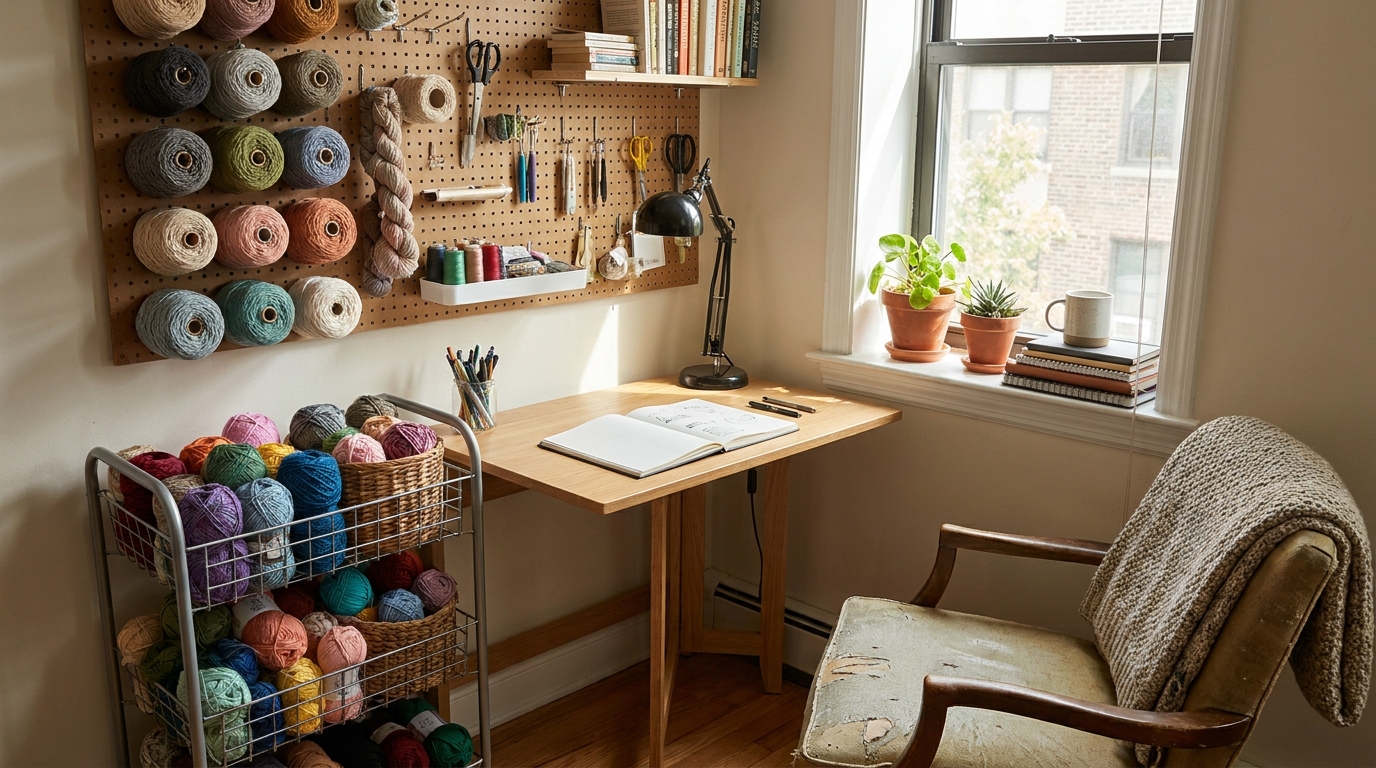
For renters or small-space dwellers, portability can be your best friend. A rolling cart, a drop-leaf desk, stackable bins, and wall-mounted shelves can create a hobby zone that feels intentional but does not permanently alter the apartment. A room divider, curtain, or area rug can also define the zone visually. Once a space feels distinct, your brain begins to register it as a destination rather than leftover space.
Natural light is a wonderful bonus if you can get it, especially for reading, drawing, painting, or any handwork. But a window is not the only path to a beautiful room. A space with good task lighting, warm layered lamps, and a thoughtful color palette can feel just as inviting. Focus on what you can control rather than what your floor plan lacks.
Questions to Ask When Choosing the Spot
- Will this area be easy to access for short, spontaneous hobby sessions?
- Can I leave some materials set up, or will everything need to be packed away each time?
- Does the space offer enough light, comfort, and quiet for the hobby I enjoy most?
- Can I create a sense of separation from work tasks, laundry, or household clutter?
- Will I genuinely want to spend time here on a normal day?
Step Three: Match the Layout to the Hobby
Once you know where the hobby room will live, think in terms of zones. Even in a small setup, zoning helps the space function well. Most hobby rooms benefit from a primary activity zone, a storage zone, and a comfort zone. The proportions will vary depending on your interests, but the overall logic remains useful.
The primary activity zone is where the hobby actually happens. For a crafter, this might be a worktable with a cutting surface and nearby tools. For a reader, it may be a chair with a lamp and side table. For a puzzle lover, it could be a dedicated tabletop where a project can stay in place between sessions. Your layout should make the core activity feel easy to begin without rearranging the whole room.
The storage zone should support how you use your materials, not how a catalog tells you to sort them. Frequently used items should be visible or within immediate reach. Less frequently used supplies can go higher, lower, or behind closed doors. If you keep buying duplicates because you cannot find what you already own, your storage is not serving you yet.
The comfort zone is what turns a practical setup into a space you actually linger in. This might be a second chair, a footstool, a blanket basket, a small speaker, a tray for tea, or a soft rug underfoot. These details may seem decorative, but they influence whether the room feels nourishing or merely utilitarian. A hobby room should invite you to stay a little longer.
Step Four: Invest in Comfort Before Decoration
It is tempting to start with paint colors and pretty accessories, but comfort should come first. If your back hurts at the desk, the overhead light gives you a headache, or the room is chilly and echoey, the most beautiful styling in the world will not make the space enjoyable. Start with the elements that affect your body directly.
Seating is often the most important decision. A reading chair should support your back and allow your feet to rest comfortably. A crafting chair should let you sit upright for longer periods without strain. If your hobby involves standing, consider floor comfort, table height, and whether a stool or anti-fatigue mat would help. Ergonomics may sound technical, but at its heart it is simply about making your body feel cared for.
Lighting deserves equal attention. Layered light usually works best, combining ambient light with targeted task lighting. A focused lamp is especially useful for activities like knitting, puzzle work, calligraphy, or model building, while warm side lighting can make evening reading feel more soothing. If possible, choose bulbs that feel gentle and flattering rather than harsh and clinical.
Temperature, acoustics, and texture also shape the mood of the room. Curtains, rugs, upholstered seating, and fabric storage bins can soften sound and make a room feel more settled. A throw blanket, a cushion, and natural materials such as wood, rattan, or linen can add warmth without visual heaviness. When a room feels physically easy to inhabit, your hobby becomes easier to return to.
Step Five: Create Storage That Reduces Friction, Not Beauty
One of the most useful things a hobby room can do is make starting simple. If your supplies are hidden in three different rooms, packed in random boxes, or tangled in drawers, the hobby begins with effort. That is often enough to discourage you on a busy day. Good storage reduces those tiny obstacles so the enjoyable part begins sooner.
Start by gathering all your hobby items in one place and sorting them honestly. Keep what you use, what you love, and what supports the kind of hobby life you want now. Let go of dried-out supplies, duplicate tools, abandoned materials tied to guilt, and items that belong to a fantasy version of the hobby rather than your real one. A calming room is easier to create when you are not storing the weight of unfinished ambitions.
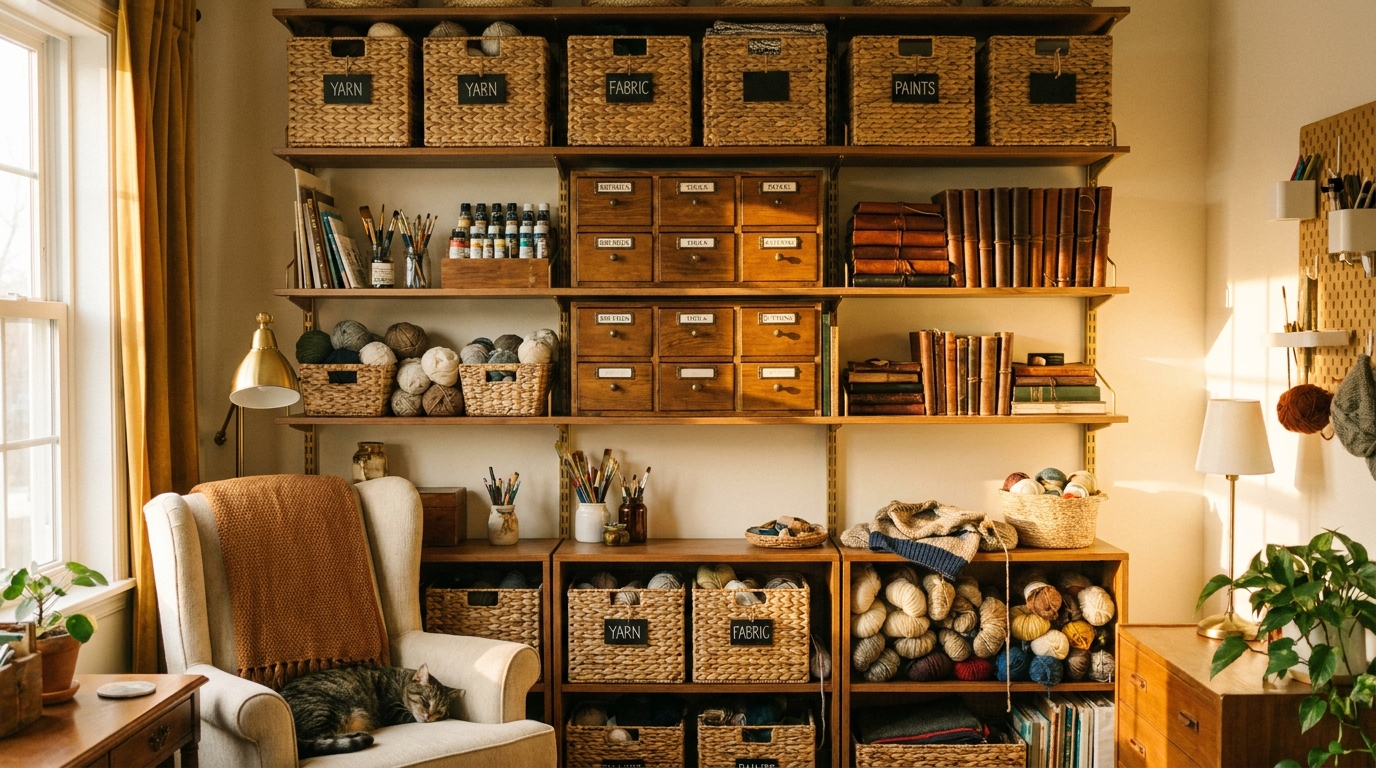
Then think about visibility. Open shelves are wonderful for beautiful, frequently used items such as books, yarn in calm tones, journals, baskets, or neatly arranged tools. Closed cabinets or drawers are better for visual relief, especially if your supplies are colorful, irregular, or messy. A mix of both usually creates the best balance between inspiration and calm.
Labeled bins, drawer dividers, clear containers, and rolling carts are especially useful in small hobby rooms because they create order without requiring built-ins. If you are a renter, these solutions can move with you easily. If you are renovating or customizing a long-term home, hidden storage, cabinetry, and multifunctional built-ins can help the room stay beautiful while supporting daily use. This aligns with broader renovation trends, where people increasingly customize homes to suit personal routines and preferences.
Storage Ideas That Work for Many Hobby Rooms
- Use shallow drawers for tools, pens, notions, scissors, and small accessories.
- Keep a tray or basket for your current project so you can pick it up quickly.
- Store extra supplies separately from everyday materials to reduce visual overload.
- Use vertical wall space with shelves, pegboards, rails, or hooks.
- Add a lidded basket or cabinet section for items that are useful but not attractive.
- Create one small surface that always stays clear, even in an active room.
Step Six: Build a Mood With Color, Texture, and Personal Detail
Once the room functions well, it is time to make it feel emotionally yours. This is where style becomes meaningful rather than superficial. A hobby room should reflect the atmosphere that supports your best kind of leisure, whether that means calm, focus, delight, or playfulness.
Color can guide that feeling gently. Soft neutrals, muted greens, dusty blues, warm whites, and gentle earth tones tend to create a restorative mood that works beautifully for reading, journaling, or slow crafts. If your hobby is energetic and expressive, you may prefer a more cheerful palette with richer accents, perhaps in terracotta, ochre, berry, or teal. The point is not to follow trends exactly. It is to choose colors that make you want to enter the room and stay there.
Texture helps a hobby room feel layered and lived in. Consider curtains that soften the light, a rug that defines the zone, a cushion on the chair, woven baskets for storage, or framed art that reflects your interests. Plants can also make a hobby room feel more alive and restorative, especially if the space lacks a strong connection to the outdoors. This gentle nod toward biophilic design can support the room’s sense of calm.
Personal detail matters most of all. Display a few favorite books, a small collection, framed family artwork, or objects that genuinely inspire you. Avoid the pressure to over-style. A hobby room does not need to look like a showroom. It should feel like a real extension of your inner life, shaped by things you love and use.
Step Seven: Make the Room Easy to Maintain
The most successful hobby rooms are not the ones that look perfect on day one. They are the ones that remain usable six months later. That means maintenance matters. If cleanup is too complicated, the room will gradually become frustrating. If every project creates a visual explosion, you may stop using the space altogether.
Design a reset routine into the room itself. Keep a basket for ongoing work, a small waste bin nearby, and designated places for the items you reach for most. If your hobby creates scraps or dust, make sure basic cleanup tools are close at hand. If the room is shared with another function, choose furniture that can close, fold, stack, or tuck away gracefully.
It can also help to establish a one-minute closing ritual at the end of each session. Straighten the chair, return tools to their tray, stack books, fold the blanket, and leave the space ready for the next visit. This small habit protects the room from becoming a dumping ground. More importantly, it preserves the welcoming feeling that makes you want to come back.
For families, maintenance may require a little communication. If others use the room or pass through it, explain what the space is for and what should stay undisturbed. Even if the hobby room is modest, treating it as a respected zone sends a healthy message that personal restoration has value in the home.
Step Eight: Create Rituals That Help You Actually Use It
A beautifully designed hobby room means very little if it remains untouched. What brings the space to life is routine. The encouraging news is that your hobby time does not need to be long to be meaningful. The CDC notes that even ten to fifteen minutes of relaxing activity can help reduce stress. That is a powerful reminder that a hobby room can serve you even on busy days.
Think about where hobby time naturally fits in your life. Perhaps it is twenty quiet minutes before bed, an hour on Sunday morning, or a soft landing after work instead of immediately reaching for your phone. Attach the room to a rhythm you already have. Keep the barrier low and the invitation gentle.
Ritual can make the experience feel special without becoming rigid. Light a lamp, put on a playlist, make tea, open the curtains, or place your current book on the chair before dinner so the space is already calling you later. These small cues matter. They teach your body and mind that this room is where you exhale.
If you share your home with family, children, or roommates, communicate your hobby rhythm kindly and clearly. A hobby room should not create resentment or isolation. It should model a healthy form of self-care and show that everyone in the home deserves some version of restorative space. In family life, that can be a beautiful value to normalize.
Hobby Room Ideas by Interest
For Readers
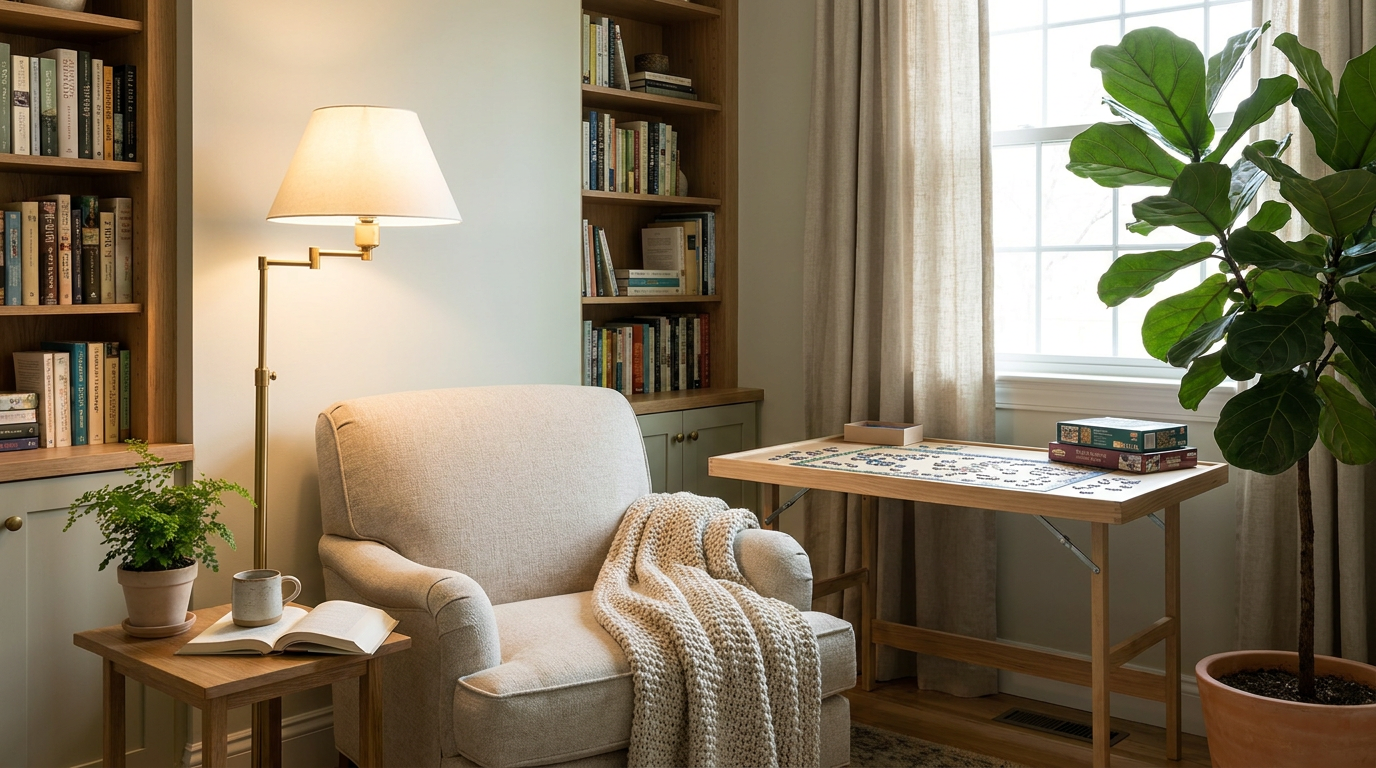
A reading-focused hobby room benefits from comfort above all else. Start with a truly supportive chair, a good reading lamp, and a side table large enough for a cup of tea and a small stack of books. Keep shelves within easy reach and consider a footstool or ottoman to encourage longer, more restful sessions. If possible, soften the room acoustically with textiles so it feels hushed and cocooning.
Because reading is already such a common home-based hobby, this type of room often works especially well in small spaces. A corner with a lamp, low bookcase, and comfortable seat can become a complete hobby zone without requiring major renovation. What matters is the feeling of retreat. When the chair is inviting and the books are visible, reading happens more naturally.
For Crafters and Makers
Craft hobbies often need a little more structure. A generous work surface, clear sorting systems, and excellent task lighting can transform the experience dramatically. Consider using drawers for small tools, bins for materials by category, and a rolling cart for the projects currently in progress. If your hobby is colorful and tactile, balance the visual energy with some calmer surfaces and closed storage.
It is also wise to protect one clear area for active making. When every surface becomes storage, creativity can feel cramped. Give yourself room to spread out, make a mess within reason, and return the space to order without too much effort. This is where the hobby room becomes liberating rather than simply organized.
For Journaling, Writing, or Sketching
These hobbies often thrive in a room that feels quiet, reflective, and lightly inspiring. A simple desk or table, an excellent chair, a lamp with warm but focused light, and a few personal objects can be enough. Avoid clutter that competes for attention. Here, simplicity often supports creativity better than abundance.
You might also add a small board or shelf for rotating inspiration such as postcards, quotations, photographs, or a few favorite supplies. Keep the room emotionally gentle. If the desk is also used for household paperwork or work emails, try to create a visual separation so your hobby identity is not swallowed by administrative life.
For Puzzles, Board Games, or Quiet Family Hobbies
A table with enough surface area is the heart of this type of hobby room. Comfortable seating, storage for pieces and boxes, and good overhead and task lighting matter most. If the room doubles as a family retreat, layer in softness with a rug, shelves, and perhaps a small snack station or beverage tray. The goal is to make gathering feel easy and relaxed.
These spaces can also bridge generations beautifully. NIA resources emphasize the value of meaningful activity and social connection, and a hobby room that supports shared leisure can become one of the warmest rooms in the home. It does not need to be formal to be memorable. It simply needs to welcome people in.
Common Mistakes to Avoid
One common mistake is treating the hobby room as a leftover storage area first and a leisure space second. When holiday bins, random donations, and household overflow dominate the room, the hobby becomes an afterthought. Protect the purpose of the space as much as you can. Even if the room must multitask, your hobby should have a visible and respected presence.
Another mistake is overspending on décor before understanding how the room will function. It is easy to buy containers, paint, and accessories without considering how you actually move through the space. Live with the layout first if possible. Use the hobby room for a few weeks, notice what frustrates you, and refine from there.
Some people also overcomplicate the idea of a perfect room. They wait until they can afford a renovation or an entire spare room, and in the meantime they give themselves nothing. A modest setup that supports your real life is far more valuable than a dream room that never materializes. Start with the corner. Start with the chair. Start with the lamp. The important part is to begin.
How to Make a Hobby Room Work in a Multifunctional Home
Many homes today need every room to do more than one job. That does not rule out a hobby room. In fact, some of the best hobby spaces are created within guest rooms, offices, basements, and living areas that have been zoned thoughtfully. The trick is to make transitions feel smooth rather than chaotic.
Choose furniture that can adapt elegantly. A secretary desk can hide supplies behind doors. A murphy bed can free up wall space in a guest room. A storage bench can hold materials while offering extra seating. A library wall can support both reading and display. These solutions let the room remain polished while still being highly usable.
Color and lighting can also help define the hobby zone without adding walls. A rug under the hobby area, a dedicated lamp, or a different paint treatment on one wall can visually separate it from the rest of the room. That subtle distinction helps the space feel intentional, which matters emotionally even when the room is shared.
Do not underestimate the power of boundaries. If one shelf, one cabinet, one desk, or one corner belongs to your hobby, treat it with care. The room may still serve other purposes, but that designated zone becomes your micro-retreat. Sometimes that is all you need.
The Last Step: Let the Room Reflect a Life You Want More Of
At its best, a hobby room is not just a design project. It is a quiet statement about the kind of life you want to protect inside your home. It says that pleasure matters, that creativity matters, that rest matters, and that who you are beyond your responsibilities deserves room to breathe. In a culture that often praises productivity first, that is a meaningful choice.
If you have been waiting for permission to create a hobby room, consider this your invitation. You do not need a huge budget, a spare wing of the house, or a perfectly aesthetic plan. You need a little clarity, some practical organization, and a willingness to take your own enjoyment seriously. Whether you are turning a spare bedroom into a craft room or carving a reading nook out of one quiet corner, the impact can be surprisingly powerful.
Start small if you need to. Clear the corner. Bring in the chair. Add the lamp. Gather the supplies you actually use. Give that space a purpose and a feeling. Then begin using it in small, ordinary moments. Over time, what starts as a room improvement may become something much more valuable, a steady source of calm, expression, and everyday well-being.
The perfect hobby room is not the most expensive one or the most photogenic one. It is the one that gently invites you back to yourself, again and again, in the middle of real life.


No Comment! Be the first one.