



Family life is changing, and our homes are changing with it. The idea of the ideal family house is no longer centered on a single layout, a formal dining room, and a few extra bedrooms that stay mostly unused. Across Canada and North America, the future of family living is becoming more layered, more flexible, and far more personal. Homes are being asked to support grandparents and toddlers, remote work and quiet rest, sustainability goals and tighter budgets, all within spaces that still feel warm, beautiful, and emotionally grounding.
Table Of Content
- The New Shape of Family Life
- Why Flexibility Matters More Than Size
- Practical ways to create a more adaptable home
- Designing for Togetherness and Privacy
- Aging in Place Is Becoming a Family Priority
- The Healthier Home Is the Smarter Home
- Healthy home essentials worth prioritizing
- Comfort Without Waste: The Rise of Sustainable Family Homes
- Family-friendly sustainability upgrades with lasting value
- Smart Technology That Reduces Friction
- Work, Study, and Daily Rhythm Under One Roof
- The Home Beyond the House
- How to Make Your Current Home More Future-Ready
- A thoughtful roadmap for homeowners
- A More Human Vision of the Future Home
That is what makes this moment so interesting. The homes that feel most future-ready are not necessarily the biggest or the most technology-filled. They are the ones that are designed with real life in mind. They support routines, relationships, and resilience. They make room for togetherness without sacrificing privacy. They create comfort without waste. Most of all, they respond to the truth that family life now comes in many forms, and a harmonious home must be able to evolve as the people inside it evolve too.
In Canada, this shift is especially clear. The 2021 Census counted 441,750 multigenerational private households, representing 2.9 percent of all households, and 2.4 million Canadians were living in one. At the same time, 4.4 million people in Canada lived alone in 2021, or about 15 percent of adults aged 15 and older in private households. These two facts may seem unrelated at first, but together they tell an important story. Family living is becoming more diverse, and homes need to respond with flexibility rather than one fixed model of domestic life.
There is also the practical reality of affordability and daily function. In 2021, 28.3 percent of multigenerational households in Canada were below the housing suitability threshold, meaning the dwelling did not have enough bedrooms for the household composition. That figure highlights something many families already feel in their everyday lives. More square footage alone is not the answer. Smarter planning, better zoning, healthier materials, and thoughtful upgrades can often do more for family well-being than simply adding space.
This article explores the trends shaping future family living and the choices that can help create a harmonious home now. From adaptable layouts and aging in place to air quality, heat pumps, and practical smart technology, the future of home is less about perfection and more about support. It is about building spaces that feel good to live in today and remain useful tomorrow.
The New Shape of Family Life
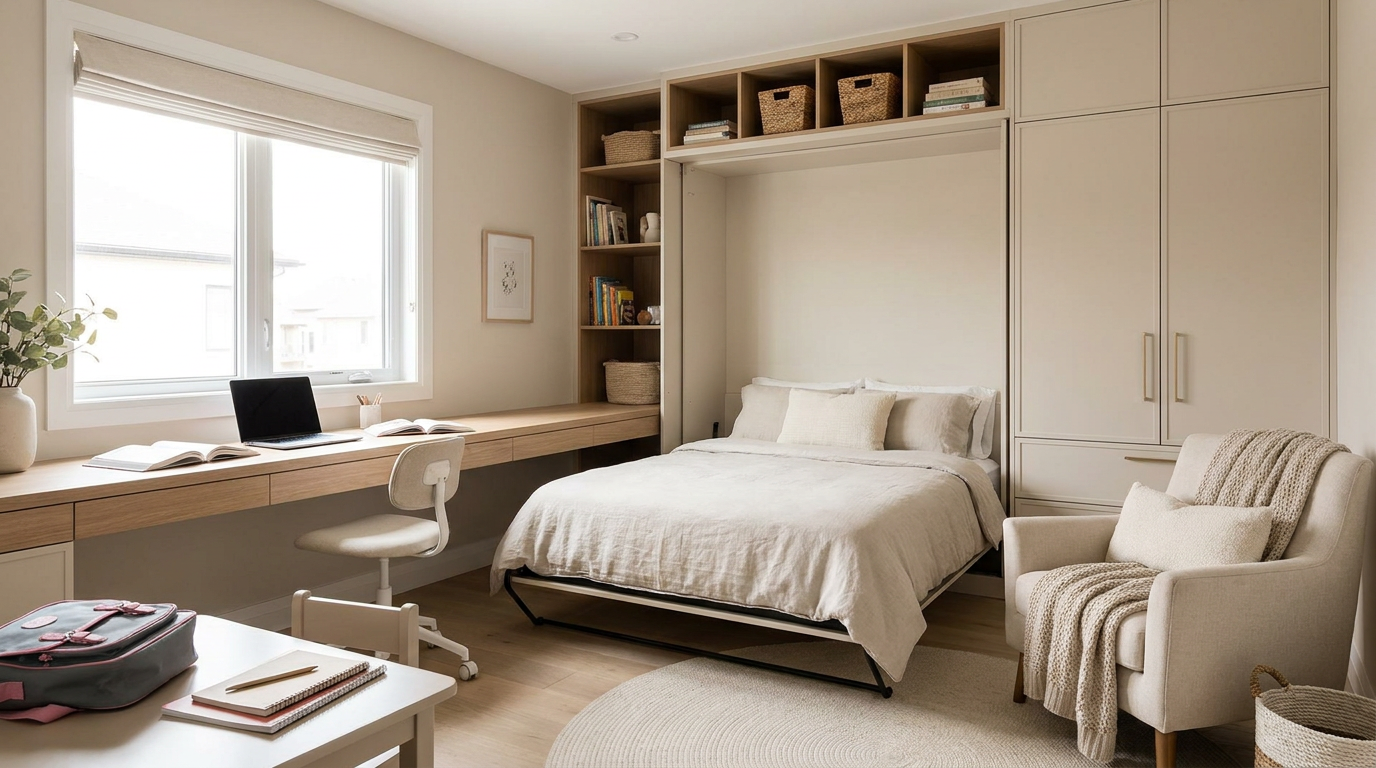
For many years, family housing was marketed around a narrow image of domestic life. The assumption was a nuclear family, a predictable rhythm, and rooms assigned to a single purpose. But modern life is much more fluid. Households may include aging parents, adult children returning home, children splitting time between homes, unrelated roommates, or one person living alone while still needing a space that can host family and work life with ease. A future-ready home starts by recognizing this diversity rather than resisting it.
Multigenerational living is one of the clearest examples of this change. In high-cost housing markets such as Ontario and British Columbia, it has become an increasingly visible part of the housing landscape. Sometimes it grows out of cultural preferences and family closeness. Sometimes it reflects caregiving needs, immigration patterns, or rising housing costs. Often it is a mix of all these factors. What matters for design is that homes need to offer both connection and dignity, with enough separation for different schedules, ages, and habits to coexist comfortably.
At the same time, solo living and nontraditional living arrangements are also rising. This means the future of family living is not simply about larger households. It is about homes being able to host many forms of life over time. A two-bedroom condo may need to function beautifully for one person today, then adapt to a partner, a baby, or an elderly parent later. A detached home may need to support a teenager’s independence now and a grandparent’s care needs later. Flexibility is becoming one of the most valuable features a home can offer.
Remote work has added another layer to this transformation. Statistics Canada found that the share of workers working most of their hours from home increased from 7.4 percent in May 2016 to 24.3 percent in May 2021. Even for households where fully remote work is not permanent, hybrid routines are now common enough that dedicated or semi-dedicated work zones matter. The future family home is no longer only where life happens after work. It is where work, learning, caregiving, and rest all unfold side by side.
Why Flexibility Matters More Than Size
When families feel squeezed, the instinct is often to think they simply need a bigger house. Sometimes that is true, but more often the deeper need is a home that uses its space more intelligently. Flexible homes feel calmer because they reduce friction. They allow one room to support multiple activities across the day. They make it easier for everyone to have what they need without constant compromise.
A well-designed flex room might serve as a home office in the morning, a homework station in the afternoon, and a guest room at night. A dining area might be reimagined as a family project zone with built-in storage for craft supplies, school work, and laptops. A finished basement can become an independent suite for a grandparent, a young adult, or a caregiver. Even a landing, alcove, or wide hallway can be turned into a useful nook with the right lighting, joinery, and seating.
Storage plays a surprisingly emotional role here. A family home feels more harmonious when everyday objects have a place to go. That does not mean every surface must look spare or styled. It means the home supports daily reality, from backpacks and winter boots to charging cables and pantry overflow. Built-ins, mudroom systems, under-bed drawers, storage benches, and full-height cabinetry can transform how spacious a home feels without adding a single square foot.
The most successful future-facing spaces are not overprogrammed. They leave room for life to change. A nursery may become a reading room, then a teen study zone, then a guest room. Instead of investing in heavily theme-based rooms with a short life span, many homeowners are leaning toward durable, adaptable foundations. Neutral architectural finishes, movable furniture, layered lighting, and modular storage help a home evolve gracefully.
Practical ways to create a more adaptable home
- Choose furniture that can serve more than one purpose, such as storage ottomans, sofa beds, or extendable tables.
- Use sliding doors, pocket doors, or room dividers to create privacy when needed without closing off natural light.
- Invest in built-in storage where clutter tends to collect, especially at entrances, in family rooms, and near work areas.
- Design at least one room or zone with future caregiving, guest use, or home office needs in mind.
- Layer overhead, task, and ambient lighting so a room can shift easily from work mode to relaxation mode.
The future family home is not a perfect showpiece. It is a responsive space that bends gently around real life.
Designing for Togetherness and Privacy
One of the biggest challenges in modern family living is balancing closeness with autonomy. Families want to feel connected, but they also need moments of separation. This is especially true in multigenerational households, where routines and comfort levels may vary widely. Grandparents may rise early, teenagers may keep later hours, and parents may crave quiet after a long day. A harmonious home acknowledges that privacy is not a luxury. It is part of emotional well-being.
Zoning becomes essential in this kind of home. Public areas such as kitchens, family rooms, and dining spaces should invite gathering and easy conversation. Private zones should offer retreat, acoustic comfort, and a sense of ownership. Even small changes can help. A secondary sitting area, a reading nook on a landing, or a bedroom with a comfortable chair and soft lighting can give someone a place to reset.
Sound matters more than many people realize. In busy homes, acoustic softness can dramatically improve everyday comfort. Rugs, curtains, upholstered furniture, wall panels, and solid-core doors help absorb noise and create a gentler atmosphere. Families planning a renovation may also consider insulation between floors or around work areas. These details do not always make for glamorous before-and-after photos, but they deeply shape how a home feels to live in.
For multigenerational households, separate entrances, secondary bathrooms, mini kitchenettes, or basement suites can add dignity and ease. These features are helpful not because families want to be apart, but because they support choice. When people can step away comfortably, the time they spend together tends to feel more relaxed and genuine.
Aging in Place Is Becoming a Family Priority
As households become more multigenerational, aging in place is no longer a niche design concern. It is becoming a mainstream family priority. More homeowners are thinking ahead, whether they are caring for an older parent now or simply hoping to make their home usable for longer. This kind of planning is deeply practical, but it is also emotional. It allows loved ones to remain close, familiar, and more independent over time.
Universal design offers a graceful path forward. Wide doorways, step-free entries, lever handles, better lighting, non-slip flooring, and curbless showers can all support safety without making a home feel clinical. A main-floor bedroom or full bathroom can be a powerful feature, even if it is not needed immediately. It provides flexibility for recovery, guests, caregiving, or changing mobility later on.
Good aging-in-place design also benefits young families. A no-threshold shower is easier for a grandparent and easier for bathing children. Better lighting helps older eyes and creates a softer, more inviting mood for everyone. Thoughtful circulation supports walkers and strollers alike. In that sense, future family living is often about choosing designs that are more human at every stage of life.
There is also peace of mind in preparing a home quietly and early. Families do not always know when needs will change. A house that can adapt without major disruption offers a feeling of stability that is hard to overstate. It says that the home is ready to care for the people inside it, not only at their strongest moments, but also during transitions.
The Healthier Home Is the Smarter Home
For years, smart home conversations were dominated by novelty. People talked about voice assistants, app-connected lights, and fridges with screens. Those conveniences can be pleasant, but the real future of family living is more meaningful. The smartest homes are the ones that quietly protect health, comfort, and peace of mind.
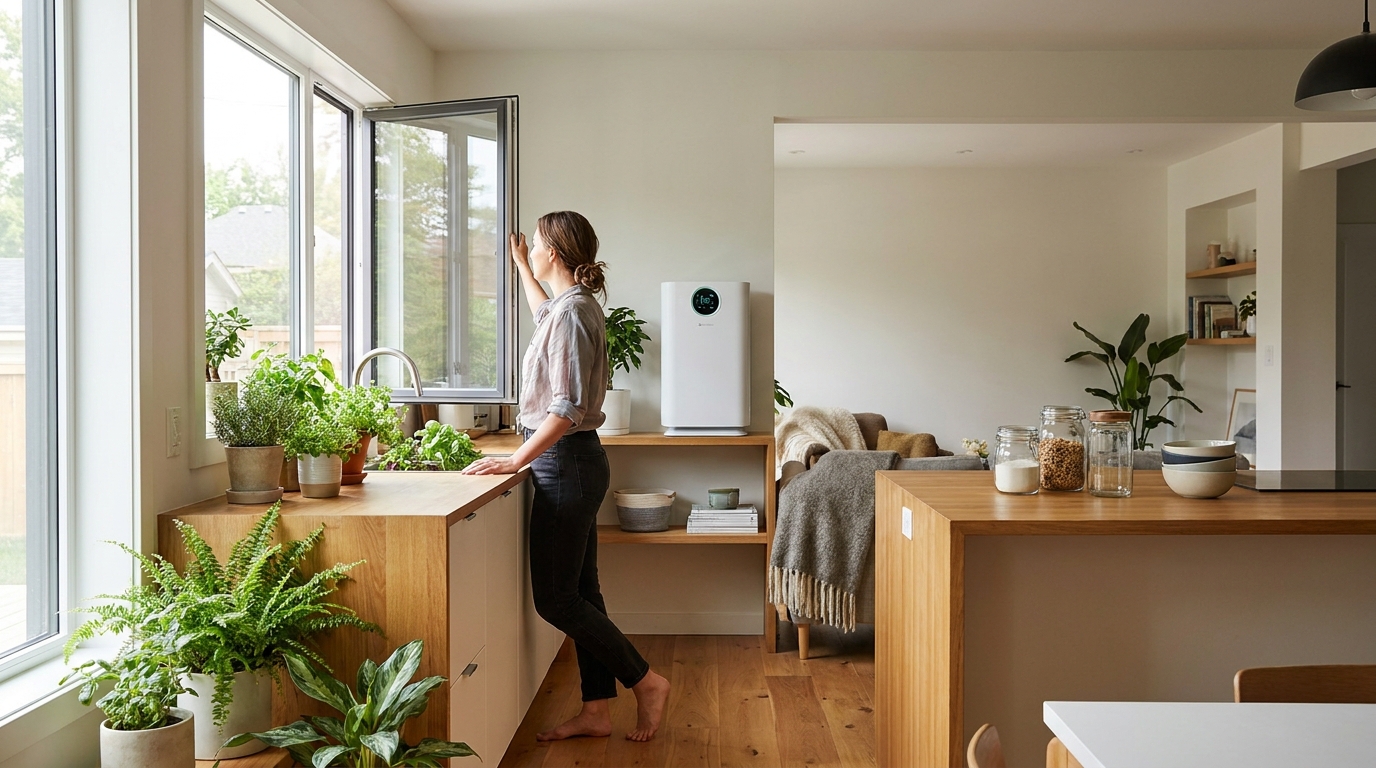
Indoor air quality is a central part of that shift. The EPA has emphasized that inadequate ventilation can increase indoor pollutant levels, and CDC guidance notes that mold is a sign of a moisture problem that should be fixed at the source rather than covered up. In practical terms, that means families should care about ventilation, filtration, humidity control, and moisture management just as much as they care about paint colors or countertops. This is particularly important in homes with children, older adults, or anyone with asthma or chronic lung conditions.
A healthy home starts with a dry and well-ventilated envelope. Exhaust fans that vent properly, balanced ventilation systems, clean filters, and attention to leaks all matter. So does understanding the everyday habits that shape indoor conditions. Drying clothes indoors without ventilation, ignoring condensation on windows, or storing belongings against damp basement walls can slowly create problems that affect the whole household.
There is also a sensory dimension to health. Fresh air, stable temperature, low drafts, natural light, and a sense of quiet all contribute to well-being. When people say a house feels good, they are often responding to these invisible qualities. Future family living is not only about what a home looks like. It is about how gently and steadily it supports the body.
Healthy home essentials worth prioritizing
- Address any visible mold, condensation, or persistent damp smells by identifying and fixing the moisture source.
- Use kitchen and bathroom ventilation consistently and maintain it regularly.
- Monitor humidity, especially in basements, bathrooms, and bedrooms.
- Upgrade filtration where possible and change filters on schedule.
- Consider air quality monitors that track humidity, particulates, or carbon dioxide in spaces that feel stuffy.
Comfort Without Waste: The Rise of Sustainable Family Homes
One of the most encouraging shifts in future family living is the growing understanding that sustainability and comfort belong together. For a long time, efficient living was framed as a compromise, as though saving energy meant sacrificing warmth, beauty, or ease. In reality, many of the most sustainable home improvements also make a home more pleasant. Better windows reduce drafts. Stronger insulation creates quieter rooms. Efficient heating delivers steadier warmth. A tighter, better-performing home often feels calmer in every season.
This matters financially too. The Government of Canada has noted that Canadian households spend an average of about $2,200 per year on home energy costs, with higher costs in older homes and oil-heated homes. Natural Resources Canada says households fully heating with oil can save roughly $1,500 to $4,500 per year by switching to electric heat pumps, depending on circumstances. Those are meaningful numbers for families trying to balance monthly comfort with long-term responsibility.
Heat pumps are a particularly important part of the conversation because they align comfort, efficiency, and climate resilience. They can provide both heating and cooling, which matters as weather patterns become less predictable. Combined with insulation upgrades, better windows, and smart controls, they can turn an older house into a far more stable and comfortable place to live. For many families, this is the kind of sustainability that feels tangible because it shows up in both the utility bill and the quality of everyday life.
Sustainable choices also support emotional ease in subtle ways. An efficient home tends to have fewer temperature battles from room to room. It can feel less noisy, less drafty, and less vulnerable to extreme weather. That sense of steadiness is a form of luxury in its own right. It allows family members to focus less on managing the house and more on enjoying it.
Family-friendly sustainability upgrades with lasting value
- Improve insulation and air sealing before or alongside major equipment upgrades.
- Replace aging windows strategically in the rooms where comfort problems are most noticeable.
- Explore electric heat pumps for heating and cooling efficiency.
- Use smart thermostats and zoning to match energy use to actual family routines.
- Choose durable natural materials and finishes that age well and reduce replacement cycles.
Smart Technology That Reduces Friction
The future family home will almost certainly include more technology, but the best systems will be the least intrusive. Instead of demanding constant attention, they will reduce small points of friction in everyday life. They will help families remember less, worry less, and waste less. That is a far more valuable vision than a house full of flashy gadgets.
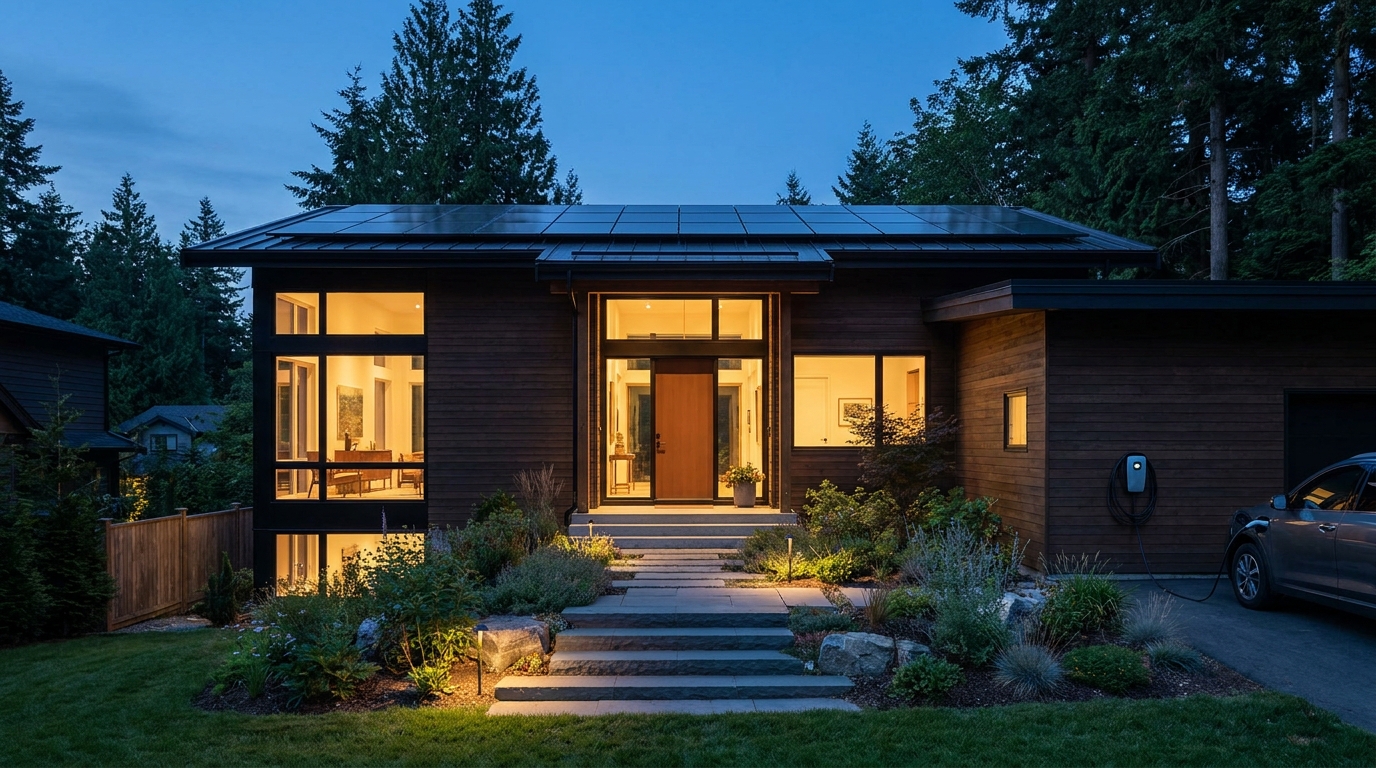
Research from NREL points toward a more integrated energy future, where appliances, rooftop solar, home batteries, EV charging, and home energy management systems work together as a connected system. For families, that means technology becomes part of the home’s infrastructure. It can help reduce peak demand, optimize energy use, store backup power, and smooth out costs over time. In regions where outages or extreme weather are concerns, this kind of resilience matters just as much as convenience.
At a simpler level, smart technology can support comfort in very human ways. Lighting that adjusts to the time of day can help support calmer evenings. Leak sensors can catch a problem before it becomes a major repair. Door and window alerts can offer reassurance in homes with children or aging parents. Smart blinds, occupancy-based lighting, and programmable heating schedules can all help the home respond more naturally to family routines.
The key is intentionality. A truly harmonious smart home is not one where every possible device is connected. It is one where technology solves real household needs. If a family is struggling with high energy bills, comfort problems, moisture concerns, or caregiving logistics, smart systems can be incredibly valuable. If the technology adds noise, stress, or constant troubleshooting, it is probably not serving the home well.
Work, Study, and Daily Rhythm Under One Roof
The blending of home, work, and school life has changed how many families think about their interiors. Even households without full-time remote workers often need a place for admin, video calls, online learning, creative projects, or side businesses. A future-ready family home supports concentration without making the entire house feel like an office.
This often comes down to boundaries rather than size. A compact desk in a bedroom may be enough for occasional tasks, but frequent work-from-home routines usually benefit from better separation. This could be a dedicated office, a converted closet, a built-in study alcove, or a garden suite. The goal is not only productivity. It is emotional clarity. When work has a place, it is easier to put it away at the end of the day.
Ergonomics also deserve more attention than they often get in lifestyle conversations. Comfortable seating, correct desk height, good lighting, and reduced glare make a huge difference in how a space functions over time. A room can be visually beautiful and still exhausting to use if it does not support the body. Future family living asks for both. Spaces should be attractive, but they should also feel easy and natural to inhabit.
For children and teens, study zones work best when they are woven into everyday life without being too exposed to distraction. Near-kitchen workstations, built-in benches with charging outlets, and shared project tables can all be helpful. The right answer depends on the family rhythm, but the principle is consistent. Homes function better when they support focus as intentionally as they support relaxation.
The Home Beyond the House
Future family living is also influenced by what exists just outside the front door. Walkable neighborhoods, nearby schools, green space, public transit, and access to services all shape how supportive a home feels. A smaller home in a connected, convenient area may create a better quality of life than a larger house in a location that demands constant driving and coordination.
This is where ideas like missing-middle housing, accessory dwelling units, and gentle density become relevant to the family housing conversation. Duplexes, triplexes, courtyard housing, laneway homes, and well-designed low-rise communities can offer flexible and more attainable ways to live near family or build support networks nearby. These forms of housing may also make it easier to balance privacy, affordability, and intergenerational closeness.
There is an emotional advantage to neighborhood-minded living too. Families thrive when daily life feels less isolated. Being able to walk to a park, stop at a local cafe, visit a grandparent nearby, or let older children gain a little independence in a safe area all contribute to well-being. The future home is not only an interior concept. It is part of a broader ecosystem of care and convenience.
For homeowners planning renovations or moves, it can help to ask not only what the house offers, but what the location supports. The answers may shape everything from storage needs to car dependence to how much space children really need indoors. A harmonious home often begins with a harmonious pattern of living around it.
How to Make Your Current Home More Future-Ready
Not every family is building new or undertaking a major renovation, and that is perfectly fine. Future family living is not reserved for custom homes or luxury budgets. In many cases, the most meaningful improvements are the quiet, practical ones that make daily life smoother. The goal is not to chase every trend. It is to notice where your home causes stress and where it could offer more support.
Start by observing the friction points in your routine. Is the entryway chaotic every morning. Does one bedroom always feel too cold. Is there nowhere to work privately. Do guests, grandparents, or teens struggle to find a sense of independence. Does the house feel stuffy in winter or damp in spring. These are clues. They tell you where design, maintenance, or technology can make the biggest difference.
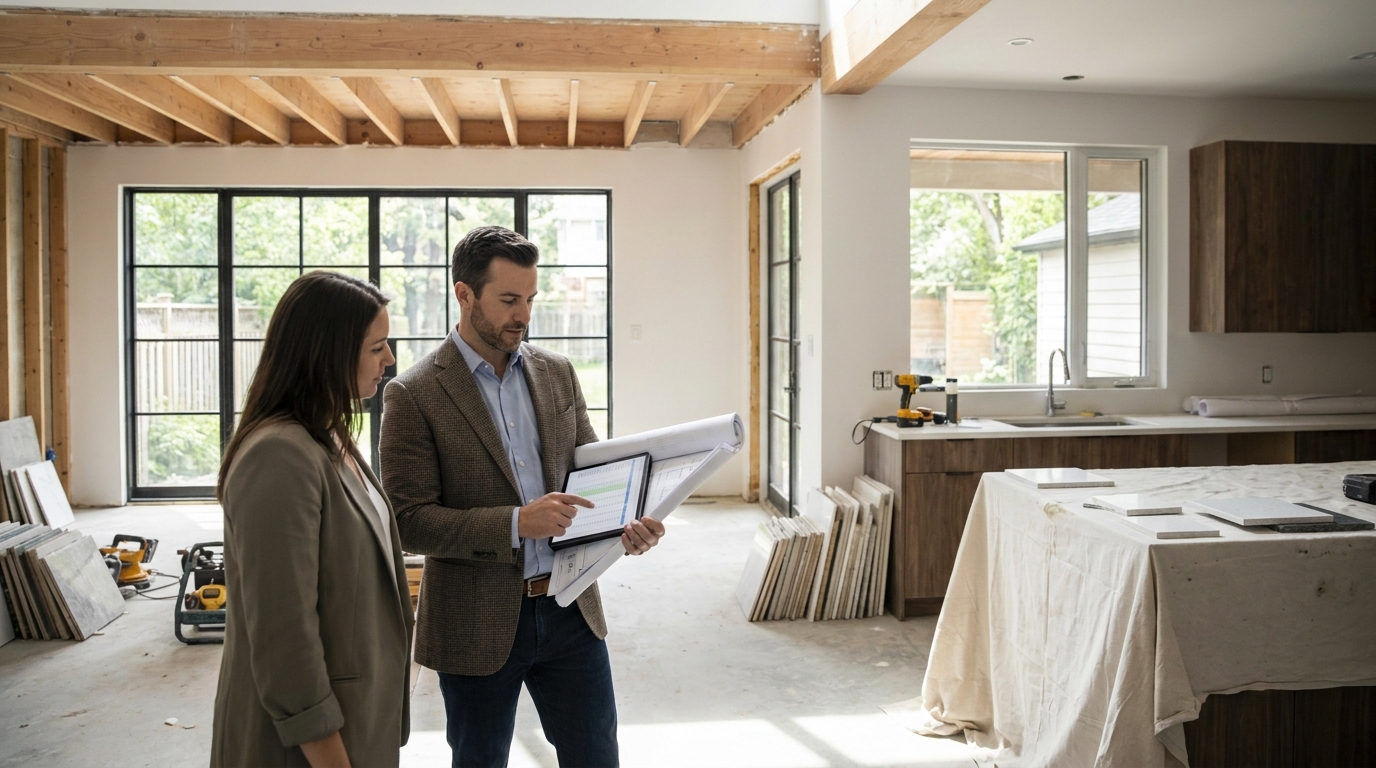
It can also help to think in stages. A family might begin with decluttering and storage improvements, then move to better lighting and a more functional work zone. Later, they might upgrade insulation, replace old equipment, or rework a bathroom for aging in place. Future-readiness is not a single purchase. It is a mindset of gradual, thoughtful adaptation.
Most importantly, remember that a harmonious home is deeply personal. The right choices depend on your family structure, your budget, your climate, your routines, and the emotional tone you want your home to hold. Some households need stronger acoustic separation. Others need outdoor connection, healthier air, or more resilience during outages. The future of family living is not one look. It is a set of caring decisions made with clarity.
A thoughtful roadmap for homeowners
- Assess how your household may change in the next five to ten years, including work patterns, caregiving, children, and aging needs.
- Prioritize improvements that increase comfort and functionality first, especially storage, lighting, and flexible-use rooms.
- Address moisture, ventilation, and insulation issues before investing heavily in cosmetic upgrades.
- Choose smart home tools that solve a specific problem, such as energy waste, leaks, security, or scheduling.
- When renovating, include universal design features where possible so the home remains useful for longer.
A More Human Vision of the Future Home
The most compelling vision of future family living is not cold, automated, or overly optimized. It is warm, responsive, and deeply human. It makes space for grandparents and growing children, for solitude and celebration, for budget consciousness and everyday pleasure. It respects the fact that family life can be messy, tender, loud, exhausting, and beautiful, often all in the same day.
In this vision, sustainability is not a design slogan. It is better comfort, lower waste, and more resilient living. Smart technology is not about novelty. It is about support, safety, and ease. Flexible design is not a compromise. It is a form of generosity that allows a home to keep giving as life changes. These ideas are especially relevant now because families are being asked to do more within their homes than ever before.
What makes a home harmonious in the future is, in many ways, the same thing that has always made a home feel good. It supports connection. It offers refuge. It helps daily life flow. The difference today is that we have a clearer understanding of the tools and design choices that can make that support more lasting. We know more about healthy air, efficient comfort, adaptive layouts, and the importance of emotional ease inside the home.
As family structures continue to evolve across Canada and North America, the homes that thrive will be the ones that stay open to change. They will not chase an outdated ideal. They will quietly, beautifully, and intelligently make room for real life. That is the future of family living, and it is a future worth designing for.


No Comment! Be the first one.