



The idea of a healthy building can sound technical at first, as though it belongs only to architects, engineers, or commercial real estate teams. In reality, the principles are highly relevant to everyday homes and to the people who live in them. A healthy building is simply a space designed and maintained to reduce exposure to harmful pollutants, manage moisture, support comfort, and make daily life feel better physically and mentally. In a home setting, that often comes down to a few practical design choices that work quietly in the background.
Table Of Content
- What Makes a Building Healthy?
- Indoor Air Quality Is the Foundation
- Start With Source Control
- Ventilation: Fresh Air With Intention
- Moisture Control: The Quiet Essential
- Radon: A Serious Issue That Many Homes Overlook
- Materials Matter More Than They First Appear
- Layout Choices That Support Well-Being
- Filtration and Air Cleaning: Helpful, But Not the First Step
- Affordable Healthy-Home Improvements That Deliver Real Value
- Healthy Buildings and Energy Efficiency Can Work Together
- Common Misconceptions Worth Letting Go
- A Calm, Practical Way to Begin
For many households, the most meaningful improvements do not require a dramatic renovation. They begin with understanding how indoor air behaves, where moisture tends to collect, which materials release emissions, and how layout affects the movement of air and contaminants. Health Canada and the U.S. Environmental Protection Agency both emphasize a sensible order of operations: control pollution at the source first, then support the space with ventilation and filtration. That matters because trying to clean dirty indoor air after problems have built up is usually less effective and more expensive than preventing those issues in the first place.
This is especially important now because modern homes are often built or upgraded to be more energy efficient. Better insulation and tighter construction can reduce heat loss and lower bills, which is valuable. At the same time, a tighter home can also trap pollutants if ventilation is not planned properly. Healthy design does not compete with efficiency. The best results happen when energy savings and indoor air quality are considered together from the start.
People spend most of their time indoors, and indoor pollutant levels can sometimes be higher than outdoor levels. That means the home environment plays a very direct role in comfort, sleep quality, concentration, respiratory health, and even the way a space feels emotionally. The reassuring part is that healthier housing does not need to be perfect to be meaningful. A series of modest, well-chosen improvements can significantly reduce everyday exposure and make a home more resilient over time.
Healthy buildings are not defined by luxury. They are defined by how well they reduce pollutants, control moisture, support fresh air, and make ordinary living spaces more comfortable and safer to inhabit.
In this guide, we will look at the practical elements that shape a healthier home, including indoor air quality, ventilation, humidity, materials, layout, filtration, and radon awareness. The goal is not to create pressure or perfection. It is to show how good design can support well-being in ways that feel achievable, elegant, and grounded in everyday decisions.
What Makes a Building Healthy?
A healthy building is designed to work with the realities of daily life rather than against them. Cooking creates moisture and particles. Cleaning products can release chemicals. Shoes bring in dirt, pesticides, and road residue. Bathrooms collect steam. Basements can trap dampness. A healthy home anticipates these patterns and manages them through thoughtful materials, effective ventilation, and clear zones that limit how pollutants spread.
There is also a broader principle at work. Indoor air quality is shaped by the building itself, the ventilation system, outdoor air conditions, indoor pollution sources, and the people using the space. In other words, health is not created by one product or one expensive machine. It comes from how the parts of a home work together. That is why seemingly small details such as venting a bathroom fan outdoors or choosing a low-VOC paint can have an outsized impact.
Healthy design is practical because it prioritizes the highest-impact issues first. Source control often comes before air cleaning. That means reducing or isolating the causes of pollution rather than assuming a portable device can fix everything later. It also means understanding that some of the most important hazards, including radon and carbon monoxide, may not have a noticeable smell at all.
Comfort is part of the equation too. Good daylight, steady temperatures, reduced dampness, lower noise from properly selected equipment, and layouts that separate sleep areas from pollutant-producing spaces all contribute to a healthier environment. This wider perspective is useful because health at home is rarely just one issue. It is the result of many small conditions that either support the body or quietly strain it.
Indoor Air Quality Is the Foundation
If there is one place to begin, it is indoor air quality. The EPA notes that common indoor pollutants include smoke, radon, mold, particulate matter, carbon monoxide, and volatile organic compounds, often called VOCs. These pollutants come from different sources and behave differently, but they share one basic problem: when they accumulate indoors, they can affect respiratory health, comfort, and long-term well-being.
Some sources are obvious. Smoke from cooking, especially frying or high-heat searing, can create particles that linger in the air and settle onto surfaces. Scented products, aerosol sprays, and some cleaning agents can release chemical compounds. Building and finishing materials such as paints, sealants, composite wood products, and adhesives may continue to emit pollutants over time, especially when they are new. Even a well-intentioned energy retrofit can worsen these effects if the home becomes tighter without enough fresh air exchange.
The most practical mindset is to think in layers. First, reduce pollution where it begins. Next, move stale air out and bring cleaner air in through ventilation. Then support the system with filtration where appropriate. This approach is often more affordable than many people expect because it starts with habits, product selection, and targeted upgrades rather than a complete mechanical overhaul.
It is also helpful to remember that indoor air quality is not always a visible issue. A home can look spotless and still have elevated pollutant levels. That is one reason healthy buildings are less about appearance and more about performance. A fresh-smelling room is not necessarily a healthy room, especially if the scent comes from fragranced products masking other issues.
Start With Source Control
Source control is one of the most effective and cost-efficient strategies for a healthier home. In practical terms, it means preventing pollutants from entering the space or limiting their release before they spread. This can be as simple as choosing unscented cleaning products, storing solvents and paints away from living areas, using a range hood while cooking, and avoiding indoor smoking altogether.
For households with children, pets, or anyone with asthma or allergies, source control can make a particularly noticeable difference. Reducing dust tracked in from outdoors, limiting synthetic fragrances, and addressing leaks quickly can lower the background burden that irritates the lungs and skin. Often, these changes feel modest day to day, yet they help create a much steadier indoor environment over time.
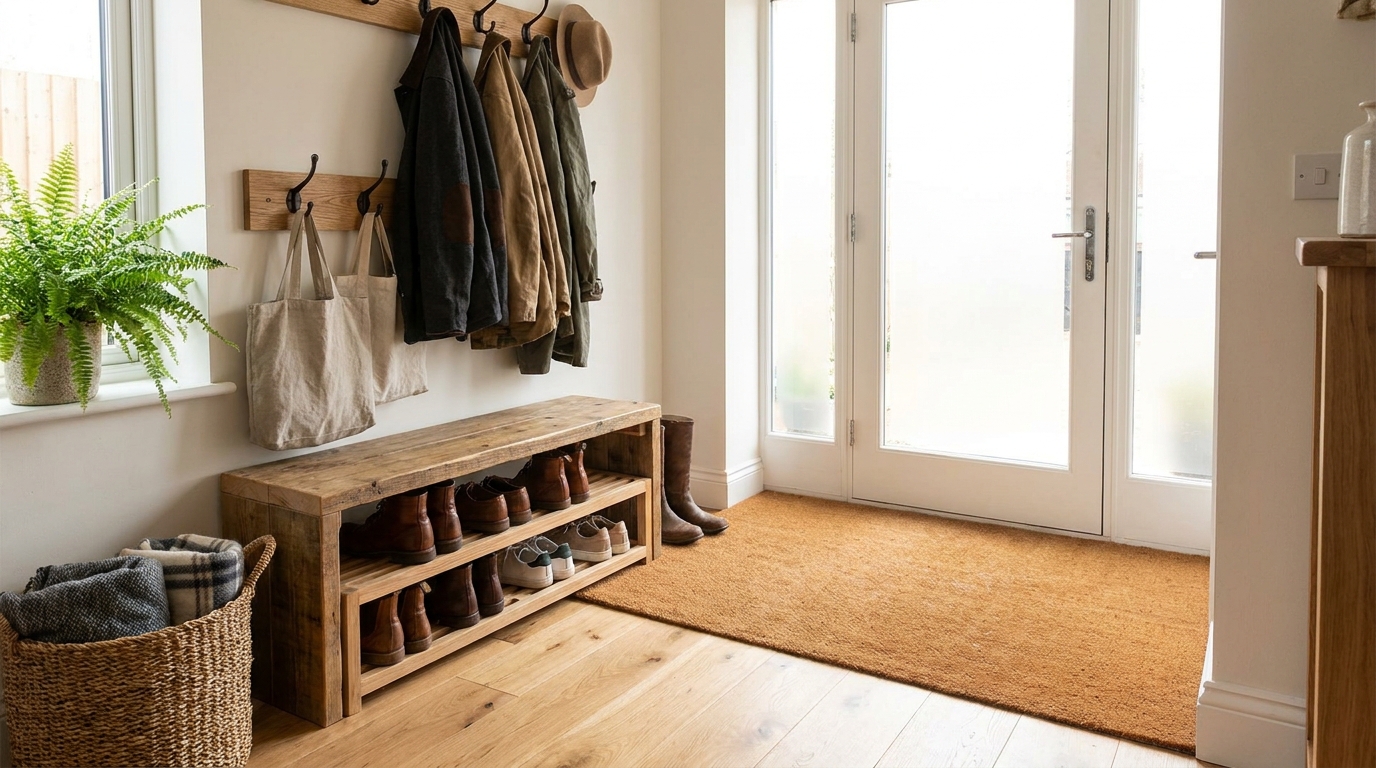
One of the clearest examples is the entryway. A well-designed front hall can act as a first filter for the rest of the house. Durable floor mats, easy shoe storage, and a comfortable place to take off coats or wet gear all reduce the amount of dirt, moisture, and outdoor pollutants that travel deeper into living spaces. This kind of design is not flashy, but it is highly effective.
Source control also includes paying attention to attached garages, utility rooms, and storage spaces. Fuel vapors, lawn care products, and household chemicals should be kept sealed and separated from regularly occupied areas as much as possible. If a door connects the garage to the home, good weatherstripping and careful storage practices matter. In healthy homes, the goal is not to eliminate every modern convenience. It is to contain and reduce avoidable exposure in sensible ways.
Ventilation: Fresh Air With Intention
Ventilation is where healthy design becomes dynamic. It determines how stale air leaves the home and how fresh air enters. In older homes, there may be more natural leakage through cracks and gaps, though that is not an ideal or energy-efficient ventilation strategy. In newer or upgraded homes, tighter construction often means planned ventilation matters much more.
Operable windows are still valuable, especially when outdoor air quality is good and temperatures are comfortable. Opening windows can quickly dilute indoor pollutants and improve the feeling of freshness in a room. However, windows are not always a complete solution. During wildfire smoke events, periods of high outdoor pollution, heavy pollen seasons, or extreme weather, relying on open windows may not be practical or healthy. That is where well-functioning exhaust systems and mechanical ventilation become important.
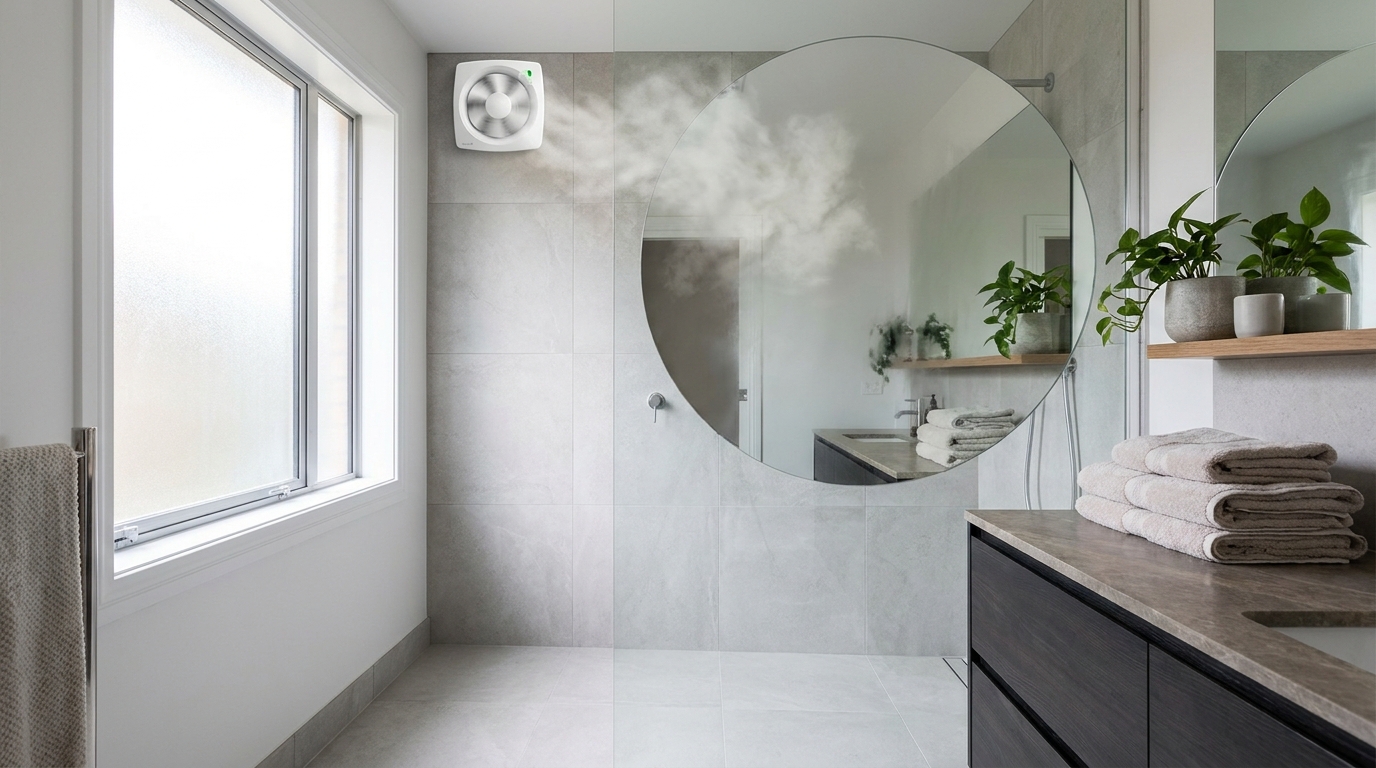
Bath and kitchen exhaust fans should vent outdoors, not into an attic or wall cavity. This detail sounds basic, but it is fundamental. Kitchens generate moisture, grease, odors, and fine particles, while bathrooms generate humidity that can lead to mold if it lingers. Fans that are quiet enough to use regularly and powerful enough for the room are usually worth prioritizing because a system only helps when people actually turn it on.
In more comprehensive retrofits or new construction, heat recovery ventilators and energy recovery ventilators can be especially useful. These systems bring in fresh air while helping retain energy, which makes them a good bridge between efficiency and health. They are not necessary in every project, but they show that healthier air does not have to come at the expense of comfort or utility costs when systems are thoughtfully chosen.
The key is not simply adding more equipment. It is making sure the home has a reliable path for air exchange that matches how tightly it is built and how it is used. A healthy building is not one that feels drafty or dependent on constant window opening. It is one that gets fresh air where and when it is needed with a level of control that supports both comfort and air quality.
Moisture Control: The Quiet Essential
Moisture problems often begin subtly. A bathroom mirror that stays fogged for too long, condensation on windows, a musty basement smell, or dampness around a laundry area may seem like minor annoyances. Over time, however, they can create the conditions for mold growth, material deterioration, and respiratory irritation. Health Canada recommends controlling indoor dampness and cleaning up visible mold regardless of mold type, which underscores how important early action can be.
The CDC also notes that mold exposure can trigger asthma attacks, and a generally healthy indoor humidity range is around 30 to 50 percent. That range is practical because it is low enough to discourage excess mold growth and dust mites, while still being comfortable for most people. The challenge is that many homes drift outside that range seasonally, especially in basements, bathrooms, kitchens, and laundry rooms.
Good moisture control starts with basics. Repair plumbing leaks promptly. Use bathroom fans during showers and for a period afterward. Make sure dryer vents are properly routed outdoors. Check grading and drainage outside the home so water moves away from the foundation rather than toward it. These are not glamorous interventions, but they are among the most effective ways to protect both health and the building itself.
Material choices can help as well. In wet rooms, moisture-resistant finishes are often a better long-term investment than purely decorative surfaces that degrade quickly when repeatedly exposed to humidity. Caulking, sealants, and grout maintenance also play a surprisingly important role because they help keep water where it belongs. In a healthy home, durability and hygiene are closely linked. Surfaces that resist moisture are easier to clean and less likely to become hidden problem areas.
Climate change adds another layer to this conversation. In some regions, increased moisture stress, heavier rainfall, and more frequent extreme weather can make dampness and mold more likely. That makes moisture management not only a maintenance issue, but also a resilience issue. Homes that can shed water, dry out effectively, and control indoor humidity are better equipped for changing conditions.
Radon: A Serious Issue That Many Homes Overlook
Radon deserves special attention because it is both common and easy to miss. It is a naturally occurring radioactive gas that can enter homes through foundation cracks and other openings, especially in basements and lower levels. It has no smell, no color, and no immediate sensory signal, which means testing is the only way to know whether it is present at elevated levels.
Health Canada recommends long-term radon testing in homes for at least 91 days, with many tests lasting three to twelve months, ideally during the heating season when homes are more closed up. This is not a niche concern. Health Canada estimates that radon exposure causes more than 3,000 lung cancer deaths in Canada each year. From a healthy-building perspective, that makes radon one of the highest-impact issues homeowners can address.
What makes radon important in this conversation is that it challenges a common misconception about healthy housing. A home can be new, efficient, beautifully finished, and still have a radon problem. It can also feel completely normal to live in. Healthy buildings are not judged only by finishes or age. They are judged by what is measured, controlled, and maintained.
If test results are high, radon mitigation systems can often reduce levels effectively. These systems typically involve venting radon from beneath the foundation before it enters living areas. The process is specialized, but it is well established and often less disruptive than people expect. The first step, though, is simply to test. In healthy home design, awareness matters as much as architecture because some of the most important risks are invisible.
Materials Matter More Than They First Appear
Materials shape the everyday chemistry of a home. Paints, adhesives, sealants, flooring, cabinetry, and composite wood products can all affect indoor air quality, especially when they are newly installed. Many conventional products release VOCs, which may contribute to headaches, irritation, and general discomfort in some people, particularly in poorly ventilated spaces.
Choosing lower-emitting materials is one of the most accessible healthy-building strategies because it can be done gradually. A homeowner repainting one bedroom can select a low-VOC or zero-VOC paint. Someone replacing flooring can compare products with lower emissions and more stable finishes. A bathroom refresh can prioritize moisture-resistant and low-odor sealants. None of these decisions requires a whole-house redesign, yet together they reduce the overall pollutant load indoors.
It is helpful to approach materials with both health and practicality in mind. A product that is durable, easy to clean, and less prone to trapping dust or moisture often supports healthier living more effectively than something chosen for appearance alone. This does not mean a home needs to feel clinical. Healthy materials can still be warm, textured, and visually refined. In many cases, they also age better because they are selected for performance rather than novelty.
Households doing energy upgrades should be especially attentive here. The EPA has noted that energy-efficient construction can increase indoor pollutant concentrations if mechanical ventilation is insufficient and indoor sources keep emitting into a tighter envelope. That does not mean efficiency is the problem. It means material choices and ventilation planning should evolve together. A sealed home with low-emitting products and reliable fresh air can be both efficient and healthy.
Layout Choices That Support Well-Being
Healthy design is not only about systems and substances. It is also about how spaces are arranged. Layout affects where pollutants concentrate, how moisture moves, and whether quiet, restorative areas feel protected. Even in an existing home, small planning adjustments can improve these patterns.
One useful principle is to separate pollution-generating zones from sleeping areas whenever possible. Kitchens, laundry rooms, utility spaces, and garages all produce heat, moisture, or emissions. If bedrooms are buffered from these zones by doors, hallways, or better air movement, the sleeping environment tends to be calmer and cleaner. That matters because rest is one of the primary ways a home supports health.
Storage also has a design role. When coats, shoes, sports equipment, and cleaning supplies have a clear place, contaminants are easier to contain. Cluttered spaces tend to collect dust and make cleaning less effective, while well-organized storage supports both hygiene and calm. This is one reason healthy buildings often feel intuitively pleasant. They are designed to reduce friction in ordinary routines.
Daylight and visual comfort belong in the discussion too. While this article focuses primarily on air, moisture, and materials, a healthier home also benefits from access to natural light, glare control, and a sense of spatial ease. Rooms that feel bright but not harsh, private but not shut off, can reduce stress and support better daily rhythms. Health is physical, but it is also sensory.
Filtration and Air Cleaning: Helpful, But Not the First Step
Air filtration can play an important supporting role in a healthy home, especially where outdoor pollution, wildfire smoke, allergies, or urban particulate matter are concerns. Higher-quality filters in forced-air systems and well-chosen portable air cleaners can reduce particles in the air. In some situations, HEPA filtration is particularly useful for capturing fine particulate pollution.
Still, filtration works best when it is part of a broader strategy. A portable air cleaner cannot compensate for a persistent moisture problem, a gas leak, or heavy emissions from products used every day. This is why public health guidance consistently places source control and ventilation ahead of air cleaning. Filters are valuable, but they are not a substitute for fixing the underlying conditions that create poor indoor air quality.
For homeowners, the most practical approach is to understand the purpose of each measure. Exhaust fans remove moisture and contaminants at the source. Ventilation systems exchange stale indoor air with outdoor air under controlled conditions. Filters reduce particles moving through the system. Portable units can provide targeted help in bedrooms or living rooms. Each tool does a different job, and healthy design comes from using the right tool in the right place.
Maintenance matters as much as equipment selection. Filters need replacement on schedule, vents need to be kept clear, and fans need to remain functional and clean. A healthy home is not created by installation alone. It is supported by regular care that keeps systems working as intended.
Affordable Healthy-Home Improvements That Deliver Real Value
One of the most persistent misconceptions is that healthy buildings are expensive by definition. In practice, some of the best improvements are straightforward and relatively affordable. They tend to focus on prevention, consistency, and better everyday habits rather than dramatic interventions. For homeowners who want a practical starting point, the following measures often provide strong returns in comfort and well-being.
- Use kitchen and bathroom exhaust fans consistently. This helps remove moisture, odors, and fine particles before they spread through the home.
- Test for radon. Because radon is odorless and invisible, testing is the only way to know whether it is a concern in your home.
- Choose low-VOC paints, sealants, and finishes. This reduces indoor chemical emissions, especially during renovations and touch-ups.
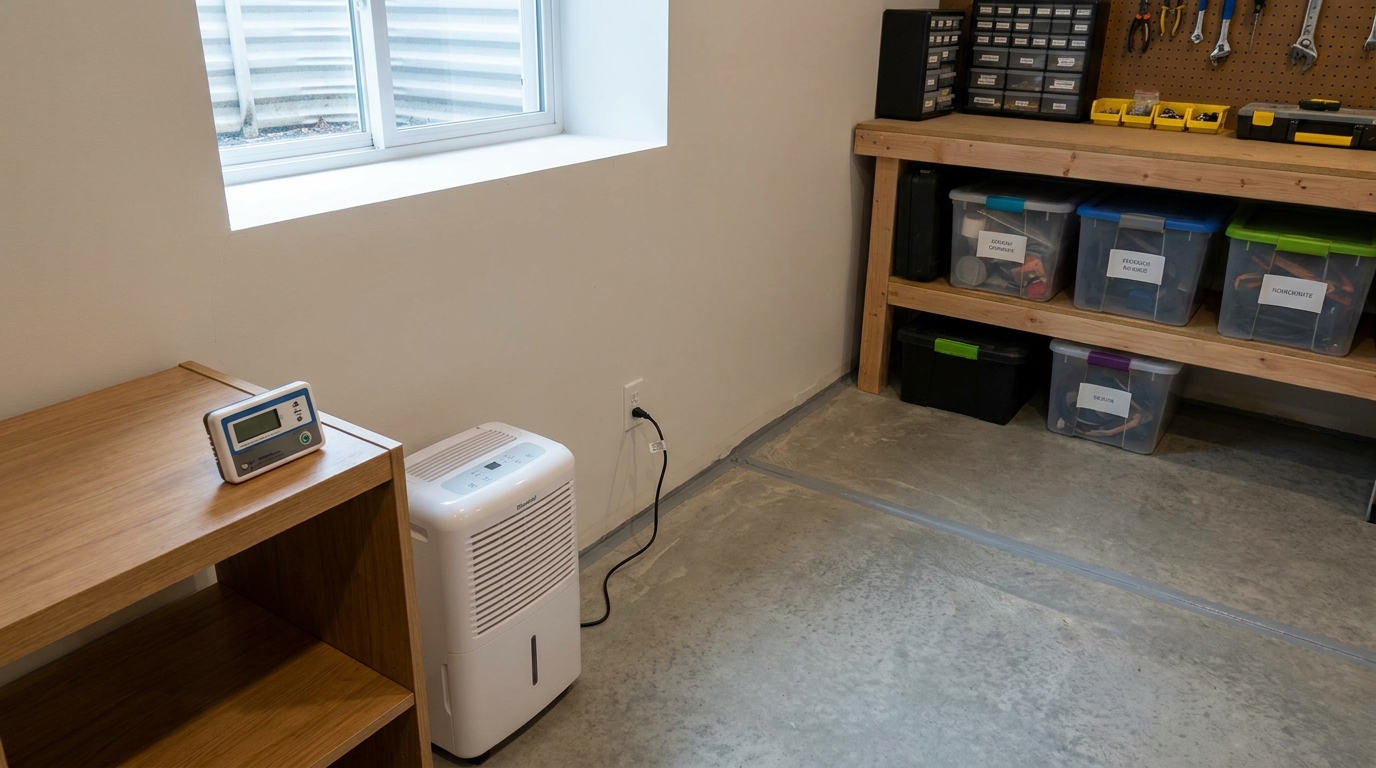
- Keep humidity in a healthy range. In damp areas, a dehumidifier and prompt leak repair can help keep indoor humidity around 30 to 50 percent.
- Create a shoe-off entry system. Entry mats and shoe storage reduce tracked-in dust, moisture, and outdoor contaminants.
- Address visible mold and dampness quickly. Waiting rarely improves the problem and often increases remediation costs later.
- Upgrade filtration where appropriate. Better HVAC filters or a targeted portable air cleaner can help where particles are a concern.
These actions are effective because they align with how homes actually function. They reduce pollutants at the source, manage moisture before damage grows, and make the home easier to maintain. Healthy design often succeeds not through complexity, but through repeatable routines supported by sensible physical choices.
Healthy Buildings and Energy Efficiency Can Work Together
There is sometimes an assumption that a healthy home must be less efficient because it needs more fresh air, or that an efficient home is automatically healthy because it is new and well sealed. Both assumptions miss the point. A tightly built or retrofitted home can conserve energy beautifully, but if fresh air and pollutant management are neglected, indoor conditions can decline. On the other hand, a drafty home may have plenty of accidental air leakage while still suffering from cold spots, moisture problems, and poor comfort.
The better path is integration. When insulation, air sealing, and window upgrades are paired with planned ventilation, source control, and low-emitting materials, the result is usually stronger on every front. Occupants get more stable temperatures, lower energy bills, and healthier indoor conditions. This is the direction many healthy-home retrofits are now taking, especially as homeowners look for long-term value rather than isolated upgrades.
Post-pandemic awareness has also changed expectations. Ventilation, filtration, and humidity control are now discussed much more openly than they were a decade ago. That is a productive shift because it moves healthy buildings from the margins into ordinary housing decisions. A better home is not one that follows every trend. It is one that responds intelligently to what people need most from the spaces they inhabit every day.
Common Misconceptions Worth Letting Go
Healthy-home advice is often clouded by a few persistent myths. One is that opening windows is always enough. Natural ventilation can be excellent when conditions are right, but it does not solve every problem, especially when outdoor air quality is poor or the home needs more controlled ventilation. Another myth is that if a house smells fine, the air must be fine. Radon, carbon monoxide, and many VOCs may have little or no smell at all.
There is also a tendency to treat mold as a cosmetic nuisance rather than a health and building-performance issue. Visible mold usually signals excess moisture, and excess moisture rarely stays local for long. Addressing the underlying dampness is what protects both people and materials. Finally, many people assume healthier homes require expensive smart technology. In reality, practical measures such as proper fan use, leak repair, careful material selection, and source control often do the most work.
Letting go of these misconceptions can be liberating. It shifts the focus away from perfection and toward performance. A healthy building is not a brand identity. It is a series of informed choices that reduce risk and improve daily life in quiet, measurable ways.
A Calm, Practical Way to Begin
If the topic feels broad, it helps to start with observation. Notice where moisture lingers, which rooms feel stuffy, whether the kitchen exhaust is used regularly, and how products are stored. Check whether there is a system for shoes and coats at the entrance. Look at materials scheduled for the next repaint or repair and ask whether lower-emitting options are available. Then make a plan based on the issues with the highest impact.
For many homes, a sensible order looks like this: first fix leaks and dampness, then improve source control, then test for radon, then review ventilation and filtration, and finally make healthier material choices during routine maintenance and gradual upgrades. This sequence keeps the process grounded and cost-aware. It also reflects what public health guidance has emphasized for years: remove or reduce the source first whenever possible.
Healthy building design is ultimately about creating a home that supports the people inside it with less effort and fewer hidden risks. It does not need to feel severe or technical. In the best cases, it simply feels calm, comfortable, and easy to live in. Fresh air moves where it should. Dampness does not linger. Materials are durable and lower in emissions. Daily routines are supported by design rather than complicated by it.
That is what makes healthy homes so worthwhile. They are not just greener or more efficient on paper. They are better attuned to human life. And often, the path toward that kind of home begins with a few modest, thoughtful changes that anyone can make.



No Comment! Be the first one.