



There is something deeply appealing about the way a wellness resort makes you feel the moment you arrive. The air seems softer, the lighting gentler, the rooms quieter, and your body gets the message that it can finally exhale. At home, most of us want that same emotional shift, especially now that our living spaces have to hold so much of life at once, from work and family time to sleep, self-care, and mental recovery. The good news is that creating a wellness resort experience in your home does not require a major renovation or a luxury budget. It begins with understanding what actually helps a space feel restorative and then layering in comfort with intention.
Table Of Content
- Why a Wellness Home Matters More Than Ever
- Start with the Invisible Luxury of Better Air
- Use Light to Support Calm, Not Just Visibility
- Design a Bathroom That Feels Like a Private Spa
- Create a Sleep Sanctuary, Not Just a Pretty Bedroom
- Reduce Noise and Visual Clutter to Calm the Nervous System
- Bring in Nature in a Way That Feels Real and Restorative
- Rethink Scent with a Wellness-First Mindset
- Build Hospitality-Inspired Rituals Into Daily Life
- What to Prioritize if You Are on a Budget
- The Most Luxurious Homes Support Recovery
A beautiful home can certainly lift your mood, but true wellness design goes further than aesthetics. It supports better sleep, calmer routines, easier breathing, and more moments of peace during ordinary days. Research around healthy indoor environments increasingly points to the importance of air quality, light, sound, temperature, moisture control, and clutter reduction. These foundational elements shape how comfortable, settled, and mentally restored we feel at home, often more than expensive furniture or decorative trends.
This shift is also reflected in the broader housing conversation. The Global Wellness Institute has reported rapid growth in wellness real estate, with the market rising from $225.2 billion in 2019 to $438.2 billion in 2023, and newer reporting placing it at $876 billion in 2025 with a forecast of $1.8 trillion by 2030. That kind of growth tells us something important. Wellness-centered living is no longer a niche idea. It has become a mainstream response to stress, hybrid living, and the desire for homes that do more than simply look polished.
What I love most about this approach is that it is wonderfully personal. A home wellness retreat does not need to imitate a hotel suite or an actual spa. It should feel like the most supportive, calming version of your own life. For some people that means a cloud-soft bed and a cool dark room. For others it means a bath ritual, a quiet reading nook, cleaner air, fewer visual distractions, and evenings that feel slower and kinder. The luxury is not only in how the room appears. The luxury is in how your body feels living there.
In this guide, we will look at practical yet elevated ways to create a wellness resort atmosphere at home, whether you own your space or rent it. The focus is simple. Build a home that helps you rest better, breathe easier, reset more often, and enjoy daily routines with a little more softness.
Why a Wellness Home Matters More Than Ever
It is easy to think of home upgrades as style decisions, but many of them are really quality-of-life decisions. The spaces we move through each day shape stress levels, energy, sleep habits, and even our ability to focus. When a home is too bright at night, too stuffy, too noisy, too cluttered, or chronically damp, it can quietly wear on wellbeing. By contrast, when a home supports comfort and sensory calm, it becomes a place that actively helps us recover from the demands of daily life.
Public health guidance supports this more practical definition of a wellness home. Health Canada emphasizes the importance of controlling humidity, improving ventilation, and addressing moisture and mold promptly, since excess moisture is a common cause of poor indoor air quality. Guidance around indoor humidity often points to a range of roughly 30 to 50 percent to help reduce condensation and moisture problems. That may not sound glamorous, but in real life it matters enormously. A luxurious bathroom loses its appeal quickly if it smells musty or traps humidity after every shower.
The same is true of indoor pollutants. The EPA notes that common organic pollutants can be several times higher indoors than outdoors, which makes ventilation and low-emission products especially relevant in any wellness-focused home. If your idea of a spa atmosphere has always involved a strong cloud of fragrance, this is a helpful moment to reset. Wellness is not about overwhelming the senses. It is about creating an environment that feels clean, soft, breathable, and supportive, especially for anyone sensitive to fragrance or prone to headaches, allergies, or asthma discomfort.
A true home sanctuary should calm the nervous system, not challenge it. In a wellness space, cleaner air, softer light, and quieter surroundings often matter more than any decorative accessory.
There is also a mental health dimension that deserves attention. A home that supports sleep, privacy, and small restorative rituals can help reduce the feeling that life is one long stream of obligation. According to the CDC, adequate sleep helps reduce stress and improve mood, while guidance from sleep experts such as the NHLBI highlights how strongly light exposure influences the sleep-wake cycle. In other words, a wellness resort experience at home is not indulgence for its own sake. It is a smart way to build recovery into everyday living.
Start with the Invisible Luxury of Better Air
If I had to choose one wellness upgrade that is often overlooked, it would be air quality. We tend to notice beautiful bedding and flattering lamps right away, but air is the part of a room that most directly touches the body. When a space feels fresh rather than stale, dry rather than damp, and clean rather than perfumed, the whole home takes on a quieter kind of luxury. It feels cared for in a deeper way.
Begin by noticing how your home behaves throughout the day. Do the bathroom mirrors stay fogged for a long time after showers. Do windows collect condensation in colder months. Does the bedroom feel stuffy in the morning. These are small signs, but they tell you a great deal. Health Canada recommends fixing moisture problems quickly, controlling humidity, and cleaning mold promptly, because dampness can damage both comfort and health.
Simple improvements can make a meaningful difference. Use bath fans during showers and keep them running afterward if possible. Open windows when weather allows to encourage air exchange. If you live in a particularly humid climate or in a home with known moisture issues, a dehumidifier can be one of the least glamorous but most effective wellness purchases you make. On the other hand, during very dry winter months, balanced humidity matters just as much for comfort. Skin, sleep, and even throat irritation can all be affected by air that feels too harsh.
It is also worth paying attention to the products you bring in. Low-emission paint, unscented or lightly scented cleaning products, and fewer heavily fragranced aerosols can all support a calmer indoor environment. The EPA cautions that fragrances can cause adverse impacts for some people, so your version of a spa scent should be gentle and optional, never overpowering. Fresh air, clean textiles, and the subtle scent of wood, tea, or eucalyptus often create a more refined experience than anything aggressively perfumed.
If your budget allows, an air purifier in the bedroom can be a wonderful supporting upgrade, especially in cities, allergy seasons, or homes with pets. But even without one, the overall principle remains the same. A wellness home should feel easy to breathe in.
Use Light to Support Calm, Not Just Visibility
One of the fastest ways to make a home feel more like a resort is to rethink the lighting. Many homes rely on bright overhead fixtures that are practical but not particularly soothing. Wellness spaces feel different because they use light with more intention. They brighten the morning, soften the afternoon, and become warmer and dimmer at night so your body can begin to unwind naturally.
Light has a direct relationship with circadian rhythms, which is why a good lighting plan is not only decorative. It supports sleep and mood. In the morning, natural light is one of the most valuable resources in your home. Open curtains early, keep windows clear where possible, and spend time in the brightest room you have. This gentle signal helps the body orient itself for the day.
In the evening, the strategy should shift. Replace cool, overly bright bulbs with warmer tones in bedrooms, bathrooms, and living areas. Add table lamps, sconces, or rechargeable accent lights so you can avoid using overhead fixtures for every task. Dimmers are wonderful if you can install them, but even without rewiring, layered lamps can create a more hotel-like and deeply relaxing atmosphere.
This is also where a little ritual helps. Think of evening light as part of your wind-down routine. Lower the visual intensity of the home after dinner. Turn on a bedside lamp instead of the ceiling light. Let the bathroom glow softly during your nighttime skincare routine. This sequence tells your mind that the day is ending and rest is allowed.
For renters, this is one of the easiest categories to transform. Swap bulbs, add lamps, and use plug-in lighting where needed. The result feels immediate. A room that was simply functional becomes enveloping, flattering, and calm.
Design a Bathroom That Feels Like a Private Spa
The bathroom is often the first place people imagine when they think about a home wellness retreat, and for good reason. It is where many of our most intimate care rituals happen. The trick is to think beyond decorative spa tropes and create a space that feels both beautiful and genuinely pleasant to use. Luxury here comes from sensory ease, not visual clutter.
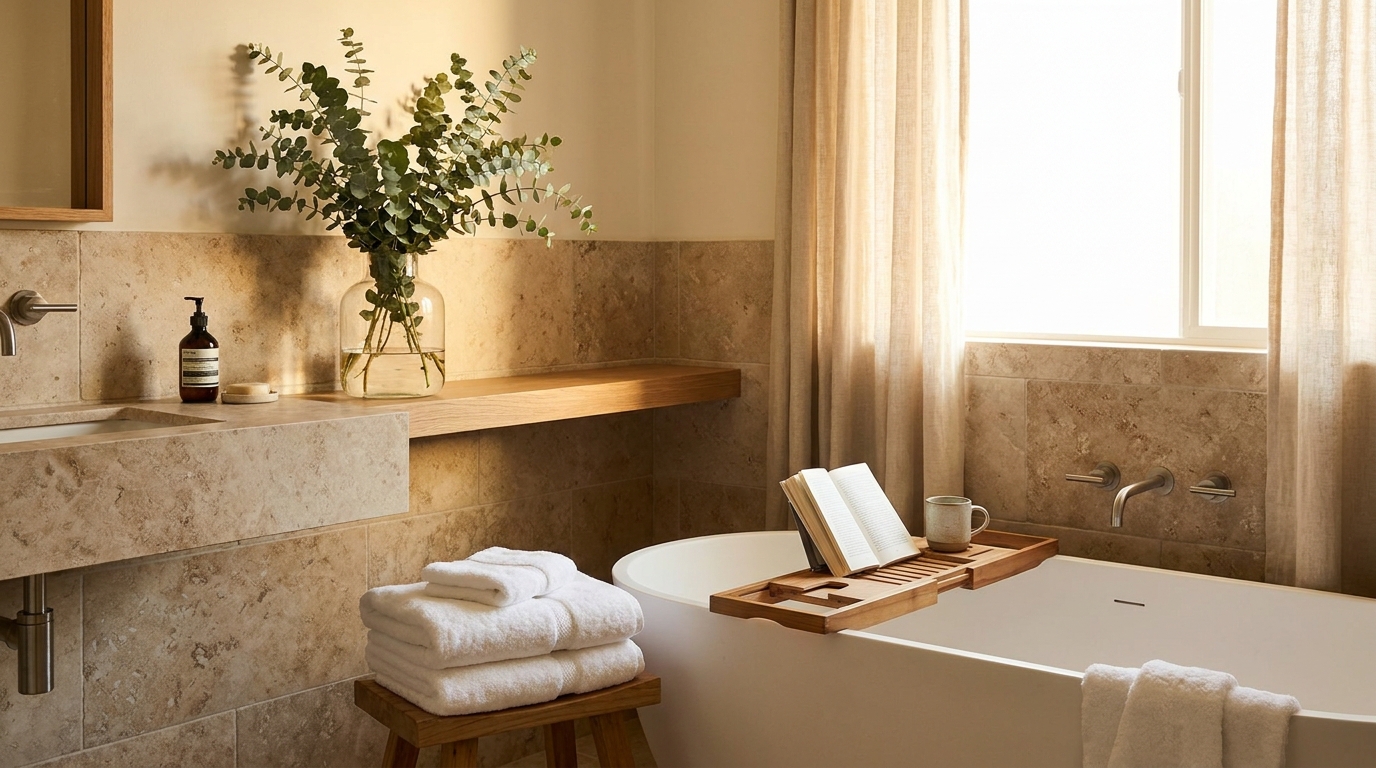
Start with textiles. Thick white or neutral towels, a soft bath mat, and a robe you genuinely enjoy wearing can change the emotional tone of the room almost instantly. These are simple items, but they have the hospitality-inspired quality that makes daily routines feel elevated. Keep them neatly folded or rolled so the room feels orderly rather than crowded.
Then look at what is visible. A wellness bathroom should not feel overstuffed with products. Decant everyday soaps into attractive dispensers if that makes the counter feel calmer. Store away items you do not need daily. Add one or two natural elements such as a small wooden stool, a stone tray, or a branch of eucalyptus if humidity conditions allow. The goal is not to decorate heavily. It is to create breathing room.
Shower and bath rituals matter too. If you have a tub, a bath tray, mineral soak, and soft lighting can turn an ordinary evening into something genuinely restorative. If you only have a shower, you can still create a spa mood with upgraded water pressure if possible, a clean shower curtain or glass enclosure, and a few minutes of unhurried care using warm towels afterward. This is a beautiful example of how wellness can be luxurious without being expensive.
For a look at what a fully realized version of this idea can become, Kingsgate Luxury Homes recently built exactly this kind of retreat into one of its custom North York residences — see the brass-fitted marble soaking tub and spa ensuite at 59 Alexandra Wood.
Do keep moisture control at the center of the plan. Ventilation in the bathroom is essential. No amount of candles or folded towels can compensate for a damp room with poor airflow. Run the fan, wipe down excess water if needed, and make sure towels dry properly between uses. Wellness is always more convincing when the practical details have been handled first.
Create a Sleep Sanctuary, Not Just a Pretty Bedroom
If the bathroom is where wellness rituals begin, the bedroom is where true recovery happens. This room deserves to be treated like the heart of your home retreat because sleep affects mood, focus, resilience, and stress in measurable ways. The CDC notes that enough sleep helps reduce stress and improve mood, which makes the bedroom one of the most powerful spaces to improve if your goal is mental restoration.
A resort-like bedroom does not need to be oversized or dramatic. In fact, the most soothing ones usually feel edited, quiet, and softly cocooning. Begin with the bed itself. Invest in the best sheets, pillows, and duvet you can reasonably afford. Breathable fabrics, layered bedding, and a mattress that supports your body well are not frivolous. They shape whether you wake up restored or depleted.
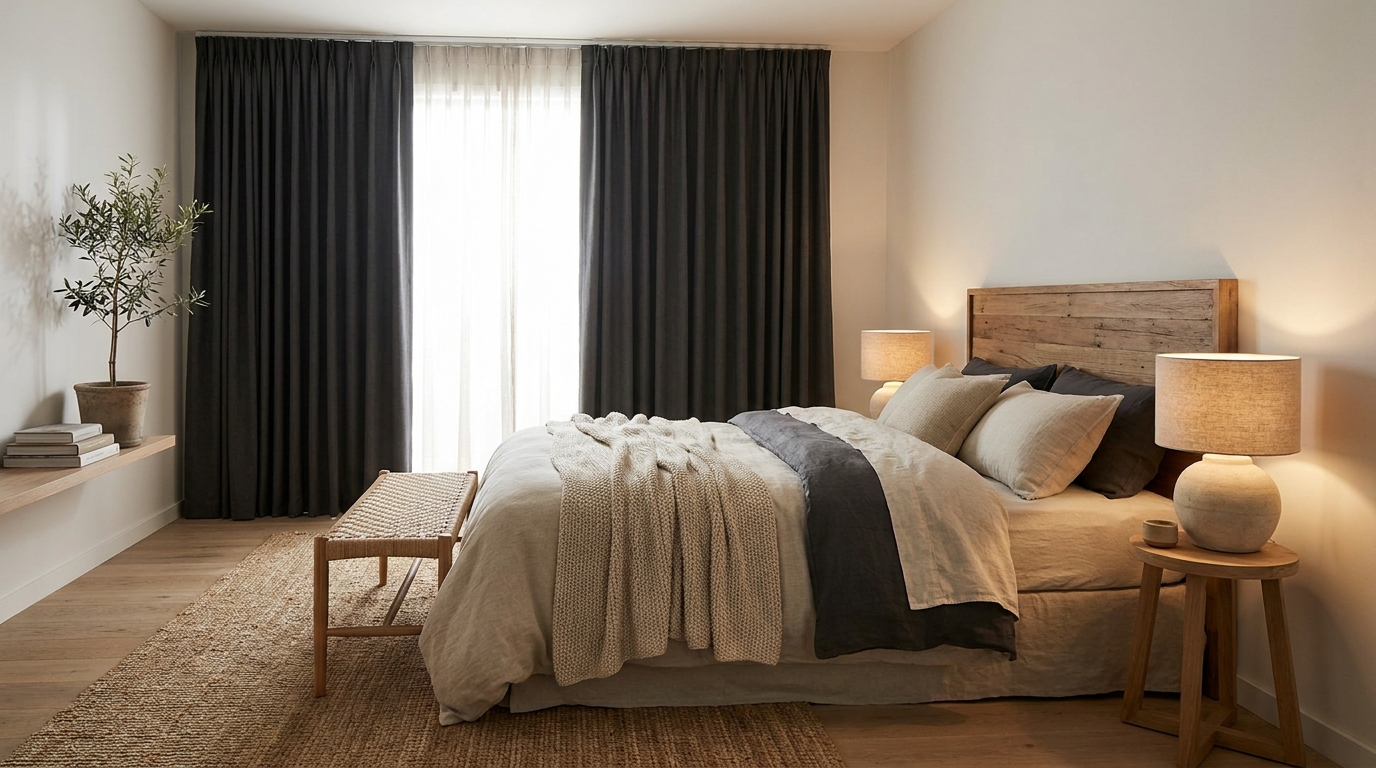
Then think about darkness. Blackout curtains or a lined drapery panel can make an enormous difference, especially in cities or homes with outdoor light exposure. They also add a luxurious softness to the room during the day. At night, they help reduce visual stimulation and support better sleep conditions. If full blackout is not possible, even room-darkening layers are worth adding.
Temperature and sound matter just as much as bedding. A cooler room generally feels more conducive to sleep than an overheated one, and that physical comfort can influence how quickly the body settles. If outside noise is a challenge, consider soft sound masking, a fan, white noise, or heavier textiles that absorb some echo. Complete silence is not always possible, but a quieter sound profile often is.
One of the loveliest shifts you can make is turning the bedroom into a lower-tech zone. Create a charging station elsewhere if possible, or at least reduce the habit of scrolling in bed under bright light. A book, a soft lamp, a carafe of water, and uncluttered surfaces signal a very different kind of evening. They suggest that the bedroom is for rest, not for endless stimulation.
In a wellness resort, sleep is never treated as an afterthought. At home, it should receive the same respect. The room where you end and begin each day deserves to feel protected, gentle, and profoundly comfortable.
Reduce Noise and Visual Clutter to Calm the Nervous System
Many people imagine wellness through the lens of products, but some of the most effective changes are subtractive. A quieter room, a clearer countertop, and fewer visual interruptions can make a space feel dramatically more peaceful. Clutter is not only a storage issue. It is a sensory issue. When every surface is full, the mind has more to process, even if you do not consciously notice it.
This does not mean your home needs to become minimalist or impersonal. The goal is not emptiness. It is selectivity. Keep the items that are useful, beautiful, or meaningful, and give the rest a home out of sight. In a wellness setting, what remains visible should feel intentional. A tray with tea things, a stack of books, a ceramic bowl, a lamp, and one branch of greenery can feel far more luxurious than a surface crowded with random objects.
Noise works in a similar way. Homes are rarely silent, especially in cities, family households, or apartment buildings. But there are gentle ways to soften the soundscape. Rugs, curtains, upholstered furniture, and bookshelves all help absorb harshness. Soft background music, nature sounds, or a small tabletop fountain can create a quieter emotional atmosphere even when complete acoustic control is impossible.
Wellness is often about reducing friction. Every little decision you make to simplify a room helps lower that invisible background tension. When the eye can rest and the ear is not constantly on alert, the body follows.
Bring in Nature in a Way That Feels Real and Restorative
Biophilic design has become one of the most talked-about ideas in wellness interiors, and for good reason. Nature-connected spaces often feel more grounding, more breathable, and more emotionally balanced. But the most successful version of this trend is not performative. It is subtle and sensory. It uses natural elements to make a room feel alive and comforting, not themed.
Plants are a wonderful place to begin if your space and schedule allow for them. A few healthy, well-placed plants can soften corners, bring visual freshness, and connect interior life to the outdoors. If plant care feels stressful, choose easy varieties or focus instead on natural materials and views. The point is not to add chores. It is to add life.
Wood, linen, cotton, wool, stone, rattan, and clay all bring a grounded feeling that synthetic finishes often lack. You do not need to replace everything at once. A wooden tray, linen curtains, a woven basket, or a stone soap dish can begin to shift the mood of a room. These materials age beautifully and tend to feel more tactile, which is part of their emotional appeal.
Natural light and outdoor views are also part of this conversation. Arrange furniture to make the most of a window if you can. Keep a chair near morning sunlight. Open blinds during the day so the home feels connected to weather, seasons, and time. Wellness at home is often about letting your environment feel more human and less sealed off.
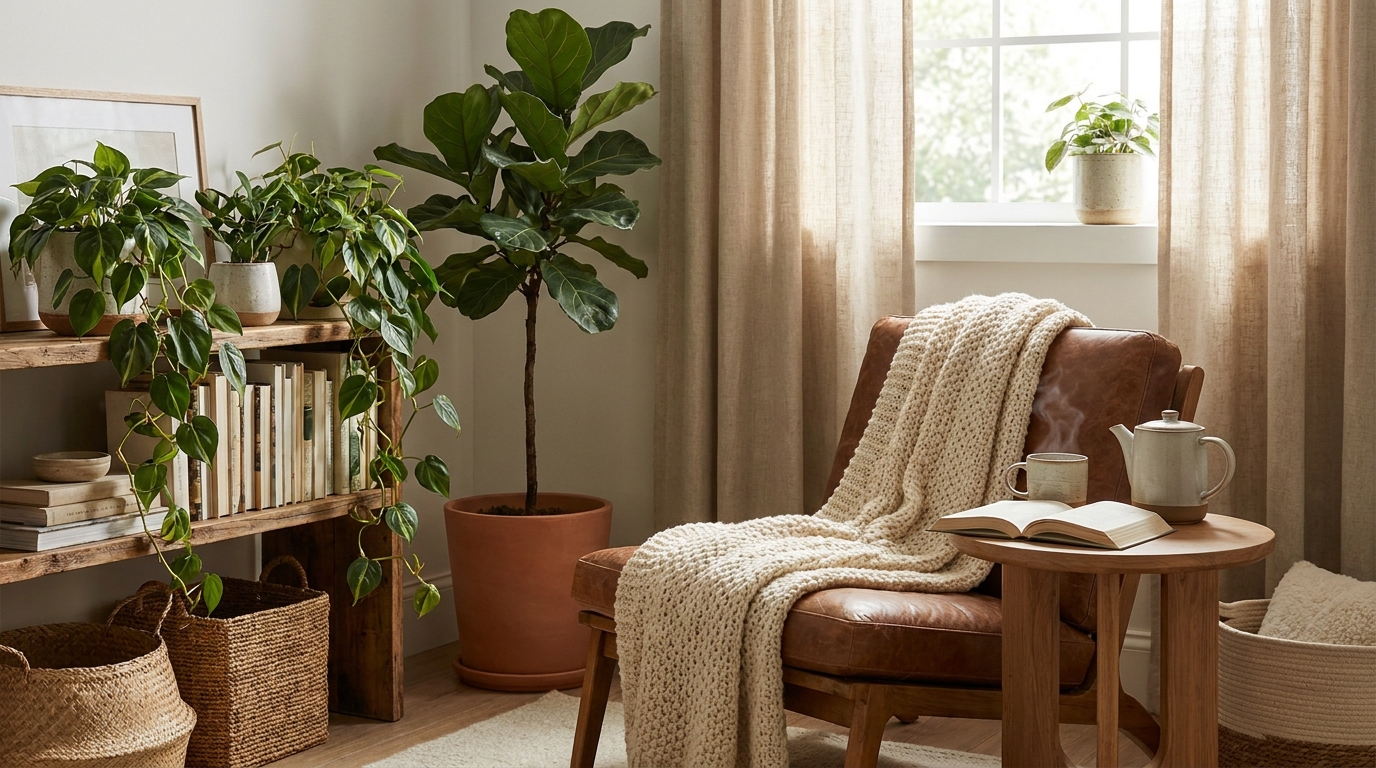
Even a small nature-focused corner can change the energy of a home. A comfortable chair, a throw, a plant, and a little side table for tea can become the place where you read, breathe, journal, or simply sit for five quiet minutes. Those spaces matter more than we sometimes realize.
Rethink Scent with a Wellness-First Mindset
Scent is one of the most emotionally powerful parts of a resort experience, but it is also one of the easiest to overdo at home. Many people assume that a spa-like atmosphere depends on strong candles, diffusers, or plug-ins in every room. In reality, heavy fragrance can quickly undermine the calm you are trying to create. For sensitive individuals, it can even trigger discomfort, headaches, or respiratory symptoms.
A better approach is to think of scent as a whisper. Start with cleanliness and fresh air. Washed sheets, dried towels, ventilated rooms, and a clean bathroom already create a subtle sensory comfort that reads as luxurious. From there, if you enjoy fragrance, choose one light, consistent note rather than layering many competing products. Soft eucalyptus, gentle lavender, cedar, neroli, or tea-based scents can feel elegant when used sparingly.
Consider where scent matters most. A lightly scented body oil after a shower, a linen spray used occasionally, or one candle in the living room during an evening ritual often feels more refined than perfuming the entire house. Wellness should remain flexible and breathable. People should be able to opt in rather than feel surrounded by it.
This is a lovely place to remember that luxury is often quiet. A home that smells simply fresh and calm can be every bit as transportive as one filled with dramatic fragrance, and usually more comfortable to live in every day.
Build Hospitality-Inspired Rituals Into Daily Life
What truly separates a wellness resort from an attractive home is not only design. It is service, rhythm, and care. At home, we can borrow that same feeling by shaping routines that make ordinary moments feel considerate and beautifully paced. These rituals do not need to be long. They just need to be consistent enough that your body begins to associate them with rest.
A morning ritual might include opening the curtains, making the bed, drinking water in natural light, and keeping the first few minutes of the day screen-light rather than phone-light. An evening ritual could mean tidying surfaces, dimming lights, showering, applying skincare slowly, and slipping into fresh sleepwear. These routines tell the nervous system what comes next, which is part of why they feel so grounding.
There is also real value in creating a few hospitality touches for yourself and your household. Keep a tray for tea or sparkling water. Store extra blankets in an easy, attractive basket in the living room. Place a small dish for jewelry by the sink, slippers by the bed, or a stack of fresh hand towels in the guest bath. These details feel generous and cared for, even though they are simple.
If you live with family or roommates, a wellness atmosphere can still be shared. A calmer entryway, a bedtime lamp ritual, a house rule about quiet after a certain hour, or a basket for charging devices outside bedrooms can shape the overall feeling of the home. Wellness design is not only individual. It can support the whole household.
What to Prioritize if You Are on a Budget
One of the biggest misconceptions about creating a wellness resort experience at home is that it requires a full renovation, custom millwork, or hotel-level spending. In reality, some of the highest-impact changes are inexpensive and renter-friendly. If you are working within a budget, focus first on the upgrades that affect comfort most directly.
- Improve sleep conditions. Prioritize bedding, room-darkening curtains, and warm bedside lighting. These changes support actual recovery and often feel luxurious immediately.
- Address air and moisture. Use ventilation, monitor humidity, wash textiles regularly, and reduce harsh fragrances. A fresh-feeling home is foundational.
- Edit clutter. Clear visual noise from key surfaces and create a little more breathing room in the rooms you use most.
- Layer soft lighting. Lamps and warm bulbs can make a dramatic difference without altering the structure of the space.
- Upgrade touchpoints. Better towels, a robe, a bath mat, slippers, and a comfortable throw add daily pleasure for relatively little cost.
- Add one restorative corner. A chair, a light, and a side table can become a meaningful retreat within even a small home.
These kinds of changes are especially encouraging because they are not tied to square footage. A studio apartment can feel deeply restorative. A family home can feel like a sanctuary. What matters is not how large the space is. It is how thoughtfully it supports the life happening inside it.
The Most Luxurious Homes Support Recovery
There is a quiet elegance to a home that helps you feel better. Not performatively better, and not temporarily distracted, but genuinely more rested, clearer, and more at ease. That is what the best wellness resorts understand. They do not rely only on fantasy. They create conditions that support recovery through light, quiet, comfort, temperature, beauty, and ritual.
Your home can do the same in ways that are modest, practical, and surprisingly transformative. It can be a place where the air feels fresh, where the bathroom invites a pause, where the bedroom protects sleep, and where natural textures and softer lighting help the day land more gently. It can feel luxurious because it is attentive, not because it is extravagant.
As wellness-centered living continues to grow, it is worth remembering that the most meaningful version of the trend is not about status. It is about support. It is about building a home that responds to modern stress with softness and function, and a home that understands rest is not a reward you earn after exhaustion. It is something your space can help you practice every single day.
If you begin with that mindset, even small changes start to matter. A dimmer lamp. A cleaner counter. A better pillow. A quieter corner. A fan running after a shower. A plant near the window. A habit of winding down before bed. Layer them together, and your home begins to offer something very close to a wellness resort experience. Not because it imitates one perfectly, but because it gives you what you were really seeking all along, which is the feeling of being restored where you live.


No Comment! Be the first one.