
Toronto’s Housing Plan Gets a Failing Grade From the People Living Its Consequences
A new poll out of Toronto tells a story that every city builder should be paying close attention to. Access to an affordable home is improving on paper, yet the lived experience for most residents has not caught up. Two in three Torontonians still call their access to an affordable home bad or terrible, and when asked to grade the city’s housing plan, forty per cent handed out a D or an F. That is not a confidence problem. That is a supply and delivery problem, and it sits squarely in the lap of anyone shaping how this city grows.
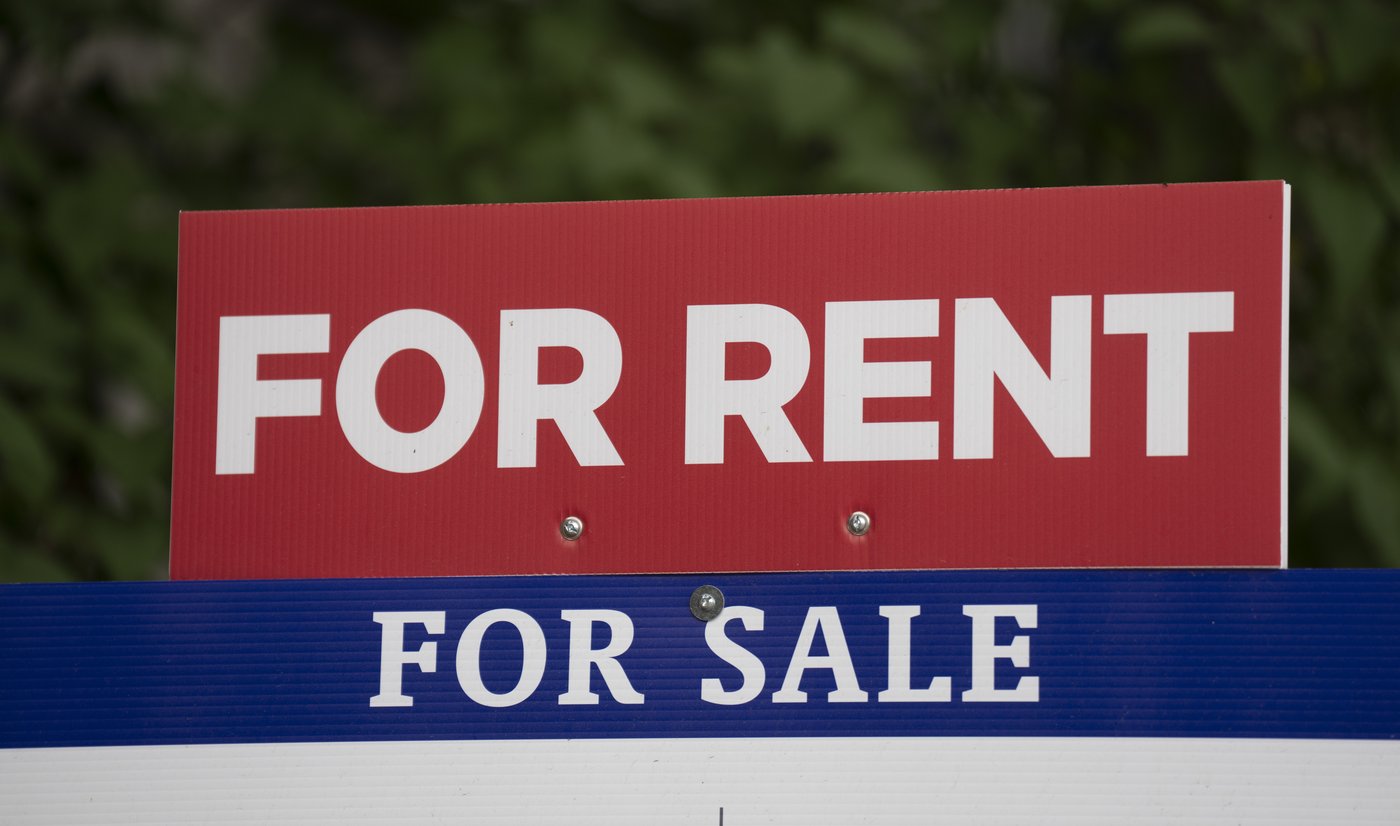
The numbers behind the sentiment matter more than the sentiment itself. Sixty per cent of Torontonians currently own, while thirty four per cent rent. Among the renters, seventy three per cent believe they will never own in this community, a figure nearly unchanged from a year earlier. That is a structural signal, not a mood swing. When three quarters of a city’s non owners see homeownership as permanently out of reach, it tells you the pipeline of attainable housing has not been built fast enough, in the right locations, at the right price points, for over a decade.
What stands out from a development strategy lens is the demographic shape of the frustration. The group that rates affordability the worst is not the youngest cohort starting out. It is residents aged thirty five to fifty four, people with established careers, growing households, and no realistic path to a down payment at today’s price levels. Karen Chapple of the University of Toronto’s School of Cities put it plainly: even with price declines, the affordable starter home of the 1960s through the 1980s has not returned, and incomes have not caught up to the cost of housing that remains. That is the gap land strategy and project feasibility need to close, and it cannot be closed by price correction alone.
We still have not found the affordable starter home that we used to have. Even with all the price declines we’ve seen, it’s not enough.
There is a wider regional pattern too. In the Greater Toronto Area, seventy nine per cent of non-owners say they will never buy, and affordability sentiment tracks close to the city core despite different supply conditions across Durham, York, Halton, and Peel. That regional consistency suggests the pressure is not isolated to one municipality’s zoning file or one council’s housing target. It is a corridor wide shortfall in the type of mid-density, moderately priced housing that used to anchor first time ownership, and it will not be solved by any single jurisdiction acting alone.
Pollster John Wright noted that affordability frustration is now showing up at the ballot box across municipal elections, from Toronto to Vancouver, even though local politicians have limited levers to pull against forces like supply chain costs and broader economic conditions. That is precisely why this data matters to anyone planning the next phase of growth here. Public patience with incremental promises is thinning. The cities and developers who can show a credible, fast moving path from approved land to completed, attainable units will be the ones who earn back that confidence. The ones who cannot will keep getting graded the way Toronto’s plan just was.
Source: CityNews Toronto