
Clear Skies Are a Reminder That Resilient Buildings Matter
A clear blue sky over Toronto can feel simple and restorative, but it also points to something more practical for city dwellers: clean outdoor air is no longer something buildings can take for granted. UrbanToronto recently featured a skyline photo looking up through downtown towers, paired with a pointed reminder that climate policy, wildfire readiness, and air quality are all connected. For homeowners, renters, designers, and developers, the lesson is not abstract. The buildings we live and work in need to be better prepared for both beautiful days and smoke-filled ones.

Wildfire smoke has become a recurring air quality issue across Canadian cities, including places far from active fires. That changes how we think about green building. Sustainability is not only about lowering emissions. It is also about protecting indoor health as the climate becomes less predictable. A well-designed home or condo should reduce energy use, but it should also help filter outdoor pollutants, control ventilation, and maintain comfort during heat and smoke events.
One of the most practical upgrades is mechanical ventilation with high-quality filtration. In many older homes and multi-unit buildings, fresh air is uneven, leaky, or dependent on opening windows. During poor air quality days, that is not a reliable strategy. Heat recovery ventilators and energy recovery ventilators can bring in outdoor air while limiting energy loss. When paired with MERV 13 filters where the system allows, or portable HEPA filtration in key rooms, they can make indoor spaces healthier without excessive energy penalties.
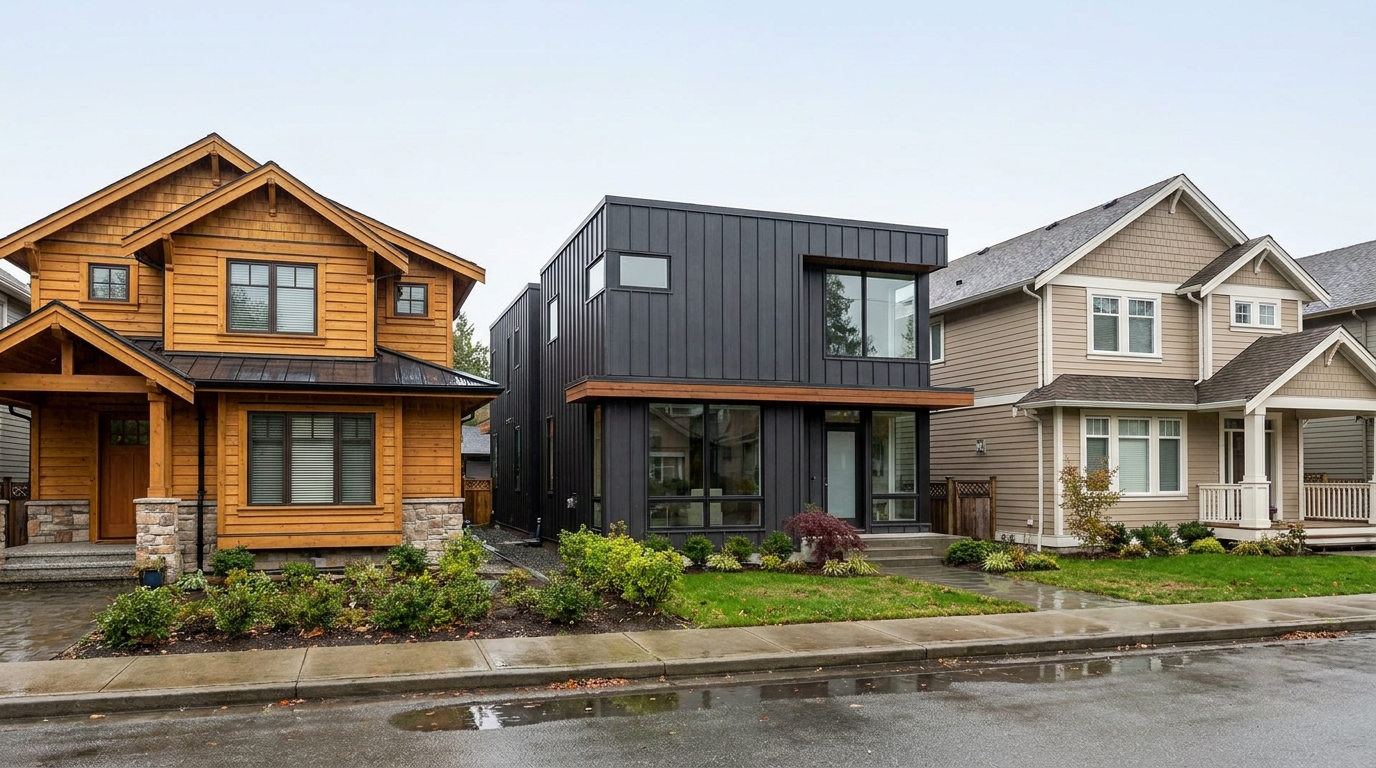
The building envelope matters as well. Better windows, improved air sealing, continuous insulation, and thoughtful shading reduce heat gain in summer and heat loss in winter. They also make it easier for filtration and cooling systems to work efficiently. A leaky building needs more energy to condition and clean the air inside it. A tighter, better-insulated building can maintain comfort with smaller systems and lower operating costs.
Resilience is becoming part of sustainability: a greener building should also help people stay healthy when outdoor conditions are less reliable.
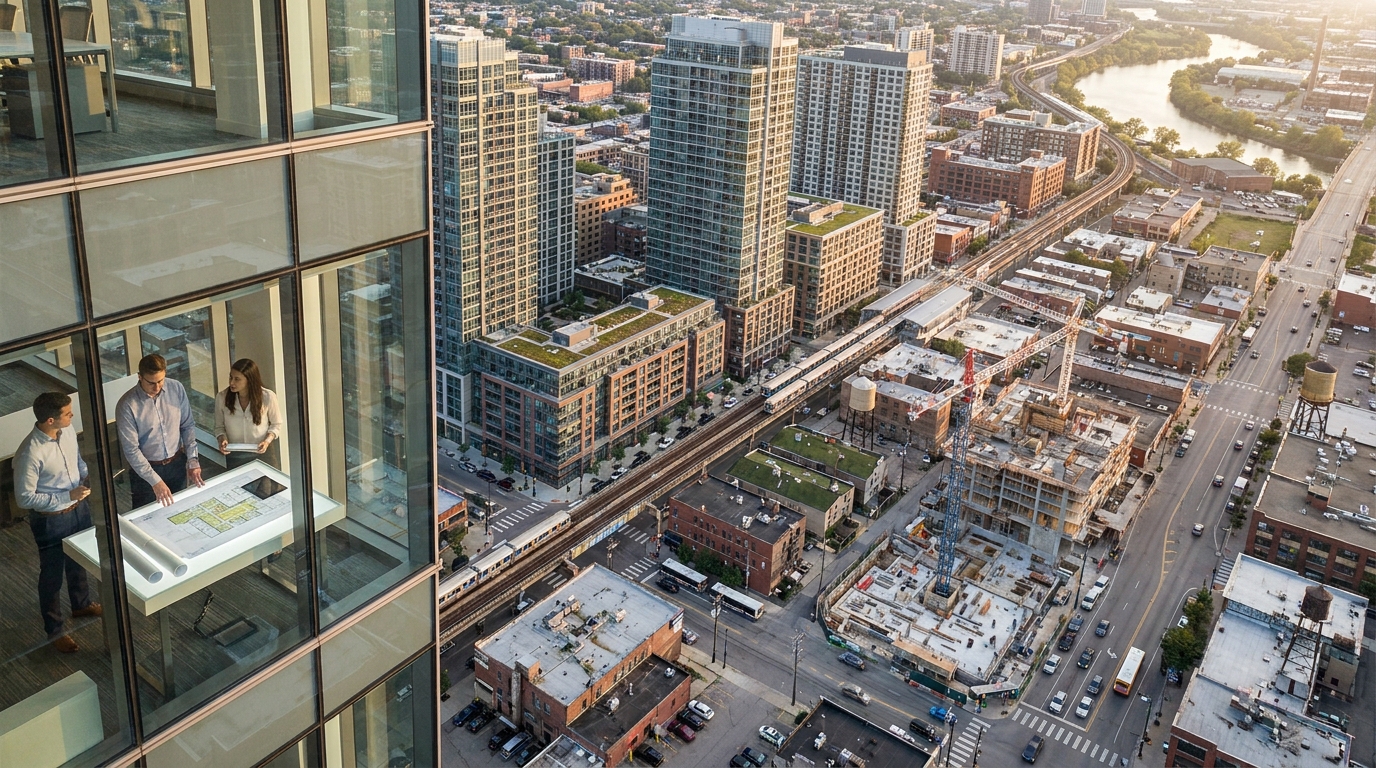
For cities like Toronto, density also has an environmental role to play. Tall buildings and compact neighbourhoods can support lower-carbon lifestyles by making transit, walking, and shared infrastructure more viable. But density needs to be paired with climate-aware design. That means low-carbon materials where possible, efficient all-electric systems, shaded public spaces, green roofs, reflective surfaces, stormwater planning, and urban tree canopy protection. The skyline can grow, but it should grow with performance in mind.
For readers planning a renovation, the most useful first step is to look at the home as a system. Air sealing before replacing mechanical equipment, filtration before relying on open windows, shading before oversized cooling, and efficiency before adding new energy demand. For condo buyers, questions about ventilation, filtration, envelope performance, backup power, and heat resilience are becoming as relevant as finishes and floor plans.
Clear skies are worth appreciating. They are also a reminder that clean air, comfort, and energy performance are connected. Better buildings cannot solve every environmental challenge, but they can make daily life healthier, more efficient, and more prepared for the conditions ahead.
Source: UrbanToronto