


Toronto’s Ashbridges Bay Investment Shows Infrastructure Is the Real Growth Plan
Every city that wants to keep growing eventually has to answer a less glamorous question than “where will the new housing go.” It has to answer “where will the water go.” Toronto just gave its answer. The city has selected Stantec to design and administer construction of a new High Rate Treatment Facility at the Ashbridges Bay Wastewater Treatment Plant, a 600 million litre per day plant built to handle excess flows during wet weather events. It is easy to read this as a utilities story. I read it as a development story, because no amount of waterfront ambition or intensification planning survives contact with an undersized sewer system.
This facility is being built on the new landform at Ashbridges Bay, and it is described as one of the final major pieces of the Don River and Central Waterfront Wet Weather Flow System, which the city itself calls the largest wet weather management program in its history. That framing matters. Programs of this scale are not reactive maintenance. They are long horizon capital commitments that quietly determine what can and cannot be built above ground for decades afterward. Reducing combined sewer overflows into the Lower Don River, Taylor Massey Creek, and the Inner Harbor is not just an environmental cleanup exercise, it is groundwork for continued waterfront revitalization and the density that policymakers keep saying they want closer to the core.
Stantec’s own project lead, Jeff Berg, framed the investment around protecting water quality, safeguarding public health, and strengthening climate resilience. From a development strategy lens, that resilience framing is the part worth sitting with. Climate volatility is no longer a footnote in feasibility studies, it is a line item. Wet weather infrastructure like this is what allows a city to keep approving waterfront and near-waterfront projects without every heavy rain event becoming a liability conversation for insurers, planners, and residents alike.
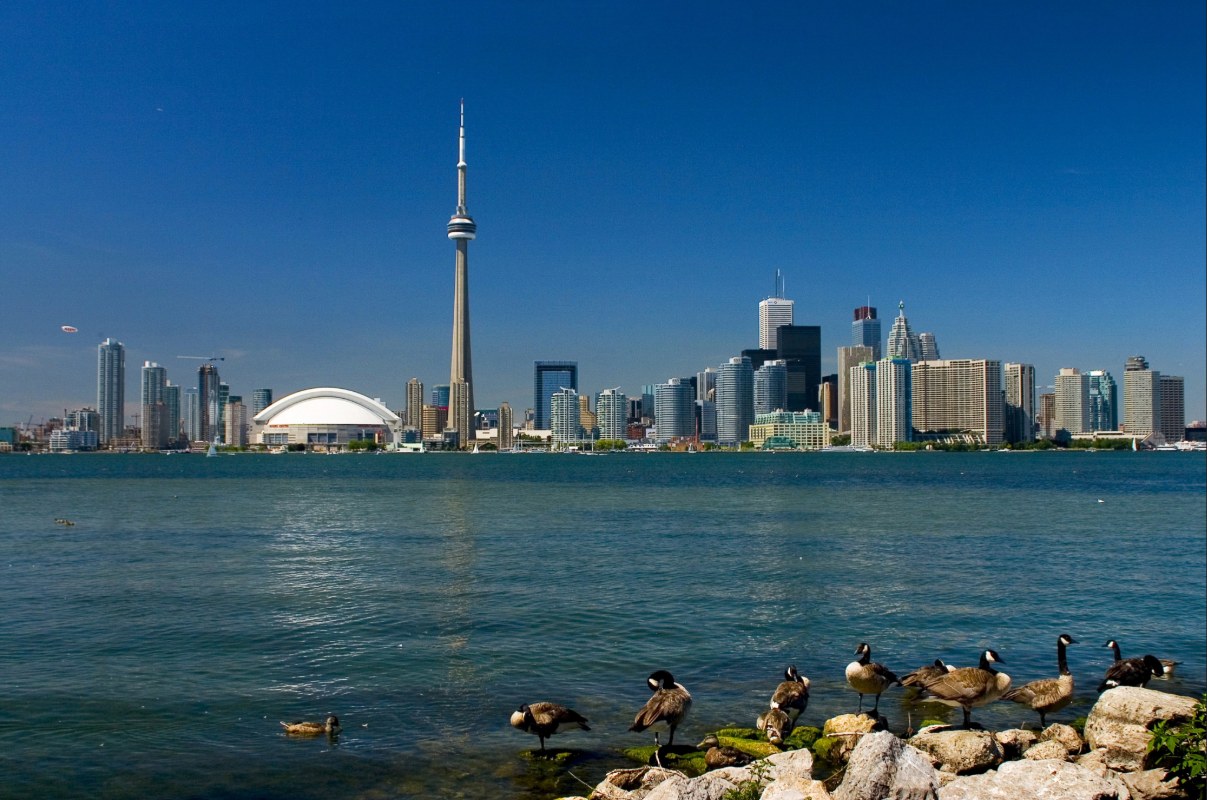
Toronto is making an important investment in protecting its waterways and preparing its infrastructure for the future.
The delivery method is also worth a note for anyone tracking how large civic projects get de-risked. Stantec and the city are using a construction manager at risk model, bringing the builder into the room during design rather than after. That is the same collaborative approach increasingly favored on major private developments, because it tends to catch cost and schedule problems before they become expensive surprises. It is a sign that even municipal water infrastructure is borrowing playbooks from large scale private development, which tells you something about how seriously the city is treating execution risk on a project that will not finish until 2036.
Stantec’s history here reinforces the pattern. This is the same firm behind phases of Toronto’s Basement Flooding Protection Program and sections of the Gardiner Expressway rehabilitation. Cities do not hand repeat, decade spanning infrastructure mandates to firms without a track record of delivering under real constraints. For anyone evaluating Toronto as a place to plan, build, or invest over the next ten years, this is the kind of unglamorous commitment that ultimately underwrites the growth story everyone else gets excited about.
Source: Water Finance & Management