


SoMa’s Office Market Signals a Turn: What Cognition’s $26B Lease Tells Investors
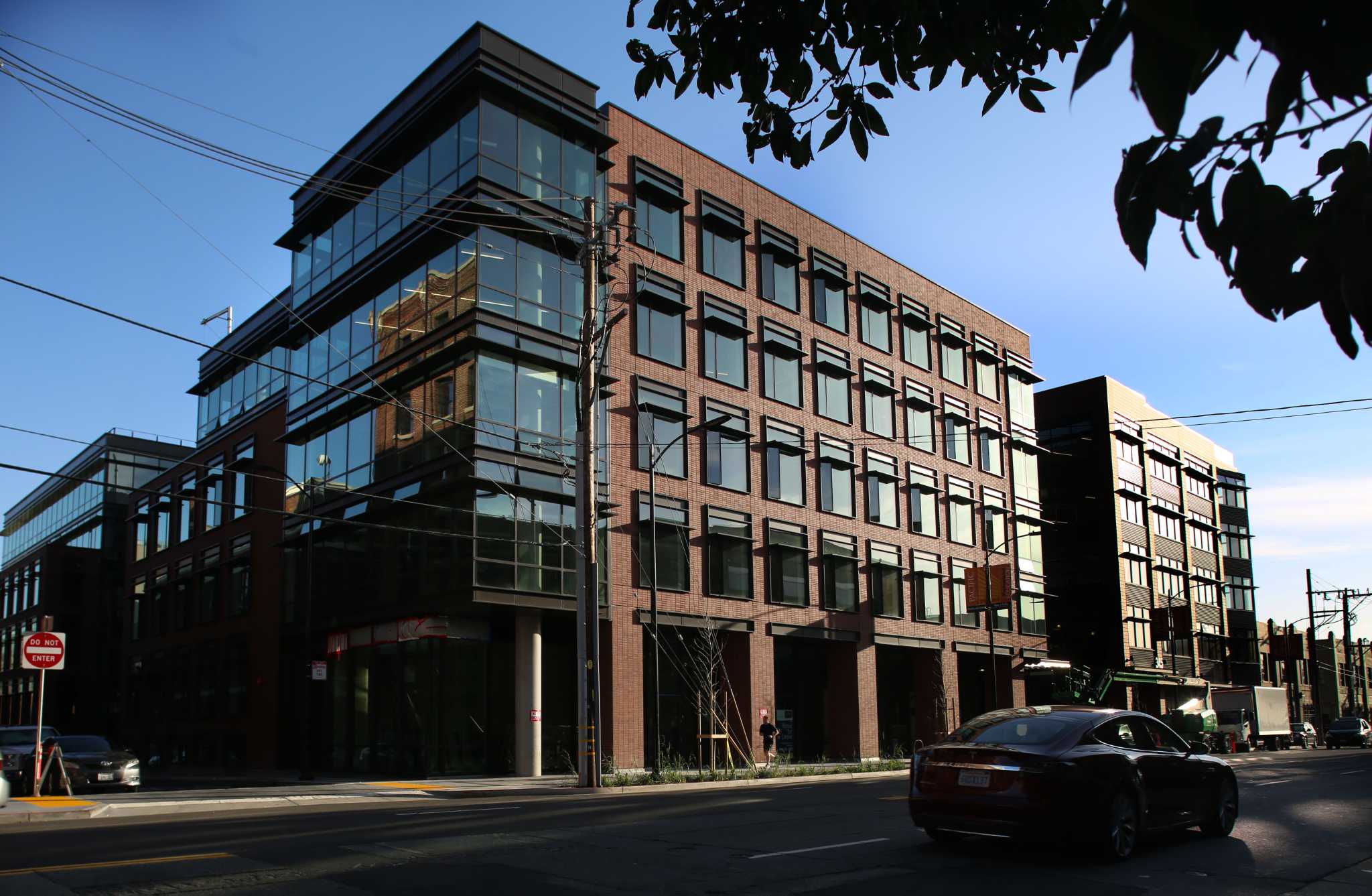
Commercial real estate tells its story through absorption, not headlines. So when a $26 billion AI company signs a five year sublease for 180,000 square feet in a San Francisco building once left for dead, savvy investors should be paying close attention. Cognition, the startup behind the AI coding agent Devin, has taken over the sublease at 333 Brannan St., a property that formerly anchored Cruise’s sprawling South of Market campus. This is not just a real estate footnote. It is a market signal.
Consider the scale of the move. Cognition is expanding its San Francisco footprint more than sevenfold, from a modest 25,000 square feet in South Park to a full 180,000 square feet in SoMa. That growth tracks almost exactly with the company’s valuation trajectory, which climbed from roughly 4 billion dollars in March 2025 to 26 billion dollars after a raise of more than 1 billion dollars in May 2026. When capital moves that fast into a company, real estate follows. That correlation is exactly what disciplined investors should be tracking across the AI sector right now.
The location matters just as much as the tenant. SoMa was among the hardest hit submarkets in San Francisco’s post 2020 office retreat, a neighborhood that went from bursting at the seams to carrying some of the city’s highest vacancy. A well capitalized, high growth tenant choosing to backfill a large vacated block in that exact submarket is the kind of leasing activity that shifts sentiment long before it shifts headline vacancy statistics.
If leasing continues at this pace, 2026 may end the year with a record level of office leasing volume.
That line, from Colliers regional research director Derek Daniels, is the kind of commentary investors should weigh carefully. He frames this deal as part of a broader pattern of AI occupiers scaling into large blocks of office space, with demand pushing further into SoMa rather than concentrating only in the city’s traditional core. For anyone underwriting office assets or evaluating distressed sublease opportunities in San Francisco, that broadening demand base is the variable that changes risk assumptions.
There is also a cautionary thread here worth noting. Cruise, the tenant this space is being vacated by, went from an ambitious robotaxi operator to a company gutted after a 2023 incident triggered regulatory suspensions and a retreat by General Motors. Cruise still has two other large blocks on the sublease market nearby, one of which has sat vacant since 2024. Capital cycles in tech are unforgiving, and today’s high growth tenant is never guaranteed to be tomorrow’s anchor. Investors watching this recovery should treat it as an encouraging data point, not a guarantee.
Still, for those tracking San Francisco office fundamentals as a potential value opportunity, this lease is a meaningful marker. Large scale AI tenants committing real capital to physical space, in a submarket previously written off, is exactly the kind of demand signal that precedes a repricing of distressed commercial assets. The opportunity, as always, belongs to those who read the signal early.
Source: San Francisco Chronicle