


Edmonton Garrison Shows How Institutional Housing Can Become a Supply Strategy
The opening of 36 new apartment homes at Edmonton Garrison is a small delivery number in a large housing market, but the signal is bigger than the count. As reported by CityNews Edmonton, the Canadian Forces Housing Agency has unveiled six net-zero-emission-ready apartment buildings on the base, with a federal plan targeting 1,100 military homes in Edmonton by the mid-2030s.
For developers, planners, and public-sector landholders, the important story is not simply that soldiers and their families have new units. It is that an institution with a defined housing need, controlled land, stable demand, and long-term operating responsibility is moving toward a more intentional housing pipeline. That is where Canadian housing strategy increasingly has to go.

Military housing is a distinct asset class, but the pressures around it are familiar. The base commander told CityNews Edmonton there are long waitlists for soldiers seeking housing, with an estimated 350 people already waiting for units. In practical terms, that is a recruitment, retention, and operational readiness issue. In urban development terms, it is also a supply mismatch issue: housing demand is predictable, but delivery has lagged the needs of the population it is meant to serve.
This matters because major employers, governments, universities, hospitals, and transit agencies are all facing the same strategic question. If workforce housing cannot be assumed to exist in the surrounding market, institutions either absorb the cost through turnover and instability, or they begin treating housing as core infrastructure. Edmonton Garrison is a federal example of the latter.
Institutional housing is no longer a fringe benefit. In high-pressure markets, it is becoming part of workforce infrastructure.
The net-zero-ready component also points to where public-sector development standards are moving. These apartments are highly efficient and designed with future solar, electric vehicle charging, and renewable energy potential in mind. They are not yet producing their own power, but the design direction is clear: publicly delivered housing will increasingly be expected to reduce long-term operating costs, withstand climate pressure, and align with federal emissions targets.
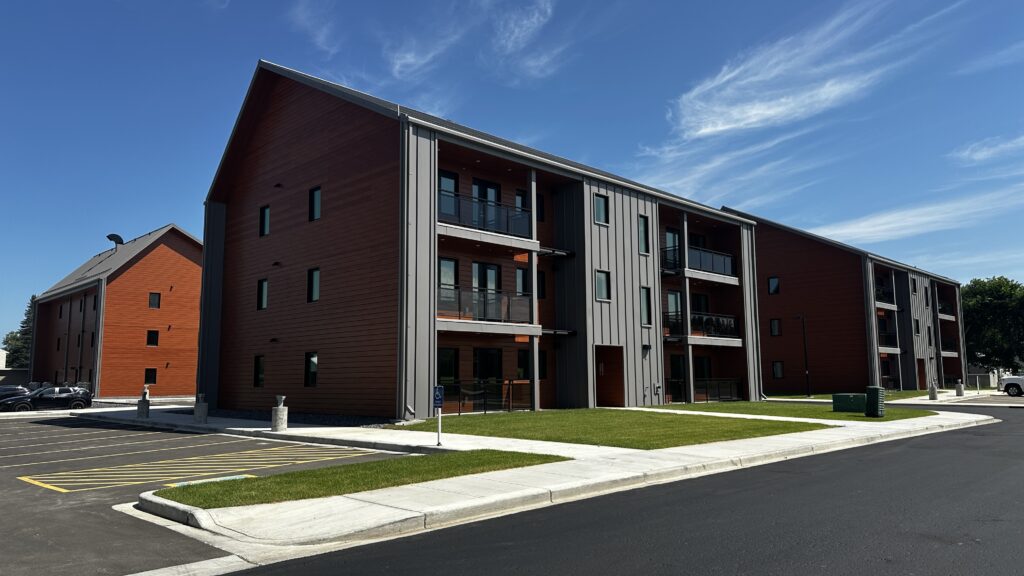
That has direct feasibility implications. Higher efficiency standards can increase upfront capital requirements, but institutional owners often have a different investment horizon than merchant builders. They can justify lifecycle savings, tenant stability, and asset durability in ways that short-term pro formas often do not capture. For public land development, this is a critical distinction. The land is not being traded for maximum immediate value. It is being used to solve a long-term operating problem.
The next phase will be worth watching. The housing agency has already opened a bidding process for another 36 units at the Garrison. If procurement can move consistently, the base becomes more than a one-off project. It becomes a phased delivery model, where land control, demand certainty, and standardized building requirements can support repeatable housing production.
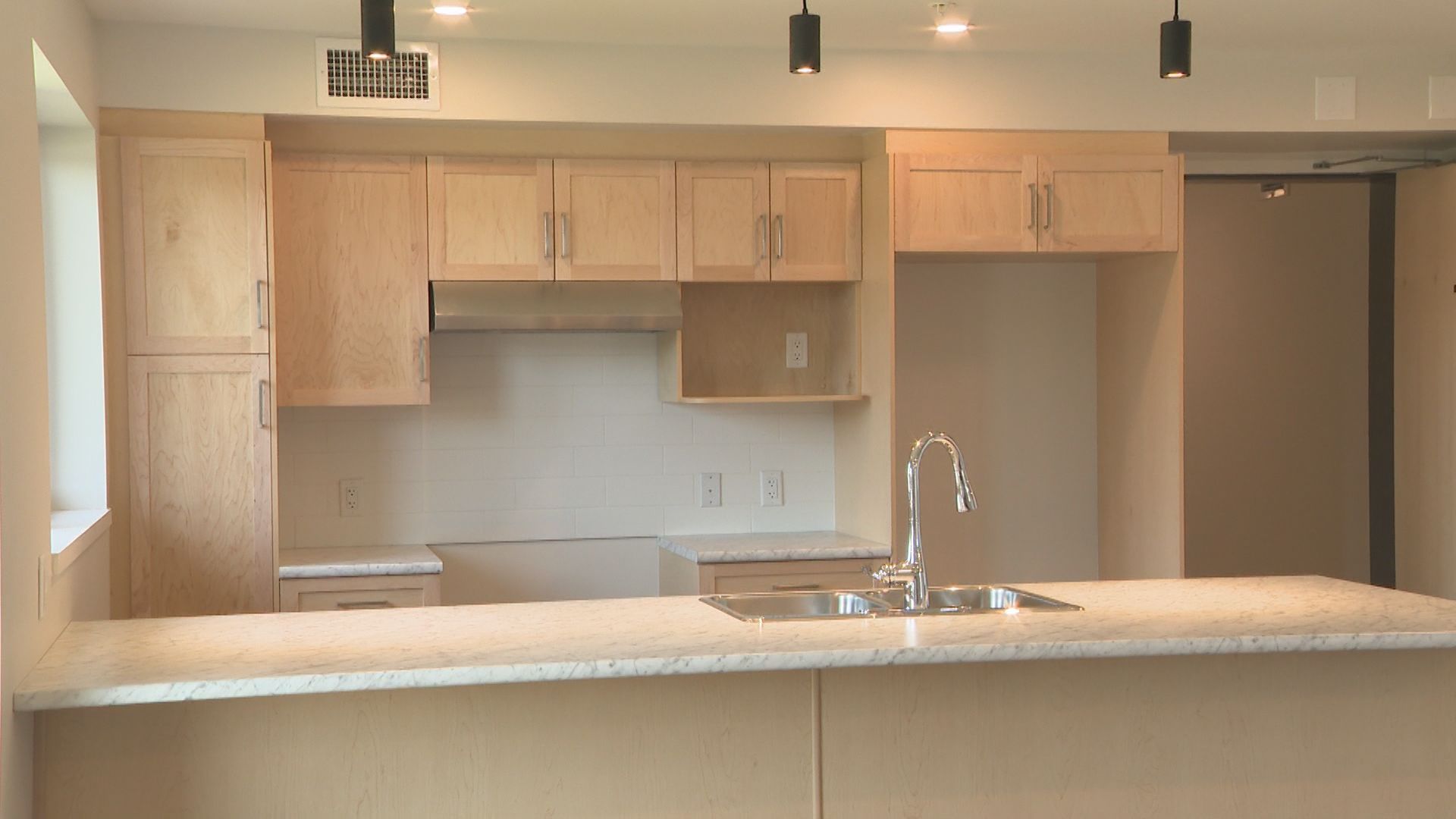
The broader lesson is that housing supply cannot be left only to conventional market absorption, especially where the user base is known and the consequences of shortage are measurable. Developers should watch how federal landholders package future projects, what performance standards become mandatory, and whether procurement supports scale rather than isolated delivery. Planners should watch how these projects interact with municipal infrastructure, transportation access, and regional growth patterns.
Edmonton Garrison may be a military site, but the strategic question extends well beyond the base. Across Canada, the institutions that control land and depend on people will have to decide whether housing is someone else’s problem, or part of their own growth mandate.
Source: CityNews Edmonton