

The Hidden Risk in Pre-Construction Deals: What the Tarion Fraud Payouts Teach Investors
Every real estate decision carries risk, but the type of risk matters. Market risk can be modeled, hedged, and timed. Fraud risk cannot. A recent case out of the Greater Toronto Area is a sharp reminder that even the most disciplined buyers can be exposed when the underlying transaction itself is not what it claims to be.
A group of pre-construction buyers, including a Brampton grandmother who lost nearly thirty thousand dollars, have started receiving partial reimbursements from Tarion, the organization that backstops Ontario’s new home warranty program. The buyers allege they were victims of a scheme in which deposits were taken for homes the seller had no legal right to sell. Seven claims have now been approved, totaling more than three hundred thousand dollars in payouts, while four were denied and one remains under review.
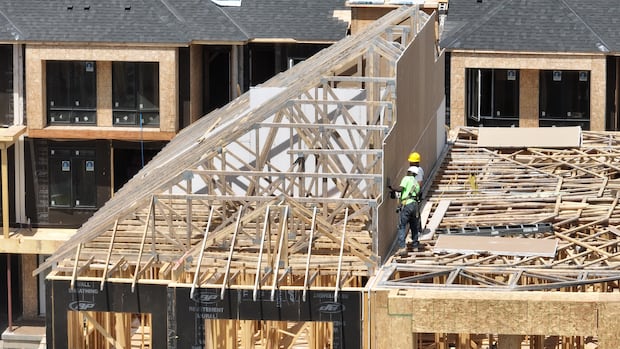
For investors, the interesting part is not the fraud itself. It is what the reimbursement decision reveals about how risk is actually distributed in a pre-construction transaction. Tarion’s deposit protection was built to cover buyers when a licensed builder breaches an agreement or becomes insolvent. It was never designed with an unlicensed, fraudulent vendor in mind. Yet the organization found that one claimant met the criteria for protection anyway, because the core facts, a signed purchase agreement, a home that was never delivered, and a deposit that was never returned, lined up with the plan’s language. That is a meaningful precedent, and one that changes how buyers should think about their downside protection.
There is a catch worth underlining for anyone allocating capital into a pre-sale contract. The lawyer representing several of the affected buyers noted that roughly half of the more than one hundred purchasers who contacted him made payments to a third party rather than the named vendor on the agreement. Those claims are more likely to be denied. In other words, the structure of how a deposit is paid, and to whom, is not paperwork detail. It is the difference between a recoverable loss and a permanent one.
These aren’t wealthy investors who have lost a deposit on their thirteenth property. These are everyday people who had a dream of owning a home.
That quote, from the buyers’ lawyer, is worth sitting with even if your portfolio looks nothing like these claimants’. Pre-construction deposits function like unsecured, illiquid positions with no yield and, until now, uncertain downside protection. Tarion’s current coverage caps deposit protection at ten percent of the purchase price for homes over six hundred thousand dollars, up to a maximum of one hundred thousand dollars. A new registration requirement, introduced earlier this year, gives buyers forty five days to register a purchase with Tarion, with unregistered buyers falling back on a separate fund capped at fifteen million dollars annually across the whole province. Anyone deploying capital into pre-sale inventory should treat that registration step as a non-negotiable part of the transaction, not an administrative afterthought.
The broader lesson for disciplined buyers and investors is straightforward. Confirm the vendor named on the agreement is the same entity licensed to build and sell. Confirm every deposit payment is made directly to that named entity, never to an individual or an unrelated numbered company. Register the purchase promptly. None of this eliminates market risk, timing risk, or interest rate exposure, the factors that genuinely separate strong deals from weak ones. But it closes off a category of loss that has nothing to do with the merits of the investment and everything to do with who is actually standing behind it. As this case continues through appeals at the Licence Appeal Tribunal, it is likely to shape how much protection future pre-construction buyers can count on, and that makes it worth watching closely.
Source: CBC News