
Queens Quay East Shows the Cost of Building Density Before Infrastructure
Queens Quay East is not just a waterfront transit story. It is a development sequencing lesson. Toronto allowed a high-value growth district to urbanize around a promised streetcar that did not arrive with the housing, institutional investment, public realm work, and land value escalation it was meant to support. As UrbanToronto recently outlined, the long-delayed Waterfront East LRT has become a clear example of how infrastructure lag can weaken the performance of otherwise strong city-building plans.
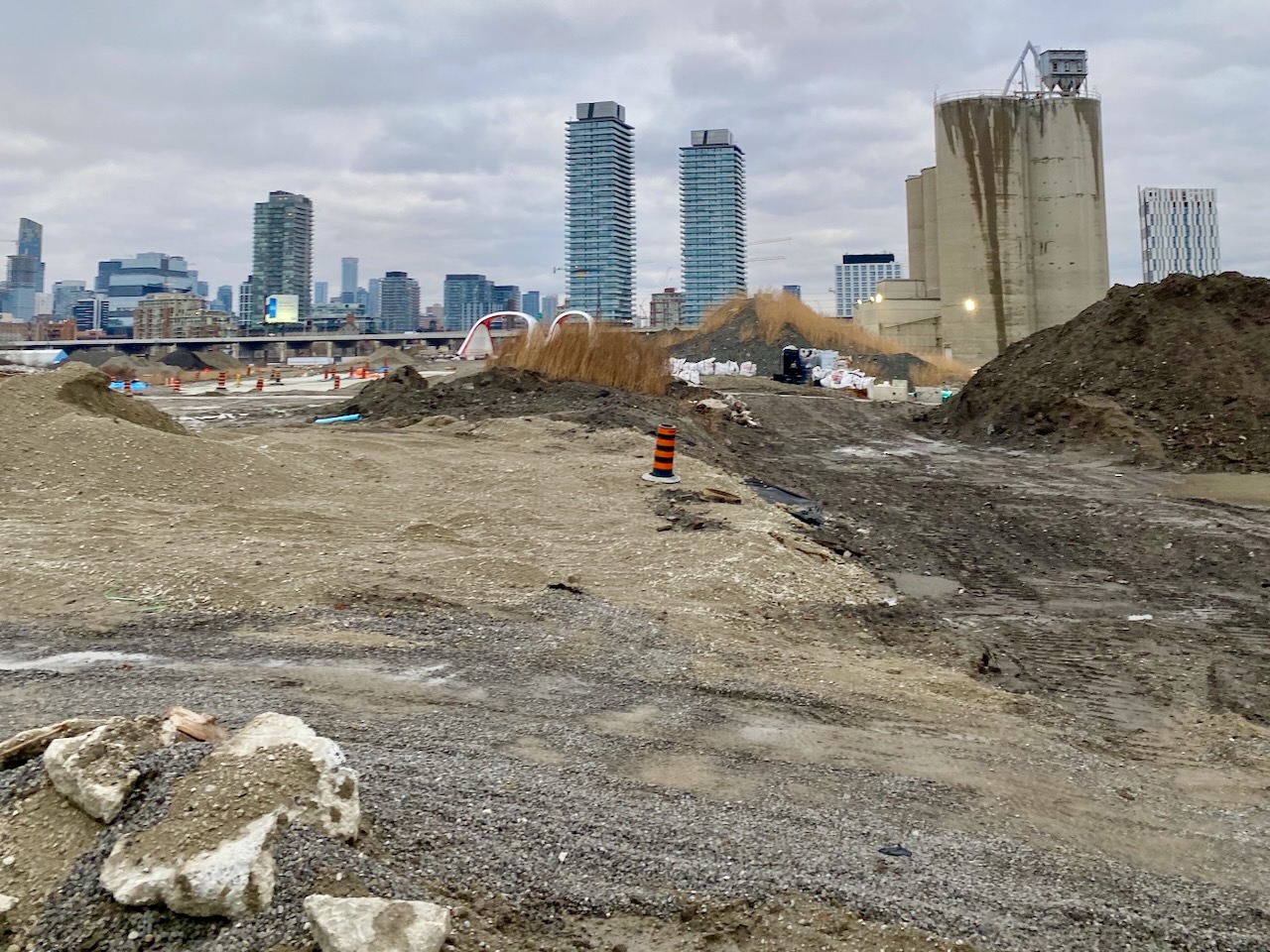
The eastern waterfront has many of the ingredients developers and planners look for: proximity to downtown, major public land holdings, waterfront identity, institutional anchors, and long-term redevelopment capacity in nearby precincts such as the Port Lands and Quayside. What it has lacked is the transit backbone required to convert those assets into a fully integrated urban district. Buses have filled the gap, but they were never the mobility framework around which Queens Quay East was planned.
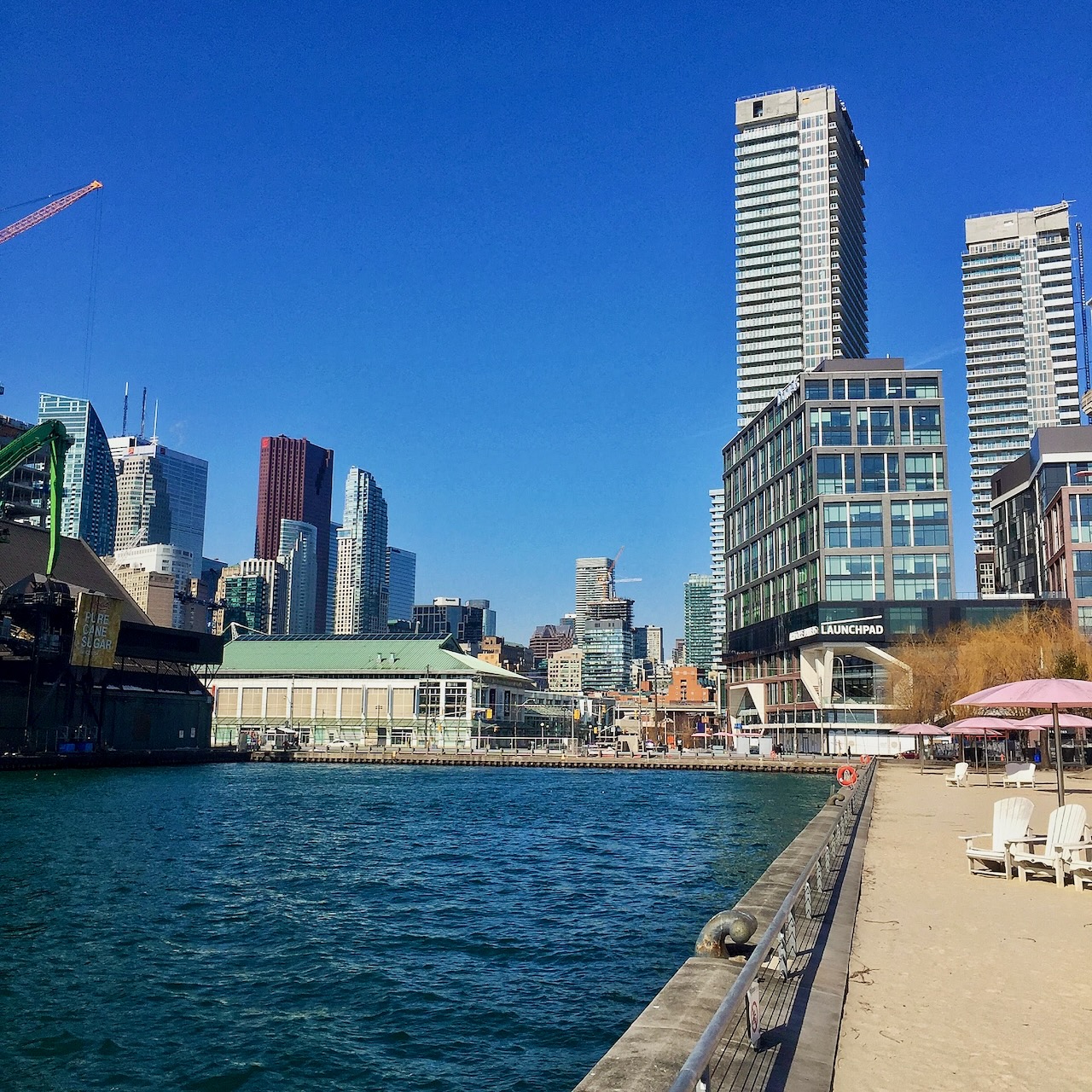
For developers, this matters because transit certainty is not cosmetic. It affects absorption assumptions, parking strategy, retail viability, resident expectations, phasing, and the willingness of capital to underwrite density at scale. A waterfront condominium site may still sell without an LRT, but the broader district functions differently when thousands of residents are dependent on interim service in a corridor physically separated from the rest of downtown by the Gardiner Expressway and the Union Station Rail Corridor.
The policy issue is larger than one streetcar line. Toronto has repeatedly approved or encouraged growth in places where the infrastructure schedule is less certain than the development pipeline. That produces a timing mismatch. Density arrives parcel by parcel, while transit, schools, parks, utilities, and road redesigns often depend on multi-government funding cycles and political windows. The result is a city where land use permissions can move faster than the systems required to support them.
Transit is not an amenity added after density. In a serious growth district, it is part of the development logic from day one.
The Waterfront East LRT is now moving forward because the Port Lands and Ookwemin Minising require a stronger connection to the core. That is a positive signal, but it also confirms the original problem: infrastructure became urgent only after the development case was already obvious. In a stronger planning model, public investment would have been synchronized with zoning capacity and market delivery, allowing the transit line to shape growth rather than chase it.
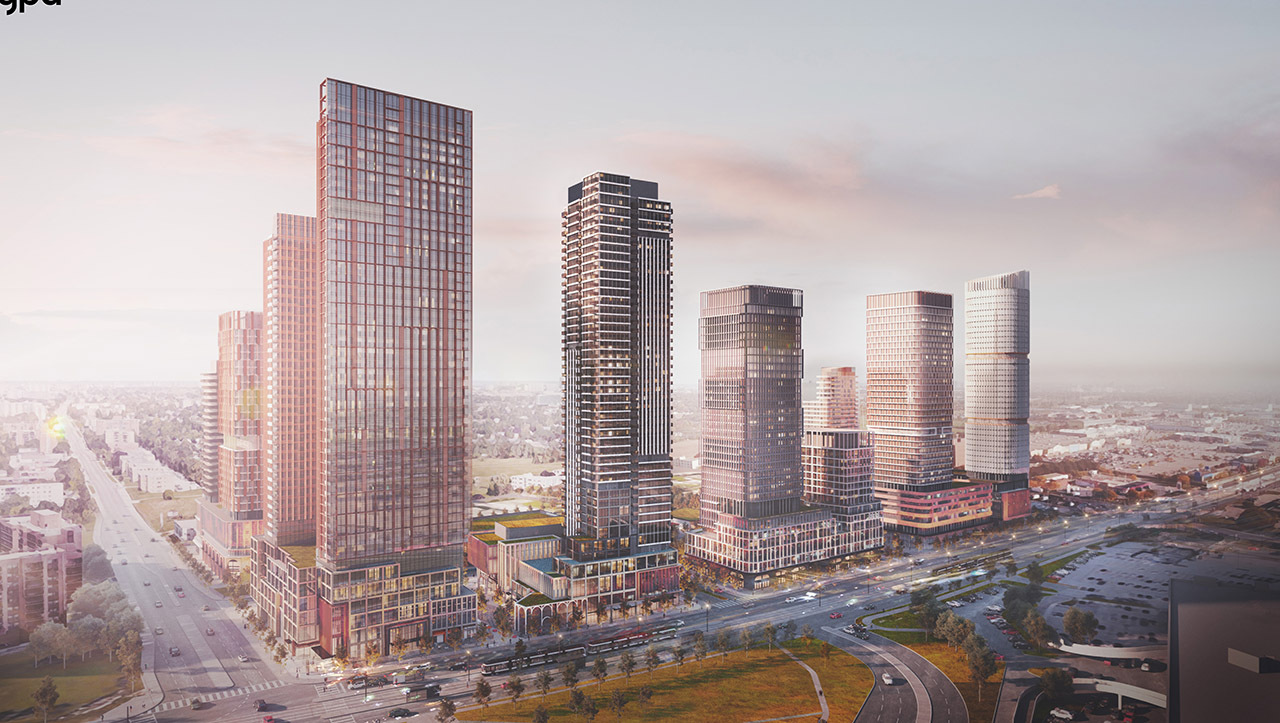
This is why the comparison to the Golden Mile is important. Along Eglinton Avenue East, Line 5 creates a different development equation. Low-density commercial lands can be repositioned into master-planned, transit-oriented communities with the rapid transit investment already embedded in the corridor’s future. That does not eliminate execution risk, especially around phasing, affordability, servicing, and public realm delivery, but it gives landowners and municipalities a firmer platform for intensification.
East Harbour, the Broadview extension, and growth west of the Stockyards should be read through the same lens. If Toronto wants these districts to carry real housing supply, it cannot treat transit as a later-stage upgrade. Developers will price uncertainty into land. Residents will experience it in daily mobility. Politicians will inherit pressure from communities that were sold density without the infrastructure required to make it livable.
The strategic takeaway is direct. Toronto’s next generation of growth areas must be evaluated not only by zoning permissions or unit counts, but by infrastructure readiness. Land with transit certainty will command stronger long-term value. Land dependent on unfunded promises will carry higher risk, slower maturation, and greater political exposure. Queens Quay East is still a major city-building opportunity, but it also stands as a warning: when infrastructure follows growth too late, the market may build, but the city underperforms.
Source: UrbanToronto