



Making a home more sustainable does not always begin with a major renovation. In many cases, it starts with a series of smaller, thoughtful decisions that improve how a house works day to day. Water-efficient fixtures are a strong example of this approach because they can reduce waste, lower monthly bills, and support a more resilient home without making everyday routines feel inconvenient. For many households, they offer a rare combination of environmental value and immediate practicality.
Table Of Content
- Why Water-Efficient Fixtures Matter More Than Many Homeowners Realize
- Understanding Water-Efficient Fixtures and Why Certification Matters
- The Biggest Opportunities Are in the Bathroom
- Showerheads: A Small Change with Surprisingly Strong Returns
- Bathroom Faucets and Aerators: Quiet Efficiency That Adds Up Daily
- Toilets: The Upgrade with Some of the Largest Water Savings
- The Comfort Myth: Why Low-Flow No Longer Means Low Satisfaction
- The Energy-Water Connection: Why These Upgrades Lower More Than Water Bills
- Why Water Efficiency Is Also a Home Maintenance Issue
- How to Choose the Right Water-Efficient Fixtures for Your Home
- A Simple Prioritization Framework
- What Canadian and North American Homeowners Should Keep in Mind
- Beyond Fixtures: Habits and Supporting Upgrades That Strengthen Results
- Common Misconceptions That Still Hold People Back
- Making the Upgrade Feel Manageable
- Conclusion: A Greener Home Can Begin with the Fixtures You Use Every Day
That balance matters. People want homes that feel comfortable, dependable, and easy to live in, and sustainability tends to work best when it supports those goals instead of competing with them. The good news is that modern water-efficient showerheads, faucets, and toilets are designed with that exact reality in mind. They are no longer niche products chosen only by the especially eco-conscious homeowner. They are increasingly part of smart, mainstream home improvement.
Across Canada and North America, the case for upgrading is becoming clearer. Water and wastewater costs continue to rise in many communities, municipal infrastructure is under pressure, and households are paying closer attention to operating costs overall. At the same time, product testing and third-party certification have improved, which means homeowners can make better choices with more confidence. Instead of guessing whether an efficient fixture will feel underpowered, buyers can now look for trusted labels and proven performance standards.
This article explores how water-efficient fixtures work, where they make the biggest difference, and how to choose them in a way that feels both sensible and comfortable. It also looks at why these upgrades matter not only for your utility bills, but for energy use, municipal systems, and the larger shift toward lower-impact living. If you have been looking for a home improvement project that is realistic, cost-conscious, and genuinely useful, this is a good place to begin.
Why Water-Efficient Fixtures Matter More Than Many Homeowners Realize
Water-efficient fixtures are showerheads, faucets, and toilets engineered to deliver full performance while using significantly less water than standard models. In the United States, the EPA’s WaterSense label certifies products that use at least 20 percent less water than standard fixtures while still meeting strict performance criteria, so comfort is never sacrificed for savings. This matters most in the bathroom, which the EPA reports accounts for more than half of all indoor residential water use. Swapping a single showerhead for a WaterSense-labeled model can save the average family about 2,700 gallons of water and more than $75 a year in combined water and energy costs, while replacing an old, inefficient toilet can cut water use by 20 to 60 percent, saving nearly 13,000 gallons annually in some households. In Canada, similar standards from Natural Resources Canada guide showerhead and toilet flow rates in high-performance homes.
Because showering, toilet flushing, and sink use happen every day, often multiple times a day, even moderate efficiency gains can add up quickly over the course of a month or year. That is exactly why the bathroom is one of the most meaningful places to start if your goal is to lower consumption without taking on a full-house renovation. Every gallon that enters a home also has to be treated, delivered, sometimes heated, and then carried away and processed again through wastewater infrastructure, so wasted water is a cost and energy concern as much as a resource one.
There is also a broader resilience argument for making these upgrades. Water efficiency helps reduce demand on municipal water supplies and wastewater systems, which is valuable in drought-prone regions but also in places dealing with aging infrastructure, rising treatment costs, or periods of seasonal stress. In other words, conserving water is not only relevant where shortages make headlines. It matters anywhere communities are trying to manage resources more responsibly over the long term.
Practical sustainability works best when it feels almost invisible. A well-chosen fixture should simply do its job well while using less water in the background.
For homeowners, this is encouraging because it shifts the conversation away from sacrifice. A sustainable home does not need to feel restrictive. In many cases, the better question is not what you have to give up, but what outdated systems you can replace with something more efficient, more refined, and better suited to current needs.
Understanding Water-Efficient Fixtures and Why Certification Matters
A water-efficient fixture is designed to deliver the function you expect while using less water than older or standard models. That definition sounds simple, but the important distinction lies in how efficiency is achieved. The best fixtures are engineered to maintain a satisfying user experience through better spray patterns, pressure compensation, internal valve design, and overall performance testing. Poorly designed products may simply restrict flow. Well-designed ones reduce waste while preserving comfort.
This is why third-party certification matters so much. In the United States, the WaterSense label from the EPA is one of the clearest signals homeowners can rely on. EPA says WaterSense-labeled products are independently certified to use at least 20 percent less water than standard models while meeting performance criteria. That final point is important because it addresses one of the most common concerns people have when considering efficient fixtures. Performance is not treated as optional. It is part of the standard.
For Canadian homeowners, the landscape includes federal efficiency regulations and programs such as Natural Resources Canada guidance and standards connected to high-performance housing. NRCan’s current showerhead efficiency standard caps one-nozzle showerheads at 7.0 L/min at 80 psi. NRCan’s R-2000 home standard also includes efficient plumbing fixtures such as toilets at 4.8 L/flush or less and low-flow showerheads. The terminology may vary somewhat by market, but the core principle is the same: efficient plumbing products are becoming an expected part of better home design.
Certification also helps cut through green marketing. Not every fixture labeled eco-friendly has been tested in a meaningful way, and homeowners should be cautious about relying on packaging language alone. A fixture that appears sustainable in a showroom is only truly valuable if it performs well over time and delivers measurable savings. Looking for established standards, maximum flow rates, and credible labels is one of the simplest ways to make sure you are investing in quality rather than just branding.
The Biggest Opportunities Are in the Bathroom
If you want the greatest impact for the least disruption, the bathroom is the natural place to begin. Because these fixtures are used frequently and account for such a large share of indoor demand, upgrades here can have an outsized effect on both water use and utility costs. Bathrooms also offer a relatively approachable path for homeowners because many replacements can be done without major construction, especially when you are swapping out an existing showerhead or faucet.
There is a useful psychological benefit to starting here as well. When people notice that a more efficient fixture still feels comfortable, their assumptions about sustainability tend to shift. Efficiency stops feeling like a compromise and starts feeling like a quality upgrade. That change in mindset can make it easier to approach other home improvements with the same balance of performance and responsibility.
Three categories deserve the most attention: showerheads, bathroom faucets, and toilets. Together, they shape much of a household’s daily water use. Each has its own performance considerations, cost range, and savings potential, which is why it helps to look at them separately before deciding where to begin.
Showerheads: A Small Change with Surprisingly Strong Returns
Showering is one of the clearest examples of how comfort and efficiency can coexist. Older showerheads often use more water than necessary, especially in homes that have not updated bathroom fixtures in many years. By contrast, newer models are designed to deliver a fuller spray pattern and a more satisfying feel while staying within lower flow thresholds. That means the experience can remain pleasant even as overall consumption drops.
EPA estimates that replacing one showerhead with a WaterSense-labeled model can save the average family 2,700 gallons of water and more than $75 per year in water and energy costs. That estimate highlights an important point: showerhead upgrades affect both water and hot water energy use. If your household takes daily warm showers, then every efficiency gain also reduces the energy needed to heat that water. Over time, that dual benefit can make the upgrade more valuable than many people expect.
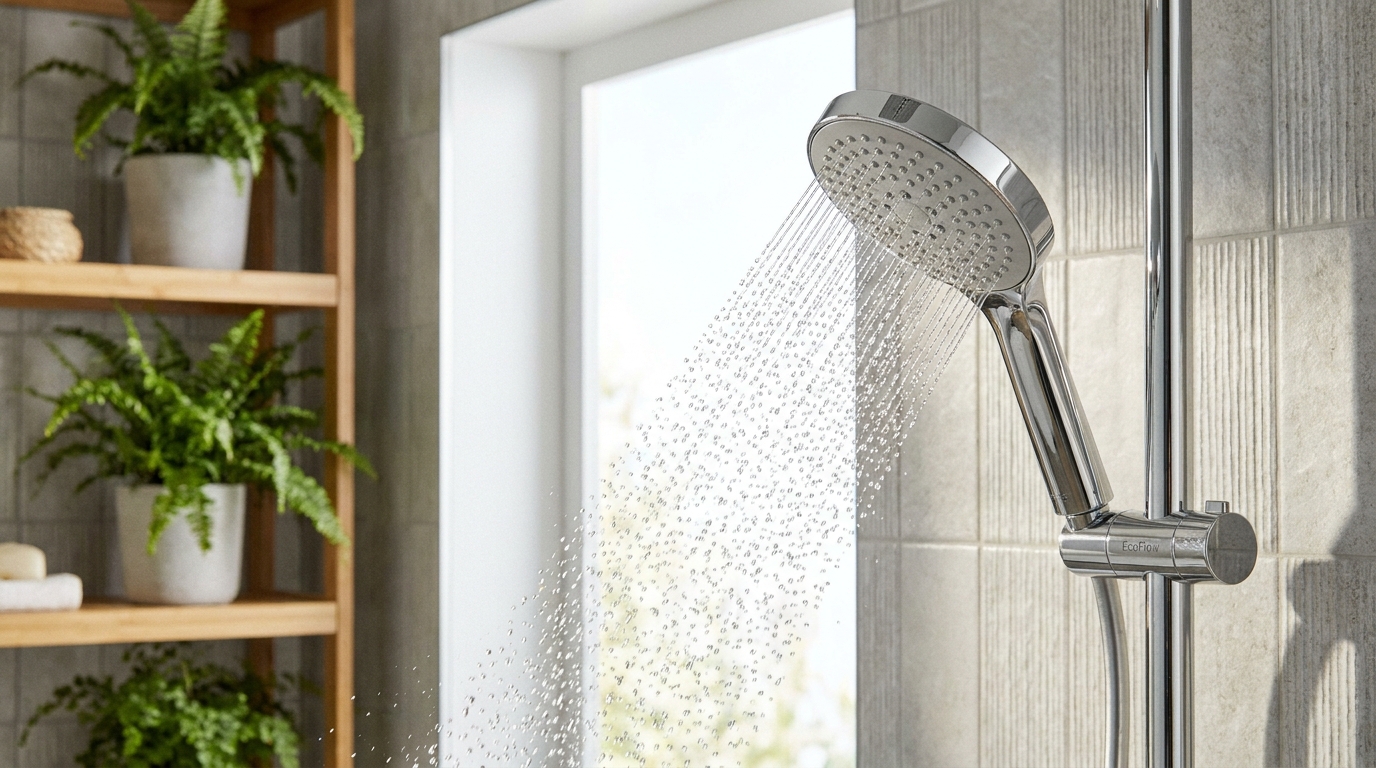
For Canadian readers, efficiency standards are already built into the regulatory conversation. NRCan’s cap of 7.0 L/min for one-nozzle showerheads reflects the broader direction of plumbing performance and product expectations. This matters because it shows that water efficiency is not a fringe concern. It is part of how governments, builders, and manufacturers are shaping the next generation of home products.
When choosing a showerhead, pay attention to more than the flow number alone. Consider spray settings, pressure compensation, ease of cleaning, and whether the product has a reputation for good performance in homes with varying water pressure. Mineral buildup can also affect performance over time, so models with easy-clean nozzles are often a worthwhile choice. The goal is not simply to reduce flow. It is to create a daily experience that still feels restorative and easy to live with.
Bathroom Faucets and Aerators: Quiet Efficiency That Adds Up Daily
Bathroom sink use may seem minor compared with showers or toilets, but the frequency of use makes it an important category. Hand washing, brushing teeth, shaving, skincare, and daily cleanup all happen at the faucet, and small reductions in flow can compound steadily across a year. Because these fixtures are relatively simple to upgrade, they are often one of the easiest places to begin if you want a low-cost improvement with visible results.
EPA says WaterSense bathroom faucets and accessories can cut flow to a maximum of 1.5 gallons per minute, which is about 30 percent less than the standard 2.2 gpm faucet flow. In practice, that reduction can be almost unnoticeable when the fixture is well designed. Many homeowners are surprised to find that a modern low-flow faucet still delivers a clean, steady stream that feels entirely normal for everyday use. The difference is mostly in the water you are no longer wasting.
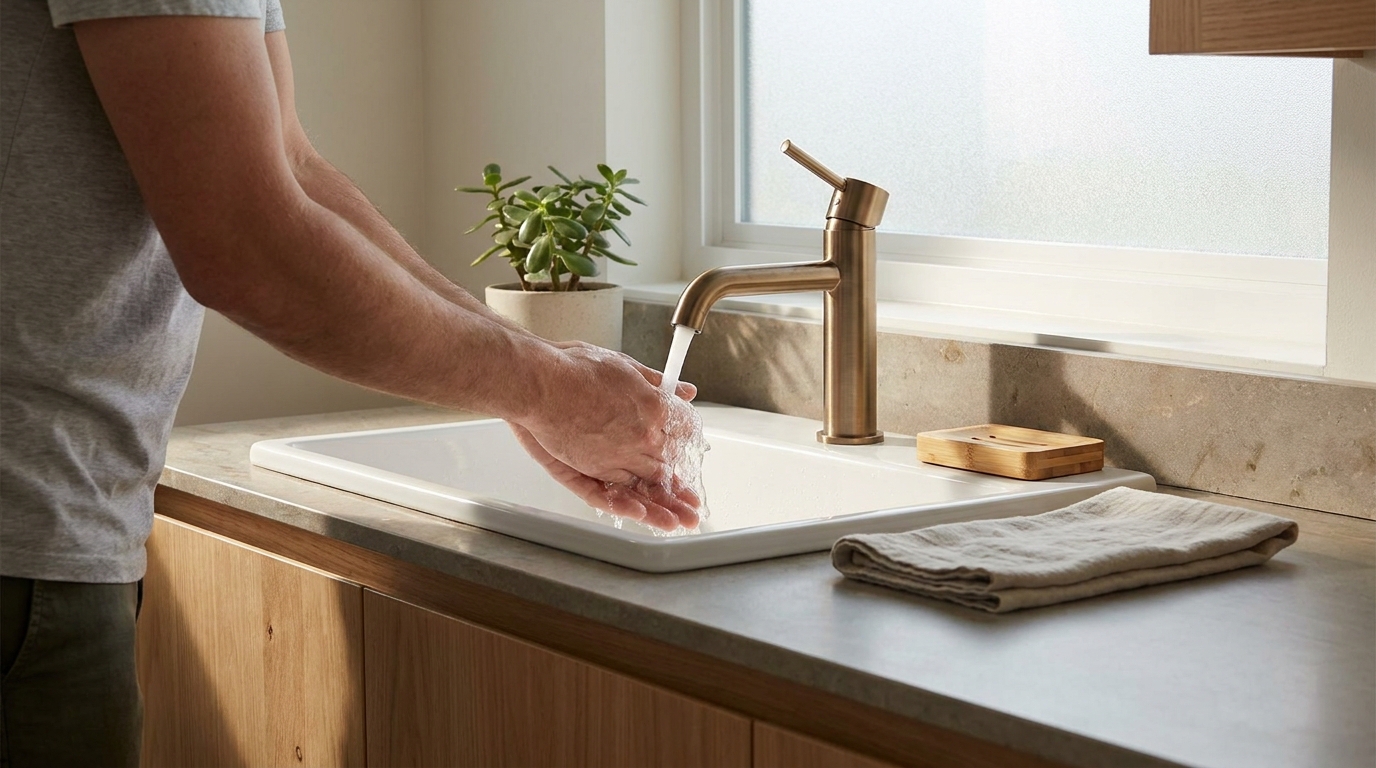
Aerators deserve special mention here because they offer one of the simplest and most affordable entry points into water efficiency. These small attachments mix air into the water stream, helping maintain a sense of fullness while reducing total flow. For some households, installing a high-quality aerator can be a useful interim step before replacing the entire faucet. It will not solve every issue, especially if the existing fixture is aging or poorly designed, but it can improve efficiency quickly and inexpensively.
When evaluating bathroom faucets, consider both style and long-term reliability. A durable fixture that resists leaks and functions smoothly over time is often the more sustainable choice than a bargain model that needs frequent repair or early replacement. The most effective home upgrades are not just efficient at the moment of installation. They remain efficient for years with minimal frustration.
Toilets: The Upgrade with Some of the Largest Water Savings
Toilets are one of the most important fixtures to evaluate, particularly in older homes. Many outdated models use significantly more water per flush than current high-efficiency options. Because toilets are used so often by every member of the household, reducing flush volume can have a major effect on annual water use. This is especially true in family homes where cumulative daily demand is high.
EPA reports that replacing old, inefficient toilets with WaterSense models can reduce toilet water use by 20 percent to 60 percent, with nearly 13,000 gallons of household savings in some cases. That is a substantial number, and it helps explain why toilet replacement is often one of the most effective fixture upgrades available. If your home still has older, high-volume toilets, this category may offer the largest single opportunity for improvement.
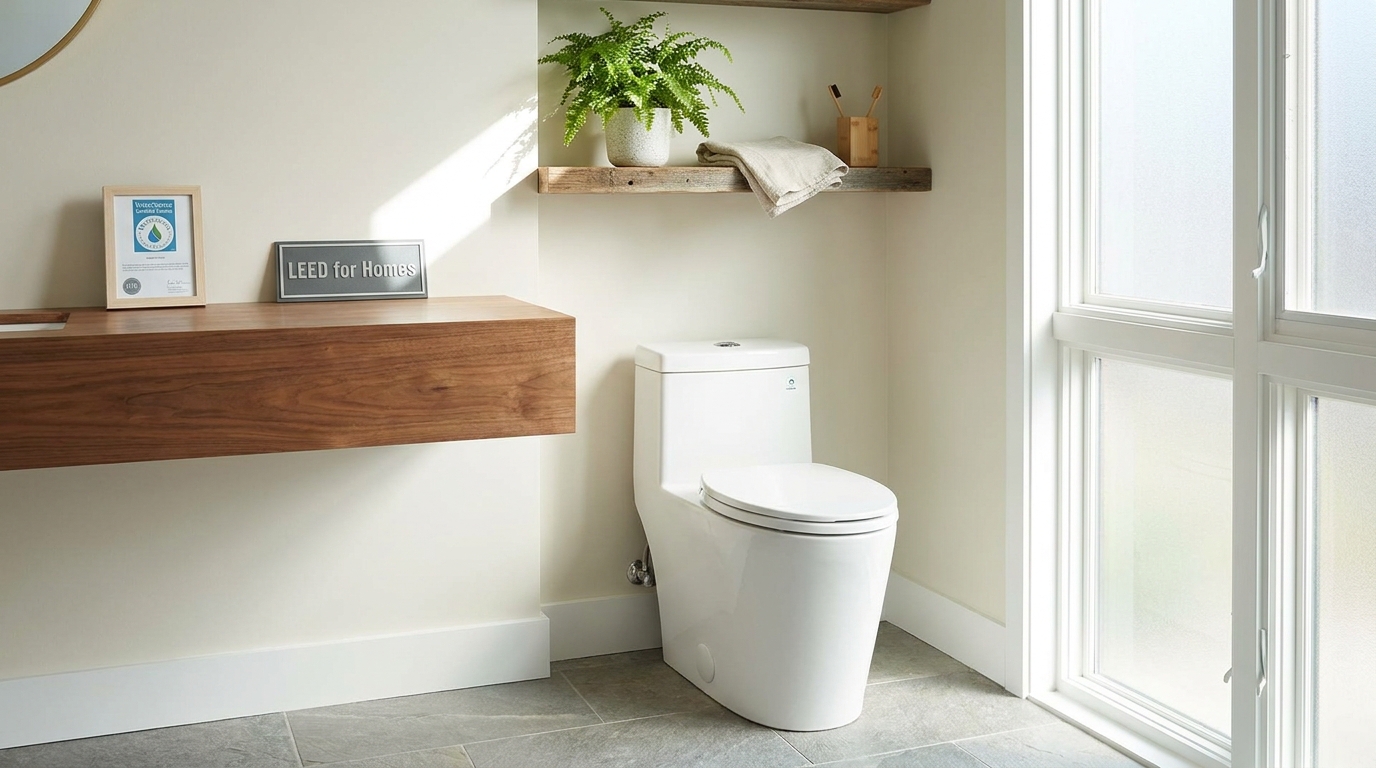
Canadian standards reinforce the same direction. NRCan’s R-2000 standard includes toilets at 4.8 L/flush or less, demonstrating how efficient flushing performance has become part of broader high-performance housing expectations. Homeowners considering a remodel or replacement can use this as a practical benchmark when comparing products.
Performance is understandably a top concern with toilets, and it is one reason people sometimes hesitate to upgrade. The old assumption is that less water means weaker flushing. In reality, modern high-efficiency toilets often rely on improved bowl design, trapway geometry, and pressure-assisted or gravity-assisted engineering that helps maintain effective waste removal. As with other fixtures, certification and product testing matter. A toilet should be judged by how well it works in real life, not only by how little water it uses.
Dual-flush models may also appeal to some households because they give users a choice between a lower-volume flush for liquid waste and a higher-volume flush for solid waste. They are not the only good option, but they can be a practical fit in homes where people appreciate having a bit more control over water use. The best choice depends on your plumbing configuration, household habits, and preference for simplicity versus flexibility.
The Comfort Myth: Why Low-Flow No Longer Means Low Satisfaction
One of the most persistent misconceptions about water-efficient fixtures is that they inevitably create a weaker, less satisfying experience. This belief often comes from early generations of low-flow products that reduced water use without enough attention to design. Today, the market is different. Manufacturers have spent years improving spray dynamics, valve technology, and overall fixture engineering so that efficiency and comfort can support each other rather than compete.
It helps to separate pressure from flow. Many people use those terms interchangeably, but they are not the same thing. A fixture can use less water while still delivering a well-directed stream or spray that feels strong and functional. Good design can create a sense of coverage, momentum, and consistency even when total volume is lower. This is one reason why labeled and tested products are worth seeking out. They are more likely to perform the way homeowners hope they will.
The same principle applies to faucets and toilets. Efficient faucet design can maintain a comfortable stream for hand washing without excess splashing or weak dribbling. Efficient toilets can clear the bowl effectively through better engineering rather than brute water volume. In each case, innovation has shifted the conversation from scarcity to smarter delivery.
For hesitant homeowners, one reassuring strategy is to test products in person where possible. Showrooms, reviews, plumber recommendations, and independent certifications can all help narrow the field. When people experience a high-quality efficient fixture firsthand, it often changes their expectations very quickly. Comfort does not need to be surrendered. It simply needs to be designed more intelligently.
The Energy-Water Connection: Why These Upgrades Lower More Than Water Bills
Water use and energy use are closely linked, especially in bathrooms. Whenever hot water runs through a showerhead or faucet, your water heater has already done the work of warming it. That energy may come from electricity, natural gas, or another fuel source, but the principle is the same. If you reduce hot water consumption, you also reduce the energy required to create it. That means fixture upgrades can support both household affordability and lower emissions.
This is one of the reasons showerheads are particularly attractive as a first step. The savings are not limited to the water line on your utility bill. They also show up in reduced water-heating demand, which can be meaningful over time. In homes with older water heaters or larger families, that benefit can be even more noticeable because hot water usage tends to be a major operational expense.
Thinking in terms of integrated efficiency also aligns with broader trends in sustainable housing. Homeowners are increasingly looking at the house as a connected system rather than a collection of separate products. Efficient fixtures, ENERGY STAR appliances, smart leak monitors, and better hot water delivery all support one another. A lower-impact home is often built through these layers of improvement rather than through one dramatic intervention.
Why Water Efficiency Is Also a Home Maintenance Issue
It is easy to think of water-saving upgrades as optional sustainability projects, but they are just as relevant to basic home maintenance. Old fixtures can develop drips, worn seals, and inconsistent performance that waste water quietly over time. Toilets may run intermittently without attracting much attention. Showerheads can clog with mineral deposits, altering spray quality and reducing user satisfaction. In each case, replacement or repair can improve both function and efficiency.
Leaks are a particularly important part of the story. Even small leaks can waste significant volumes of water over the course of a year, and many households overlook them because the loss seems minor on any given day. A smart approach to upgrading fixtures should always include a leak check. Inspect toilet flappers, supply lines, shutoff valves, faucet bases, and under-sink plumbing. If you are investing in better fixtures, it makes sense to protect that investment by ensuring the system around them is working properly.
This maintenance perspective also helps broaden the appeal of efficiency. Not everyone is motivated by environmental language alone, and that is perfectly reasonable. Some homeowners care most about reducing wear on household systems, avoiding preventable costs, and keeping the home dependable. Water-efficient fixtures support those goals just as effectively as they support sustainability goals, which is part of what makes them such a practical upgrade.
How to Choose the Right Water-Efficient Fixtures for Your Home
The best product is not necessarily the one with the lowest number on the box. A successful upgrade depends on balancing efficiency with performance, household routines, and the realities of your plumbing system. Start by identifying your biggest sources of water use and the age of your current fixtures. If your showerhead is relatively recent but your toilet is decades old, the toilet may be the better first investment. If your household takes long daily showers, the showerhead may offer a faster return.
It is also helpful to consider who uses the space. A family bathroom, an ensuite, and a powder room may not need the same fixtures or the same priorities. In a heavily used family bathroom, durability and ease of cleaning may matter as much as water efficiency. In a guest bathroom, style and consistency with the rest of the home may carry more weight. Good sustainable design is rarely about one-size-fits-all answers. It is about making appropriate choices for a specific home.
When shopping, look for trusted certification labels, clear flow-rate information, strong reviews, and product warranties that suggest long-term confidence. If possible, speak with a plumber who is familiar with current efficient models. Professionals often know which fixtures perform reliably in homes with lower pressure, older pipes, or harder water conditions. Their input can help you avoid products that look promising but fail to deliver in practice.
Before making a final decision, think about installation complexity and hidden costs. Some showerheads are quick DIY swaps, while toilet replacements may involve more labor or reveal issues such as flange wear, shutoff valve problems, or uneven flooring. None of that means the upgrade is not worthwhile. It simply means that realistic planning usually leads to better outcomes and less frustration.
A Simple Prioritization Framework
- Check for leaks first, especially running toilets and dripping faucets.
- Replace the oldest and most frequently used bathroom fixtures before lower-impact areas.
- Choose certified products that verify both efficiency and performance.
- Consider hot water use when deciding which upgrade will produce the greatest combined savings.
- Think in systems, pairing fixture upgrades with maintenance and smart habits.
What Canadian and North American Homeowners Should Keep in Mind
Although product labels, rebate programs, and regulations may differ slightly across jurisdictions, the larger story is consistent across Canada and North America. Water-efficient fixtures are increasingly mainstream, standards are tightening, and households are becoming more comfortable with the idea that a better-performing home is one that wastes less. In Canada, Statistics Canada has reported that household water use has declined in recent years, and earlier surveys found substantial adoption of low-flow showerheads and reduced-volume toilets. That trend suggests homeowners have already begun moving in this direction, even if many still have room to improve.
For buyers and renovators, local context still matters. Municipal rebate programs can make fixture replacements more attractive, while building codes or utility guidance may shape product choices in your area. Water rates, wastewater charges, and regional supply conditions also influence how quickly savings show up on household bills. It is worth checking with your municipality, utility, or provincial resources before purchasing, especially if you are planning multiple upgrades at once.
The broader trend is toward whole-home efficiency rather than isolated product swaps. This means homeowners are being encouraged to think about water use alongside energy, leak detection, and overall building performance. WaterSense-labeled homes in the United States, for example, are designed to be at least 30 percent more water-efficient than typical new construction, and they reflect a systems-based approach that includes fixtures, leak control, and outdoor water considerations. Even if you are not building a new home, the mindset behind that standard is useful for renovation planning.
Beyond Fixtures: Habits and Supporting Upgrades That Strengthen Results
Fixtures do much of the work, but they are even more effective when paired with a few supporting strategies. Smart water use does not need to feel strict or joyless. It often looks like small habits that fit naturally into ordinary life, such as fixing leaks promptly, avoiding unnecessary running water, and being aware of where hot water is used most heavily. The goal is not perfection. It is steady, low-friction improvement.
If you are already thinking about efficiency, you may also want to look at related upgrades such as ENERGY STAR appliances, smart leak detection devices, or improved hot water delivery. In some homes, waiting a long time for warm water is a hidden source of waste. Addressing pipe layout, recirculation design, or fixture placement during a renovation can improve convenience while cutting down on water sent down the drain. These kinds of changes are especially useful when paired with bathroom remodeling or larger plumbing work.
Outdoor water use is another area worth keeping in mind, particularly for homes with gardens or lawns. While this article focuses on indoor fixtures, a truly balanced water strategy may also include efficient irrigation and smart controllers where relevant. The advantage of starting indoors, however, is that bathroom upgrades tend to be consistent, measurable, and less dependent on season or climate. They provide a dependable foundation for broader conservation efforts.
Common Misconceptions That Still Hold People Back
Several myths continue to slow adoption, even though product performance has improved considerably. One is the idea that low-flow fixtures always feel weak. As discussed earlier, this is often no longer true, especially with certified products designed to maintain comfort. Another misconception is that water efficiency only matters in regions facing dramatic drought. In reality, reducing water demand lowers stress on supply, treatment, and wastewater systems everywhere.
Some homeowners also assume that changing one fixture is too small to matter. It is true that a single aerator will not transform your whole utility bill overnight, but cumulative improvements across a showerhead, faucet, toilet, and a few leak fixes can add up significantly. Sustainability at home often works through these layered gains. A series of practical decisions tends to be more achievable and more durable than waiting for one perfect, transformative project.
There is also a tendency to trust any product marketed as green. That is understandable, but it is not always wise. Not all eco-branded fixtures are created equal, and appearance alone says little about actual performance. Third-party labels like WaterSense help homeowners avoid guesswork by verifying that the product has met efficiency and performance criteria. In a crowded market, that kind of clarity is valuable.
Making the Upgrade Feel Manageable
One reason water-efficient fixtures are such a useful entry point into sustainable home improvement is that they can be approached in stages. You do not need to renovate every bathroom at once or replace every fixture immediately. A measured approach often works best. Start with the fixture that is oldest, most wasteful, or most frequently used, then build from there as budget and timing allow.
For some households, the best sequence might begin with a showerhead, then move to a faucet aerator, then replace a toilet during the next bathroom refresh. For others, a leak repair and toilet replacement may deliver the fastest benefit. There is no single right order. What matters is choosing improvements that are realistic enough to complete and valuable enough to notice.
This is also where the emotional tone of sustainability matters. People are more likely to maintain environmentally responsible habits when the solutions feel elegant and practical rather than punitive. A fixture that looks good, works well, and quietly lowers resource use supports that kind of long-term behavior. It becomes part of a home that feels better, not just one that performs better on paper.
Conclusion: A Greener Home Can Begin with the Fixtures You Use Every Day
Water-efficient fixtures sit at a useful intersection of comfort, cost savings, and environmental responsibility. They help households reduce water use where it matters most, especially in bathrooms, while also lowering the energy tied to hot water and easing pressure on public infrastructure. Just as importantly, modern options show that efficiency no longer has to feel like deprivation. Good design has made it possible for sustainable choices to feel normal, attractive, and dependable.
The research is clear that the gains can be meaningful. WaterSense-labeled products use at least 20 percent less water than standard models while meeting performance criteria. One upgraded showerhead can save thousands of gallons and more than $75 per year in combined water and energy costs. Efficient toilets can reduce water use dramatically, in some cases saving nearly 13,000 gallons annually for a household. These are not symbolic changes. They are measurable improvements with practical value.
For Canadian and North American homeowners alike, this is one of the most approachable ways to make a home greener without overcomplicating daily life. Whether you begin with a showerhead, a faucet, a toilet, or a simple leak check, the important thing is to begin with intention. Sustainable living is often built through choices that are quiet, repeatable, and well suited to real life. Water-efficient fixtures fit that description well, and they remain one of the smartest upgrades a homeowner can make.



No Comment! Be the first one.