

Geothermal Isn’t a Rebate Play, It’s a Sixty-Year Bet on Comfort and Cost
Every so often a story crosses my desk that reminds me how much of sustainable building comes down to patience rather than policy. A Toronto-based developer’s experience with geothermal heating and cooling, first tested on an earlier project and now being carried into a new purpose-built rental community in Oakville, is one of those stories. It is not about chasing an incentive program. It is about what happens when a builder decides to treat energy infrastructure as a decades-long relationship rather than a line item.
The developer’s early geothermal project gave them something incentives rarely offer on their own: proof. An operating building they could point to, data they could trust, and enough confidence to bring the same infrastructure into new developments. That is the quiet, practical core of sustainability work. It rarely arrives as a single dramatic upgrade. It arrives as one well-documented success that makes the next decision easier.
What stands out to me is the reasoning behind choosing geothermal over natural gas, which is really a reasoning about volatility, not virtue. A building may operate for sixty to a hundred years, and across that span, electricity prices have historically moved far more steadily than natural gas prices. Betting a building’s long-term performance on today’s cheap gas is not a strategy, it is a gamble dressed up as one. Geothermal, drawing stable ground-source energy rather than a fluctuating commodity, offers something sustainability-minded homeowners and renters quietly crave: predictability.
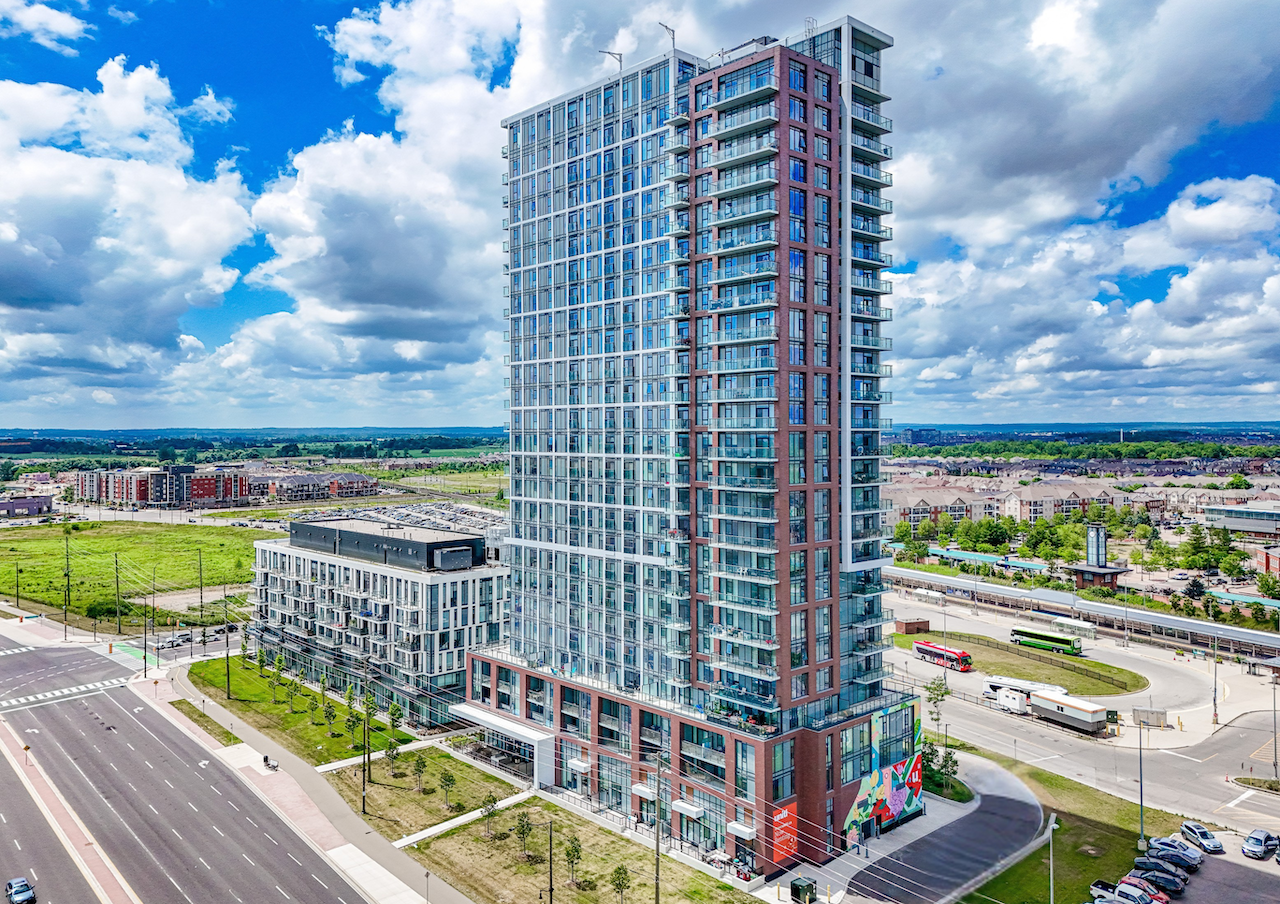
Purpose-built rental housing makes this calculation especially clear. Unlike a condominium, where the building is sold off unit by unit, a rental asset keeps its owner responsible for operating costs for years to come. That alignment of incentives, the same party who pays for the system is the same party who benefits from its efficiency, is exactly where sustainable technology tends to earn its keep fastest.
Basing a long-term investment on the fact that gas happens to be inexpensive today isn’t really a long-term strategy.
There is also a wider current running underneath this story. National moves toward electrification, grid expansion, and heat pump adoption are not abstract policy chatter. They are signals that the buildings designed around stable, low-impact energy systems today will likely look better positioned tomorrow, to institutional buyers, to renters comparing utility bills, and to future retrofit budgets. Geothermal will not suit every site or every pro forma, and I would never suggest otherwise. Site conditions and project economics still rule. But the instinct behind this developer’s approach, evaluating infrastructure at the design stage rather than retrofitting conscience later, is the kind of practical sustainability thinking that actually scales.
Good sustainability decisions rarely announce themselves loudly. They show up quietly in lower operating costs, steadier bills, and buildings that age well. This is one of those decisions.
Source: UrbanToronto, “Beyond the Next Incentive: Building Geothermal for Tomorrow’s Real Estate Market”