
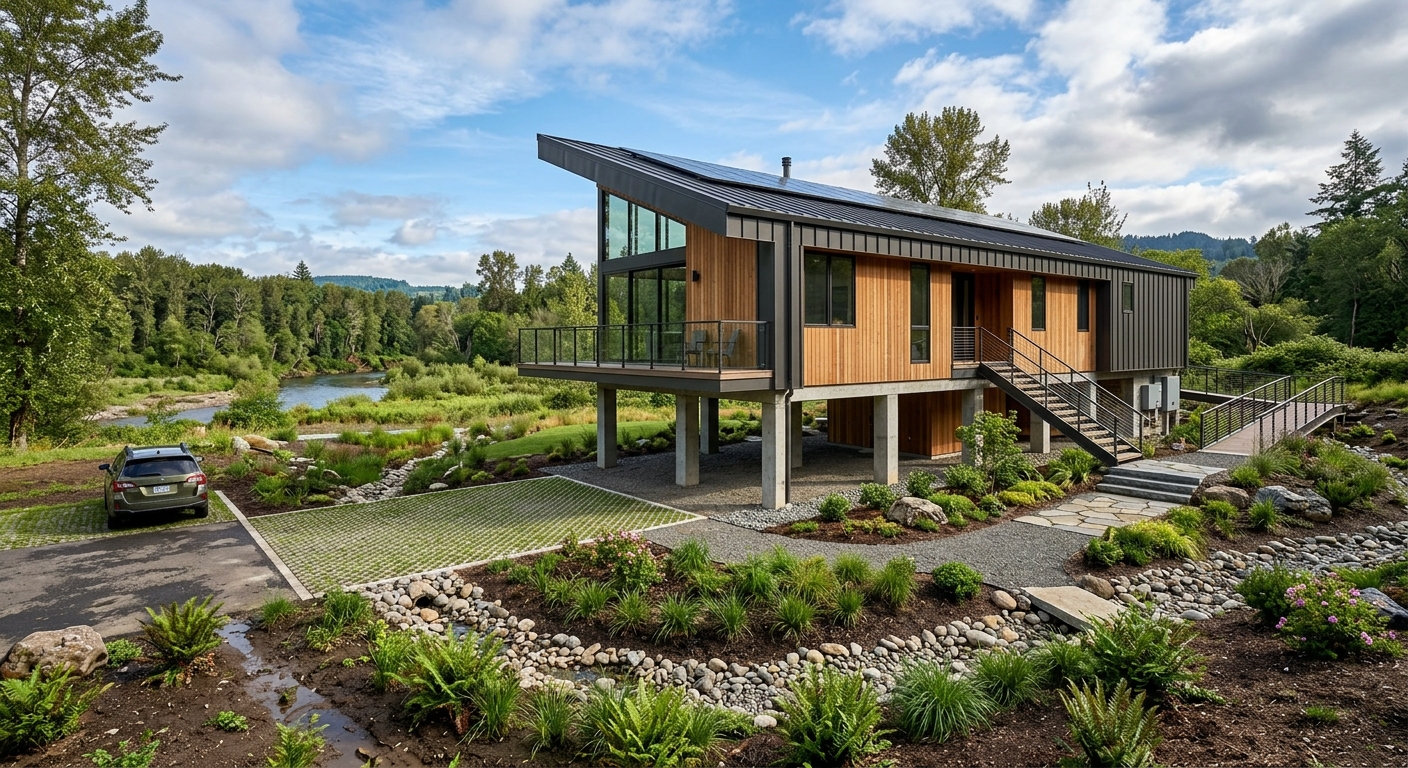


Understanding Modular Construction: Benefits and Basics for Homeowners
In recent years, modular construction has emerged as a viable alternative to traditional building methods, particularly for homeowners looking for efficient, cost-effective solutions. This building approach involves manufacturing components of a home in a controlled factory setting and then assembling them on-site, providing several benefits that have been backed by research and real-world applications. Despite its growing popularity, misconceptions about modular construction still exist. This article aims to clarify those misconceptions, outline the basic principles of modular construction, and highlight its various advantages for homeowners.
Table Of Content
What is Modular Construction?
Modular construction refers to a process where building components, often referred to as modules, are constructed off-site in a controlled environment. Each module is built to the same local building codes and standards as a traditional home but is manufactured in a factory and then transported to the building site for assembly. This method stands in contrast to conventional stick-built construction, which involves constructing homes entirely on-site. The modular approach allows for various designs, from single-family homes to larger multi-unit residential buildings.
This system not only streamlines the building process but also limits the disruptions caused by weather and other site-related issues, resulting in a faster and more predictable timeline. The modules are designed to fit together seamlessly, minimizing construction time once they arrive at the site. The primary distinction between modular construction and other forms of prefabrication is that modular homes consist of fully constructed sections, rather than panels or components that require extensive assembly upon arrival.
How Modular Construction Works
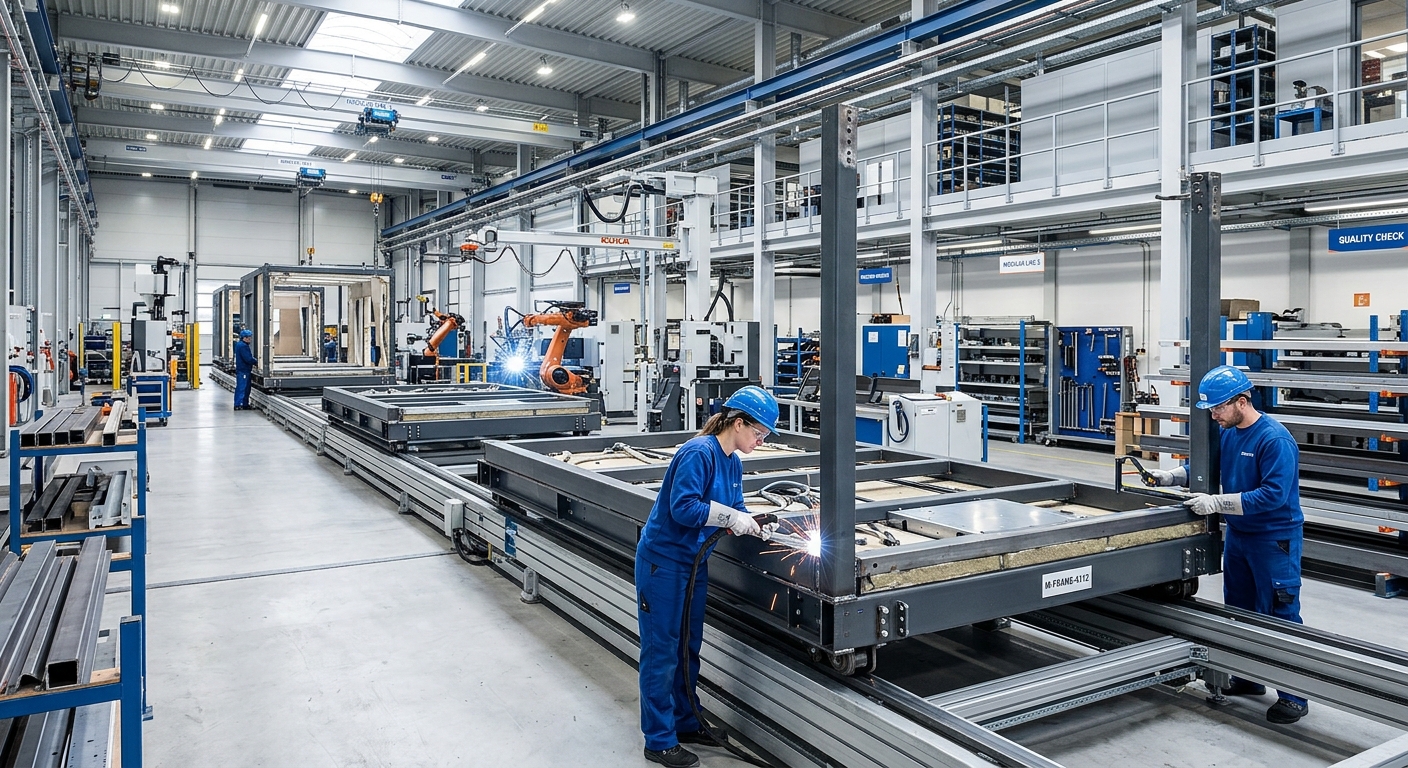
The modular construction process begins with planning and design. Architects and builders collaborate to create detailed blueprints, ensuring that all aspects of the home meet local building codes. Once the design is finalized, the construction of the modules begins in a factory. This controlled environment enables builders to adhere to precise quality control measures, reducing the likelihood of mistakes or material waste.
As the modules are constructed, they undergo inspections to ensure compliance with codes and standards. Once completed, the modules are transported to the construction site. The transportation is often carefully planned to avoid damage. Upon arrival, the modules are lifted into place using cranes and assembled according to the design specifications.
Once the modules are in position, the finishing touches are applied. This may include connecting utilities such as plumbing, electrical, and HVAC systems, as well as completing any exterior and interior finishes. The result is a fully functional home that can sometimes be ready for occupancy within a matter of weeks, compared to the months it might take for a traditional home to be built from the ground up.
Benefits of Choosing Modular Homes
One of the primary appeals of modular construction to homeowners is the potential for significant time and cost savings. Studies have shown that modular construction can reduce on-site construction time by up to 50% compared to traditional methods. This rapid construction timeline means homeowners can move into their new homes much sooner, which is particularly beneficial for those requiring immediate housing solutions.
Moreover, costs associated with modular homes can often be competitive or even lower than traditional builds. The efficiency of factory production allows for better control over labor costs, material usage, and waste reduction. It’s noteworthy that research indicates waste reduction rates for larger modular projects can reach up to 80-83%, significantly minimizing environmental impact and contributing to lower overall project costs.
Quality control is another critical advantage of modular homes. Constructed in a controlled factory environment, these homes are built with precision, leading to enhanced durability and energy efficiency. Studies have found that modular homes tend to have better airtightness and overall energy performance when inspected after completion, leading to lower energy bills for homeowners.
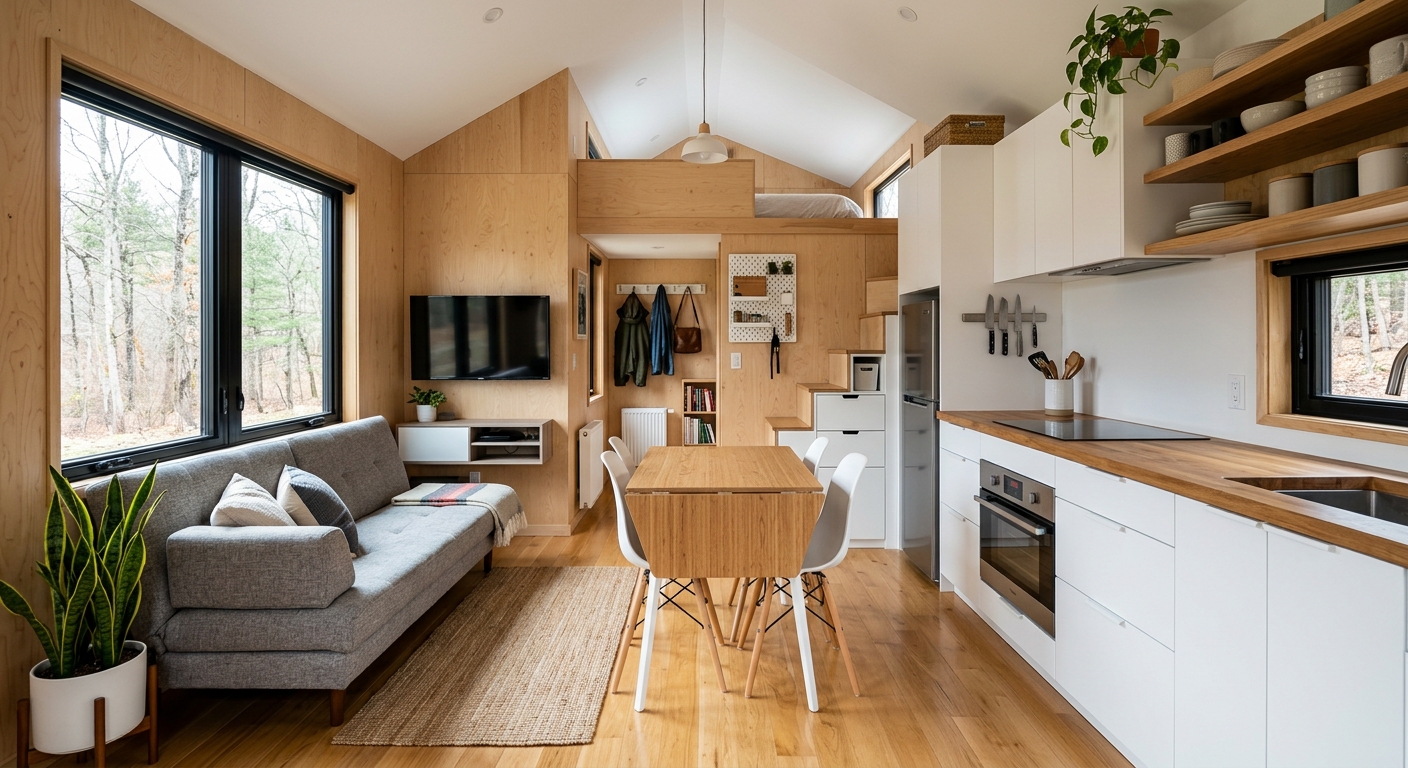
Additionally, the design flexibility offered by modular construction can accommodate a wide range of styles and specifications while still adhering to local code requirements. Homeowners can choose from various floor plans, finishes, and architectural styles to create a home that reflects their personal tastes and needs.
While the benefits are considerable, potential homeowners must also consider important factors that can influence the overall effectiveness of modular construction. These include site readiness, climate conditions, transportation logistics, and financing options available. Proper site preparation is critical to ensure that the modules can be securely placed and connected to utilities upon arrival. Furthermore, certain climates may necessitate specific design features to ensure performance and comfort.
Real-Life Case Studies
To better understand modular construction, it can be helpful to explore real-life case studies that illustrate its effectiveness and versatility. For example, in Vancouver, a modular building project at 220 Terminal Avenue demonstrated the speed and cost-effectiveness of modular construction. The project took approximately six months to complete, compared to the typical timeframe of 14 to 16 months for traditional construction. The cost per square meter for the modular building was around $2,142, which sits at the lower end of the traditional construction costs typically ranging from $2,153 to $2,906 per square meter.
Another noteworthy example of modular construction’s success can be seen in northern Canada, where a modular project included the construction of multi-unit residential buildings aimed at providing affordable housing. These projects were completed within similar timelines and contributed significantly to meeting urgent housing demands in the region.
These case studies highlight the real-world applicability of modular methods, showcasing not only their speed and cost-effectiveness but also their ability to respond to pressing housing needs. As modular construction gains traction, its potential to transform how we think about homebuilding continues to grow.
Conclusion
Modular construction offers a host of benefits that can make it an attractive option for homeowners looking to build or purchase a new home. From the significant time savings associated with off-site manufacturing to the cost efficiencies gained through reduced waste and improved energy performance, there are many compelling reasons to consider this alternative building method. However, as with any construction project, careful planning and consideration of site-specific factors are critical to ensuring the successful delivery of a modular home.
As trends indicate a promising future for modular construction, particularly in North America, homeowners can anticipate ongoing developments in financing options, regulatory support, and innovations in design. With programs like CMHC’s Prefab Plus expanding access to insured mortgages for modular homes, it is clear that the pathway to homeownership through modular construction is set to become increasingly accessible. Ultimately, both qualitative and quantitative insights into modular construction underscore its relevance and resilience as a building solution for homeowners today and in the years to come.



No Comment! Be the first one.