



Transform Your Space: Simple Strategies for Optimizing Sleep at Home
In our fast-paced lives, sleep often becomes an afterthought, overshadowed by our busy schedules and responsibilities. Yet, quality sleep is essential for our physical health and emotional well-being. What if I told you that the key to restorative sleep lies not only within your body but also within the four walls of your home? By carefully curating the ambiance and layout of your living space, you can create a sanctuary that promotes optimal sleep for everyone in your household. This guide will explore simple yet effective strategies to transform your space into a restful haven, ensuring that you enjoy the quality sleep you deserve.
Table Of Content
- The Science of Sleep: Understanding What Affects Sleep Quality
- Lighting: The Circadian Cue
- The Role of Sound and Smell
- Creating a Sleep-Friendly Environment: Tips for Your Bedroom
- Temperature Control
- Air Quality and Ventilation
- Lighting Options
- Bedding Matters
- Incorporating Relaxation Routines: Nighttime Habits for Better Sleep
- Conclusion: Embracing a Sleep-Optimized Lifestyle
The Science of Sleep: Understanding What Affects Sleep Quality
To genuinely appreciate how to enhance our sleep quality, it helps to understand what affects it at a scientific level. Sleep is a complex biological state influenced by multiple environmental factors. Scientific research has revealed insights into how our surroundings shape our slumber.
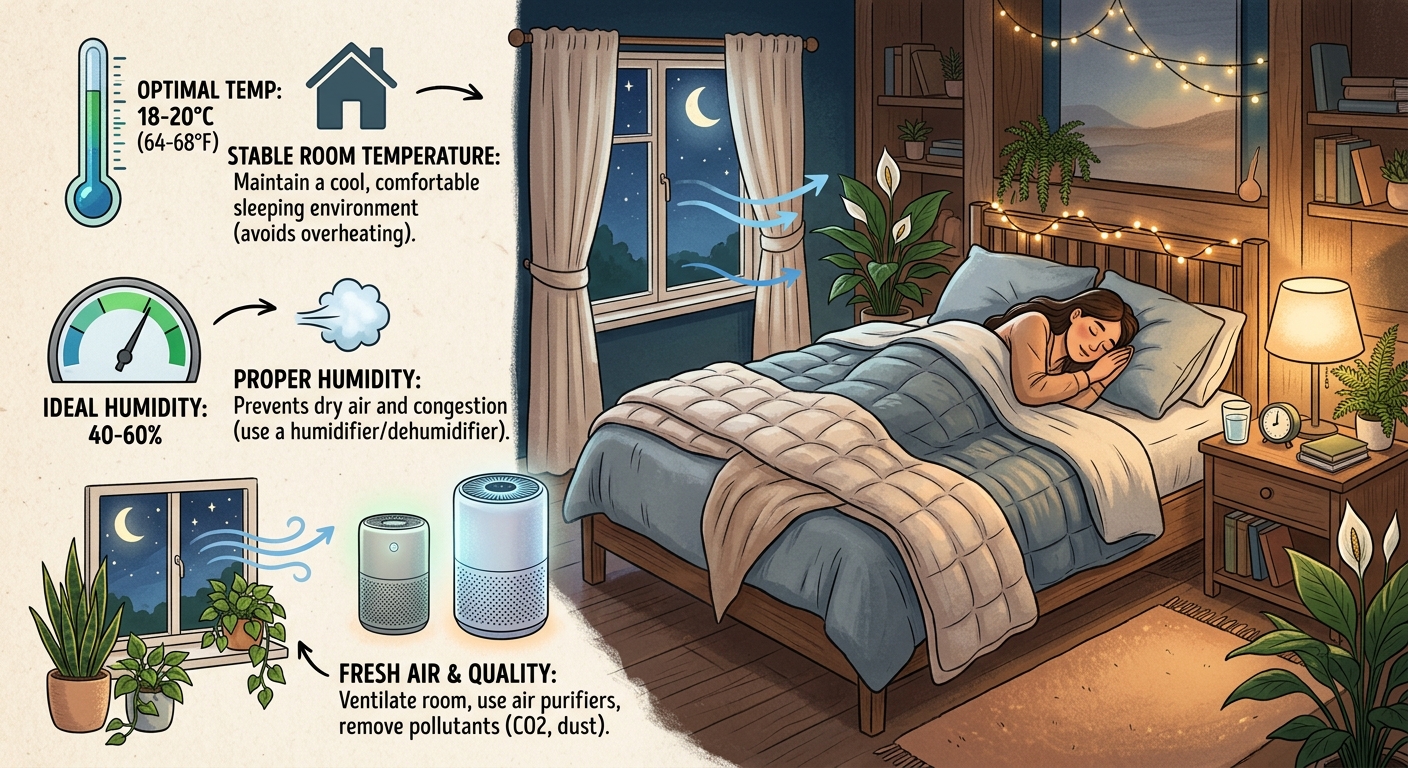
Key elements such as temperature, lighting, and air quality greatly impact our ability to fall asleep and remain asleep. Studies indicate that maintaining an ideal bedroom temperature of around 60–71°F (15.6–22.0°C) can support deeper sleep cycles, preventing disturbances during the night. Similarly, humidity levels around 40% ensure that the air remains comfortable without becoming too dry or damp, which can cause discomfort.
Moreover, CO2 concentration plays a pivotal role. Higher levels of CO2 (over 1000 ppm) can lead to disturbances in sleep architecture, reducing the body’s ability to enter deep sleep stages. Conversely, fresh air environments with lower CO2 levels (around 750 ppm) tend to correlate with improved sleep outcomes. It’s clear—the physical environment needs attention for us to achieve our best sleep.
Lighting: The Circadian Cue
Lighting, particularly, is a crucial factor in setting the tone for our sleep. Our bodies respond to light in ways that directly affect our sleep-wake cycles. During the daytime, exposure to natural light helps regulate our circadian rhythms, signaling when it’s time to be awake and alert. However, once night falls, our bodies naturally crave darkness to facilitate melatonin production, the hormone responsible for sleep.
Here’s where careful management of lighting comes into play. It’s advisable to dim the lights in your home in the hour leading up to bedtime. Avoiding screens that emit blue light—known to hinder melatonin production—is paramount. Instead of harsh overhead lighting, consider incorporating warm, soft LED lamps throughout your living space. Blackout curtains can also provide an effective solution against external light disturbances.
The Role of Sound and Smell
In addition to light, the auditory and olfactory elements in your environment can either soothe or disrupt your sleep. External noise—be it traffic, a barking dog, or even a humming refrigerator—can cause disruptions that interrupt our sleep cycles. Some individuals find success with white noise machines or calming soundscapes like ocean waves or gentle rain to mask disruptive sounds.
On the olfactory front, scents greatly influence our mood and can even affect sleep quality. Aromas such as lavender, chamomile, or sandalwood are known for their calming properties. Incorporating these through essential oils or scented candles in your bedroom can create a relaxing atmosphere conducive to settling down at night.
Creating a Sleep-Friendly Environment: Tips for Your Bedroom
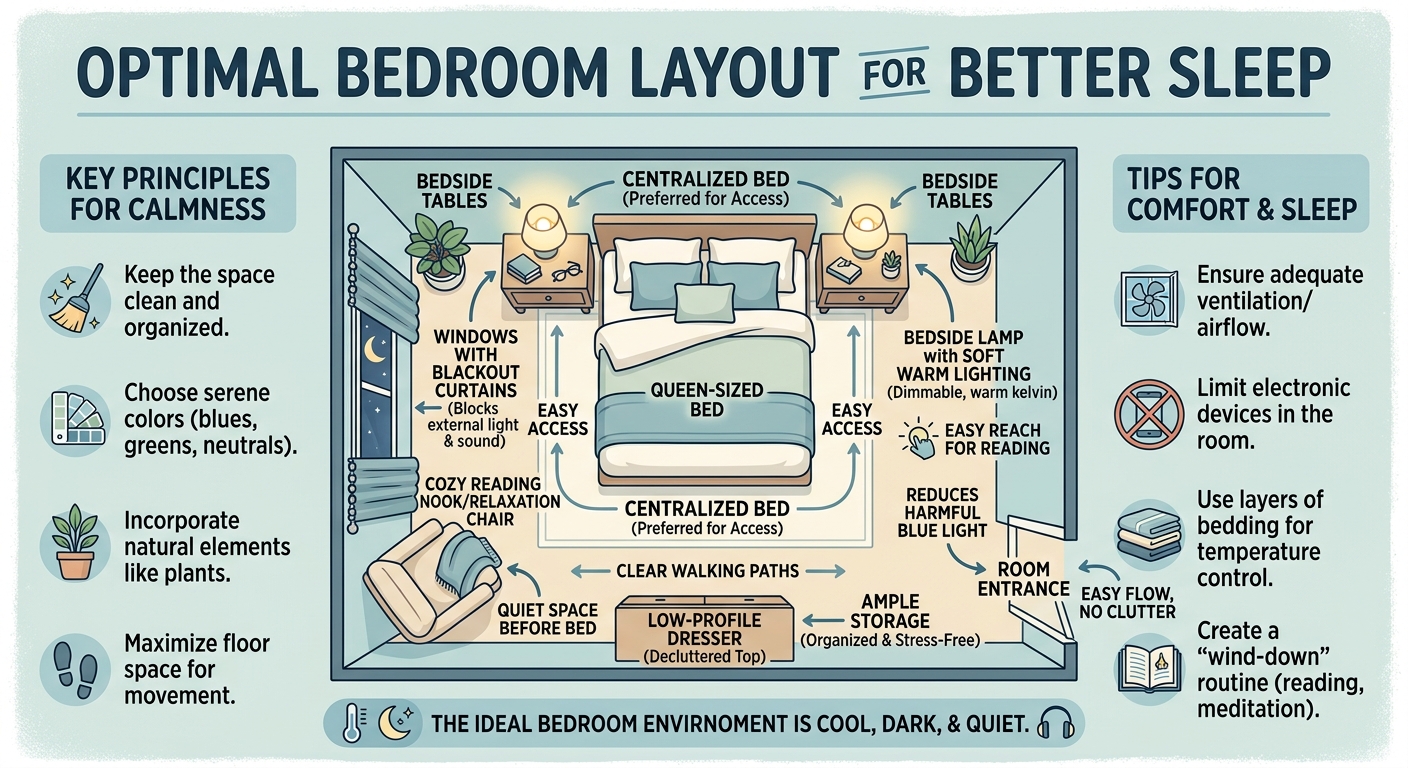
The design and arrangement of your bedroom can significantly enhance your ability to relax and prepare for sleep. Below are some practical tips for creating a sleep-friendly sanctuary.
Temperature Control
Maintaining a comfortable temperature in your bedroom is essential. It’s widely recommended to keep your thermostat set between 60–71°F (15.6–22.0°C). However, individual preferences may vary, so it’s important to find what feels best for you. Consider investing in breathable bedding materials that naturally regulate temperature. Cotton, linen, and bamboo fabrics are great choices that promote airflow and wick moisture away from the body.
Air Quality and Ventilation
Improving air quality is another critical aspect of sleep-optimized rooms. Ensure your space is well-ventilated by opening windows to allow fresh air circulation. If you live in an area with high air pollution or allergens, an air purifier equipped with a HEPA filter can be a wise investment. Regularly cleaning your bedroom will minimize dust and allergens that can disrupt sleep. Keep the humidity level between 30–50% for added comfort while sleeping.
Lighting Options
After ensuring the right temperature and air quality, turn your attention to lighting. The use of dim, warm lighting in the evening signals to our bodies that it’s time to wind down. Smart lighting systems can be programmed to gradually dim as bedtime approaches, providing a seamless transition to a more restful atmosphere. Consider using lamps with adjustable brightness beside your bed for added convenience.
For those who find the morning sunlight disruptive, blackout curtains or shades can prevent early awakenings. The aim should be to craft an environment that remains dark and quiet, allowing for a tranquil night’s sleep.
Bedding Matters
A noteworthy investment in your sleep sanctuary is high-quality bedding. This includes selecting the right mattress—one that provides optimal support for your sleeping position is crucial. Coupled with pillows that suit your preferred type of sleep (whether on your side, back, or stomach), the right bedding can minimize physical discomfort, enabling deeper sleep.
Additionally, layers of soft, breathable sheets can help regulate body temperature and improve comfort. Ensure that you wash bedding regularly to maintain cleanliness and freshness, which can further promote a healthier sleeping environment.
Incorporating Relaxation Routines: Nighttime Habits for Better Sleep
Creating a sleep-friendly environment is only part of the equation. Establishing a calming nighttime routine can significantly bolster your ability to fall asleep and remain asleep. By signaling to your body that it’s time to wind down, you prepare yourself for restorative rest.
The first step in this process is consistency. Going to bed and waking up at the same time every day, even on weekends, helps reinforce your body’s natural rhythms. Gradually dimming lights and disconnecting from screens in the hour leading to bedtime are excellent ways to signal to your body that it’s time to relax.
Consider incorporating activities that promote relaxation, like reading a book, meditating, gentle stretches, or taking a warm bath before sleep. Engaging in calming rituals allows your body and mind to shift gears from the busyness of the day to the tranquility of the night.
Journaling can also aid in mental decluttering. Writing down your thoughts or to-do lists allows you to relinquish worries and prepare your mind for rest. Creating an evening environment filled with soft sounds and comforting scents can further enhance relaxation.
Conclusion: Embracing a Sleep-Optimized Lifestyle
In our pursuit of better sleep, we often underestimate the powerful role our home environment plays. By prioritizing a cool, dark, quiet, and well-ventilated bedroom with comfortable bedding, we can set the foundation for deep, restorative sleep. By taking actionable steps—be it improving ventilation, controlling temperature, selecting suitable lighting, or establishing relaxing nighttime rituals—we are well on our way to transforming any sleeping space into a sanctuary.
As you embark on this journey to a sleep-optimized lifestyle, remember that every small change counts. Embrace the process of tailoring your home environment to meet your personal comfort needs and those of your family. The sleep quality you deserve is within reach, waiting to be unlocked by intentional choices in your living space. May your nights become filled with restful slumber and beautiful dreams that nurture your well-being.



No Comment! Be the first one.