


How to Use Recycled Materials in Your Home for a Sustainable Upgrade
In today’s world, where environmental consciousness is at the forefront of architectural and design choices, homeowners are increasingly looking to recycled materials as an accessible means to enhance their living spaces. By incorporating these materials into our homes, we not only create unique and aesthetically pleasing environments but also contribute to a more sustainable future. This article aims to guide everyday homeowners through the myriad of creative potential offered by recycled materials, while providing practical applications and benefits that come with their usage.
Table Of Content
What Are Recycled Materials?
Recycled materials, in the context of home design and construction, refer to products that are created using materials that have been reclaimed and repurposed after their initial use. This practice not only minimizes waste but also reduces the demand for new raw materials. Examples include reclaimed wood, which is salvaged from old barns and buildings; recycled glass, which can be transformed into countertops and tiles; and composite materials that incorporate a significant percentage of recycled content.
The transition towards using recycled materials aligns with the principles of the circular economy, a system that emphasizes sustainability through the continued usage of materials, thus reducing waste and promoting environmental health. Homeowners across North America are discovering that incorporating these materials into their homes does not just make an ecological statement; it also allows them to express their personal style in innovative ways.
Benefits of Using Recycled Materials in Home Design
The use of recycled materials in home design and renovation brings numerous benefits. Firstly, it directly contributes to environmental sustainability. By choosing recycled over new materials, homeowners can significantly lower their carbon footprint. For instance, the production of new building materials often requires considerable energy and resources, whereas recycled materials can drastically reduce that input, effectively lowering embodied carbon.
Additionally, recycled materials can offer a unique aesthetic appeal. Every piece of reclaimed wood or recycled glass has its own story and character, offering a distinct charm that new materials often lack. This individuality can become a conversation starter in your home, showcasing your commitment to sustainability while also enhancing the aesthetic appeal of your space.
Moreover, using recycled materials can often lead to cost savings. While it’s true that some recycled options may initially seem more expensive than conventional materials, the long-term benefits often outweigh these costs. Durable products made from recycled materials typically require less maintenance and replacement, offering a practical advantage over time.
Government initiatives in regions like Canada are making strides to support the use of recycled materials. The country’s Construction, Renovation, and Demolition (CRD) waste diversion programs target a 90% waste diversion goal by 2030, reflecting a national commitment to sustainability. This progress creates an encouraging backdrop for homeowners looking to incorporate recycled materials into their projects.
How to Incorporate Recycled Materials in Your Home
Understanding the options available is the first step in making the most of recycled materials in your home. Here, we will explore a range of applications—from interior finishes to outdoor structures—that are both practical and stylish.
Reclaimed Wood
Reclaimed wood is perhaps one of the most popular materials for homeowners looking to add a rustic yet refined touch to their living spaces. This wood, salvaged from old buildings or sourced from deconstruction projects, can be repurposed for various uses, including accent walls, flooring, beams, and furniture.
When selecting reclaimed wood, it’s essential to ensure that it comes from reputable sources that follow sustainable practices. Reputable suppliers often provide certificates or disclosures that detail the wood’s origin, which helps homeowners feel informed and confident in their choices.
Recycled Glass
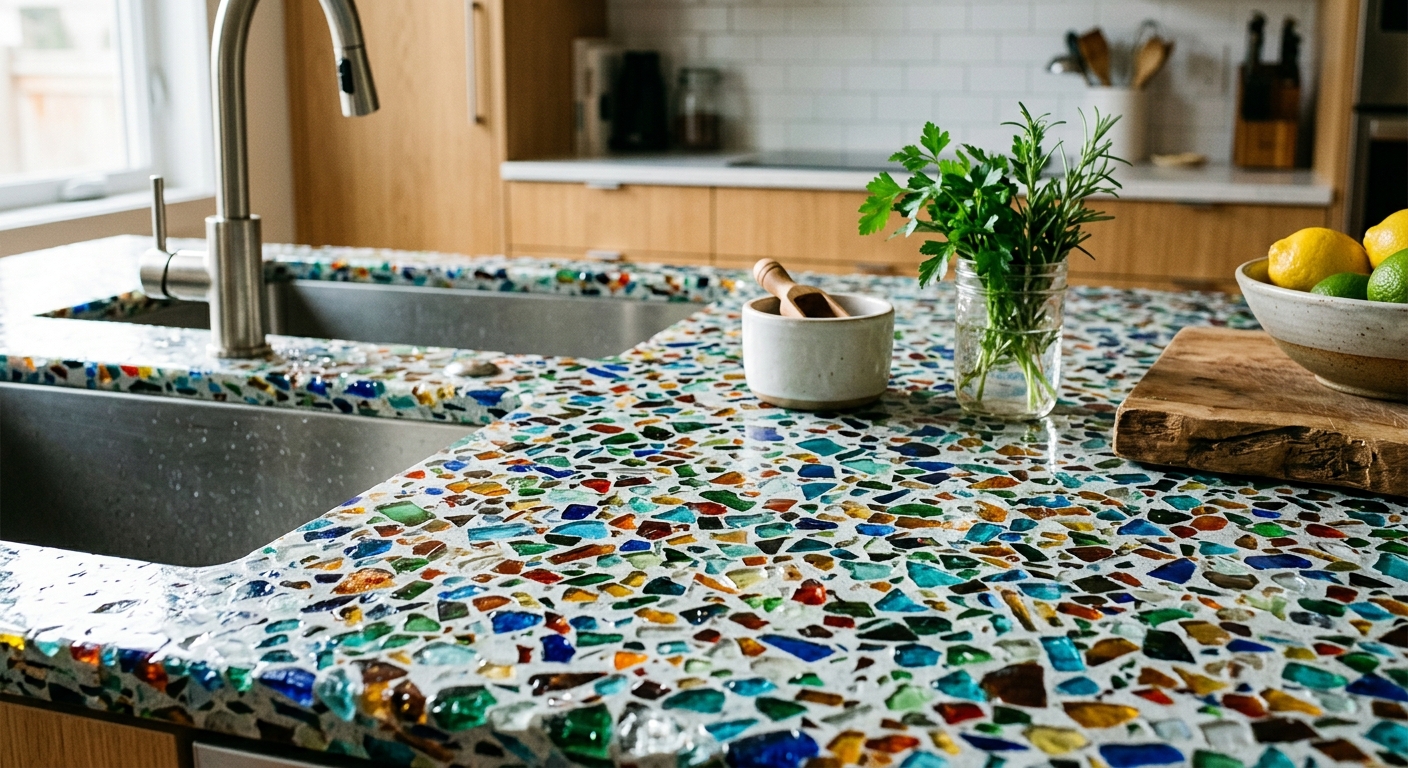
Recycled glass offers a sleek, modern aesthetic that fits well in many contemporary designs. Products like IceStone, which uses 100% recycled glass, provide stunning textures and colors, making them ideal for countertops, backsplashes, and even tile surfaces. These surfaces not only look beautiful but also deliver durability and easy maintenance.
The aesthetic flexibility of recycled glass allows homeowners to play with colors and integrate it seamlessly into their home’s design. By utilizing this material, one can create a striking visual statement that highlights the beauty of sustainability.
Composite Materials
Composite materials, particularly in outdoor applications, are emerging as a strong contender for sustainable upgrades. Products like Trex decking are composed of up to 95% recycled content, combining reclaimed wood and recycled plastic to create durable, low-maintenance surfaces. This makes them perfect for decks and patios, where durability against the elements is crucial.
Additionally, composite materials are designed to resist fading, staining, and scratching, creating a long-lasting investment for your home that reduces the need for frequent replacement or extensive maintenance.
Other Recycled Material Options
Beyond wood and glass, there are numerous other recycled materials available for clever incorporation into your home. For instance, recycled steel can be an excellent choice for structural elements or furnishings. Products like recycled cardboard tiles can also contribute to a unique aesthetic while enhancing sustainability within your interior design.
Moreover, upcycled furniture presents a creative opportunity. Some companies specialize in salvaging old furniture and refurbishing it, bringing new life to forgotten pieces. Not only does this approach offer a sustainable option, but it also allows homeowners to celebrate historical craftsmanship through the art of upcycling.
Conclusion
As homeowners seek to blend aesthetics with ecological responsibility, the incorporation of recycled materials into home design has emerged as a compelling solution. By choosing materials like reclaimed wood, recycled glass, and composite products, individuals can achieve a beautiful, character-rich environment while also contributing to sustainability goals. The pathways to integrating these materials are diverse and accessible, allowing homeowners to explore design options that suit their style and needs.
With an increasing variety of sources and products available, the journey towards a sustainable upgrade in your home can be both enjoyable and gratifying. By embracing recycled materials, you engage not only with aesthetic potential but also with broader sustainability trends, aligning your home improvements with regional waste-management and environmental objectives.
The change towards a sustainable future need not be daunting—instead, it offers an opportunity for creativity, expression, and impact that every homeowner can embrace.


No Comment! Be the first one.