

The Future of Urban Transportation Systems: Strategies for Sustainable Growth
As cities around the globe grapple with challenges of congestion, pollution, and an ever-increasing population, the future of urban transportation systems has come into sharp focus. These systems are not merely about moving people from one point to another; they play a crucial role in shaping the landscapes of our communities, influencing housing developments, economic opportunities, and sustainable practices. In North America, a concerted effort is being made to develop integrated urban transportation systems that prioritize sustainability while driving urban growth and enhancing the quality of life for residents.
Table Of Content
Understanding the Current Landscape of Urban Transportation
The current landscape of urban transportation systems is characterized by an increasing emphasis on integration. Traditional forms of transportation such as automobiles and buses are being supplemented or replaced by innovative alternatives, including high-speed rail, electrified buses, and active transportation networks like biking and walking paths. This shift towards a more sustainable approach is motivated by the urgent need to address environmental concerns, improve urban air quality, and enhance accessibility for all city residents.
The concept of integrated transportation systems embodies the idea of a seamless network – one that allows for efficient transfers between various modes of transport and encourages multimodal use. Such systems are integral to urban planning, as they facilitate better connections between different neighborhoods, reduce travel times, and ultimately enhance economic opportunities in the areas they serve.
In North America, cities are increasingly investing in projects that promote this integrated approach. For instance, Canada’s High-Speed Rail initiative aims to connect Quebec City and Toronto across roughly 1,000 kilometers. With target speeds of up to 300 km/h and a committed investment from the Government of Canada of C$3.9 billion over six years starting in 2024–25, this project is a significant step towards creating a backbone of sustainable mobility that will rejuvenate urban centers along the corridor.
Innovative Technologies and Their Applications
Technological innovations have emerged as transformative forces in urban transportation. High-speed rail is just one example; technologies such as electric and hydrogen-powered vehicles, shared mobility services, and smart traffic management systems also play critical roles in shaping modern urban transportation networks. These investments in technology lead to not only faster and more reliable transport but also reduced greenhouse gas emissions and less reliance on fossil fuels.
The advent of electric buses represents a significant leap forward in public transit technology. Canada has established a broad funding and deployment framework aimed at electrifying transit and vehicle fleets, exemplified by the Zero-Emission Buses Initiative, which targets the deployment of over 5,000 zero-emission buses. Programs such as the ICIP Public Transit Infrastructure Stream have collectively funded hundreds of projects worth over $14.7 billion, focusing on sustainable transit infrastructure and GHG reduction goals, while creating jobs and stimulating local economies.
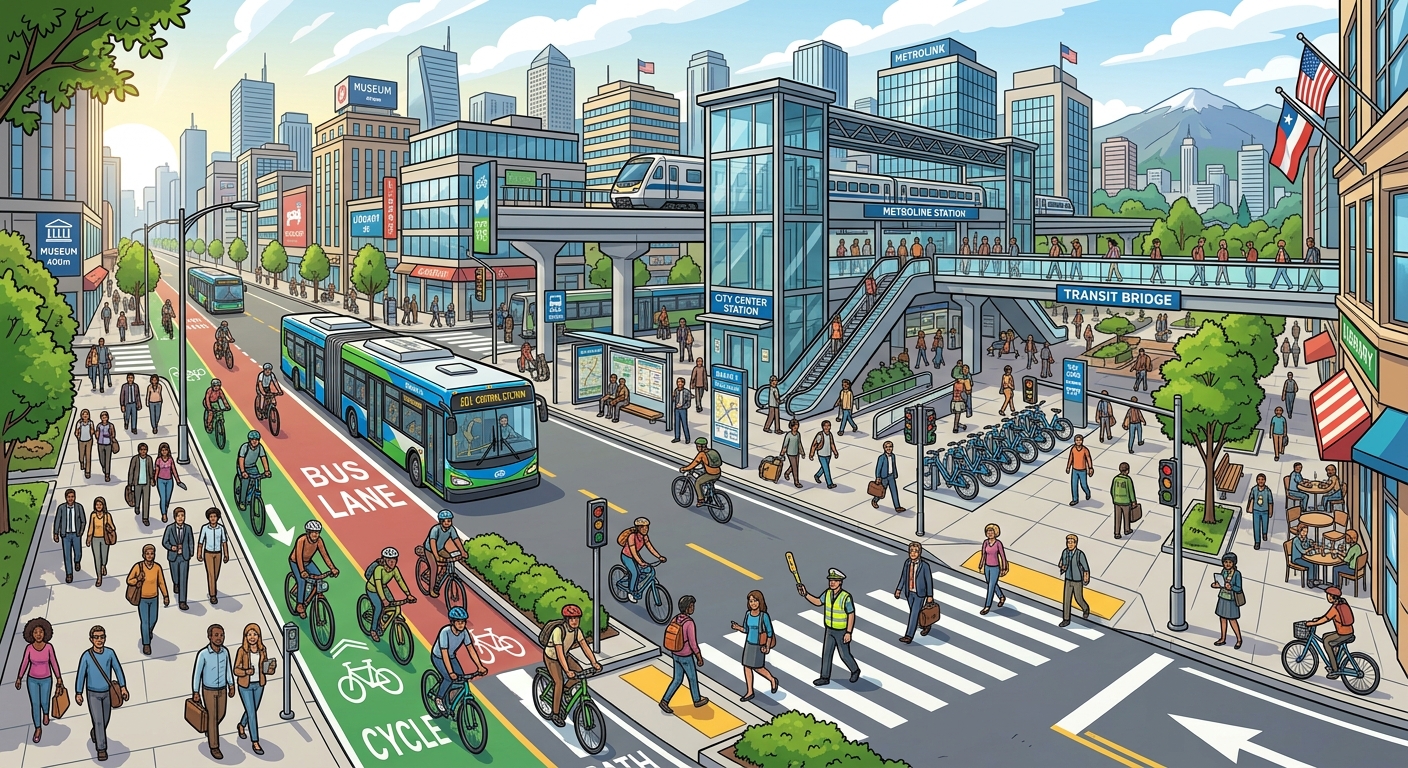
In urban centers, active transportation modes, such as cycling and walking, are gaining traction as a means to connect communities with transit options. Canada’s Active Transportation Fund has been instrumental in supporting the development of urban cycling infrastructure. Major cities like Victoria, BC, have implemented multi-kilometer protected bike lanes to integrate cycling with public transit. This integration not only enhances mobility but also improves public health by promoting active lifestyles and reducing air pollution.
Strategies to Integrate Transportation with Housing Development
Urban growth and housing development are innately linked to transportation systems. As cities expand, the demand for housing and services in proximity to reliable transportation options becomes critical. Therefore, creating synergies between transportation planning and housing development is paramount. Transit-Oriented Development (TOD) has emerged as a strategic framework that capitalizes on this integration, promoting higher-density housing, mixed-use developments, and walkable neighborhoods situated around transit hubs.
Governments and urban planners can enhance the housing landscape by encouraging projects that align with transportation priorities. The National Trade Corridors Fund in Canada supports this vision by promoting cross-border planning and aligning transport investments with housing growth along key transport corridors. Modern developments designed with built-in accessibility to public transit not only improve transportation efficiency but also increase property values and community connectivity.
Furthermore, innovative programs in the United States, such as the Federal Transit Administration’s Mobility on Demand Sandbox, showcase the potential for integrating multimodal options into urban planning. This initiative focuses on creating interoperable fare systems, enhancing data interoperability, and ensuring equitable access to transportation solutions. By reflecting community needs and equitable principles, cities can create transportation networks that enhance mobility without exacerbating existing disparities.
Congestion pricing in urban areas, such as the recently introduced program in New York City, provides a powerful tool for improving traffic flow and funding transportation improvements. By incentivizing the use of public transit and less congested routes, this strategy has led to notable increases in traffic speeds and has reduced harmful emissions in affected zones. Such innovative practices represent a proactive approach to urban transportation, married with sustainable urban growth principles.
Conclusion
The future of urban transportation systems hinges on the successful integration of innovative strategies and technologies that prioritize sustainability and community well-being. As cities continue to grow, policymakers must adopt an expansive vision that interlaces mobility, housing, and economic opportunity. The emphasis on multimodal networks, electrification, and Transit-Oriented Development offers a pathway for cities across North America to enhance urban growth while minimizing environmental impacts.
By adopting a holistic approach to urban planning, cities can establish integrated transportation networks that not only increase efficiency and reduce emissions but also foster vibrant, connected communities. The choices made today regarding urban transportation will have lasting implications on the livability and sustainability of urban environments for generations to come.


No Comment! Be the first one.