



There is a particular kind of beauty that only wood can bring to an interior. It softens architecture, absorbs light with quiet grace, and gives a room an emotional warmth that painted or synthetic surfaces rarely achieve. Yet the essence of wood is never defined by species alone. The true character of a timber floor, a cabinet front, a dining table, or a paneled wall is often revealed through its finish, the final layer that shapes how the material looks, feels, ages, and lives within a space.
Table Of Content
- Why Wood Finishes Matter More Than Many People Realize
- Understanding the Main Families of Wood Finishes
- Penetrating finishes
- Film forming finishes
- The Language of Sheen: Matte, Satin, and Gloss
- Traditional Craftsmanship Meets Modern Performance
- Low VOC, Indoor Air Quality, and Why Material Choices Matter
- How Different Spaces Call for Different Finishing Strategies
- Floors
- Cabinetry
- Furniture
- Trim, paneling, and decorative woodwork
- Choosing a Finish by Style, Mood, and Wood Species
- Surface Preparation: The Invisible Step Behind Beautiful Results
- Maintenance, Repairability, and the Grace of Aging
- Questions to Ask Before You Commit to a Wood Finish
- Designing with Wood Finishes as Part of a Larger Material Story
- Final Thoughts: Natural Beauty, Thoughtfully Finished
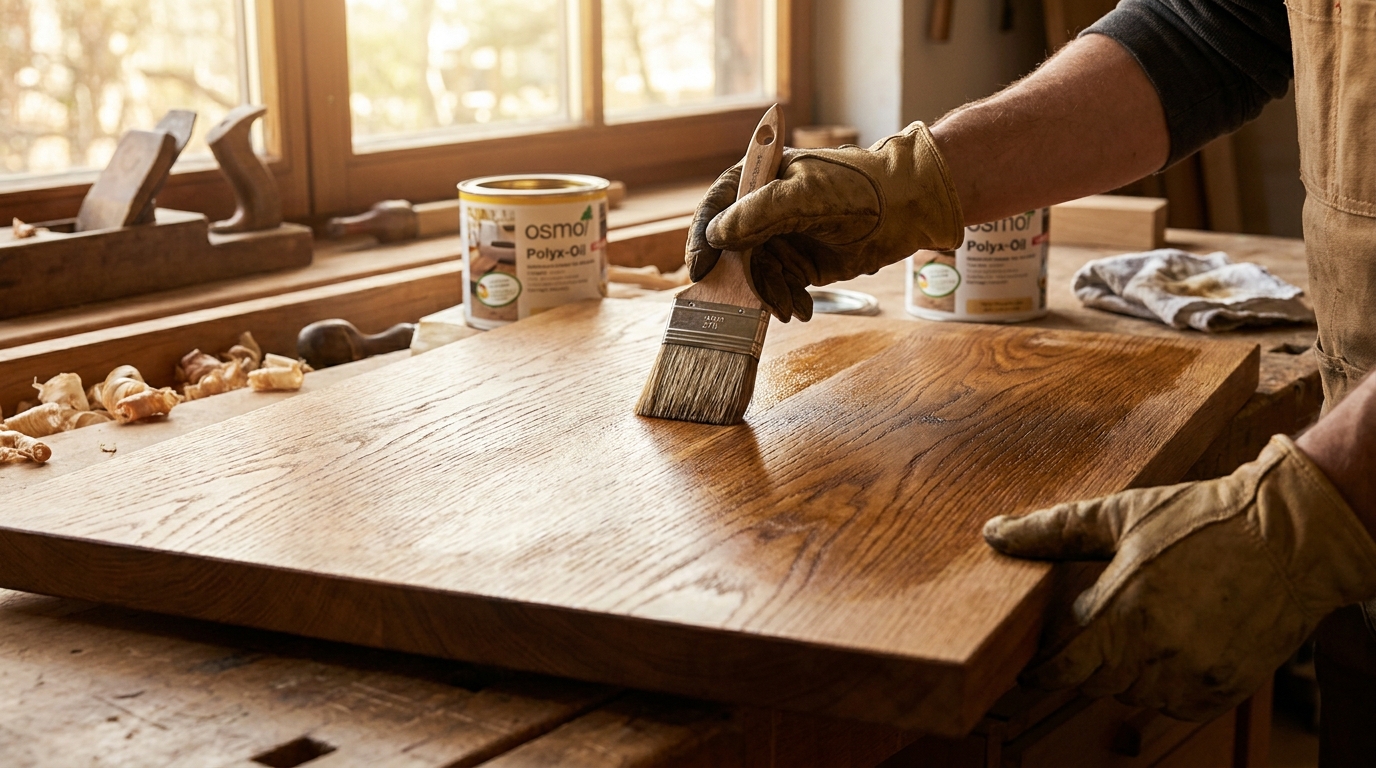
A wood finish is the protective and decorative layer applied to timber, such as oil, wax, lacquer, or coating, that determines how a surface looks, feels, and performs over time. Wood finishes sit at the meeting point of craftsmanship and design. They are practical, because they help shield timber from moisture, handling, stains, and daily wear, and they are deeply expressive, because the same board can look entirely different depending on how it is treated. A finish can make ash feel light and Nordic, walnut feel moody and architectural, and oak feel either rustic or impeccably tailored. The same species can become contemporary, traditional, minimal, or richly classic depending on whether it is treated with oil, wax, waterborne lacquer, or a more advanced low emission coating. In short, the finish, not the wood species alone, decides how a surface is experienced and how well it holds up in daily life.
In today’s interiors, this choice matters more than ever. Homeowners across Canada and North America are asking for spaces that feel natural and lasting, but they are also paying closer attention to indoor air quality, maintenance, regulatory compliance, and the long term behavior of materials. This has helped shift the market toward lower emission systems such as waterborne, UV cured, and high solids coatings, while also renewing appreciation for tactile finishes that preserve grain and avoid an overly plastic appearance. The result is a more thoughtful approach to wood, one that values beauty, performance, and wellness in equal measure.
This guide explores the elegance of wood finishes through both a design lens and a practical one. It explains how finishes affect color, sheen, texture, and atmosphere, while also helping you understand durability, maintenance, formaldehyde concerns in composite products, and the difference between traditional and modern coating systems. If you are planning a renovation, selecting cabinetry, refinishing furniture, or simply refining your eye for materials, a better understanding of wood finishes can transform the way you shape your home.
Why Wood Finishes Matter More Than Many People Realize
One of the most common misconceptions about wood finishes is that they are mainly decorative. In reality, a finish performs two essential roles at once. It creates an aesthetic effect through tone, depth, sheen, and texture, while also protecting the material beneath from wear, moisture, oils from hands, and environmental change. That means the finish is not an afterthought. It is part of the design concept and part of the performance strategy for the space.
Consider the difference between a matte white oak floor treated with a penetrating oil and the same floor sealed with a high gloss film forming product. The wood species is unchanged, yet the room will feel entirely different. The oiled floor may appear calm, modern, and tactile, allowing the grain to remain soft and visible. The glossy floor may feel more formal, more polished, and more reflective, amplifying light but also creating a stronger visual surface. Finish selection therefore influences not only how the wood is perceived, but how the entire room is read.
In the primary suite at 216 Duncan Rd in Richmond Hill, Kingsgate Luxury Homes laid white oak in a herringbone pattern with a soft, low-sheen finish that keeps the grain visible.
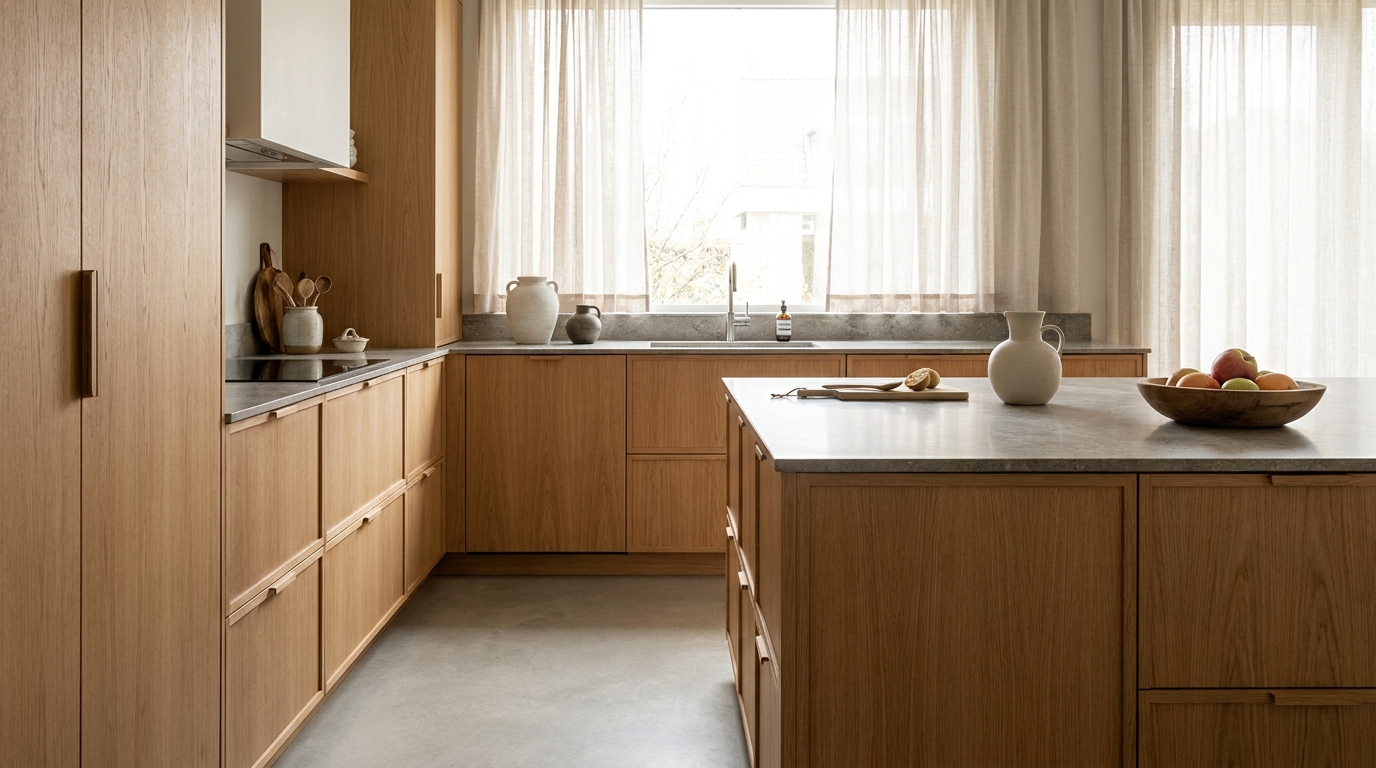
This is especially important in interiors built around restraint. Many of today’s most sophisticated homes rely on subtle variations of texture rather than loud contrast. In these settings, wood helps establish what designers often call quiet luxury, an understated richness expressed through natural materials, careful detailing, and a sense of permanence. A low sheen finish can make cabinetry seem custom and calm. A gently brushed and oiled dining table can feel inviting and lived in. The finish is what allows wood to contribute atmosphere rather than simply color.
At the same time, the right finish can make a surface easier to live with. Kitchen cabinets are touched constantly, dining tables receive heat and spills, floors endure abrasion, and wall paneling may need less intensive protection but greater visual consistency. No single product is ideal for every application. The most successful interiors choose wood finishes with a clear understanding of how each surface will be used, cleaned, maintained, and experienced over time.
Understanding the Main Families of Wood Finishes
Although the world of coatings can become technical very quickly, most wood finishes fall into two broad categories. Some are penetrating finishes, which sink into the wood fibers and enhance the material from within. Others are film forming finishes, which build a protective layer on top of the wood. Both can be beautiful. The key is understanding what kind of look and performance each approach tends to create.
Penetrating finishes
Penetrating finishes include natural oils, certain oil blends, and hardwax oils. These products tend to preserve the tactile quality of timber because they do not create a thick visible film. They often produce matte or low sheen surfaces that celebrate grain, variation, and natural depth. For contemporary interiors, especially those inspired by Scandinavian, Japanese, or softly minimal design, this effect is highly desirable. It allows wood to appear authentic and calm rather than heavily coated.
Hardwax oil has become especially popular because it balances natural appearance with more practical durability than traditional oils alone. It penetrates the surface while leaving a subtle protective layer, making it well suited to furniture, millwork, and in some cases floors, depending on the product system and maintenance plan. It is often chosen for its repairability. Small marks can sometimes be spot treated more gracefully than on a heavily built film finish.
Wax belongs to the traditional family of finishes and remains beloved for its soft glow and hand crafted character. It can make wood look deeply sensual and wonderfully natural. Yet wax is generally less durable than many alternatives and requires ongoing upkeep. Canadian woodworking guidance notes that wax finishes are not very durable and typically need regular, at least annual, maintenance. For decorative objects or low use furniture this may be acceptable, even charming, but for kitchens, active family homes, and high traffic areas, wax alone is rarely the most practical choice.
Film forming finishes
Film forming finishes include many varnishes, polyurethanes, lacquers, and waterborne topcoats. Rather than soaking primarily into the fibers, these build a protective coat over the wood. This can increase resistance to abrasion, staining, and moisture, which is why film forming systems are often used on cabinetry, floors, and other hardworking surfaces. Depending on formulation and application, they can range from ultra matte to high gloss.
Waterborne coatings are increasingly relevant for residential interiors. The U.S. EPA identifies low and no VOC or HAP coating types as including waterborne, UV cured, high solids, and powder coatings. For homeowners and specifiers, this reflects a broader market movement toward lower emission solutions that support pollution prevention and respond to changing standards. Waterborne finishes can offer good clarity, reduced odor compared with many traditional solvent borne systems, and less ambering over time, which makes them especially appealing on pale woods such as maple, ash, and white oak.
Solvent borne systems still exist and may offer certain performance characteristics depending on the application, but many clients now prefer products that align better with indoor air quality goals and evolving environmental expectations. The choice is not simply about trend. It is about balancing beauty, durability, and the lived experience of the people who occupy the space.
The Language of Sheen: Matte, Satin, and Gloss
If color is the emotional tone of a wood finish, sheen is its lighting instrument. Sheen determines how much light a surface reflects, how prominently imperfections are revealed, and whether the wood reads as relaxed, luminous, polished, or dramatic. It is one of the most influential visual decisions in any finish schedule, yet many people choose it too quickly.
Matte finishes are now strongly associated with contemporary luxury. They diffuse light rather than bouncing it sharply, which helps grain remain visible while keeping the surface visually quiet. Matte wood feels natural under daylight and often works beautifully in homes seeking warmth without obvious ornament. It suits open plan living, pale wood cabinetry, wall cladding, and furniture intended to feel tactile and serene.
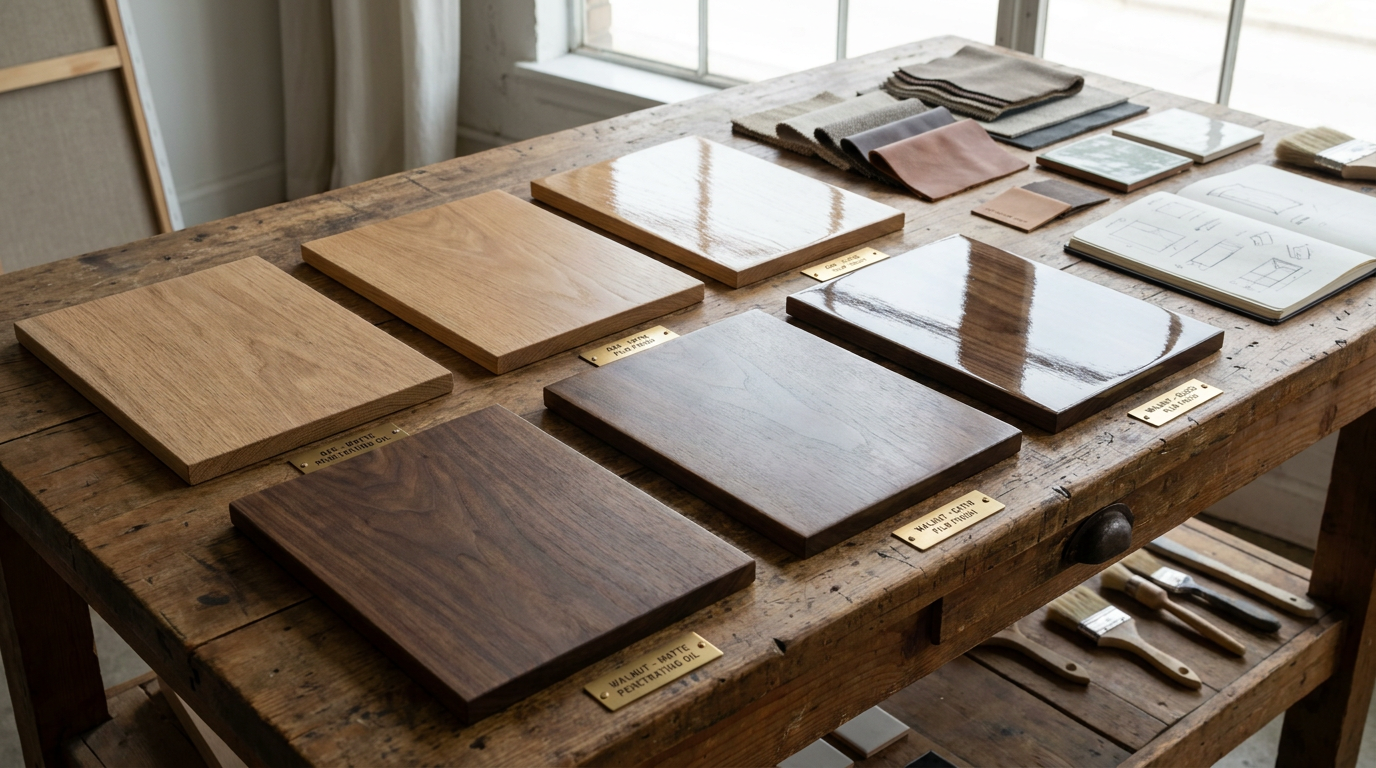
Satin finishes offer a middle path that many designers consider the most versatile. They provide a gentle reflection that enhances richness without becoming shiny. Satin can make walnut appear deeper, oak more elegant, and cabinetry more tailored. In practical terms, it often hides fingerprints and minor wear more comfortably than high gloss while remaining easier to clean than some ultra matte surfaces.
Gloss finishes can be striking, especially in traditional interiors or rooms that intentionally celebrate drama and reflection. They tend to emphasize formality and visual crispness, and they can intensify color depth. Yet higher gloss is not automatically superior protection. This is another widespread misconception. Durability depends on the product system, substrate preparation, and application quality, not on shine alone. In many modern homes, gloss can also feel too hard or artificial for the desired atmosphere.
The most elegant interiors often use sheen with nuance rather than uniformity. A satin dining table may sit comfortably beside matte oak flooring. A low sheen paneled wall can create softness behind polished stone. When used thoughtfully, sheen variation adds richness without noise.
Traditional Craftsmanship Meets Modern Performance
There is something deeply romantic about traditional wood finishing. Hand rubbed oils, waxes, shellacs, and time honored techniques connect us to craft in its purest form. They speak of patience, touch, and a respect for natural material that cannot be rushed. In heritage homes, artisanal furniture, and bespoke joinery, this vocabulary still has tremendous value. It gives wood a sense of soul and history.
At the same time, contemporary life often asks more of our interiors than tradition alone can answer. Kitchens must endure humidity, fingerprints, and cleaning agents. Family dining tables host homework, laptops, and spilled coffee. Condo living requires sensitivity to odor and ventilation during renovation. Public awareness of emissions has also shifted expectations. As a result, the most intelligent interiors do not force a false choice between old and new. They combine the visual wisdom of traditional craftsmanship with the technical advantages of modern coating systems.
For example, a designer may seek the appearance of raw timber while choosing a modern hardwax oil or waterborne finish that offers better stain resistance and lower emissions than a purely traditional treatment. A custom cabinetmaker may use a low sheen compliant coating to preserve the softness of white oak without creating an artificial plastic look. The artistry remains, but the system is adapted for today’s standards of comfort and performance.
The finest wood finish is not the one that shouts the loudest. It is the one that allows the material, the room, and the life within it to feel naturally complete.
This synthesis of heritage and innovation is one of the most compelling directions in interior design. It reflects a broader desire for authenticity that is not nostalgic, and for performance that is not visually cold. Wood finishes are where that philosophy becomes tangible.
Low VOC, Indoor Air Quality, and Why Material Choices Matter
As homes become more carefully insulated and more deeply curated, indoor air quality has become a central design concern. Finishes, adhesives, composite substrates, and furniture all contribute to the air we live with every day. For that reason, conversations about wood finishes increasingly include emissions, labeling, and compliance rather than focusing on appearance alone.
The U.S. EPA identifies low and no VOC or HAP coating categories such as waterborne, UV cured, high solids, and powder coatings. These are important because replacing higher emitting coatings with compliant alternatives is considered a pollution prevention strategy. In practical design terms, this means there are now more options for homeowners who want sophisticated wood surfaces with lower odor and lower emissions than older systems often produced.
In Canada, this issue carries additional relevance. Environment and Climate Change Canada continues to pursue VOC reduction measures for coatings, including architectural coatings, signaling ongoing movement toward lower emission products in the market. For clients and specifiers, that makes it worthwhile to ask not only how a finish looks, but also how it performs in relation to current standards and future expectations.
It is also essential to distinguish between solid wood and composite wood products. Many discussions casually group cabinetry, millwork, and furniture together, yet the substrate can significantly affect indoor exposure. Health Canada notes that formaldehyde can be emitted from certain products including building materials and furniture, and that emissions increase with temperature and humidity. It also states that formaldehyde is released from more than 90 percent of select composite wood products tested. In other words, a wood finish conversation may also need to include what lies beneath the finish, especially in casework, shelving, and manufactured panels.
Canada has updated and amended formaldehyde emissions rules for composite wood products, with final amendments published in 2024. This regulatory context matters because consumers often assume that if a visible finish is labeled low VOC, the product as a whole poses no indoor air concerns. That is not always the case. Coatings, adhesives, resins, and core materials should all be considered together. The elegant choice is the informed choice.
How Different Spaces Call for Different Finishing Strategies
No finish is universally best because no room uses wood in exactly the same way. The right specification depends on wear, moisture, cleaning habits, desired repairability, and visual intention. Understanding the needs of each area helps prevent expensive disappointment later.
Floors
Wood floors endure some of the greatest stress in a home. Shoes, pet claws, chairs, dust, and regular cleaning all place demands on the finish. Here, abrasion resistance and maintenance planning are especially important. Hardwax oil systems can be beautiful and repairable, but they require a willingness to maintain them properly. More robust film forming finishes, including many waterborne floor systems, may provide stronger day to day resistance for busy households. The right decision depends on whether you value ease of spot repair, a natural look, or maximum resistance most highly.
Cabinetry
Cabinet fronts occupy a fascinating middle ground between furniture and architecture. They are visual anchors in a room, yet they are constantly touched. In kitchens and baths, a finish must tolerate oils from hands, cleaning products, humidity, and repeated use. This is where low sheen waterborne systems often shine. They can preserve grain clarity while offering practical washability and a refined appearance. On composite cabinetry, it is also wise to ask about core material compliance and formaldehyde related standards, not just the topcoat.
Furniture
Furniture invites a more nuanced and personal approach. A dining table, sideboard, or coffee table is often chosen for intimacy as much as utility. Here, tactile quality matters greatly. Oiled and hardwax oiled surfaces can feel generous and authentic, especially on solid wood. Yet a family table used heavily might benefit from a finish with greater stain resistance. The balance between romance and resilience is particularly delicate in furniture, and worth considering with honesty about how the piece will actually be used.
Trim, paneling, and decorative woodwork
Wall paneling, ceiling beams, trim, and feature cladding typically experience less direct abuse than floors or countertops. This gives more freedom to prioritize visual effect. Matte and satin finishes are often ideal here because they reveal grain without creating distracting glare. In paneled rooms, the finish contributes significantly to the architecture itself. It can make the room feel monastic and modern, or layered and classical, depending on tone and sheen.
Choosing a Finish by Style, Mood, and Wood Species
Wood finishing is not only technical. It is also emotional. The finish you choose should support the mood you want the room to hold. A serene retreat calls for different material behavior than a formal dining room or a richly detailed library. Personal style becomes visible through these distinctions.
For a Scandinavian or minimalist interior, pale woods with matte or ultra low sheen finishes tend to work beautifully. White oak, ash, and maple often benefit from waterborne or hardwax oil systems that preserve a fresh, natural tone and avoid ambering. The goal is clarity, softness, and light.
For a traditional or transitional interior, satin finishes often offer the right level of depth and refinement. Walnut, cherry, and stained oak can appear wonderfully sophisticated when they carry a gentle luster. Here, the finish may add warmth and richness while still keeping grain visible and believable.
For a rustic or hand crafted atmosphere, finishes that allow texture, variation, and patina to remain expressive are often the most successful. Penetrating oils and carefully chosen wax enhanced systems can bring out the honesty of knots, saw marks, and open grain. The space feels grounded because the material still reads as alive.
For quiet luxury interiors, one of the strongest current directions, the most compelling finishes are often those that appear effortless. This usually means matte or satin sheens, subtle tone on tone coloration, and surfaces that feel expensive because they are restrained rather than loud. Wood is not trying to imitate stone, lacquer, or plastic. It is allowed to be wood, beautifully finished and confidently simple.
Surface Preparation: The Invisible Step Behind Beautiful Results
Even the most exceptional finish cannot disguise careless preparation. Sanding, cleaning, grain raising where required, and understanding how the substrate absorbs product all have a profound effect on the final appearance. This is where craftsmanship truly reveals itself. A beautifully finished surface often owes as much to disciplined preparation as it does to the product itself.
Different sanding sequences influence how stain is absorbed, how much grain texture remains visible, and whether the sheen appears even. Over sanded wood can become unnaturally sealed and may accept color unevenly. Inadequate sanding can leave swirl marks and inconsistencies that become more obvious once finish is applied. Between coats, proper abrasion and dust removal are equally important in many systems.
Surface preparation also has aesthetic consequences. If your goal is a very natural, open grained effect, the process must be calibrated to support that. If you want a more formal, velvety surface, the preparation will differ. This is why sample boards are invaluable. They allow you to see not only the product, but the full system, from wood species and sanding through to final sheen in your actual lighting conditions.
Maintenance, Repairability, and the Grace of Aging
Good design always considers what happens after installation. A wood finish should not only look beautiful on day one. It should also suit your tolerance for maintenance and your expectations around aging. Some people love patina and accept marks as evidence of life well lived. Others want a cleaner, more controlled appearance for longer. Neither is wrong, but the finish must match the mindset.
Penetrating finishes and hardwax oils often age with a softer, more organic patina. They can be forgiving in one sense because local repairs may blend more naturally, but they may also require regular refreshing to keep the surface protected and visually balanced. Traditional wax, while lovely, generally asks for even more ongoing care. This is part of its charm for some owners and a burden for others.
Film forming finishes can provide longer intervals between maintenance, especially in high use areas, but once damaged they may be more difficult to repair invisibly without refinishing a broader area. This is why maintenance planning should be discussed before a finish is chosen. A beautiful home is not defined by perfection alone. It is defined by how gracefully it continues to serve the people living within it.
Cleaning methods also matter. Harsh chemicals can dull or degrade many finishes over time. Manufacturer guidance should always be followed, particularly for specialty oils, waxes, and newer low emission systems. A little knowledge here protects both the investment and the atmosphere of the room.
Questions to Ask Before You Commit to a Wood Finish
When selecting a finish for cabinetry, furniture, floors, or millwork, it helps to ask a focused set of questions. These questions can clarify whether a finish is aligned with your design goals and practical needs.
-
What level of wear will this surface experience every day, and how much maintenance am I realistically willing to do?
-
Do I want the wood to look natural and tactile, or more polished and formal?
-
How important is repairability compared with maximum stain and scratch resistance?
-
Will the finish yellow, darken, or change noticeably over time on this wood species?
-
Is the product low VOC or otherwise designed for lower emissions, and is that enough for my indoor air quality goals?
-
If this is cabinetry or manufactured furniture, what is the substrate, and does it meet relevant formaldehyde related requirements?
-
Can I see large samples in natural daylight and evening light before making a final choice?
These questions elevate the selection process from decoration to informed design. They also help prevent the common mistake of choosing based on appearance alone, without understanding how the finish will behave in daily life.
Designing with Wood Finishes as Part of a Larger Material Story
The finest interiors rarely treat materials in isolation. Wood finish should relate to stone, metal, paint color, textiles, and natural light. A warm matte oak may soften cool limestone. A satin walnut vanity can enrich brushed nickel and honed marble. A nearly raw ash finish can make a room of plaster and linen feel ethereal. These relationships are what transform a surface choice into a fully composed interior language.
Wood can also be used strategically to shape emotion in a home. In entryways, it creates welcome. In kitchens, it balances the hardness of stone and appliances. In bedrooms, it encourages calm. In studies and libraries, it adds gravity and enclosure. The finish determines whether these effects feel relaxed, tailored, moody, or luminous. In that sense, wood finishing is not separate from space planning. It is part of how a room is experienced sensorially.
For renovations, this perspective is especially useful. When older wood elements are being refinished, the goal should not always be to make them look new. Sometimes the most elegant decision is to preserve patina while improving protection. In newer homes, the challenge may be the opposite: introducing enough texture and natural variation to prevent the space from feeling sterile. In both cases, finish becomes a bridge between architecture and atmosphere.
Final Thoughts: Natural Beauty, Thoughtfully Finished
The elegance of wood finishes lies in their quiet power. They shape how we see grain, how light settles across a surface, how a room feels at the end of the day, and how materials endure the rituals of everyday life. A finish can make wood feel honest, luxurious, understated, dramatic, or timeless. It can also influence maintenance demands, indoor comfort, and long term satisfaction more than many people expect.
Today’s best choices are not about blindly favoring tradition or novelty. They are about understanding the unique strengths of each system. Traditional finishes still offer extraordinary beauty and tactility. Modern low emission coatings bring important advances in durability, compliance, and indoor air awareness. Hardwax oils, waterborne systems, UV cured technologies, and carefully chosen protective topcoats all have their place when selected with care.
If there is one principle worth carrying forward, it is this: let the finish serve both the material and the life around it. Choose it with the same attention you would give to stone, lighting, or architecture. Ask how it will age, how it will feel to the hand, how it will behave in sunlight, and how it will support the health and ease of the home. When chosen thoughtfully, a wood finish does more than preserve timber. It reveals its natural beauty and allows your space to become more intimate, more graceful, and more deeply your own.



No Comment! Be the first one.