Daylight Is Becoming Architecture’s Most Delicate Material
Before a wall is painted, before a floor is chosen, before furniture gives a room its social rhythm, light has already begun to design the space. It enters quietly, touches a surface, sharpens an edge, softens a threshold. In the newest generation of architectural thinking, daylight is no longer treated as a pleasant consequence of windows. It is being approached as a primary material, one capable of shaping atmosphere, comfort, memory, and climate response with unusual precision.
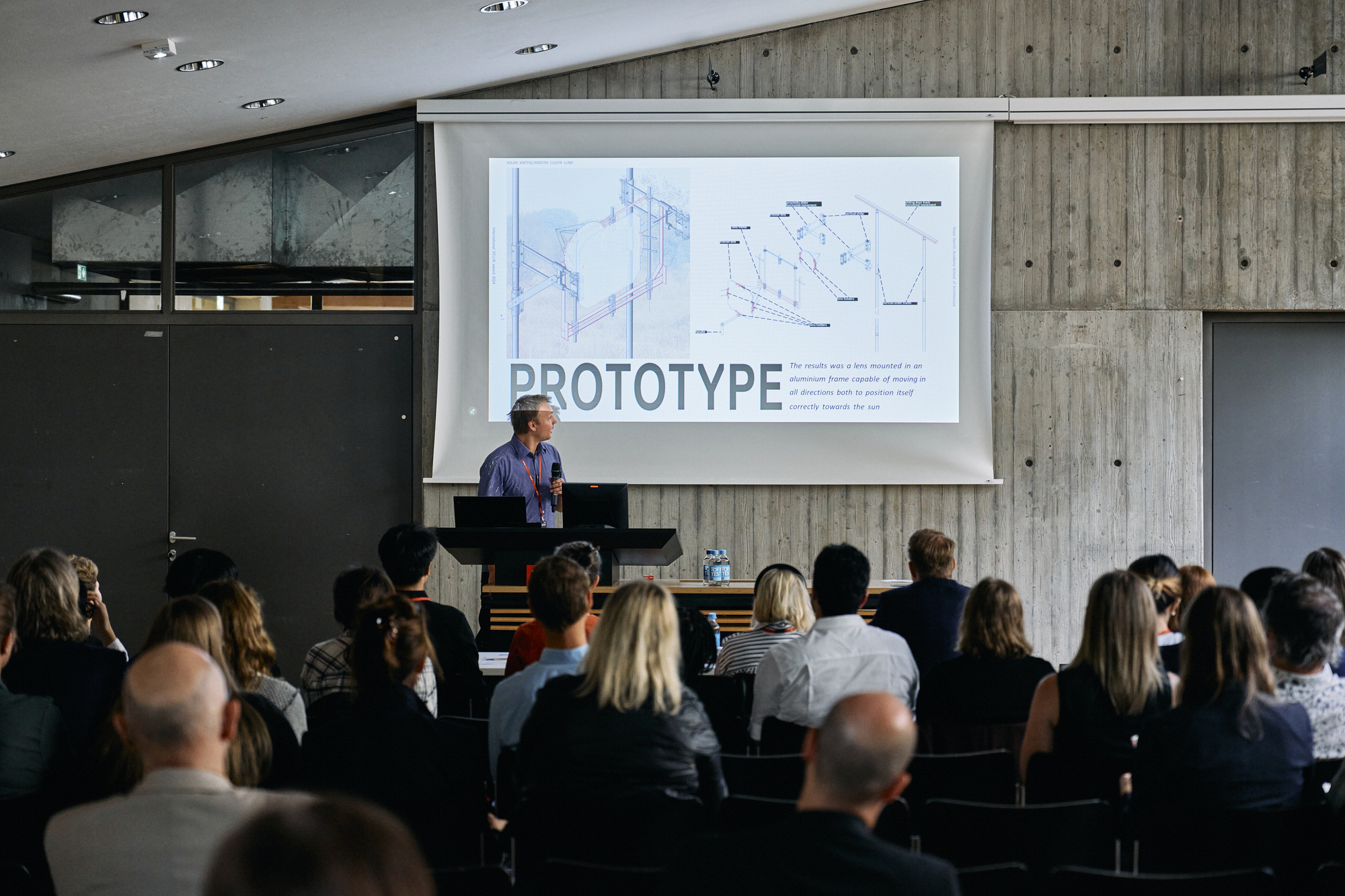
As ArchDaily reports, the 2026 edition of VELUX’s Light of Tomorrow competition received 539 projects from 345 architecture schools across the world. The scale of participation is revealing. Students are not simply asking how much natural light a building can admit. They are asking what kind of light a space deserves, how it should move, what it should reveal, and how it can make architecture more humane.
This shift matters because daylight carries qualities that artificial illumination can imitate but never fully replace. It has duration. It has temperature. It changes by hour, season, and weather. A room lit from above feels different from a room lit laterally. A narrow aperture can make a corridor ceremonial, while a filtered screen can turn harsh sun into a patterned interior skin. In this sense, designing with natural light is also designing with time.
The awarded projects, with names such as Woven Light, Filtered Light, The Light as Memory, Sun the Quilt, and Woven Time, suggest an aesthetic language rooted in softness, layering, and cultural specificity. These are not titles of technical exercises alone. They speak of fabric, recollection, domestic rituals, climate, and place. The language is telling. Young architects are returning to light as something tactile, almost textile, something that can be gathered, diffused, folded, shaded, or allowed to rest.
To design with daylight is to accept that a room is never static. It is always becoming.
For interiors, this approach has immediate resonance. A daylight-led room does not depend on spectacle. It depends on proportion, depth, and the intelligence of surfaces. Limewash, pale timber, stone, linen, clay, brushed plaster, and matte ceramics all respond beautifully because they receive light rather than reflect it aggressively. Their value lies in nuance. They allow brightness to settle, shadows to remain visible, and texture to become part of the emotional temperature of a space.
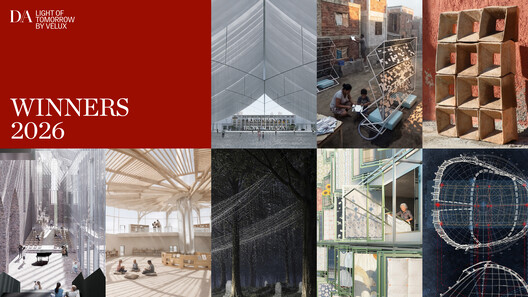
The competition’s special categories are equally significant. Projects addressing new buildings, building transformations, and daylight investigations point to a broader design future. Natural light is being considered not only in pristine new architecture, but in reuse, adaptation, and environmental repair. In dense cities and warming climates, the question is no longer simply how to brighten interiors. It is how to bring in light without glare, heat, waste, or spatial fatigue.
One of the most compelling ideas in the jury’s response was the value of the ordinary. Daylight does not need theatrical drama to be powerful. It can be a breakfast table warmed in the morning, a stairwell made safer and more graceful, a reading corner relieved from visual strain, or a courtyard that teaches the household to notice the afternoon. The best interiors often begin there, with attention to the daily choreography of light.
For design-minded readers, the lesson is beautifully practical. Before choosing a palette, study where the light falls. Before adding more objects, observe the shadows. A space gains its deepest elegance when material, opening, and orientation work together. The future of architecture may be technologically complex, but its most enduring gestures remain elemental: a surface, an aperture, and the quiet intelligence of the sun.
Source: ArchDaily