
Trade War Turbulence: What Rising Tariffs Mean for Real Estate Investors and Borrowers
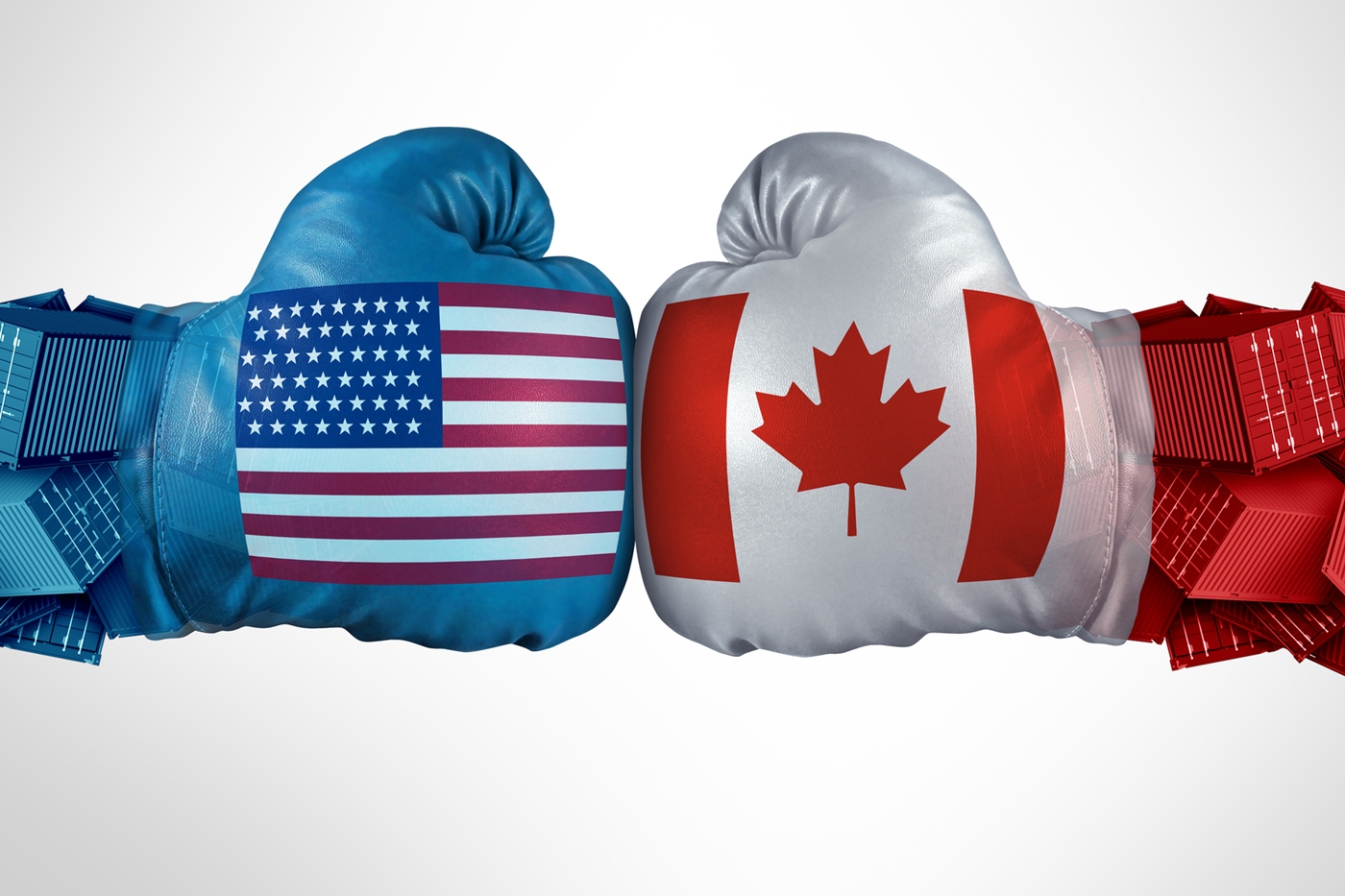
Every serious investor knows that real estate returns are never just about the property. They are about the economic current running beneath it: rates, credit access, and the confidence of the people who ultimately buy and finance homes. Right now, that current is being disrupted by a trade standoff between Canada and the United States, and the ripple effects are starting to reach mortgage desks and balance sheets across the country.
Since trade talks broke down in late August, tariffs of 50% have landed on select Canadian exports, with retaliatory measures following in kind. A study from University of Calgary economist Trevor Tombe estimates the fallout could cost close to 90,000 jobs, concentrated in Ontario and Quebec, with British Columbia and Alberta also exposed. For investors, job concentration matters. Markets tied to trade-sensitive employment are the ones to watch most closely for softening demand and rental turnover in the months ahead.
Goldman Sachs projects the tariffs will shave 0.3% off Canadian GDP while adding a similar amount to inflation, a combination that puts the Bank of Canada in a difficult holding pattern. With the overnight rate parked at 2.25%, Governor Tiff Macklem has already flagged that “uncertainty about the sustainability of the rebound has increased with new U.S. trade actions.” Bond yields have climbed in response, pushing fixed mortgage rates higher and nudging more borrowers toward variable and shorter-term products.
Bruno Valko, vice president of national sales at RMG Mortgages, put a word to the risk that should get every investor’s attention: stagflation. Inflationary tariffs, elevated bond yields, and oil price pressure from geopolitical conflict are stacking on top of each other. “A negative pull on GDP with a boost to inflation makes me think of a very nasty word: stagflation,” Valko says. That scenario leaves the central bank with no clean lever to pull, since raising rates fights inflation but chokes growth, while cutting rates risks the opposite.
Trade-exposed money runs through the local economy and all local businesses, so in one way, shape, or form, we’re all impacted.
That line, from Neil Drepaul of Canadian Mortgage Services, is the framework investors should adopt right now. Even portfolios with no direct exposure to steel, aluminum, or dairy are connected through financing costs and buyer confidence. Drepaul also notes that banks tightened lending standards for self-employed borrowers in trade-exposed sectors during the last dispute, and could do so again, which means underwriting discipline deserves fresh attention when evaluating tenant income stability or co-investor qualification.
On the supply side, retaliatory tariffs on steel and aluminum are expected to raise construction costs further, a headwind for anyone underwriting new builds or value-add renovation projects. Valko frames it plainly: it is becoming too expensive to build, while affordability ceilings limit how much of that cost can be passed to buyers. For investors, that tension argues for patience on ground-up development timing and closer scrutiny of financing structures, including longer amortizations and equity-based solutions, that can absorb short-term volatility.
The strategic takeaway is not to retreat from the market, but to price uncertainty properly. Valko’s own advice, that the best move for any homeowner or investor right now is speaking with a mortgage professional about options like co-signers, Purchase Plus Improvement financing, or rental income structuring, applies just as much to portfolio holders as first-time buyers. Timing decisions around this level of macro noise separates disciplined investors from reactive ones.
Source: Canadian Mortgage Trends