
Why Toronto Developers Are Betting on Rentals Over Condo Sales
When a developer walks away from a condo launch and builds rentals instead, that is not a retreat. It is a recalculation. In Toronto right now, that recalculation is happening across the city, and it tells investors exactly where the smart money is moving.
Republic Developments is a case in point. The firm had planned to sell condo units in the first phase of a project along St. Clair Avenue East in Scarborough. Instead, those homes will now be delivered as rentals. The reasoning, according to the company’s leadership, comes down to a simple gap: what buyers are willing or able to pay today does not line up with what it costs to build. That gap is the single most important number in this story, and it is reshaping how capital flows into new housing supply.
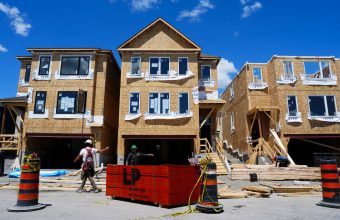
Other builders are reaching the same conclusion. A five-unit rental property nearing completion in North York has already leased three of its units, with five more in the pipeline. The logic is straightforward from a demand standpoint too. Families who cannot yet assemble a down payment still need a place to live, and well-built rentals in family-oriented neighbourhoods are absorbing that demand efficiently.
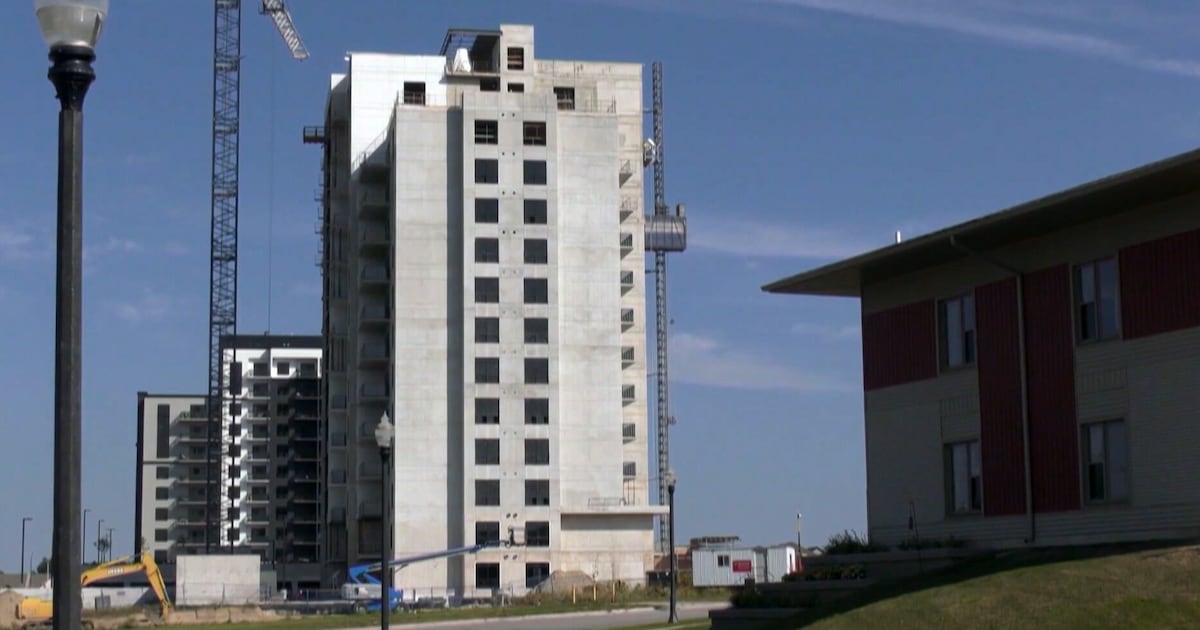
The data backs up the shift. Canada Mortgage and Housing Corporation figures show the six-month trend in national housing starts barely moved in September, up just 0.6 per cent from August. Meanwhile, rental apartment starts in the Toronto area jumped 82 per cent in the first half of 2026 compared with the same period a year earlier. That divergence is the clearest signal in this market cycle: capital is rotating out of for-sale product and into purpose-built rental, and it is doing so at scale.
Unless they reduce the cost to build where prices can get back in line for profit for the development community, you’re not going to have any projects starting.
That warning from Royal LePage Signature Realty’s Simeon Papailias points to the financing mechanics that matter most to anyone tracking this space. Condo projects still depend on pre-construction sales to secure financing, and buyer appetite for that risk has thinned. Bosley Real Estate broker Davelle Morrison notes her clients are increasingly unwilling to commit to pre-construction, wary of completion risk and developer solvency. That hesitation is pushing more projects toward the rental model almost by default.
Government incentives are reinforcing the trend rather than resisting it. Ottawa’s $55 billion Apartment Construction Loan Program and a full federal sales-tax rebate for qualifying rental housing have made rental development more financeable, while Ontario has committed up to $178 million toward the Scarborough Junction project, expected to deliver roughly 1,700 rental homes. For investors, the combined effect of soft pre-sale demand, tighter construction economics, and targeted policy support points toward purpose-built rental as the more durable play in this cycle. Resale condos, cheaper and immediately visible to buyers, may also find renewed interest as new supply slows. Either way, the capital discipline on display here is worth watching closely.
Source: BNN Bloomberg