



Effortless Ways to Enhance Your Home’s Temperature Control on a Budget
There is a special kind of relief that comes from walking into a home that feels consistently comfortable. Not too cold by the windows, not too stuffy upstairs, not full of little drafts that make you reach for a blanket even when the thermostat says everything should be fine. Good temperature control shapes the mood of daily life in quiet but powerful ways. It affects how well you sleep, how easy it is to relax, how welcoming your home feels to guests, and even how much you dread the next utility bill.
Table Of Content
- Why Temperature Control Is Really About the Whole House
- Start With the Drafts You Can Feel and the Leaks You Cannot
- Where to Check First for Everyday Draft Problems
- Make Your Windows Work Harder for Comfort
- Give Doors a Closer Look Than You Probably Have Before
- Use Insulation as a Comfort Upgrade, Not Just a Construction Term
- Do Not Ignore Your Ducts if You Have Forced Air
- Optimize Your Thermostat Instead of Fighting With It
- Simple Thermostat Habits That Support Better Comfort
- Create a Seasonal Routine for Better Indoor Balance
- Prioritize the Rooms You Use Most
- Look Into Rebates and Tax Credits Before You Buy
- What Not to Expect From One Single Upgrade
- Your Budget Friendly Temperature Control Plan
- Quick Comfort Checklist to Revisit Throughout the Year
The encouraging news is that a more comfortable home does not have to begin with a major renovation or a costly HVAC replacement. In many homes, the real issue is not the heating or cooling equipment itself. It is the small ways conditioned air escapes and outdoor air slips in, or the way a thermostat is being used without a broader comfort strategy around it. According to ENERGY STAR, heating and cooling account for almost half of the average U.S. household’s annual energy bill, which is more than $900 per year on average. That makes even modest improvements worth your attention.
If you have ever felt like one room is always colder than the rest, or your air conditioner seems to run far longer than it should, this article is for you. The goal here is simple: help you improve your home’s temperature control through approachable, budget friendly, DIY minded upgrades that make a meaningful difference. Instead of chasing one dramatic fix, you can layer a series of smart, affordable changes that work together to reduce drafts, hold temperatures more steadily, and make everyday comfort feel easier to maintain.
Think of this as a home comfort reset. You will start by sealing leaks, then move to windows and doors, then take a fresh look at insulation, ducts, and thermostat habits. Along the way, you may find that the home you already love simply needs a bit more attention at its edges. Sometimes the biggest luxury is not a larger house or a designer renovation. Sometimes it is waking up in a bedroom that feels warm in winter, cool in summer, and gently balanced all year long.
Why Temperature Control Is Really About the Whole House
Many people assume indoor comfort begins and ends with the thermostat, but that is only part of the picture. A thermostat can tell your system when to turn on and off, but it cannot stop cold air from slipping through a poorly sealed window frame. It cannot keep heat from gathering in an under insulated upstairs room, and it cannot correct air leaking from ducts before that heated or cooled air reaches the rooms where you need it. Temperature control is most effective when the entire home works together.
ENERGY STAR says sealing and insulating is often the most cost effective way to improve home efficiency and comfort. That point matters because it shifts the conversation away from expensive equipment as the first solution. If your home is losing heat or gaining heat too easily, even the best furnace or air conditioner will be working against the building itself. You may still feel uncomfortable, and the system may run more often than necessary just to maintain a basic set point.
This is especially important in regions with strong seasonal swings, including cold climate areas in Canada and the northern United States. In those homes, drafty windows, leaky ducts, and inadequate attic or basement insulation can create rooms that feel far colder than the thermostat reading suggests. The result is a home that may technically be heated, yet never fully cozy. Once you begin thinking about comfort as a whole house experience, the smartest next steps become much clearer.
It also helps to let go of a common misconception. Replacing a furnace or air conditioner is not always the first move. In many cases, it is far more practical to reduce the load on your home first. Sealing air leaks, adding insulation where accessible, and improving how your thermostat is scheduled can transform the way a home feels before you ever consider a larger investment.
Start With the Drafts You Can Feel and the Leaks You Cannot
If you want the highest impact budget project, begin with air sealing. This is one of the most approachable DIY upgrades because it often involves simple materials like caulk, weatherstripping, and foam sealant used in carefully chosen places. Air leaks tend to gather around windows, doors, trim, utility penetrations, attic hatches, basement edges, and the rim joist area. These small gaps may not seem dramatic on their own, but together they can quietly undermine the comfort of the entire house.
A practical way to begin is by spending time in your home with fresh attention. On a cold day, move slowly along windows and doors with the back of your hand and notice where you feel movement or chilly spots. On a hot day, pay attention to rooms that warm up quickly even when the cooling is running. You can also look for signs like curtains moving slightly near closed windows, dust collecting around gaps, or rooms that never seem to match the rest of the home. Comfort clues are often visible once you start looking for them.
Caulking is especially useful for stationary gaps around trim, baseboards, and exterior penetrations where materials have separated over time. Weatherstripping works better where something opens and closes, such as doors and movable window sashes. The aim is not to make the house airtight in a problematic way. It is to stop uncontrolled leakage that wastes conditioned air and creates uneven comfort. These are small interventions, but they can change the emotional feel of a room almost immediately.
One of the nicest things about air sealing is that it rewards focus. You do not have to tackle the entire house in one weekend. Start with the spaces you use most, such as the living room, primary bedroom, nursery, or home office. If one space consistently feels uncomfortable, improving that room first can have an outsized effect on your daily experience of the home.
Where to Check First for Everyday Draft Problems
Some areas deserve priority because they are so often responsible for discomfort. Windows and doors are obvious starting points, but the trim around them matters just as much as the glass. Look at where casings meet the wall, where the threshold meets the floor, and where old weatherstripping has flattened or peeled away. These transition areas are easy to overlook because they fade into the background visually, yet they matter enormously in how a room feels.
Basements and lower levels are another common source of temperature imbalance. The rim joist, which is the perimeter area where the framing meets the foundation, is notorious for leakage in many homes. Even a finished basement can feel damp, chilly, or disconnected from the rest of the house if this area is poorly sealed. Likewise, an attic hatch can quietly leak conditioned air upward, making upper floors feel harder to heat in winter and harder to cool in summer.
If your home has forced air heating or cooling, duct joints should also be part of your comfort check. Duct leaks are a hidden issue because the system may appear to be operating normally while sending some of its conditioned air into unconditioned spaces. ENERGY STAR notes that sealing and insulating ducts can improve forced air system efficiency by as much as 20 percent. That is a powerful reminder that comfort losses are not always visible in the rooms themselves.
Make Your Windows Work Harder for Comfort
Windows shape the character of a home beautifully, but they also influence temperature more than many people realize. In winter, cold glass can make a room feel uncomfortable even if the air temperature is technically acceptable. In summer, untreated glass can allow solar heat to build up quickly, especially in west facing rooms. This is why windows deserve a thoughtful, layered approach rather than a one size fits all fix.
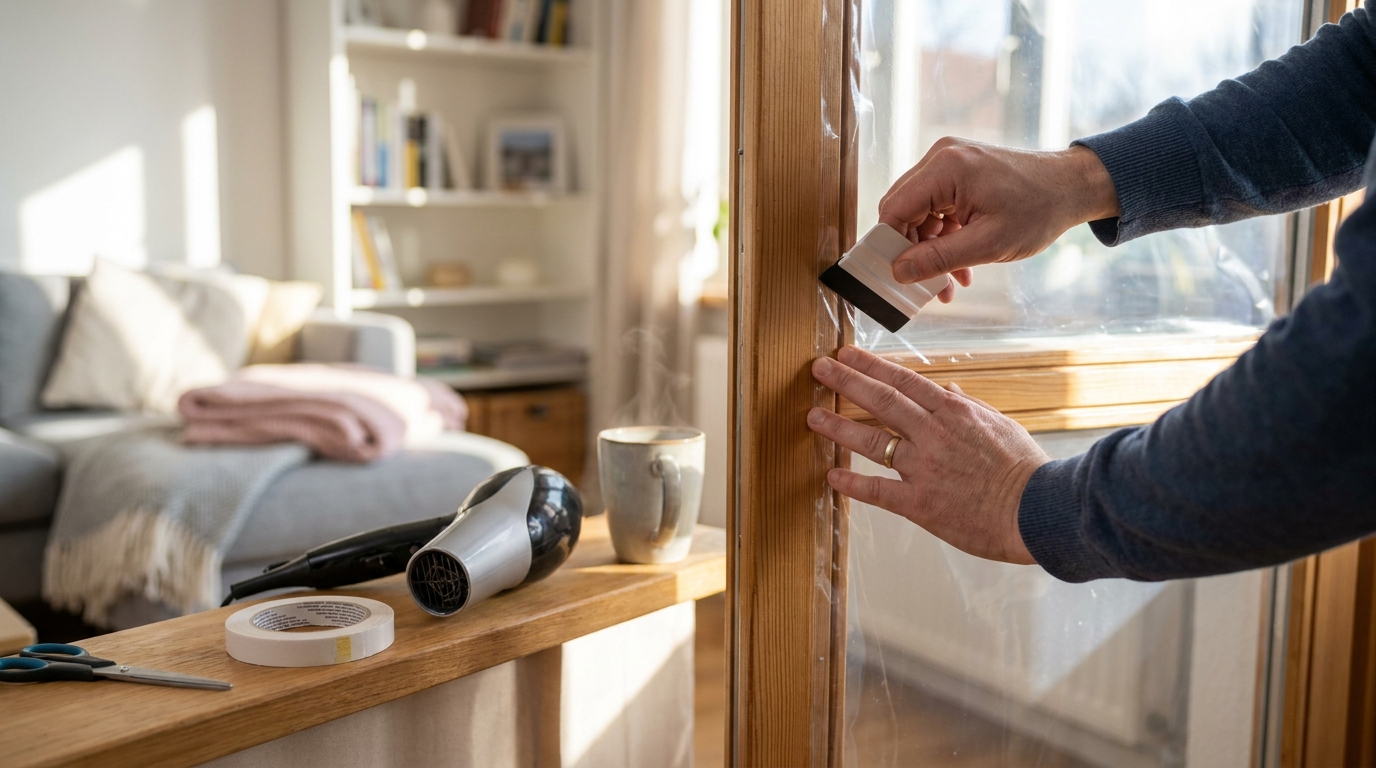
If new windows are not in the budget, you still have excellent low cost options. ENERGY STAR says plastic window film kits are inexpensive and can reduce drafts and condensation in winter. These kits can be especially worthwhile in older homes or in rooms where windows feel noticeably cold. Once installed neatly, they can create a surprisingly effective barrier that improves the comfort near the glass and helps your heating system maintain a steadier indoor temperature.
Window treatments also matter more than people often expect. A well lined curtain can help reduce nighttime heat loss in colder months, while a shade or blind can soften heat gain during sunny parts of the day. The key is to use them strategically. Open coverings when the winter sun brings welcome warmth into the room, then close them after dark to hold onto that warmth. In summer, close treatments before direct sun has a chance to overheat the space.
For homeowners thinking a little longer term, storm windows and upgraded glazing may offer meaningful savings and comfort. ENERGY STAR estimates certified low e storm windows can save homeowners about $350 per year on heating and cooling bills on a national average when installed over single pane clear glass windows. Energy efficient window frames and insulated glazing improve thermal resistance and can reduce heat loss through windows. Even if full replacement is not the next step, knowing that window performance varies by glazing, frame type, and climate zone helps you make better choices over time.
It is also worth correcting another misconception here. Window film is not only for extreme climates or emergency measures. In many ordinary homes, it is a practical seasonal comfort tool. When used thoughtfully, it can make the area near a drafty window feel calmer, reduce condensation, and help a room hold its temperature with less effort.
Give Doors a Closer Look Than You Probably Have Before
Exterior doors are busy parts of the home. They open and close constantly, they face wind and weather, and their seals naturally wear down. Because of that, they are among the most common places for noticeable drafts. The good news is that doors are also one of the easiest places to make affordable improvements that deliver immediate comfort.
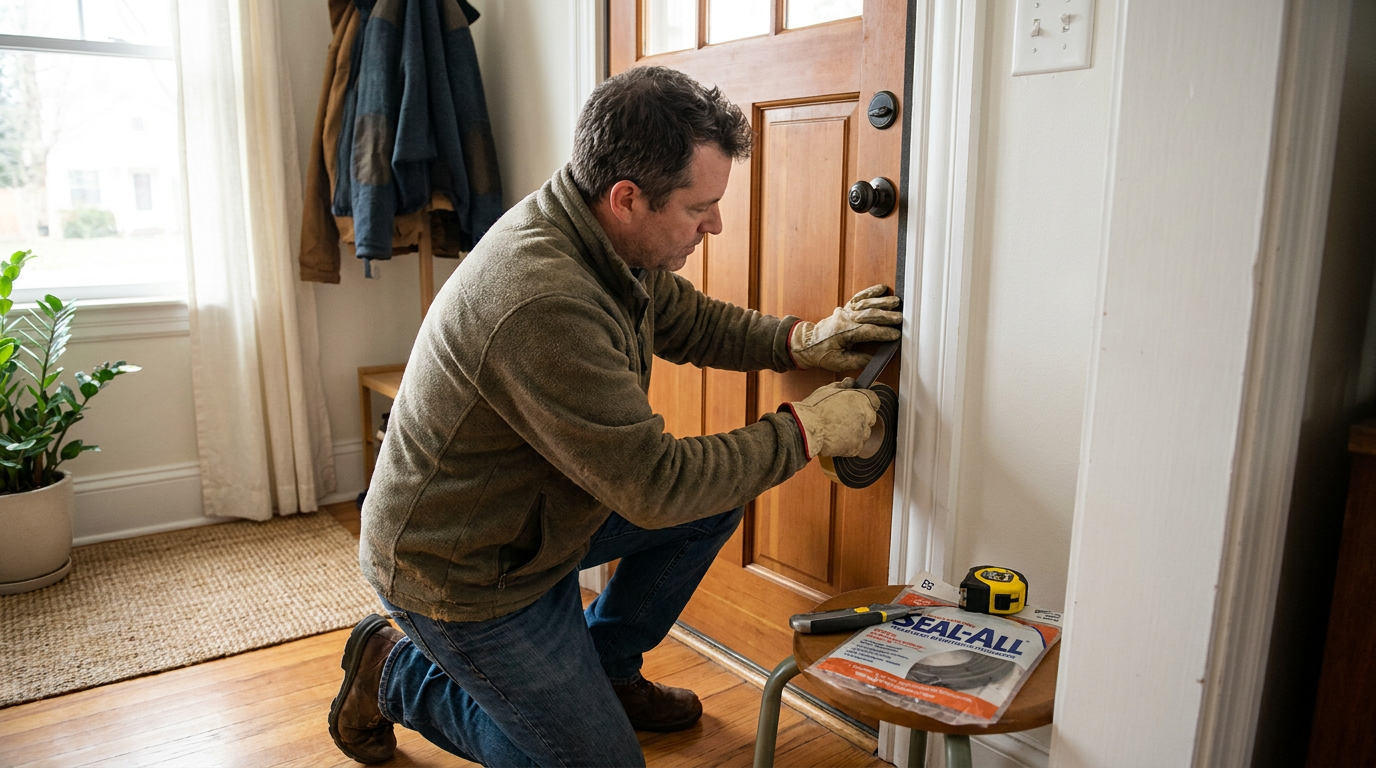
Start with the basics. Check whether daylight is visible around the edges when the door is closed. Notice whether the threshold seal feels compressed, brittle, or uneven. Pay attention to the lower corners where drafts often gather. Replacing old weatherstripping or adjusting the sweep at the bottom of the door can make an entryway feel significantly less chilly in winter and less hot in summer.
Do not forget the emotional side of this upgrade. A well sealed front or back door changes the atmosphere of the surrounding area. Mudrooms, entry halls, and kitchens often feel calmer and more settled when that subtle stream of outdoor air is no longer slipping inside. In family homes where doors are used often, improving those seals can have an outsized effect on everyday comfort.
If you have a door to an attached garage, that opening deserves special care. Keeping the seal in good condition helps with both temperature control and air quality. A garage side door that leaks can make adjacent rooms feel persistently uncomfortable, especially bedrooms above the garage or living spaces nearby.
Use Insulation as a Comfort Upgrade, Not Just a Construction Term
Insulation can sound technical, but in real life it is simply one of the main reasons a room feels steady instead of constantly reacting to outdoor weather. If your home warms up too quickly in summer, loses heat fast in winter, or has major floor to floor differences, insulation may be part of the story. While large scale insulation projects can require professionals, there are still accessible areas where homeowners can make helpful DIY improvements.
Attic hatches are a perfect example. An uninsulated or poorly sealed attic opening can undermine the comfort of the upper floor because warm air naturally rises and escapes there in winter. Adding weatherstripping around the hatch and insulating the back of the hatch cover can be a simple but effective project. It is not glamorous, but it supports the kind of whole home comfort that people feel without always seeing.
Basements and crawlspace transitions also matter. If the lower level feels cool and damp, or the first floor above it always seems a little uncomfortable, improving insulation and air sealing in those boundary areas can make a noticeable difference. Rim joist insulation is often discussed in more technical settings, but the lived result is easy to understand: fewer cold edges, fewer drafts, and a home that holds onto warmth more gently.
This is where the idea of layered improvement really comes alive. Insulation works best in partnership with air sealing. If you insulate without addressing air leaks, you may not get the full comfort benefit. If you seal leaks but leave major thermal weak spots untouched, you may still feel some imbalance. Together, however, these two upgrades often provide one of the best comfort returns for the money.
Do Not Ignore Your Ducts if You Have Forced Air
When a room never seems to get warm enough in winter or cool enough in summer, people often blame the thermostat first. But if you have a forced air system, the issue may be in the ducts. Duct leaks can let conditioned air escape into unfinished basements, attics, or utility spaces before it ever reaches the rooms where you need it. That means the system runs, the energy is used, but the comfort payoff is diluted.
ENERGY STAR says duct sealing and insulation can improve forced air system efficiency by as much as 20 percent. That is a compelling number, especially for homeowners trying to improve comfort without replacing major equipment. If accessible ducts run through unfinished spaces, check visible joints and connections for signs of separation or old failing tape. Proper duct sealing materials matter here, so use products intended for ductwork rather than basic household tape.
Duct insulation is also important when ducts pass through very hot or very cold spaces. Without it, the air traveling inside can lose some of its intended temperature before it arrives in your rooms. This is one reason upper bedrooms or bonus rooms can feel inconsistent compared with the main living areas. The equipment may be doing its job, but the delivery system needs attention too.
If your ductwork is difficult to access or seems more complex than a simple DIY repair, this may be the moment to bring in a professional. Even then, it helps to understand the principle yourself. Better temperature control is not only about producing warm or cool air. It is also about protecting that air all the way through the home.
Optimize Your Thermostat Instead of Fighting With It
Once your home is holding temperature better, your thermostat becomes much more effective. This is where small habit changes and relatively modest upgrades can create a smoother daily rhythm. A thermostat should support your life, not start a constant cycle of manual adjustment. When used strategically, it can help maintain comfort while reducing unnecessary runtime.
There is a common myth that turning the thermostat way down or way up will heat or cool the house faster. In reality, HVAC systems generally operate at similar speeds, and extreme manual overrides often just cause the system to run longer than needed. That can waste energy and still leave the home feeling uneven if the deeper issues are drafts or poor insulation. A more thoughtful schedule usually works better than dramatic swings.
Programmable and smart thermostats are especially helpful in homes where routines are somewhat predictable. ENERGY STAR says certified smart thermostats are designed to provide scheduling, remote control, and automatic set backs when occupants are asleep or away. They also require scheduling, feedback on energy consequences, and the ability to work as a basic thermostat if connectivity is lost. This means the value is not just in modern features. It is in creating steadier comfort with less waste.
For homes with high heating and cooling bills or long unoccupied periods, ENERGY STAR says smart thermostats can save about $100 per year. That savings can be meaningful on its own, but there is also a lifestyle benefit that is easy to appreciate. You can wake up to a comfortable house, allow temperatures to relax slightly when no one is home, and return to a space that feels ready for you. It is a simple kind of home intelligence that supports comfort without feeling fussy.
Recent smart thermostat developments also make them more relevant than ever. Updated certification criteria include compatibility with utility programs for grid support while preserving consumer override. In practical terms, that means these devices are becoming part of a larger home energy management story, while still leaving the homeowner in control. For anyone interested in future ready comfort, that is a quietly important shift.

Simple Thermostat Habits That Support Better Comfort
Even without buying a new device, your thermostat habits can improve. Think in terms of routine rather than reaction. Set temperatures for the times when your household is active, sleeping, and away, then let the system do its work. If you are constantly adjusting settings throughout the day, there may be a comfort issue elsewhere in the home that needs attention.
It also helps to keep the area around the thermostat free from misleading influences. Heat from lamps, direct sunlight, or nearby appliances can affect readings and lead to unnecessary system operation. If a thermostat is poorly located and comfort is consistently off, relocation may be worth discussing with a professional at some point. In the meantime, understanding how surrounding conditions affect it can help you make more sense of your system’s behavior.
Create a Seasonal Routine for Better Indoor Balance
One of the easiest ways to improve temperature control without spending much money is to treat it as a seasonal home routine. Homes respond differently in January than they do in July, and comfort needs are not static. A few small checkups at the start of each major season can help you catch problems early and keep your space feeling more stable.
In fall and early winter, inspect weatherstripping, look for drafts, install window film where needed, and check attic hatches and door sweeps. This is also a good time to adjust curtains and bedding to support warmth naturally. In spring and early summer, focus on solar heat gain, make sure vents are unobstructed, and check whether upper rooms are getting hotter than usual during the afternoon.
These rituals do more than protect efficiency. They create a sense of partnership with your home. Instead of waiting until a room feels miserable, you are responding ahead of time. The result is often a home that feels more composed and a family that feels less reactive to weather swings.
- Walk the home at the start of each season and notice drafts, hot spots, and cold spots.
- Replace worn weatherstripping and recaulk small gaps as needed.
- Use window film or heavier treatments in winter, and block harsh sun in summer.
- Check accessible ducts, vents, and returns for leaks, damage, or obstructions.
- Review thermostat schedules so they fit your current daily routine.
Prioritize the Rooms You Use Most
If your budget is tight, focus where comfort matters most to your actual life. There is no rule that says every improvement must happen at once or in every room equally. A child’s bedroom that feels too cold at night, a home office that is hard to work in during the afternoon, or a living room where everyone gathers in the evening may deserve attention first. These spaces shape your daily well being, so improving them brings emotional value as well as practical comfort.
This room by room approach is also motivating because it creates visible progress. Once you have reduced drafts in one bedroom or made a chilly sitting area feel consistently pleasant, you gain confidence. Temperature control stops feeling like a vague household frustration and starts becoming a solvable series of decisions. That is often the turning point that helps homeowners continue with the next round of upgrades.
For renters, this perspective is especially useful. You may not be able to replace windows or add permanent insulation, but you can often use temporary window film, draft stoppers, layered window treatments, and smarter thermostat habits if your lease allows. Comfort improvements do not have to wait for a forever home. The goal is simply to help the spaces you live in feel better now.
Look Into Rebates and Tax Credits Before You Buy
Comfort and savings can overlap more than people realize. In the United States, qualifying home efficiency upgrades may be eligible for tax credits, including certain insulation, air sealing, and ENERGY STAR qualified windows. Depending on your location and utility provider, there may also be rebates for smart thermostats or weatherization related improvements. This can improve the value of projects that already make sense for comfort.
Because programs change over time, it is worth checking current local, state, provincial, federal, and utility resources before making purchases. Even if your plan is mostly DIY, products themselves may still qualify when they meet the required standards. A little research before checkout can make a practical project feel even more satisfying.
Comfort upgrades often pay twice. They can make a home feel better right away and potentially reduce ongoing heating and cooling costs over time.
What Not to Expect From One Single Upgrade
It is important to be realistic in the best possible way. A smart thermostat alone will not solve comfort problems in a drafty, under insulated home. Window film will help, but it will not replace the value of sealing major leaks. A better door sweep can improve an entryway, but it may not fix a room that is uncomfortable because of attic heat gain or duct leakage. The strongest results usually come from combining a few affordable measures rather than expecting one perfect answer.
This layered thinking is ultimately what makes budget friendly temperature control so empowering. You do not need to overhaul everything to feel a difference. You simply need to reduce the obvious losses, support the spaces that matter most, and let each improvement build on the next. Over time, your home becomes easier to heat, easier to cool, and much more pleasant to live in.
That is also why whole home comfort is becoming such an important conversation. People are increasingly interested not only in lower bills, but in lower stress and better daily living. A home that feels stable through changing seasons supports sleep, focus, hospitality, and family routines in ways that are easy to underestimate until they improve.
Your Budget Friendly Temperature Control Plan
If you are wondering where to begin, keep it simple. Start with a walkthrough and identify the rooms that bother you most. Look for leaks around windows, doors, attic hatches, and lower level edges. Seal what you can with appropriate caulk and weatherstripping. Add window film or heavier treatments where the glass feels cold or drafty. Then review your thermostat schedule so it supports your household rhythm instead of reacting to every moment.
Next, pay attention to what changes. Does the bedroom stay comfortable longer at night? Does the living room feel less chilly near the windows? Does your system cycle less often during extreme weather? These are the signs that your efforts are working. Comfort becomes measurable through the way the home feels to your body and the way your routines start flowing more easily.
From there, you can decide whether the next step is attic hatch insulation, rim joist work, accessible duct sealing, or eventually a longer term window upgrade. The beauty of this process is that it meets you where you are. It respects your budget, your schedule, and the home you already have, while still moving you toward a more polished and supportive indoor environment.
Effortless temperature control is rarely about a dramatic single purchase. More often, it comes from a series of thoughtful choices that reduce waste, smooth out discomfort, and bring a little more ease into everyday life. If your home can hold warmth in winter, resist heat in summer, and respond more intelligently to your routines, it starts to feel not only more efficient, but more deeply livable. And really, that is the kind of upgrade most of us are looking for.
Quick Comfort Checklist to Revisit Throughout the Year
- Check windows for drafts, condensation, and worn seals.
- Inspect exterior doors, thresholds, and sweeps for air leaks.
- Seal small gaps with caulk where trim meets walls or floors.
- Use seasonal window film or curtains to manage heat loss and heat gain.
- Review attic hatches, basement edges, and rim joists for comfort weak spots.
- Inspect accessible ducts for leaks or missing insulation.
- Set a thermostat schedule that matches sleeping, away, and active hours.
- Research current rebates or tax credits before purchasing materials or devices.
When you approach temperature control this way, it becomes less about fighting your house and more about helping it perform at its best. Every sealed gap, adjusted schedule, and insulated weak point adds up to a home that feels calmer, cozier, and more responsive to real life. That is a result worth working toward, one simple upgrade at a time.


No Comment! Be the first one.