



Understanding Home Insulation: A Beginner’s Guide to Comfort, Savings, and a Cozier Home
There is a particular kind of comfort that goes beyond setting the thermostat a little higher. It is the feeling of walking barefoot across the floor in winter and not wincing at the cold. It is the relief of sitting near a window without feeling a chilly draft along your shoulders. It is the sense that every room in your home belongs to the same season, rather than one room feeling too warm, another too cool, and the upstairs somehow living its own life entirely. That feeling of steadiness is often what good insulation helps create.
Table Of Content
- What Home Insulation Actually Does
- Why Insulation Works Best with Air Sealing
- The Emotional Benefits of a Well-Insulated Home
- How to Think About R-Value Without Getting Overwhelmed
- Where Homes Commonly Lose Heat and Comfort
- The Attic: A High-Impact Place to Start
- DIY Attic Upgrades That Often Make Sense
- The Basement and Rim Joists: Often Overlooked, Often Worth It
- Insulation, Moisture, and Mould: Why the System Matters
- Easy Signs Your Home May Need Better Insulation or Air Sealing
- Beginner-Friendly DIY Comfort Upgrades
- When It Is Worth Calling a Professional
- Common Misconceptions About Insulation
- “If I add more insulation, drafts will disappear.”
- “Higher R-value always means better performance.”
- “Only the attic matters.”
- “A tighter home does not need ventilation.”
- “More insulation is always harmless.”
- How Insulation Saves Money Without Sacrificing Comfort
- A Gentle Plan for Getting Started
- Final Thoughts: Building a Home That Feels Like Shelter
When people first start thinking about insulation, they often picture pink rolls in the attic or imagine a highly technical renovation that requires a contractor, a long checklist, and a large budget. In reality, the basics are quite approachable. Insulation is simply one of the main tools your home uses to slow down heat flow. In winter, it helps keep precious warmth inside. In summer, it helps keep outdoor heat from pushing its way in. When it is paired with air sealing and sensible moisture control, it can transform how your home feels every single day.
This is why insulation matters so much in the real world of family life. A well-insulated home is not only more energy efficient. It can also feel quieter, calmer, and more protective. Natural Resources Canada connects insulation and envelope improvements with comfort, health, reduced dust and pollen, and durability. That wider view is important because most homeowners are not chasing technical perfection. They are looking for a home that feels easier to live in, less wasteful to run, and more nurturing through every season.
In this guide, we will walk through the fundamentals in a clear and practical way. You will learn what insulation does, what R-value really means, why air sealing is often just as important, where the biggest trouble spots tend to be, and which beginner-friendly upgrades can make the biggest difference. If you have ever wanted your home to feel more like a haven and less like something you are constantly compensating for, this is a very good place to begin.
What Home Insulation Actually Does
At its simplest, insulation slows the movement of heat. Heat naturally travels from warmer areas to cooler ones. During colder months, warmth inside your house tries to move toward the chilly outdoors. During hot weather, outdoor heat tries to move into your cooler indoor spaces. Insulation helps resist that transfer, which is why it plays such a major role in comfort and energy use.
You will often hear insulation discussed in terms of R-value. This is the measurement of how well a material resists heat flow. A higher R-value means better thermal resistance. That sounds straightforward, and in many ways it is, but beginners should know that R-value is only part of the story. Even very good insulation can underperform if it is poorly installed, full of gaps, compressed, or left vulnerable to air leaks and moisture issues.
This is where the emotional side of comfort starts to connect with the technical side. A room can technically be heated to the same temperature as the rest of the house and still feel uncomfortable if cold air is leaking in, if surfaces are radiating chill, or if the humidity level is off. ASHRAE has long recognized that thermal comfort depends on more than air temperature alone. Air movement, humidity, and the temperature of surrounding surfaces all affect how your body experiences a room. In other words, insulation helps create comfort not only because it saves heat, but because it changes how a home feels against your skin and around your daily routines.
That is why people are often surprised by how dramatic insulation upgrades can feel. You may notice fewer cold corners, less temperature swing between morning and evening, and a more settled feeling in bedrooms, living spaces, and hallways. Instead of chasing comfort with space heaters, heavy curtains, and constant thermostat adjustments, the house begins to hold comfort more naturally.
Why Insulation Works Best with Air Sealing
One of the biggest misconceptions about home comfort is that insulation alone solves drafts. It does not. Insulation slows heat flow, but air sealing addresses the movement of air through cracks, holes, and gaps in the building envelope. If your home leaks air, warm indoor air can escape in winter and hot outdoor air can sneak in during summer. That moving air can also carry moisture, which is where comfort concerns start to overlap with durability and health.
ENERGY STAR says sealing air leaks and adding insulation can improve comfort and energy efficiency and may save up to 10 percent on annual energy bills in some cases. Its methodology estimates average savings of 15 percent on heating and cooling costs when homes are air sealed and insulated in key areas such as attics, floors over crawl spaces, and accessible basement rim joists. Those numbers are meaningful, but what matters even more for many families is the daily experience behind them. Fewer drafts means fewer rooms that feel neglected by the heating system and fewer moments where your home seems to fight against itself.
Natural Resources Canada emphasizes that heat, air, and moisture need to be considered together. This whole-home perspective matters because a house is a system. If you add insulation without addressing air leaks, you may still feel uncomfortable. If you make a home tighter without thinking about ventilation, you may create stale air or moisture concerns. The goal is balance, not a single magic material.
Think of insulation as a warm sweater and air sealing as fastening the zipper. A sweater with the front open still provides some warmth, but not nearly as much as it could. The same logic applies to your home. A beautifully insulated attic full of gaps around plumbing penetrations, wiring holes, recessed fixtures, or top plates is like a coat that never fully closes.
Beginner takeaway: If your home feels drafty, uneven, or hard to keep comfortable, do not assume you only need more insulation. In many homes, air sealing is the first and most satisfying step.
The Emotional Benefits of a Well-Insulated Home
It is easy to reduce insulation to a utility conversation, but that misses something essential. Comfort at home is deeply emotional. A space that feels warm, settled, and reliable supports rest, family routines, productivity, and the small rituals that make life feel cared for. When a home is full of cold drafts, noisy walls, and fluctuating temperatures, it can create low-level stress that you simply adapt to without realizing it.
A well-insulated and properly ventilated home often feels quieter too. NRCan notes that these upgrades can contribute to quieter indoor conditions as well as lower dust and pollen levels. That matters in practical ways for sleep, concentration, and relaxation. It also matters in a softer lifestyle sense. A bedroom that stays more stable overnight feels more restful. A nursery or children’s room that does not swing from stuffy to cold is easier to settle into. A family room that feels warm near the windows becomes a place people naturally gather.
There is also a sense of resilience that comes with envelope improvements. More homeowners are thinking not only about efficiency, but also about how well a home holds its comfort during storms, cold snaps, heat waves, and power disruptions. Better insulation can help a house stay livable longer and more gently during weather extremes. That is part of what building experts increasingly mean when they talk about thermal resilience and passive survivability. It is not just about cost savings. It is about having a home that protects well.
In this way, insulation becomes a lifestyle upgrade as much as a maintenance project. It supports the mood of a home. It can make daily life feel less reactive and more composed. That is often the hidden luxury of a well-performing house. It does not demand attention every hour. It simply feels good to be in.
How to Think About R-Value Without Getting Overwhelmed
R-value is useful, but it should not intimidate you. A beginner only needs to understand the broad idea: the higher the R-value, the more the material resists heat flow. Different parts of the home typically need different target levels depending on climate and construction. That is why attic insulation recommendations often differ from wall or basement recommendations.
What can confuse people is the idea that a higher R-value automatically guarantees better real-world performance. It does not. If insulation is poorly fitted around framing, interrupted by gaps, dampened by moisture, or bypassed by major air leaks, the comfort improvement may be disappointing. This is one reason professionals often stress installation quality and building envelope details as much as the insulation product itself.
Another concept worth knowing is thermal bridging. This happens when heat moves through more conductive materials that bypass insulation, such as wood studs, metal framing, or structural elements. You do not need advanced building science knowledge to understand the implication. Even in an insulated assembly, certain parts of the structure can still transmit heat more easily than others. That is another reason why details matter.
For most homeowners, the smartest approach is not to obsess over product labels in isolation. Start by identifying where your home is losing comfort. Is the attic underinsulated. Are there drafts at wall-to-ceiling connections. Are floors over a crawl space icy in winter. Is the basement always chilly and damp. Once you look at insulation as part of a wider comfort picture, the decisions become much easier.
Where Homes Commonly Lose Heat and Comfort
While every house is different, some problem areas show up again and again across North America. For homes in colder and mixed climates, the attic and basement are often the biggest opportunities. These areas are sometimes out of sight, which makes them easy to overlook, but they can have a powerful effect on how the rest of the house performs.
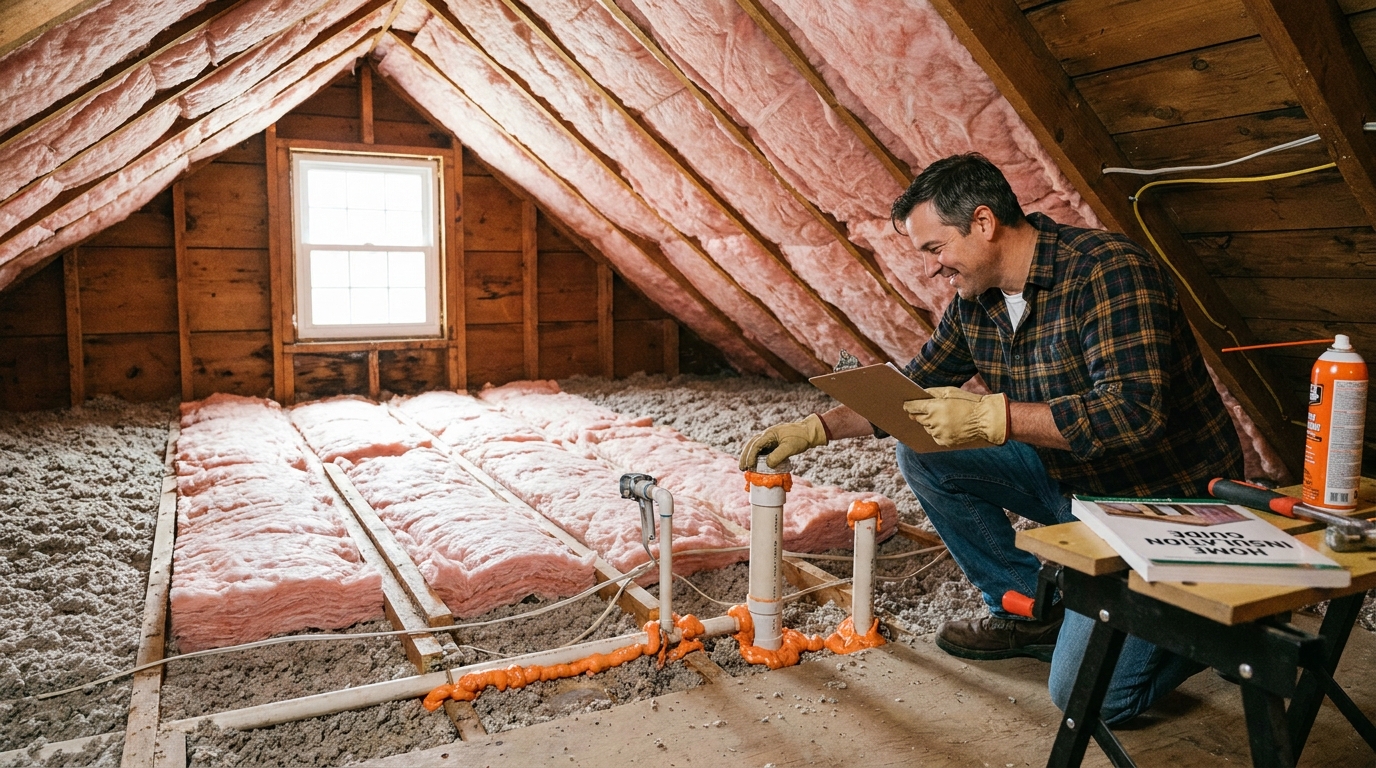
The attic matters because warm air rises, and many homes leak a surprising amount of indoor air upward through small openings. ENERGY STAR highlights common attic leak points such as wall-to-attic intersections, dropped soffits, and attic kneewalls. Other frequent openings include gaps around plumbing stacks, electrical penetrations, bath fan housings, recessed lighting, and the attic hatch. Sealing these areas before adding insulation is often one of the best-value upgrades a homeowner can make.
The basement matters because it can quietly drain comfort from the entire house. NRCan notes that basements can account for about 25 percent of a home’s total heat loss. That statistic often surprises people because basements are not always seen as part of the main comfort story. Yet cold basement walls, uninsulated rim joists, and air leaks at the foundation level can make upper floors feel less stable too. The basement is not just a lower level. It is part of the thermal foundation of the whole home.
Crawl spaces and floors over unconditioned areas are also common culprits. If a room feels cold underfoot even when the air temperature seems reasonable, the issue may be below you rather than around you. Exterior walls, garage-adjacent rooms, older additions, and ductwork in unconditioned spaces can also contribute to comfort problems. A beginner’s lesson in insulation is often really a lesson in noticing how your home behaves.
The Attic: A High-Impact Place to Start
If you are searching for a beginner-friendly place to focus, the attic is often the first answer. It is usually accessible, relatively easy to inspect, and capable of delivering very noticeable improvements in comfort. In many homes, the attic is where the combination of too little insulation and too much air leakage is most obvious.
Start with a visual check. Look for uneven insulation levels, dark dusty patches that may suggest air movement, gaps around penetrations, and exposed framing at the top of walls. If you can see the tops of joists across large areas, insulation depth may be insufficient. Also pay attention to the attic hatch, which is commonly undersealed and underinsulated.
The right sequence matters here. Seal larger air leaks first, then add or top up insulation. If you skip the air sealing step, you may cover up the places that need attention and leave a lot of comfort value on the table. Even simple work around visible openings can make an immediate difference in how your upper floor feels on cold or windy days.
Ventilation also deserves a quick mention. People sometimes assume the solution is simply to pack in more insulation and close everything up. In reality, attics need to be approached thoughtfully. Proper ventilation and moisture management help prevent condensation and protect roofing materials. The goal is a well-insulated attic floor and a roof assembly that remains healthy, not a space where moisture problems are trapped out of sight.
DIY Attic Upgrades That Often Make Sense
For many homeowners, the attic offers a satisfying mix of simplicity and impact. A careful DIYer may be able to weatherstrip and insulate the attic hatch, seal accessible penetrations with appropriate materials, and add insulation in open areas where local codes and safety conditions allow. This kind of work can feel remarkably rewarding because it addresses discomfort at its source rather than trying to compensate for it later.
That said, some attic situations call for professional help. Knob-and-tube wiring, recessed lights not rated for insulation contact, signs of roof leaks, mould, pest activity, or difficult access are all reasons to pause. The goal is not to force a DIY project. It is to make smart improvements safely and in the right order.
The Basement and Rim Joists: Often Overlooked, Often Worth It
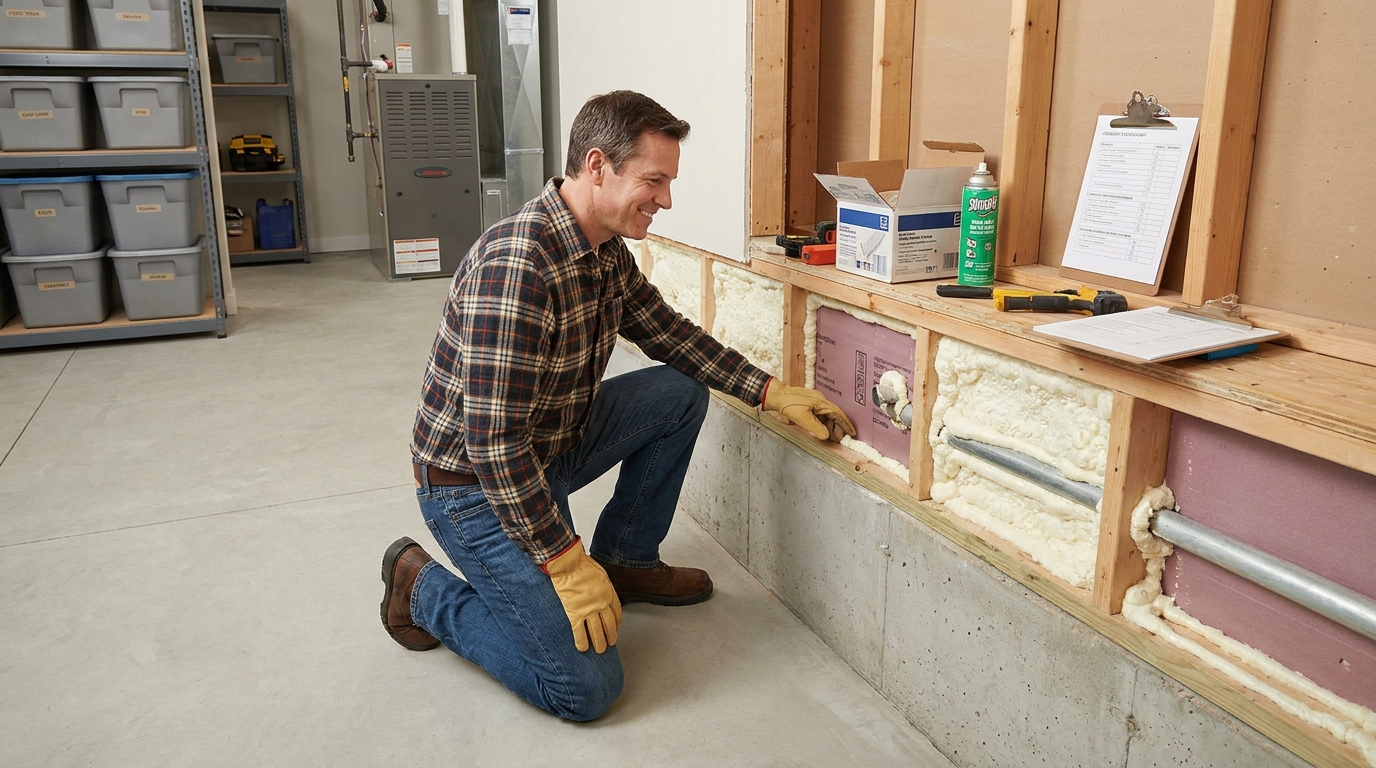
Basements can be tricky because they affect comfort in subtle ways. You may not spend much time thinking about the perimeter where the wood framing meets the top of the foundation wall, but that area, called the rim joist, is often one of the leakiest parts of a house. Cold air infiltration there can travel farther than you expect and influence the feel of rooms above.
Insulating and air sealing accessible rim joists can be a strong comfort upgrade, especially in older homes. Basement wall insulation can also help create a more temperate lower level, reduce chill rising into the first floor, and make finished or partly finished basements more usable year-round. If your basement has always felt like a separate climate zone, envelope improvements can help draw it back into the life of the home.
Moisture must be taken seriously here. Basements are more vulnerable to dampness, and insulation choices need to align with the wall type, drainage conditions, and local climate. Simply placing insulation against a wet wall or ignoring bulk water issues is not a comfort upgrade. It is a recipe for frustration. Before insulating a basement, make sure obvious leaks, grading problems, or persistent dampness are addressed.
The reason this area matters emotionally is simple. A cold basement often makes a home feel unfinished, slightly unsettled, and harder to use well. A more comfortable basement can become storage that feels clean and dry, a laundry area that is less unpleasant in winter, a workspace that supports focus, or a family zone that genuinely invites time together.
Insulation, Moisture, and Mould: Why the System Matters
One of the most important things beginners can learn is that more insulation is not automatically harmless. If a home has unmanaged moisture, hidden leaks, or poor ventilation, adding insulation without addressing those conditions can hide problems rather than solve them. Health Canada warns that indoor mould can pose a health hazard and recommends controlling moisture, including keeping relative humidity below 50 percent where possible. This is especially important in naturally damp areas of the home.
Warm indoor air carries moisture. If that moist air leaks into cold cavities or reaches cold surfaces, condensation can occur. Over time, that can contribute to mould, odours, and material damage. This is why Natural Resources Canada emphasizes the relationship between heat, air, and moisture rather than treating insulation as a standalone fix. Homes do not respond well to isolated thinking.
Ventilation remains important even in better insulated and tighter homes. Some homeowners hear the phrase airtightness and imagine sealing the house into complete stillness. In reality, the goal is to control unintended air leakage while still supporting healthy fresh-air exchange. A home should be tight where it needs to be and ventilated where it should be. That balance supports both comfort and indoor air quality.
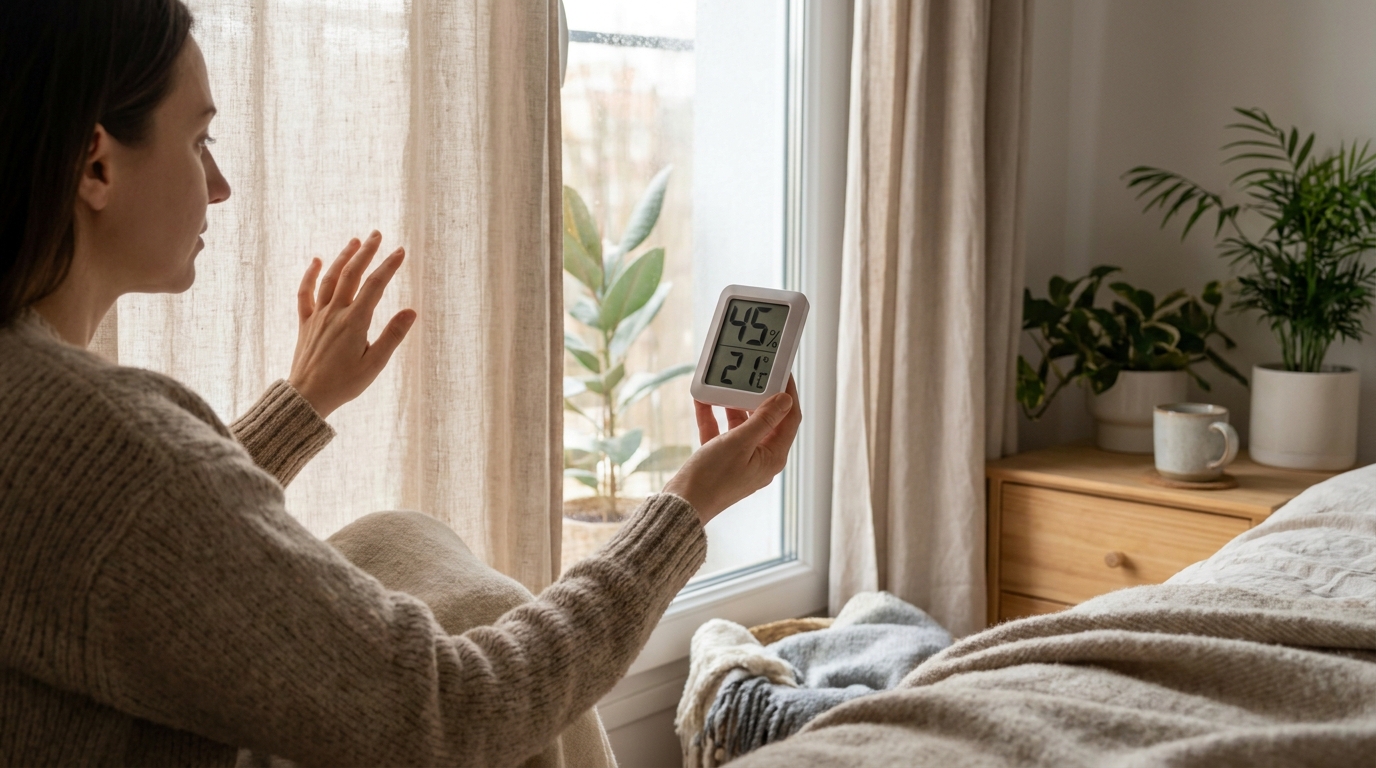
For everyday living, moisture awareness can be surprisingly practical. Use bath fans when showering. Run kitchen ventilation when cooking. Check that dryer vents are working properly. Pay attention to window condensation in winter. Consider a simple hygrometer if humidity is a recurring question in your home. These are not glamorous habits, but they are part of the quiet intelligence of a healthy and comfortable house.
Easy Signs Your Home May Need Better Insulation or Air Sealing
You do not need an engineering background to notice when your home is struggling. Often, your body and your routines tell you first. A few patterns tend to show up in underinsulated or leaky homes, and they are worth paying attention to because they often indicate where improvements could have the biggest effect.
-
Some rooms are consistently colder or hotter than others, even with doors open and the HVAC system running normally.
-
You feel drafts near windows, baseboards, attic hatches, electrical outlets, or around the edges of rooms.
-
Floors above a crawl space, garage, or basement feel cold underfoot during winter.
-
Your upstairs overheats in summer or cools rapidly in winter.
-
Ice dams, uneven snow melt, or winter condensation suggest heat and moisture are escaping where they should not.
-
Your heating and cooling bills feel high compared with the level of comfort you actually receive.
These clues do not automatically point to one single solution, but they do tell you your home may not be holding comfort efficiently. That is the moment when insulation becomes less of an abstract concept and more of an answer to very familiar frustrations.
Beginner-Friendly DIY Comfort Upgrades
Not every insulation project is suitable for DIY work, but several worthwhile comfort upgrades are accessible to careful homeowners. The best DIY projects tend to be the ones that are visible, low-risk, and clearly connected to common pain points like drafts and uneven temperatures. Even small improvements can build confidence and make the larger picture easier to understand.
-
Seal obvious air leaks around the attic hatch. This often means adding weatherstripping and insulating the hatch itself so it performs more like the surrounding ceiling.
-
Caulk or seal accessible gaps. Depending on the location, that may include trim gaps, plumbing penetrations, or visible joints where conditioned air is escaping.
-
Add insulation where access is simple and conditions are dry and safe. Open attic floors and certain exposed floor assemblies can sometimes be improved without major demolition.
-
Insulate accessible basement rim joists. This is a common source of drafts and can often be improved with a thoughtful sealing and insulation approach.
-
Use temporary comfort supports while planning larger upgrades. Door sweeps, thermal curtains, and area rugs do not replace insulation, but they can soften discomfort and help you observe where the home needs deeper work.
The key is to be realistic. DIY should improve comfort safely, not create hidden moisture issues or cover up larger building problems. If you are ever unsure, bringing in a qualified local professional is a smart and often money-saving choice.
When It Is Worth Calling a Professional
Sometimes the best beginner move is knowing where your limits are. Professional support makes sense when there are signs of moisture damage, persistent mould, electrical concerns, difficult access, asbestos-era materials, or major uncertainty about the right insulation strategy. It is also valuable when your comfort problems are widespread and you want a whole-home diagnosis rather than guesswork.
An energy audit can be especially helpful. Blower door testing, in particular, can reveal how leaky a home really is and identify problem areas that are not obvious in day-to-day living. Many homeowners find this process reassuring because it turns a vague sense of discomfort into a visible plan. Once you can see where the house is leaking or underperforming, priorities become clearer.
This whole-home approach has become more mainstream in recent years. In Canada, federal retrofit programs helped normalize insulation and air sealing as standard home improvements rather than niche upgrades. Although the Canada Greener Homes Grant closed to document submissions on December 31, 2025, and the loan application period also closed, the scale of completed insulation and air sealing projects showed just how widely these measures were adopted. That broader trend matters because it reminds homeowners that better envelope performance is not unusual or overly specialized. It is part of modern, sensible home care.
Common Misconceptions About Insulation
A lot of confusion around insulation comes from half-true ideas. Clearing those up can save you time, money, and frustration.
“If I add more insulation, drafts will disappear.”
Not necessarily. Drafts are often caused by air leakage, which insulation alone does not stop effectively. You may need air sealing first or at the same time.
“Higher R-value always means better performance.”
Only if the insulation is installed correctly and protected from air leakage and moisture problems. Real-world performance depends on details, not just labels.
“Only the attic matters.”
The attic is important, but basements, rim joists, crawl spaces, walls, floors, and ducts can also be major comfort and energy loss points.
“A tighter home does not need ventilation.”
This is a risky assumption. Controlled ventilation remains important for managing moisture and supporting indoor air quality.
“More insulation is always harmless.”
If moisture issues are ignored, added insulation can hide condensation risks or worsen mould conditions. Insulation should always be considered as part of the broader building envelope system.
How Insulation Saves Money Without Sacrificing Comfort
Energy savings matter because homeownership is expensive, and monthly costs influence how relaxed a home feels. When heating and cooling are working overtime to compensate for leaks and weak insulation, you pay for discomfort twice. First in utility bills, and then in the actual lived experience of a house that never feels quite right.
ENERGY STAR notes that sealing air leaks and adding insulation can lead to meaningful savings, with methodology estimates around 15 percent on heating and cooling costs when key areas are improved. While exact numbers vary by climate, house type, fuel prices, and existing conditions, the principle is consistent. A home that holds conditioned air more effectively demands less from your equipment.
What is lovely about insulation as a comfort upgrade is that it tends to create layered benefits. Lower bills are one layer. More consistent temperatures are another. Quieter interiors, fewer drafts, less dust movement, and a more resilient home are layers beyond that. The best home improvements are often the ones you feel every day and stop having to think about.
A Gentle Plan for Getting Started
If this all feels like a lot, begin simply. Walk through your home with a notebook on a cold or windy day and write down where comfort breaks down. Notice which rooms are hardest to heat or cool. Look at the attic hatch, the basement rim joist area, and any exposed or unfinished spaces. Check whether there are clear signs of moisture that should be addressed before insulation work begins.
From there, prioritize in this order:
-
Fix moisture problems first. Leaks, dampness, and persistent condensation should not be ignored.
-
Air seal obvious leaks. Focus first on larger holes and accessible gaps, especially in the attic and basement.
-
Improve insulation in high-impact areas. Attics, rim joists, crawl spaces, and certain floors often deliver the strongest comfort returns.
-
Support healthy ventilation and humidity control. Keep the house comfortable, but also balanced and healthy.
-
Consider a professional assessment if problems are broad or confusing. It can save you from spending in the wrong places.
This approach keeps the process clear and grounded. You do not need to transform your entire house at once. Comfort often improves in meaningful increments. One sealed attic hatch, one less drafty bedroom, one warmer floor, one quieter room at a time is still a beautiful way to get there.
Final Thoughts: Building a Home That Feels Like Shelter
Home insulation may seem like a behind-the-walls topic, but its effects are deeply personal. It shapes how a home receives you at the end of the day. It influences whether winter feels atmospheric or exhausting, whether summer feels calm or relentless, and whether your rooms support rest instead of asking for constant adjustment. This is why insulation belongs in the conversation about wellness, not only efficiency.
For beginners, the most important lesson is that insulation works best as part of a system. Air sealing, moisture control, and ventilation all matter. A home is more than the sum of its materials. It is an environment, and when that environment is tuned thoughtfully, it becomes gentler to live in.
If you are considering your first DIY comfort upgrade, this is encouraging news. You do not need to know everything to start wisely. Learn the basics, look first to the attic and basement, respect moisture, and pay attention to how your home feels. That feeling is valuable information. And when you improve it, you are not just saving energy. You are creating a house that holds warmth, quiet, steadiness, and a little more peace.


No Comment! Be the first one.