

Line 5 Eglinton: How a Tunnel Becomes a Growth Corridor
Every major city eventually confronts a hard truth: you cannot densify what you cannot move. Toronto’s Line 5 Eglinton, 19 kilometres of light rail cutting across the city’s mid-town spine, is a reminder that transit infrastructure and land value are the same story told from two different angles. When I look at this project, I do not just see tunnels and stations. I see the underlying framework for how a corridor gets rezoned, rebuilt, and revalued for the next century.
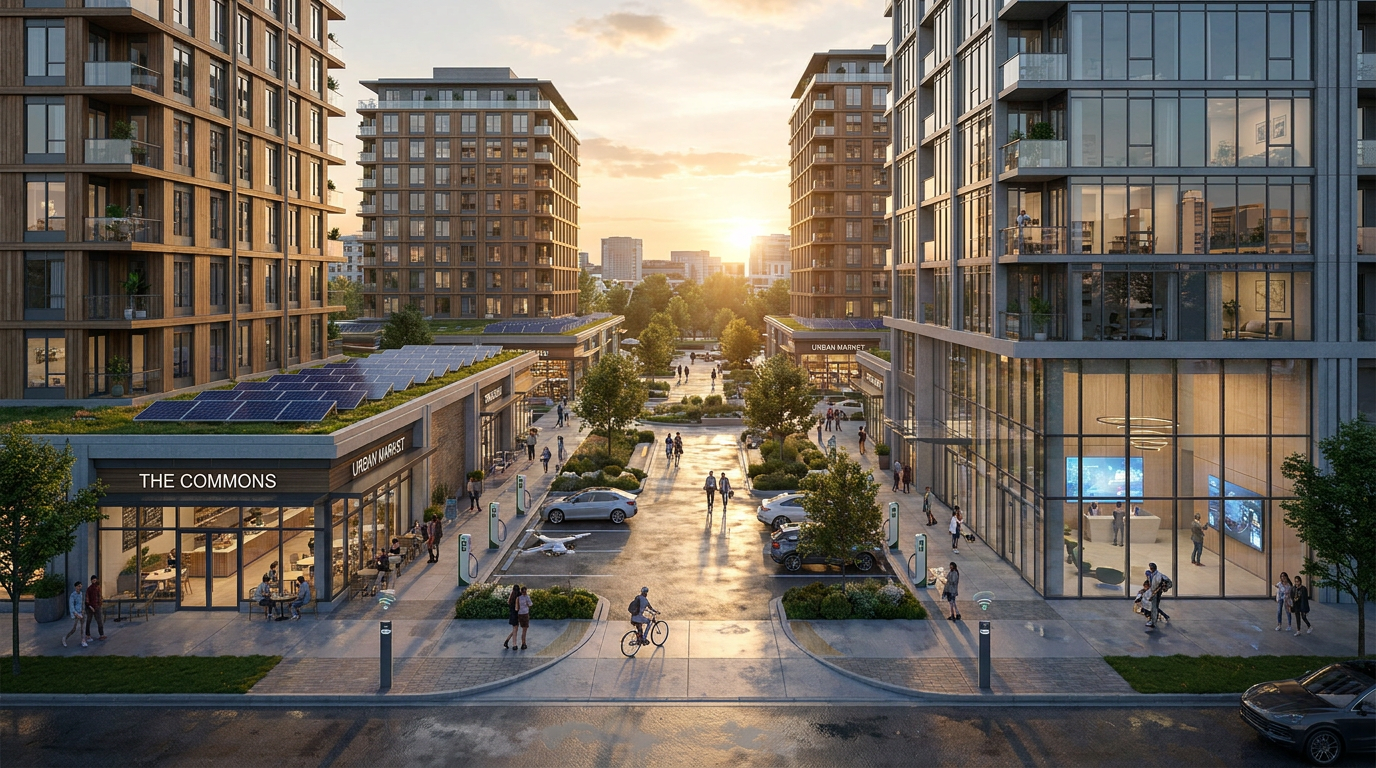
What makes this project instructive for anyone thinking about long term land strategy is the intent behind the design. The city’s Eglinton Connects framework and Metrolinx’s Design Excellence principles were not decorative planning documents. They were used to size station entrances for buildings that do not exist yet. Chris McCarthy of AtkinsRealis put it plainly: station headhouses were built tall because the city wanted the architecture to anticipate mid-rise redevelopment along the avenue, replacing two-storey buildings with structures reaching ten storeys with step-backs. That is development strategy expressed in concrete and steel before a single new building permit is filed.
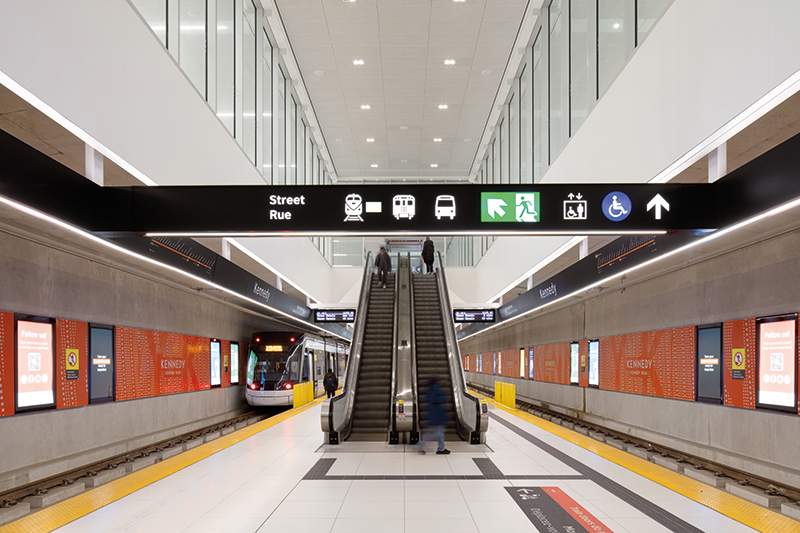
This is the pattern experienced developers watch for. Transit builds the access, access builds the demand, and demand eventually forces a rewrite of what a corridor is allowed to become. The 25 stations and stops along Line 5, tied into the TTC subway network, GO Transit, and UP Express, do more than move commuters 60 percent faster than the bus service they replace. They create dozens of new nodes where land assembly, intensification, and mixed-use planning suddenly make financial sense in ways they did not a decade ago.
The Mount Dennis terminus is perhaps the clearest case study in how legacy assets get repositioned rather than erased. Rather than demolish the 99-year-old Kodak Building 9 to make room for the station and maintenance facility, the project team relocated the 3,500-tonne structure roughly 75 metres and rebuilt around it. That decision preserved a community landmark while unlocking the site for the Eglinton Maintenance and Storage Facility. It is a model worth studying: heritage retention and transit-oriented land use are not always in conflict, provided the feasibility work is done early.
We see Line 5 as a catalyst for growth, urban densification, and city-building that will serve Toronto for generations to come.
Engineers designed this system for a 100 year civil service life. That number matters to anyone underwriting a long horizon project near the corridor. Infrastructure built to that standard changes how patient capital should think about surrounding parcels, because the transit backbone is not a five year bet, it is a generational one. As new housing developments already begin appearing near station entrances, the real signal for developers is not the ribbon cutting itself. It is the twenty year rezoning cycle that a fixed, high capacity transit line quietly sets in motion along every block it touches.
Source: ReNew Canada