Nova Scotia’s Offshore Push Is Really a Growth Strategy
Nova Scotia’s renewed interest in offshore oil and gas should not be read only as an energy story. It is a fiscal capacity story, a labour retention story, and ultimately a land development story. As BNN Bloomberg reported, Energy Minister Marco MacLeod is framing the province’s offshore revival around GDP growth, employment at home, and the return of an industry that previously delivered billions in royalties and local economic activity.
For developers, planners, and infrastructure investors, the signal is clear: Nova Scotia is trying to expand the economic base that supports long-term population growth. Housing demand does not exist in isolation. It follows jobs, household formation, wage growth, public infrastructure spending, and confidence. If offshore activity returns at scale, the development implications will extend well beyond the coastline.
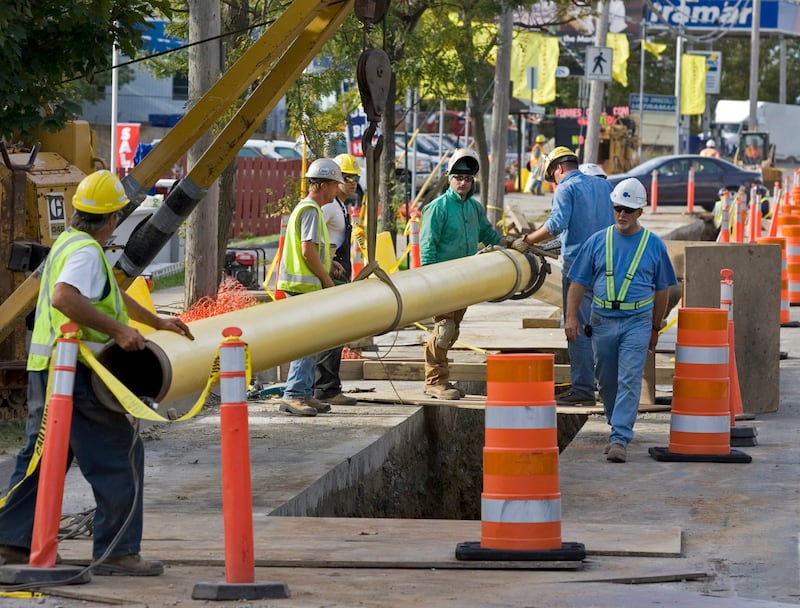
The province’s challenge is familiar across Atlantic Canada. Population growth has accelerated, but employment depth, infrastructure capacity, and housing delivery remain uneven. Halifax has absorbed much of the province’s growth pressure, while smaller communities continue to fight outmigration and limited private investment. A revived offshore sector would not automatically solve those constraints, but it could change the economics around them.
Energy employment tends to create high-wage demand, supply chain clustering, port activity, industrial land requirements, and service-sector expansion. That can move land values quickly, especially near ports, logistics corridors, fabrication sites, and communities with available labour. Dartmouth, Sheet Harbour, Halifax Harbour, and other strategic marine or industrial locations would be watched closely if exploration turns into production commitments.
The planning question is whether Nova Scotia is prepared to translate resource activity into durable urban growth. During past offshore cycles, the province captured revenue and employment, but the current context is different. Housing affordability is tighter. Construction costs are higher. Municipal infrastructure is under more strain. Labour availability is a constraint across nearly every building trade. If new energy investment arrives without coordinated housing and infrastructure planning, the result could be wage pressure and land speculation rather than stable community growth.
Resource development becomes city-building only when public revenue, servicing capacity, and housing delivery move together.
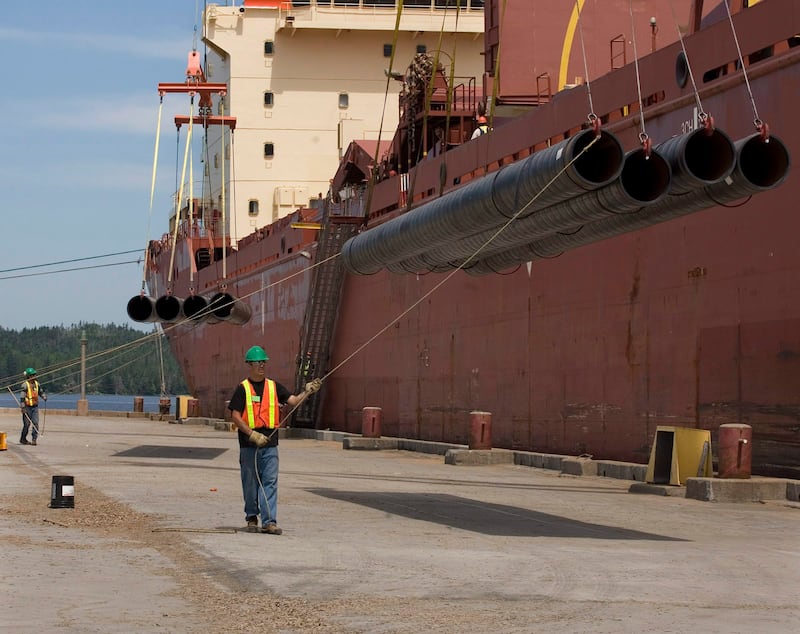
There is also a zoning and land-use issue. Offshore development does not live offshore alone. It needs staging lands, pipe yards, marine terminals, road capacity, energy interconnections, worker housing, and commercial services. Municipalities that may be affected should be reviewing industrial land inventories, port-adjacent zoning, transportation bottlenecks, and residential permissions now, not after investment decisions are made.
The energy transition adds another layer. Nova Scotia is legally committed to phasing out coal and reaching 80 per cent renewable electricity by 2030. MacLeod positioned natural gas as backup power for wind and other renewables. For development, grid reliability matters. Large residential projects, industrial expansions, data facilities, port electrification, and heat-pump adoption all depend on a power system that can carry more load with fewer disruptions. If local gas improves reliability or lowers marginal energy costs, that can improve project feasibility. If it creates regulatory conflict or delays, it can do the opposite.
The most important figure in the BNN Bloomberg report may be the recent call for bids that attracted offers on two parcels worth $210 million. That does not prove a new offshore boom is coming. It does show that investors are at least willing to reopen the file. Developers should treat this as an early-stage signal, not a certainty.
What matters next is execution. Watch for exploration timelines, federal-provincial regulatory alignment, port infrastructure commitments, municipal servicing plans, and whether provincial royalty expectations are tied to housing and infrastructure capacity. Nova Scotia is not just trying to revive an old industry. It is testing whether a resource platform can support the next phase of provincial growth.
Source: BNN Bloomberg