


Why Canada’s Rate Path Still Favours Rentals Over a Quick Ownership Rebound
RBC has quietly raised the bar on what Canadians should expect from the Bank of Canada’s next moves, and the signal is worth paying attention to if you hold property, plan to buy, or are weighing where to park capital next. The bank’s updated outlook pushes its rate expectations roughly 75 basis points higher than before, and that single adjustment has ripple effects across mortgages, rentals, and the broader timeline for an affordability recovery.
Here is the strategic read. RBC is not calling for a housing collapse or a sudden boom. It is calling for something more useful to investors: a slow, uneven recovery shaped by borrowing costs that stay elevated for longer than many hoped. When lenders believe rates will remain higher for longer, they keep prime rates, posted mortgage rates, and the qualifying rates used to stress-test borrowers elevated too. That is not a one-time event. It is a sustained drag on purchasing power that plays out over every renewal cycle.
For anyone holding a variable-rate mortgage, that means payments stay firm rather than easing. For anyone approaching a fixed-rate renewal, it means budgeting for a meaningful step up rather than hoping the market quietly reverses in their favour. Both scenarios squeeze household budgets, and squeezed budgets delay homebuying decisions. That delay is precisely where the opportunity shows up for investors paying attention.
RBC expects the demand that does not convert into ownership to land somewhere, and it believes that somewhere is the rental market first, with Ontario and British Columbia absorbing the earliest pressure. Job growth and immigration continue to feed housing demand even while financing stays expensive, and households priced out of buying do not disappear from the market. They become renters, often for longer than they originally planned. That is a durable tailwind for purpose-built rental assets and well-located income properties in exactly the markets RBC flagged.
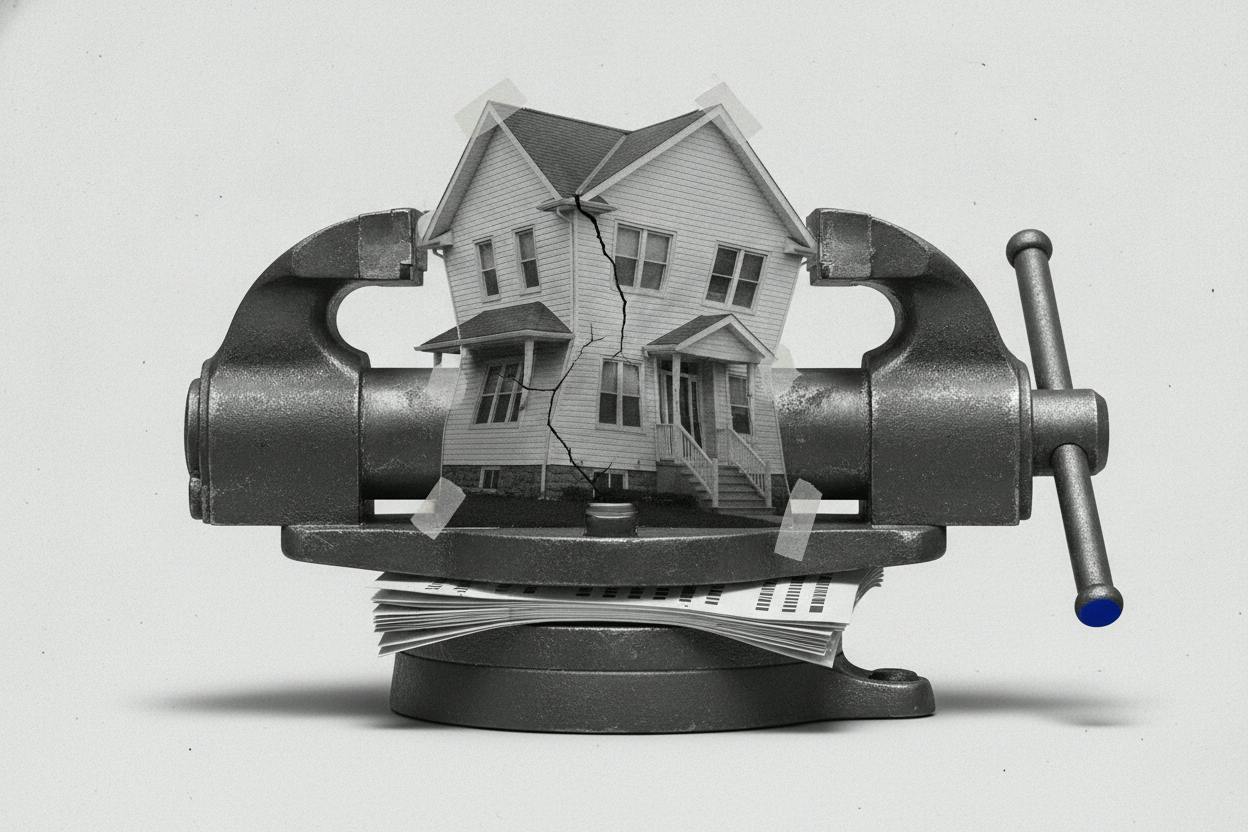
Lower rates alone will not fix affordability. Lasting relief depends on building more homes.
The deeper point in RBC’s outlook, and the one investors should not skip past, is that rate cuts alone were never going to be the fix. Real affordability relief depends on housing supply actually expanding, and that is a multi-year structural story, not a single Bank of Canada decision. For a portfolio strategy, this argues for patience on the ownership side of the market and a sharper focus on rental income strength in the near term. Timing still matters more than headlines, and right now the data points toward rental demand as the earliest mover, well before any broad ownership rebound takes hold.
Source: Finimize, “RBC Says Higher BoC Rates Will Keep Housing Strained”