Why One Market Plaza Is Becoming a Test Case for San Francisco Office Recovery
Capital rarely returns to a distressed market all at once. It tests the water through the strongest assets first. That is what appears to be happening at One Market Plaza, where new leasing activity is offering a clearer read on San Francisco’s uneven but increasingly investable office recovery.
As reported by the San Francisco Chronicle, roughly 150,000 square feet of leases have been signed at the 1.6 million-square-foot complex since the start of the year. The most notable commitment is a 62,400-square-foot lease by an unnamed artificial intelligence startup, followed by significant law firm demand from Willkie Farr & Gallagher, Davis Polk & Wardwell, and another expanding legal tenant.
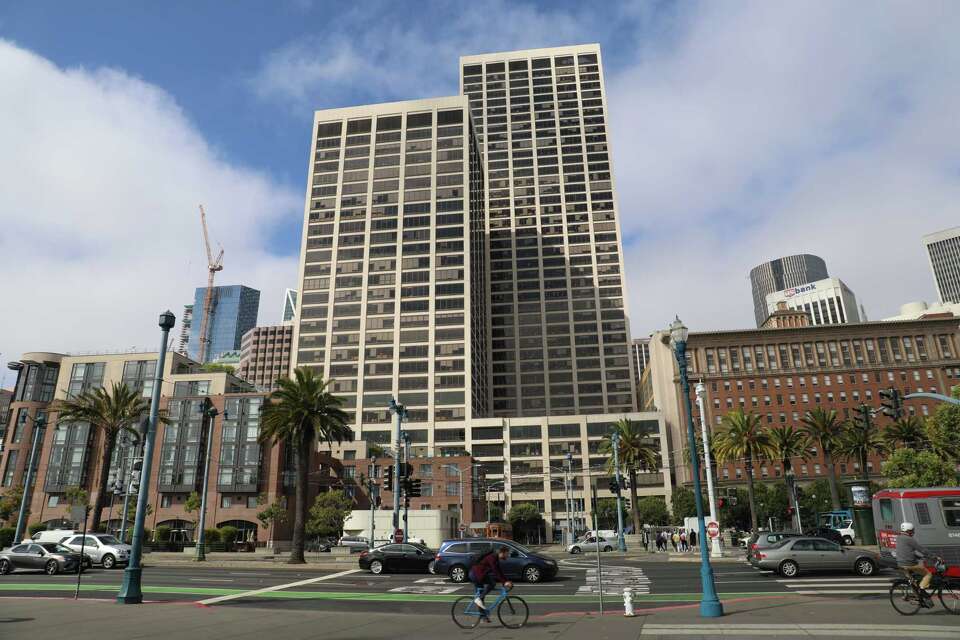
For investors, the point is not simply that tenants are signing leases. It is where they are signing them. One Market Plaza is not a generic downtown office asset. It sits near the Embarcadero, offers large-block availability, carries institutional ownership, and has the scale to support a major repositioning. In a market where vacancy remains elevated, those qualities matter.
CBRE data cited in the report shows downtown San Francisco office vacancy easing to 30.8% in the first quarter, down from 33.5% in the prior quarter. That is still a high number by historic standards, but the direction is important. Vacancy contraction, especially when led by AI, legal, and capital markets tenants, suggests the recovery is concentrating in trophy buildings rather than spreading evenly across the market.
This is the central investment signal. San Francisco office is not broadly healthy, but the best assets are beginning to separate from the rest. Tenants that want employees back in person are prioritizing transit access, views, hospitality-style amenities, wellness features, and a workplace experience that can compete with remote work. Commodity buildings without capital for upgrades remain exposed.
The recovery in San Francisco office is likely to reward quality first, patience second, and financial discipline always.
Elecor Properties’ planned $250 million modernization program is therefore more than cosmetic spending. It is a capital strategy. By upgrading Spear Tower with better gathering spaces, food and beverage concepts, wellness offerings, terraces, and hospitality-led amenities, ownership is trying to convert location strength into pricing power.

The risk is equally clear. A 30% vacancy market gives tenants leverage, and capital improvements require conviction before income fully stabilizes. Owners with weak balance sheets may struggle to compete, while lenders will continue to underwrite cautiously. Even at trophy properties, leasing momentum must translate into durable occupancy, rent growth, and disciplined concessions.
Still, the tenant mix at One Market Plaza is worth watching. AI companies bring growth potential. Elite law firms bring credit quality and long lease terms. Willkie’s 12-year commitment, in particular, signals that some professional services firms still view San Francisco as strategically important for technology, innovation, private equity, litigation, and corporate transactions.
For real estate investors, the takeaway is not to call a broad downtown rebound too early. It is to recognize the pattern. In distressed cycles, recovery often starts with well-located, well-capitalized, amenity-rich assets that can absorb upfront investment and attract premium tenants. One Market Plaza is now serving as one of San Francisco’s most visible proofs of that thesis.
Source: San Francisco Chronicle