The Quiet Architecture of Making Small Rooms Feel Generous
A small room is rarely transformed by one clever trick. It becomes generous through discipline: fewer interruptions, calmer surfaces, better light, and furniture that understands proportion. In a recent guide for The Sydney Morning Herald, Robyn Willis gathers advice from Australian designers on living larger in compact homes. The most interesting lesson is not about illusion alone. It is about spatial composure.
Compact living asks for an editorial eye. Before colour, before curtains, before the polished brass lamp in the corner, there is subtraction. Architect Emma Holmes of Formery points to built-in storage and multipurpose pieces as essential tools, not decorative afterthoughts. In design terms, good joinery is a form of architecture at furniture scale. It absorbs the visual noise of daily life so the room can breathe.
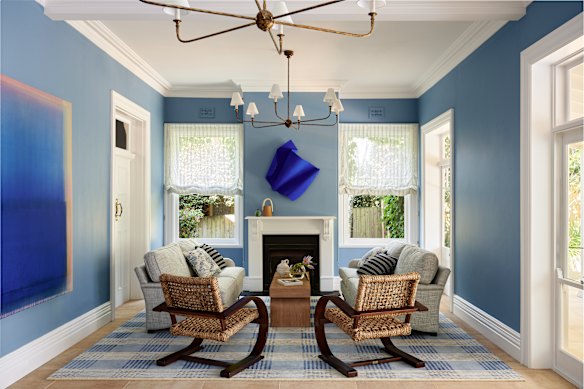
Continuity is the next quiet luxury. Sydney interior designer Nic Kaiko describes the power of continuous flooring, repeated materials and colour that moves without abrupt stops. This is especially true at the ceiling line, where a white ceiling can sometimes behave like a lid. When colour rises from wall to ceiling, the room becomes enveloping rather than boxed in. Colour drenching, when handled with restraint, can make even a deep shade feel expansive because the eye is no longer asked to measure every edge.
This is where the old rule of pale colours begins to soften. Light tones are useful when there is enough daylight for them to reflect. In a dim room, however, a chalky white can look tired and thin. A deeper, consistent palette can create atmosphere, depth and a sense of intentional enclosure. Small does not have to mean timid. It can be intimate, saturated and assured.
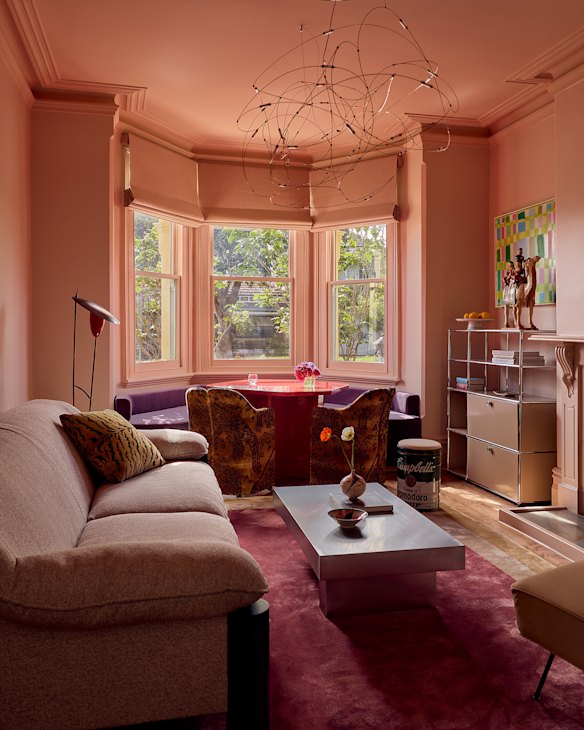
Small rooms feel larger when the design stops arguing with itself.
Height, too, is not only a measurement. It is an experience. Interior designer Kate Nixon notes the drama of changing ceiling levels, such as moving from a lowered entry into a higher living space. Even when structural height cannot be changed, vertical gestures can lengthen a room: kitchen cabinets that reach the ceiling, square-set finishes without cornices, and curtains hung high and wide so fabric frames the window rather than consuming it.
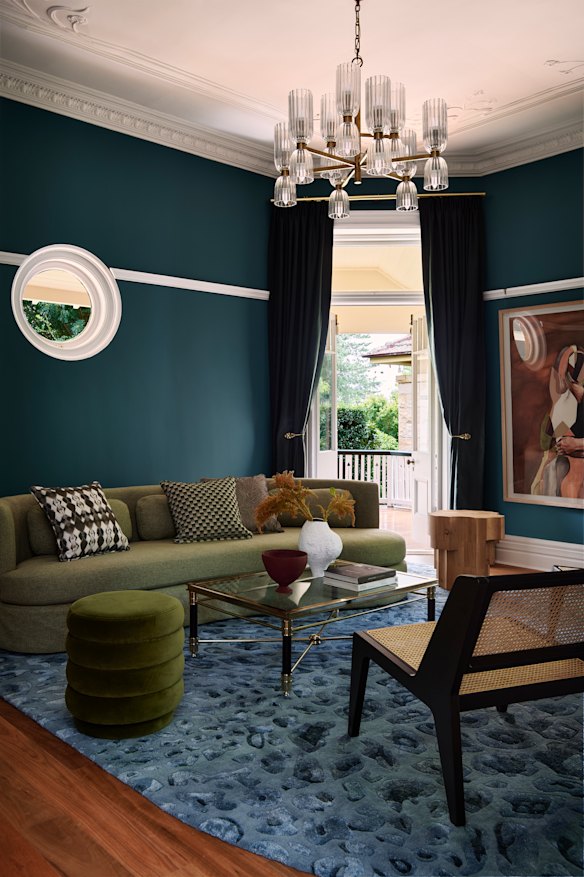
Reflection is another instrument, but only when it has purpose. A mirror should multiply light, a view, or a well-composed part of the room. If it reflects a blank wall or dark corner, it simply doubles the weakness. Metallic finishes, glass, lacquer and carefully placed lamps can perform a similar task after sunset, extending the perceived edges of the room through glow rather than glare.
The most counterintuitive advice may be about scale. Filling a small room with tiny furniture often makes it feel nervous. A properly sized table, a built-in banquette, slim-framed chairs or a sofa with fine arms can give the space confidence. The future of compact interiors is not about making homes appear falsely large. It is about making every line, surface and object earn its place.
Source: The Sydney Morning Herald