



Essential Pump Maintenance for a Sustainable Home Water System
When people think about a sustainable home, they often picture insulation, efficient windows, solar panels, or low flow fixtures. Those upgrades matter, but there is another system quietly shaping daily resource use in the background: the water pump. In homes with private wells, booster pumps, or pressure systems, the pump is at the center of how water is moved, pressurized, and delivered. If that equipment is neglected, the result is not only inconvenience. It can also mean wasted water, unnecessary electricity use, shorter equipment life, and avoidable replacement costs.
Table Of Content
- Why pump maintenance belongs in a sustainable home strategy
- Understanding the core parts of a home pump system
- The environmental cost of leaks, pressure problems, and short cycling
- Simple maintenance checks homeowners can do regularly
- A practical monthly observation routine
- Pressure tank health and why cycling control matters
- Monitoring water use is part of pump maintenance
- Water quality, maintenance, and safe replacement materials
- Keeping the wellhead and surrounding area protected
- Common misconceptions that lead to wasted water and energy
- When to call a licensed professional
- Building a preventive maintenance routine that lasts
- The long term value of caring for the system you already have
- Frequently asked questions about pump maintenance
- How often should a homeowner check a home water pump system?
- Does pump maintenance really save energy?
- What is short cycling and why is it a problem?
- Should water be tested after pump or well service?
- What should I ask about replacement parts?
Regular pump maintenance is one of the most practical environmental actions a homeowner can take. It does not require dramatic renovations or a perfect green lifestyle. It simply asks for attention to the system that already serves the home every day. A well maintained pump runs more efficiently, cycles more appropriately, supports steadier pressure, and is less likely to leak or fail unexpectedly. That translates into lower energy demand, less strain on components, and fewer wasted gallons over time.
This matters because water and energy are closely connected. The U.S. Environmental Protection Agency notes that the average American uses about 82 gallons of water per day at home. Even small losses add up quickly. EPA WaterSense also points out that letting a faucet run for five minutes while washing dishes can waste 10 gallons of water and use enough energy to power a 60 watt light bulb for 18 hours. In other words, waste inside a water system is rarely just about water. It often carries an energy cost as well, especially when pumps are running longer than necessary or cycling too often.
For homeowners in Canada and across North America, maintenance is especially important in private well systems. Health Canada advises homeowners to ensure that the pump, pressure tank, and water treatment system are operating properly. The EPA makes a similar point from the U.S. perspective by noting that private wells are not regulated by the agency in the same way municipal systems are, which means owners are responsible for protection and maintenance. That responsibility can sound heavy at first, but in practice it often comes down to a series of manageable checks, observations, and timely repairs.
This guide is designed to make pump maintenance feel clear and achievable. It explains why maintenance matters for sustainability, what homeowners can monitor on their own, how pressure and cycling affect efficiency, when to test water after service, what to look for in replacement parts, and when a licensed professional should step in. The goal is not to turn every homeowner into a pump technician. It is to help you make practical choices that protect both your home and the resources your home depends on.
Why pump maintenance belongs in a sustainable home strategy
Sustainability in housing works best when it is woven into routine decisions rather than treated as a separate project. A pump is a good example of this principle. Homeowners rarely think about it until something goes wrong, yet its condition affects how much electricity is used to move water, how often components need to be replaced, and whether small leaks turn into chronic waste. In that sense, maintenance is a quiet form of resource efficiency. It supports performance without demanding a major lifestyle change.
A poorly maintained pump can waste resources in several ways. It may run longer to deliver the same amount of water. It may cycle on and off too frequently because of pressure tank issues, pressure switch problems, leaks, or waterline damage. It may contribute to pressure levels that are too high, increasing wear on plumbing and raising leak risk. The U.S. Department of Energy has noted that inadequate maintenance of water using systems can lead to unnecessary leaks, losses, and premature equipment failure. That combination affects both the environmental footprint of the home and the long term cost of operating it.
There is also a materials story here that is easy to overlook. Replacing a failed pump, damaged tank, or worn fittings requires manufacturing, transportation, installation, and disposal. When maintenance extends the life of equipment, it reduces the frequency of those replacement cycles. That is not always the first sustainability metric people think of, but it matters. A pump that lasts longer because it has been properly monitored and maintained is part of a lower impact home system.
Finally, maintenance supports resilience. A sustainable home is not only efficient on paper. It is dependable in daily life. Reliable water access matters for cooking, cleaning, bathing, irrigation, and health. In rural and suburban homes on private wells, the pump is often the heart of that system. Caring for it is both practical and responsible.
Understanding the core parts of a home pump system
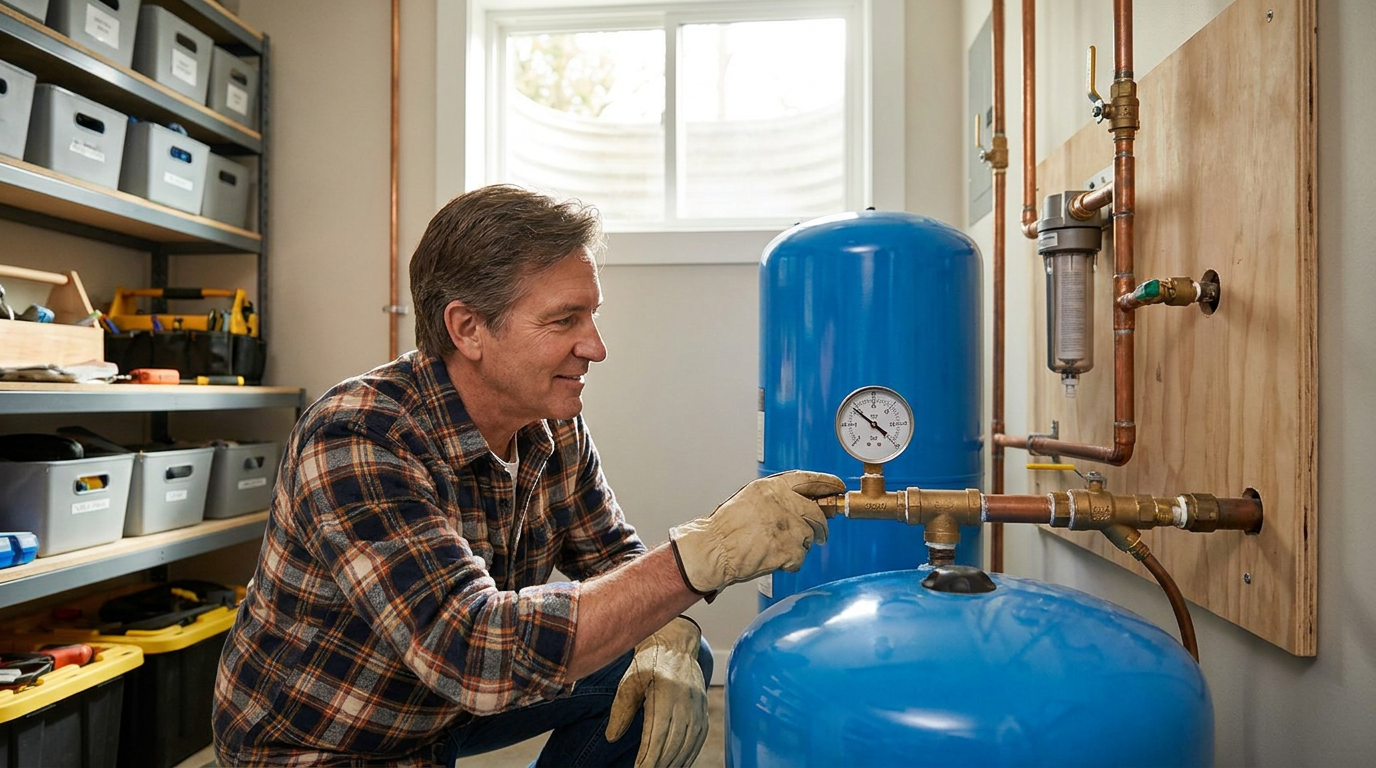
Many homeowners feel more confident once they understand the basic components they are looking at. A typical private well water system usually includes the well itself, the pump, a pressure tank, a pressure switch, plumbing connections, electrical controls, and sometimes water treatment equipment. In some homes there may also be a booster pump, storage tank, or monitoring device depending on local conditions and system design. You do not need to service every component yourself, but it helps to know the role each one plays.
The pump moves water from the source to the home. The pressure tank stores water under pressure so the pump does not need to turn on every single time a tap opens briefly. The pressure switch tells the pump when to start and stop based on system pressure. Treatment equipment may filter sediment, soften water, remove iron, or address specific water quality concerns. When these parts work together properly, the system feels almost invisible. Water pressure is steady, the pump runs only when needed, and wear on equipment stays within normal limits.
When one part falls out of balance, however, the symptoms often spread. A pressure tank issue can cause excessive cycling. A leak in the line can cause pressure loss and frequent pump operation. A failing switch can create erratic performance. A clog or mechanical issue can affect flow and efficiency. Looking at the system as a whole, rather than as isolated parts, is one of the best habits a homeowner can develop.
The environmental cost of leaks, pressure problems, and short cycling
One of the clearest links between pump maintenance and sustainability is the issue of waste. A home water system does not need a dramatic burst pipe to become inefficient. A subtle leak, a pressure setting that is too high, or a pump that short cycles can quietly increase both water and electricity consumption month after month. Because the changes are gradual, they can be easy to miss until a utility bill rises or a component fails.
Short cycling deserves particular attention. This happens when the pump turns on and off too frequently in short bursts rather than running in healthy intervals. Pressure tanks are meant to reduce that constant stop and start pattern. Excessive cycling increases wear on motors, switches, and related components. It can reduce efficiency and shorten service life, even if water still appears to be flowing normally at taps and fixtures. This is one reason the common assumption that everything is fine as long as the water still runs can be misleading.
Ontario well maintenance guidance warns that a pump that is continually running or losing pressure may indicate a crack or hole in the waterlines. That is a useful reminder that pump behavior often points to wider system issues. If the pump runs too often, there may be a hidden leak. If pressure drops unusually fast, the problem may not be the pump alone. Paying attention early can prevent a small repair from turning into a larger environmental and financial cost.
High pressure can also be part of the problem. The Department of Energy notes that high pressure can cause wear and tear on water systems, increasing leak rates. More pressure is not always better. In many homes, the most sustainable system is not the one pushing water hardest. It is the one operating at an appropriate, stable pressure that meets household needs without stressing pipes, seals, valves, and fixtures.
Simple maintenance checks homeowners can do regularly
A good maintenance routine is less about technical complexity and more about consistency. Most homeowners can perform basic observations without opening sealed equipment or handling electrical components. The goal is to catch patterns early. A short visual and listening check every month or two can reveal far more than most people expect.
Start by observing how the system behaves during normal use. Listen for the pump turning on when no water is being used. Notice whether pressure at taps feels less steady than usual. Pay attention to whether the pump seems to start and stop rapidly during routine tasks such as showering, laundry, or running a faucet. If the system used to feel consistent and now seems erratic, that change is meaningful.
Next, inspect visible plumbing and the area around the pressure tank, pump controls, and accessible connections. Look for moisture, staining, corrosion, drips, mineral buildup, or damp flooring. These signs may indicate leaks or slow seepage that has been developing over time. Also check whether the utility area is clean, dry, and easy to access. A cluttered mechanical space makes it harder to spot problems early and can interfere with service when a professional is needed.
For homes on private wells, the outdoor wellhead area matters too. Health Canada advises keeping the well and surrounding area protected and properly maintained. The well cap should be secure, the area should be clean, and surface runoff should not collect around the well. If vegetation, stored materials, or general debris have crept too close, it is worth restoring a clear protective zone. Good maintenance is partly mechanical and partly sanitary.
A practical monthly observation routine
If you want a simple rhythm to follow, a monthly routine can be enough for most households. It does not need to take long, and it creates a useful baseline for noticing changes over time. The following checklist focuses on what an average homeowner can realistically observe.
- Listen to the pump during a normal day and note whether it runs when no water is being used.
- Check visible pipes, valves, and fittings for drips, corrosion, or mineral deposits.
- Look at the floor and walls around the pressure tank and pump area for signs of moisture.
- Notice whether showers, faucets, or irrigation zones have weaker or more uneven pressure than usual.
- Review your water bill, metered usage, or household monitoring app for unexplained increases.
- Inspect the wellhead area, if applicable, to confirm it is clean, protected, and free from pooling water or debris.
These are simple steps, but they create a strong foundation. Home maintenance works best when it catches early symptoms, not when it waits for obvious failure. In environmental terms, prevention is usually more efficient than repair.
Pressure tank health and why cycling control matters
The pressure tank is one of the most important and least appreciated parts of a home water system. Its job is to store water under pressure so the pump does not have to activate every time a small amount of water is needed. Without a properly functioning pressure tank, the pump may cycle too often, leading to greater wear and higher operating strain. In practical terms, this means the tank plays a major role in both efficiency and equipment longevity.
If the tank loses its proper air charge or develops internal issues, you may notice symptoms such as rapid on and off pump operation, fluctuating water pressure, or the pump starting more frequently than it used to. These changes can appear gradually, which is why homeowners sometimes normalize them. Yet they often signal that the system is working harder than it should. Since excessive cycling shortens pump life, tank issues are not something to ignore indefinitely.
Some homeowners are comfortable checking tank pressure with the system powered down and drained according to manufacturer guidance, but this is an area where caution matters. If you are not familiar with the procedure or unsure of the correct settings, it is wise to involve a qualified well contractor or plumber. The sustainable choice is not always doing every task yourself. Sometimes it means avoiding preventable mistakes and preserving system health through proper service.
What matters most is understanding the principle. A pressure tank is not just a storage accessory. It is part of how the system avoids waste. When it is healthy, the pump runs in a more controlled way. When it is neglected, efficiency drops and wear increases. That relationship is central to good pump maintenance.
Monitoring water use is part of pump maintenance
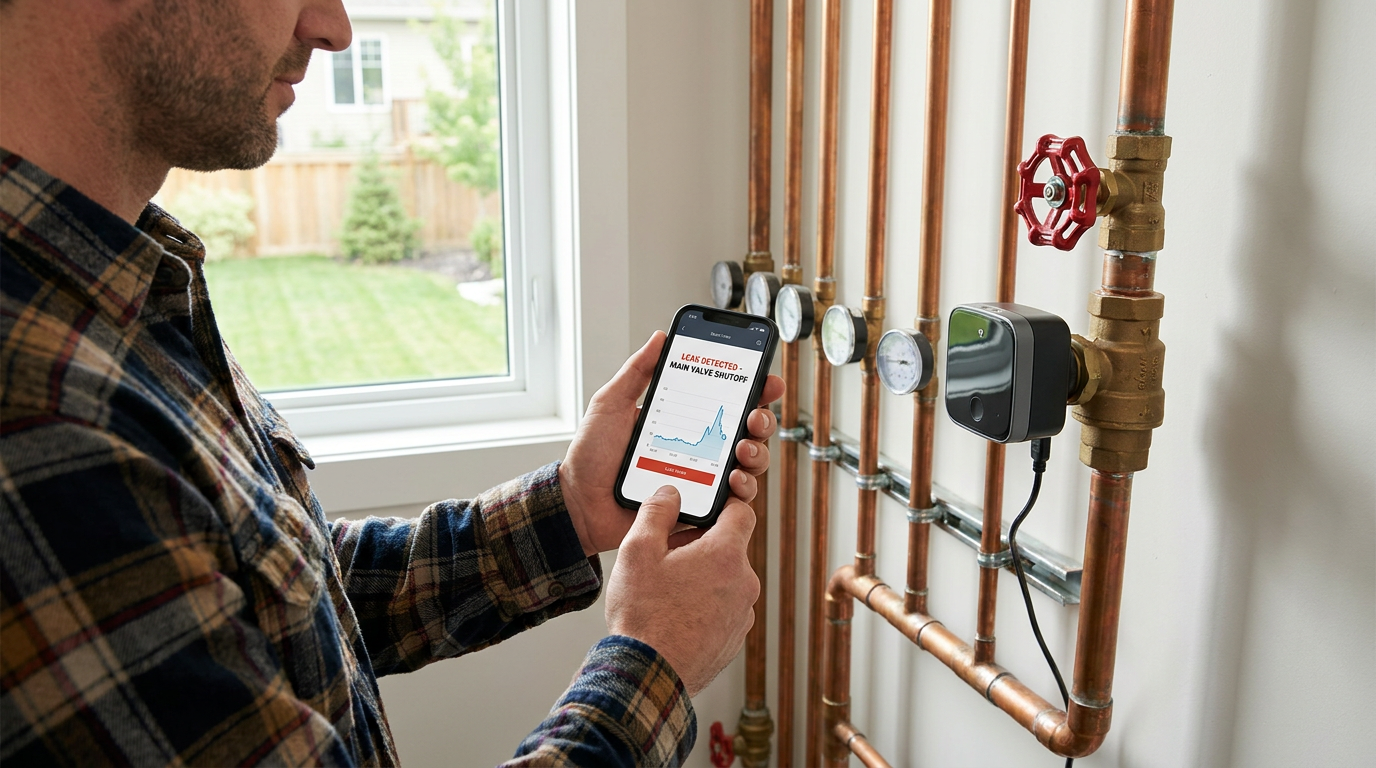
Modern water maintenance is moving beyond occasional visual checks alone. The EPA increasingly highlights leak detection and flow monitoring devices for homes because they can identify irregular water use and help reduce waste and damage. These tools are becoming more common, and for many households they offer a practical way to spot hidden problems earlier than a monthly bill would. They are especially useful in homes where pumps, wells, and long plumbing runs can make leaks less obvious.
A homeowner does not need advanced technology to benefit from monitoring, though. Start with the basics. Compare water bills over time if you are on a metered system. If you are on a private well and do not receive a water bill, track changes in electricity use, pump runtime patterns, or the frequency with which the pump kicks on. Even a simple handwritten maintenance log can help reveal trends that are easy to miss from memory alone.
EPA guidance suggests that a family of four may have a serious leak if winter water use exceeds 12,000 gallons per month. While that metric applies best where usage is metered, the larger point is universal: seasonal patterns help reveal abnormal consumption. Winter is often a useful baseline because outdoor irrigation is lower. If your indoor use appears to rise for no clear reason, it may be time to investigate faucets, toilets, treatment equipment, irrigation controls, and the pump system itself.
Monitoring supports sustainability because it shifts maintenance from reactive to preventive. Instead of waiting for failure, homeowners can respond to unusual patterns while repairs are still manageable. That means fewer wasted gallons, lower power use, and less damage to surrounding materials.
Water quality, maintenance, and safe replacement materials
Pump maintenance is not only about mechanics. It also affects water quality and material safety. Whenever repairs or maintenance are performed on a well or related equipment, Health Canada advises testing the water afterward. This is an important but sometimes overlooked step. A system may be mechanically sound after service, but that does not automatically mean the water remains unaffected.
Testing after maintenance helps confirm that the water is still safe and that no contamination entered during the work. This is particularly important for private well owners, since the responsibility for monitoring does not sit with a municipal utility. The exact tests needed may vary by region and local conditions, but the broader principle is straightforward: after disturbing well equipment, confirm water quality before assuming everything is back to normal.
Replacement parts deserve attention as well. Not every fitting, valve, seal, or component marketed for plumbing is appropriate for potable water contact. NSF/ANSI/CAN 61 is the key standard covering drinking water system components and materials. NSF notes that nearly all U.S. states and Canadian provinces and territories require compliance with or certification to this standard for drinking water distribution components. When replacing wet side parts, homeowners should ask contractors or suppliers whether the products are certified or compliant where applicable.
This may seem like a small detail, but it fits the larger sustainable housing mindset. A repair should solve one problem without introducing another. Durable, potable water appropriate materials support health, system reliability, and long term performance. They also reduce the likelihood of premature rework, which saves time, money, and materials.
Keeping the wellhead and surrounding area protected
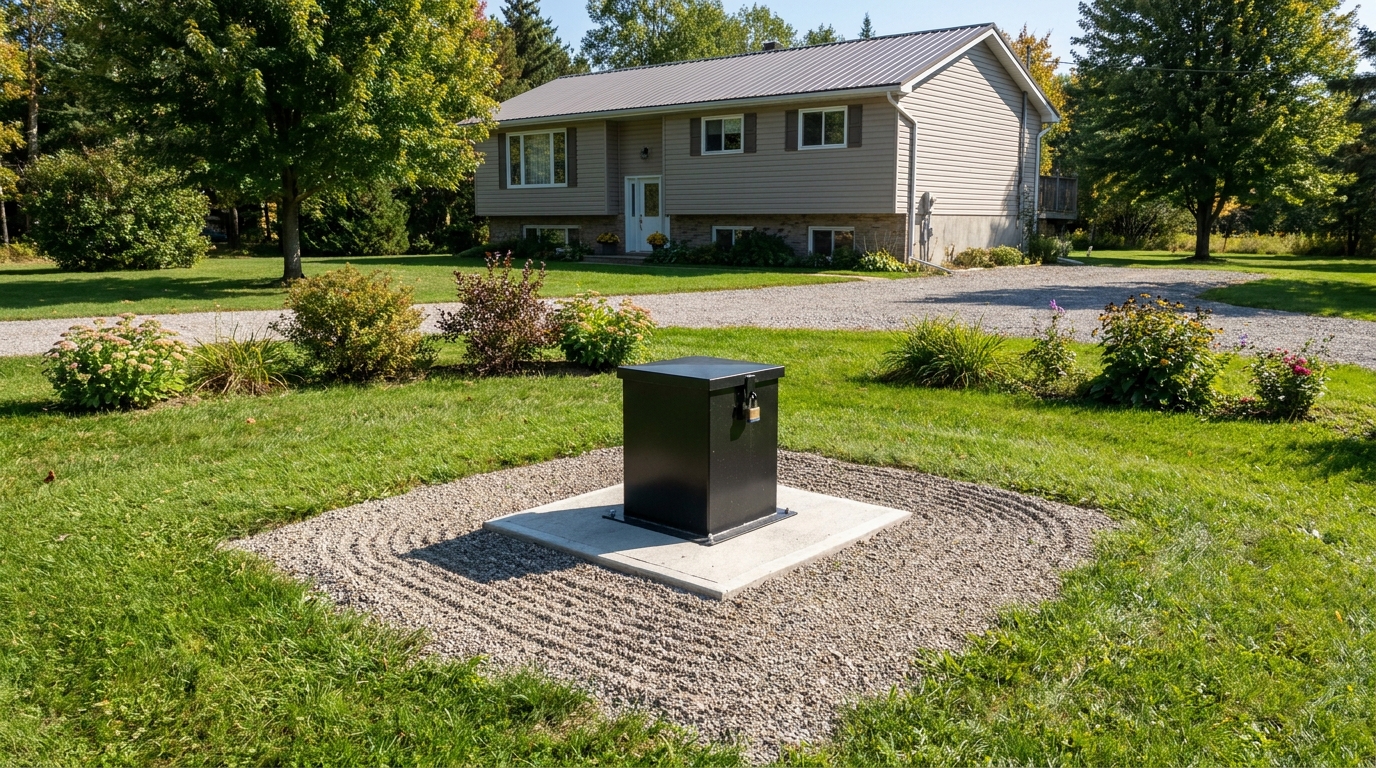
For homes on private wells, pump maintenance should include the outdoor environment around the well. It is easy to focus only on the mechanical room because that is where the pressure tank and controls are visible, but the wellhead itself is part of the system’s first line of protection. A neglected outdoor area can increase the risk of contamination, physical damage, and difficult access during service.
The well cap should be secure and intact. Surface water should drain away from the well rather than pool around it. Chemicals, fuel, fertilizers, manure, or waste materials should never be stored nearby. Landscaping should be tidy enough that the well remains visible and accessible. These are simple measures, but they help preserve the sanitary integrity of the water source and make routine inspections easier.
From a sustainability perspective, protection is always preferable to remediation. Preventing contamination avoids the need for additional treatment, emergency service, or more extensive water testing later. It also supports the long term resilience of the property. Clean water is one of the most essential resources a home depends on, and caring for the wellhead is a direct way to respect that resource.
Common misconceptions that lead to wasted water and energy
Many maintenance problems begin with assumptions that sound reasonable on the surface. One of the most common is the idea that if water still flows, the pump must be fine. In reality, chronic cycling, subtle pressure loss, unusual noises, or rising electricity use can all indicate trouble before a complete failure occurs. Waiting for a no water emergency is usually the most disruptive and expensive way to discover a problem.
Another misconception is that only visible leaks matter. In truth, poor maintenance can waste both water and energy even when no dramatic leak is present. A system running at the wrong pressure, a tank losing effectiveness, or a pump operating inefficiently can all add to the environmental footprint of the home. Because these losses happen quietly, they often escape attention longer than obvious plumbing failures.
There is also a persistent belief that any replacement part is acceptable as long as it fits. For potable water systems, that is not a safe assumption. Wet side parts should be appropriate for drinking water contact, and homeowners should ask about relevant certification or compliance, including NSF/ANSI/CAN 61 where applicable. Practical sustainability includes material safety as much as energy efficiency.
Finally, some homeowners assume private wells are monitored by government agencies the same way city water systems are. They are not. Both Canadian and U.S. guidance make clear that owners are responsible for monitoring and maintenance. That may sound intimidating, but it is really an invitation to be proactive. Regular checks are the most manageable path forward.
A sustainable water system is rarely defined by one big upgrade. More often, it is the result of small, regular actions that prevent waste, protect water quality, and help equipment last longer.
When to call a licensed professional
Homeowner maintenance has clear value, but it also has limits. A balanced approach respects both. There are situations where professional diagnosis is the safest and most cost effective option, especially when electrical components, pressure settings, internal pump issues, or water quality concerns are involved. Calling for help early can prevent more extensive damage and reduce the chance of emergency failure.
You should contact a licensed well contractor or qualified plumber if you notice persistent pressure loss, short cycling that does not improve, no water, unusual mechanical noises, cloudy water after maintenance, or signs of electrical or mechanical failure. Ontario guidance specifically notes that a pump that continually runs or loses pressure may point to cracks or holes in the waterlines. Those are not issues to leave unresolved. They can waste significant water and place ongoing stress on the system.
Professional help is also valuable when replacing components, checking pressure tank performance, adjusting controls, or troubleshooting repeated issues. If your home has treatment equipment integrated with the pump system, service may need to be coordinated so water quality and hydraulic performance are both addressed properly. A thoughtful contractor can help you avoid piecemeal repairs that solve a symptom but miss the underlying cause.
Choosing qualified service is itself part of sustainable decision making. Good maintenance is not only about doing things cheaply. It is about preserving the function, safety, and longevity of the whole system over time.
Building a preventive maintenance routine that lasts
The most effective maintenance plan is the one a homeowner will actually keep. That usually means making the routine simple, repeatable, and tied to a few moments in the year that are easy to remember. For some households, that might be the start of spring, mid summer, early fall, and the beginning of winter. For others, it might be a quick check on the first weekend of each month. The exact timing matters less than consistency.
It can help to create a small maintenance record with dates, observations, repairs, water test results, and part replacements. Write down when the water pressure started feeling different, when the pump seemed to run more often, or when a fitting was replaced. This kind of log is helpful not only for you but also for any contractor who services the system later. Patterns become easier to spot when they are documented rather than remembered vaguely.
If your household is considering technology upgrades, monitoring tools can complement this routine. Flow sensors, leak detection systems, and smart shutoff devices are receiving more attention in water efficiency guidance for a reason. They can make maintenance more responsive and less stressful. Still, the basics remain the foundation. A clean mechanical area, routine observation, timely repairs, and water testing after service do most of the heavy lifting in a sustainable home water strategy.
For households planning larger improvements, it is also worth asking whether the current pump setup is well matched to demand. In some cases, more efficient equipment, a better pressure tank arrangement, or upgraded controls may improve performance and reduce waste. Those decisions are best made with professional input, but they are much easier to evaluate when a homeowner already understands how the system has been behaving over time.
The long term value of caring for the system you already have
There is a quiet elegance in maintaining essential systems well. It is less visible than a renovation and less exciting than new technology, but it often delivers real environmental value. A water pump that runs efficiently, a pressure tank that reduces unnecessary cycling, a wellhead that stays clean and protected, and a household that notices leaks early all contribute to a lower impact home. These are practical habits, not symbolic ones.
That is why pump maintenance fits so naturally into a broader sustainable housing mindset. It reduces wasted gallons. It lowers the energy required to move and sometimes heat water. It extends the life of expensive equipment. It supports water quality and helps avoid unnecessary material replacement. Most importantly, it makes sustainability feel tangible. You do not need to overhaul everything at once to make meaningful progress.
For private well owners in particular, regular maintenance is part of responsible home stewardship. Health Canada and the EPA both make clear that the owner is responsible for system protection and upkeep. That responsibility is real, but it is also empowering. With a little routine attention, homeowners can improve reliability, preserve water quality, and reduce resource waste in ways that are both practical and achievable.
In the end, a sustainable home water system is not just about what it uses. It is also about how carefully it is looked after. Pump maintenance may not be the most glamorous household task, but it is one of the clearest examples of how everyday care can support long term efficiency, resilience, and environmental responsibility. For most homes, that is a very good place to start.
Frequently asked questions about pump maintenance
How often should a homeowner check a home water pump system?
A quick visual and listening check once a month is a sensible baseline for most households. You can look for leaks, moisture, corrosion, unusual pump cycling, and pressure changes without handling electrical parts. A more complete review of the wellhead area, water usage patterns, and maintenance record every season adds another layer of protection. If your system has shown problems before, more frequent observation may be worthwhile.
Does pump maintenance really save energy?
Yes. A pump that cycles properly and operates without leaks or pressure problems generally uses less electricity than one working harder than necessary. Because water and energy are closely linked, reducing waste in the water system often reduces energy use as well. That includes the energy needed to move water, maintain pressure, and in many cases heat the water later inside the home.
What is short cycling and why is it a problem?
Short cycling happens when the pump turns on and off too frequently in brief bursts. This often points to pressure tank issues, leaks, pressure control problems, or related system faults. It matters because excessive cycling increases wear on the pump and associated components, reduces efficiency, and can shorten equipment life significantly.
Should water be tested after pump or well service?
Yes. Health Canada advises testing well water after repairs or maintenance to the well or related equipment. Service can disturb the system, and testing helps confirm that water quality remains safe. The specific tests may vary depending on your location and water source, so local health guidance or a qualified professional can help you decide what is appropriate.
What should I ask about replacement parts?
Ask whether parts that come into contact with drinking water are appropriate for potable water use and whether they meet relevant certification or compliance requirements. NSF/ANSI/CAN 61 is the key standard often referenced for drinking water system components. This is especially important when replacing fittings, seals, valves, and other wet side parts.



No Comment! Be the first one.