
Comprehensive Rental Market Analysis for 2026: Trends and Insights
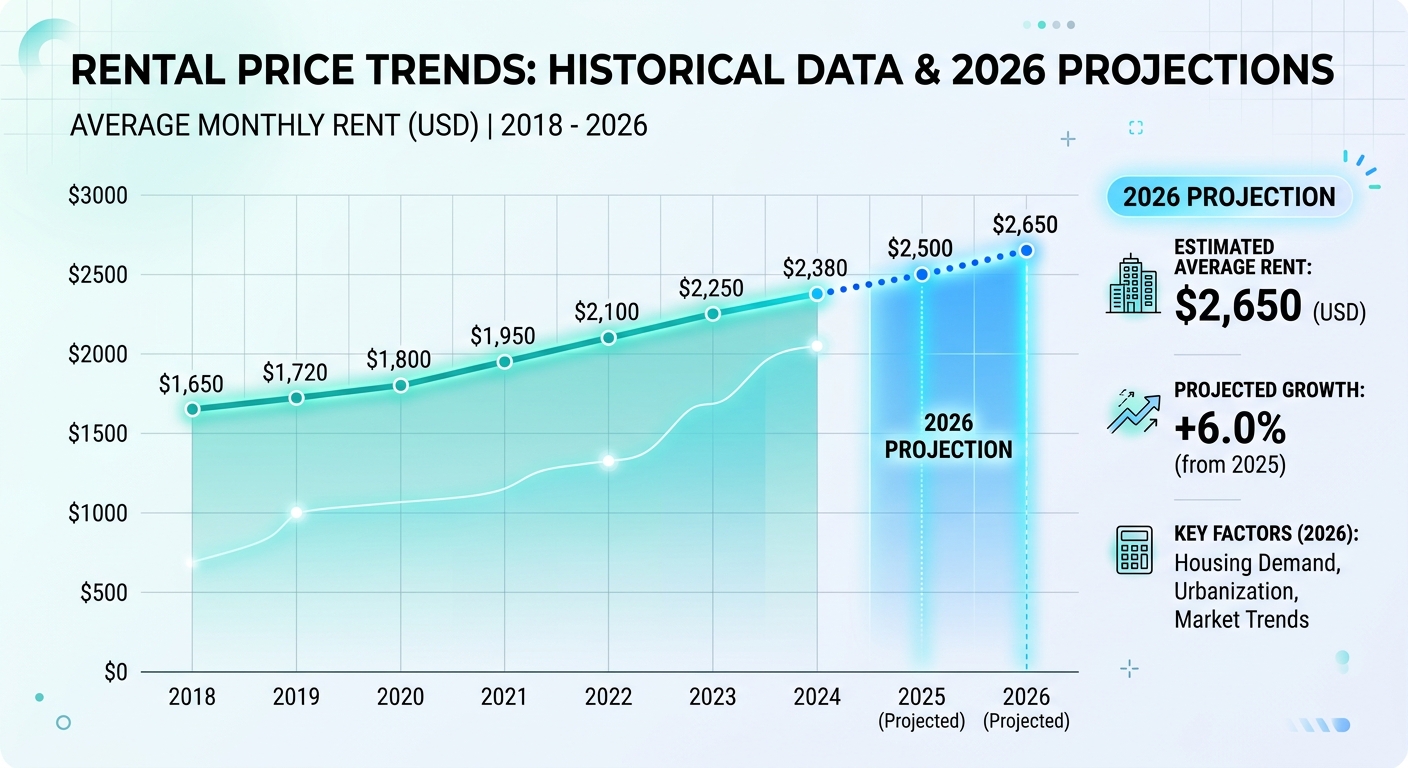
The rental market for 2026 presents a unique set of opportunities and challenges for real estate investors. As the industry continues to evolve, driven by technological advancements, demographic shifts, and changing economic conditions, it is essential to understand the factors that will shape rental prices, demand, and supply dynamics. This article offers an in-depth look at the trends and insights that will influence the North American rental market, particularly in Canada and the United States, equipping investors with actionable strategies to navigate this evolving landscape.
Table Of Content
- Current State of the Rental Market
- Key Trends and Predictions for 2026
- Technological Changes
- Remote Work and Its Impact
- Urbanization Dynamics
- Impact of Demographics and Economic Factors
- Generational Shifts
- Economic Conditions
- Strategies for Real Estate Investors
- Adopting a Submarket Focus
- Focusing on Mid-Market Rentals
- Leveraging Technology
- Exploring Alternative Financing Options
- Conclusion
Current State of the Rental Market
The rental market landscape is currently characterized by a shift from the post-pandemic surge in rental prices to a more balanced, yet challenging environment. In Canada, the 2026 housing forecast indicates that rental markets are converging towards equilibrium, with an increasing supply of newly constructed rental units and a deceleration in rent growth. According to the Canada Mortgage and Housing Corporation (CMHC), the national rental vacancy rate has risen to around 3.1%, up from 2.2% in 2024. This increase can be attributed to a significant influx of purpose-built rental properties, which have dampened rental price escalation in many regions.
Similarly, in the United States, the Harvard Joint Center for Housing Studies’ research notes a similar trend, with rental growth slowing significantly and vacancy rates reaching approximately 5.2% by the end of 2025. As the market stabilizes, it is evident that supply is beginning to outpace demand across numerous metropolitan areas, leading investors to reassess their strategies for capital deployment and asset management.
Key Trends and Predictions for 2026
Looking ahead to 2026, several key trends are emerging from the rental market that investors should closely monitor. These trends not only reflect the evolving preferences of tenants but also the macroeconomic factors that drive market dynamics.
Technological Changes
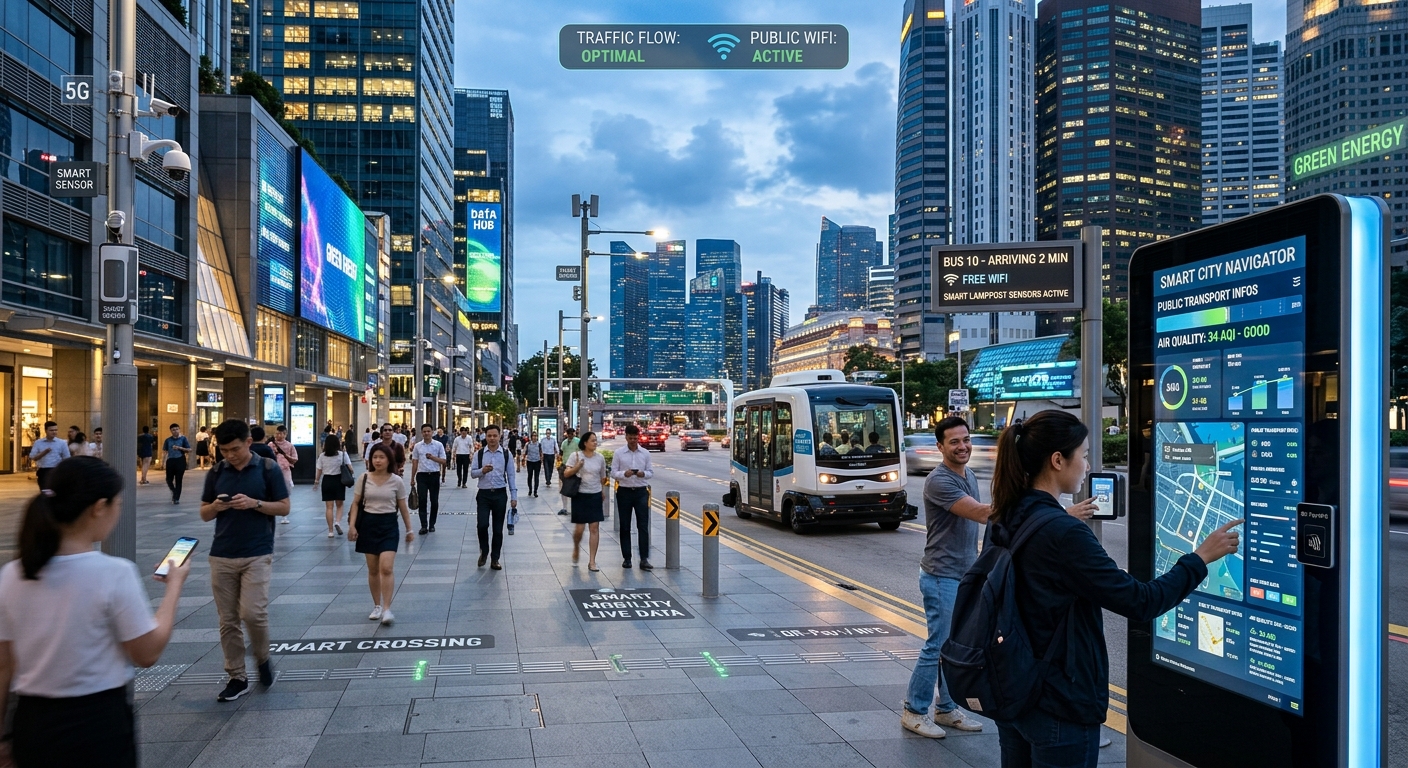
The influence of technology on the rental landscape cannot be underestimated. From virtual tours to AI-driven pricing algorithms, technology is reshaping how properties are marketed and managed. As property management becomes increasingly sophisticated, investors must assess how these innovations can enhance operational efficiency and tenant satisfaction.
One of the most significant developments is the rise of smart leasing technology. This encompasses everything from digitally optimized application processes to automated rent collection and maintenance requests. The adoption of such technologies not only streamlines operations but also provides valuable data analytics to improve the tenant experience and optimize asset performance.
Remote Work and Its Impact
The shift towards remote work has permanently altered the rental market. Many individuals and families are now prioritizing versatility and space over location. This has led to rising demand for larger rental units in suburban areas that offer more amenities and connectivity options.
Moreover, the desire for remote work has resulted in a noticeable migration pattern as individuals seek affordable housing outside urban centers. This trend is expected to persist as remote work becomes ingrained in company policies, further impacting rental demand on a sub-market level. Investors should focus on regions that are experiencing significant population growth due to these remote work trends.
Urbanization Dynamics
Despite the ongoing migration to suburban areas, urban centers continue to play a vital role in the rental landscape. The promise of opportunities, amenities, and accessibility keeps urban living attractive for many tenants. However, urbanization is being balanced by a need for affordability and a preference for mixed-use developments that cater to a diverse population.
Investors will need to keep a keen eye on urban revitalization projects and city policies aimed at encouraging affordable housing. These developments can create new opportunities to capitalize on emerging rental markets within metropolitan areas.
Impact of Demographics and Economic Factors
Demographic shifts are playing an influential role in shaping North America’s rental market. As Millennials and Gen Z continue to transition into the housing market, their preferences and financial constraints must be accounted for in investment strategies.
Generational Shifts
Younger generations are increasingly favoring rental properties that meet their lifestyle needs over traditional homeownership. Features such as modern amenities, flexible lease terms, and environmentally friendly designs are becoming essential for attracting this demographic. Investors who can adapt to these preferences will have a competitive advantage as they position their assets to meet evolving market demands.
Economic Conditions
The macroeconomic environment, including inflationary pressures, interest rates, and job growth, will have lasting effects on rental markets. The current inflation trends have led to higher construction costs, which pose challenges for new developments. As a result, investors should be cautious in their projections for rental growth, acknowledging the external factors that may hinder demand and limit rental price increases.
The forecast for 2026 indicates that the U.S. multifamily market could see vacancies stabilize around 4.4% nationally. However, potential investors must continue to analyze regional economic indicators, including job growth and household formation rates, to discern opportunities for value appreciation and robust rent growth.
Strategies for Real Estate Investors
In light of the changing rental landscape, investors will need to recalibrate their strategies to accommodate emerging trends and economic conditions. A nuanced approach will allow them to effectively capitalize on potential opportunities while mitigating risks.
Adopting a Submarket Focus
As rental dynamics fluctuate, a submarket-driven investment approach could yield the best results. Investors should prioritize areas with strong demand indicators, such as job market activity and population growth, especially focused on submarkets that have demonstrated resilience during economic downturns. Understanding local market conditions will be critical in identifying prime investment opportunities.
Focusing on Mid-Market Rentals
The recent cooling of high-end rental markets has shifted attention towards mid-market and family-sized units, creating potential for sustained absorption and growth. By targeting these demographics, investors can fill the gap left by rapidly rising rents that have outpaced income growth, thereby positioning themselves to benefit from favorable leasing conditions.
Leveraging Technology
Technology should be integrated into all aspects of property management and tenant engagement. By utilizing data analytics, investors can better understand tenant preferences and optimize pricing strategies, leading to higher occupancy rates and minimized turnover. Additionally, adopting technology-driven maintenance programs can ensure a quality living experience, enhancing tenant retention.
Exploring Alternative Financing Options
With rising construction costs and tighter lending standards, exploring alternative financing options can provide investors with the flexibility needed to navigate challenging economic conditions. Innovative financing structures such as modular construction can accelerate delivery timelines, allowing investors to respond more swiftly to demand fluctuations while maintaining operational efficiency.
Conclusion
The rental market in 2026 is poised for significant change, driven by a convergence of technological advancements, evolving tenant preferences, and economic fluctuations. Investors must be proactive in assessing emerging trends while remaining agile in their strategies to capitalize on evolving market dynamics. Understanding these factors not only provides insight into potential investment opportunities but also equips investors with the knowledge to navigate a complex and competitive rental landscape. As the market continues to shift, those who adapt and innovate will thrive, creating sustainable growth opportunities in the ever-evolving rental real estate sector.



No Comment! Be the first one.