
Building the Future: A Comprehensive Guide to Smart City Planning
As urban areas across the globe continue to expand rapidly, the importance of smart city planning has never been more evident. The integration of technology with urban design aims to create spaces that are not only efficient but also resilient and livable. This article will delve into the key components of smart city planning, highlighting innovative technologies and strategic approaches that enhance urban living. Learn how thoughtful design and data-driven decision-making can lead to sustainable urban growth and improved quality of life for residents.
Table Of Content
Defining Smart Cities: Key Characteristics and Technologies
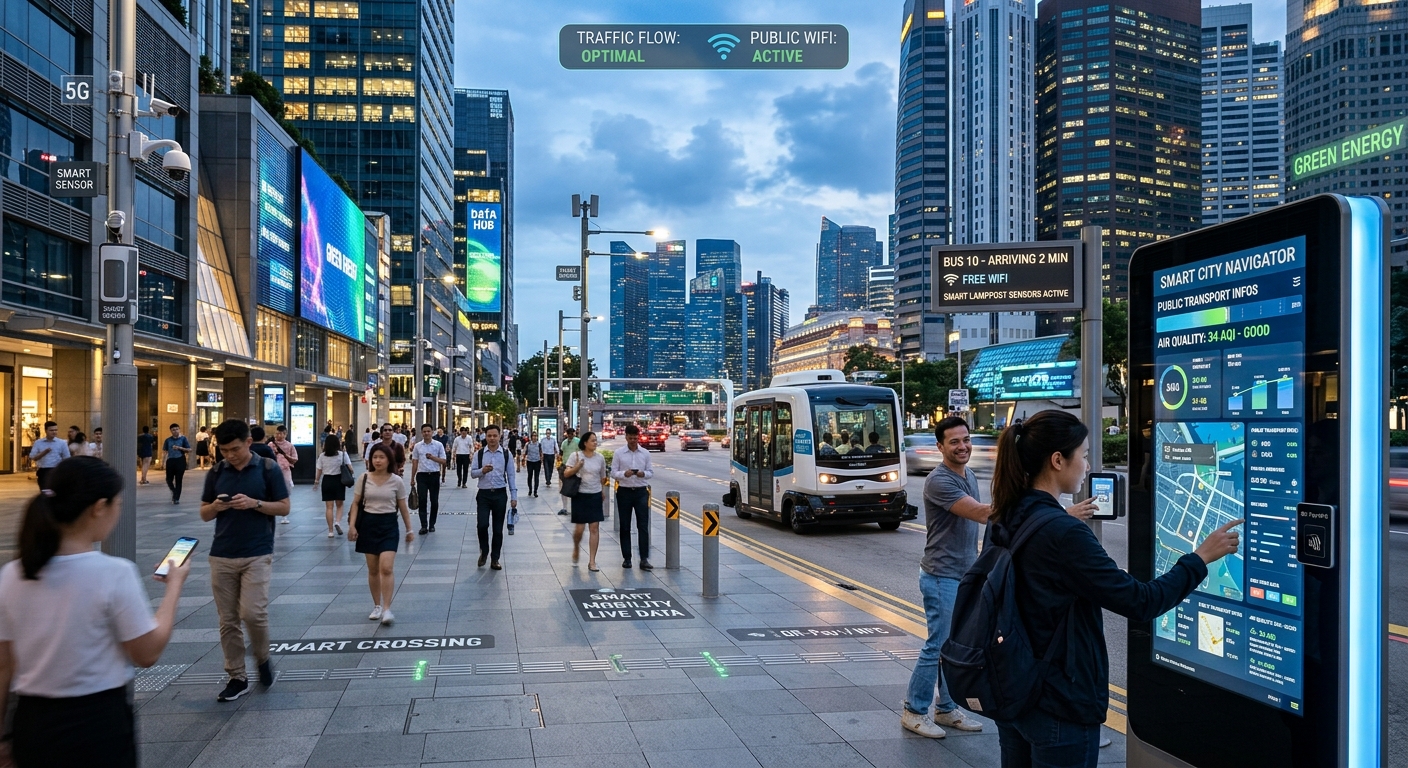
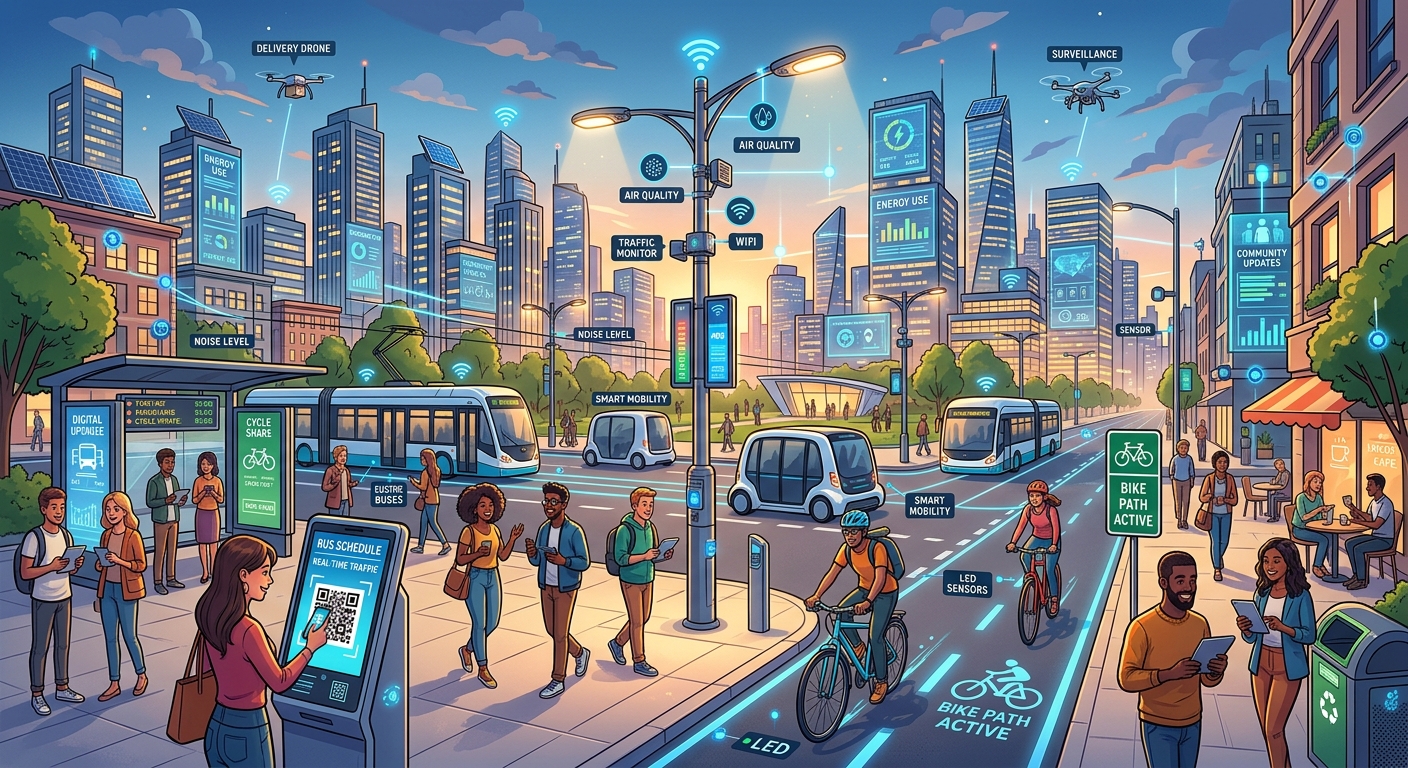
Understanding what constitutes a smart city is crucial for effective planning and implementation. Smart cities are characterized by their use of Information and Communication Technologies (ICT), sensors, and data-driven strategies to improve urban performance. These elements come together to enhance various aspects of city life, from transportation to public services.
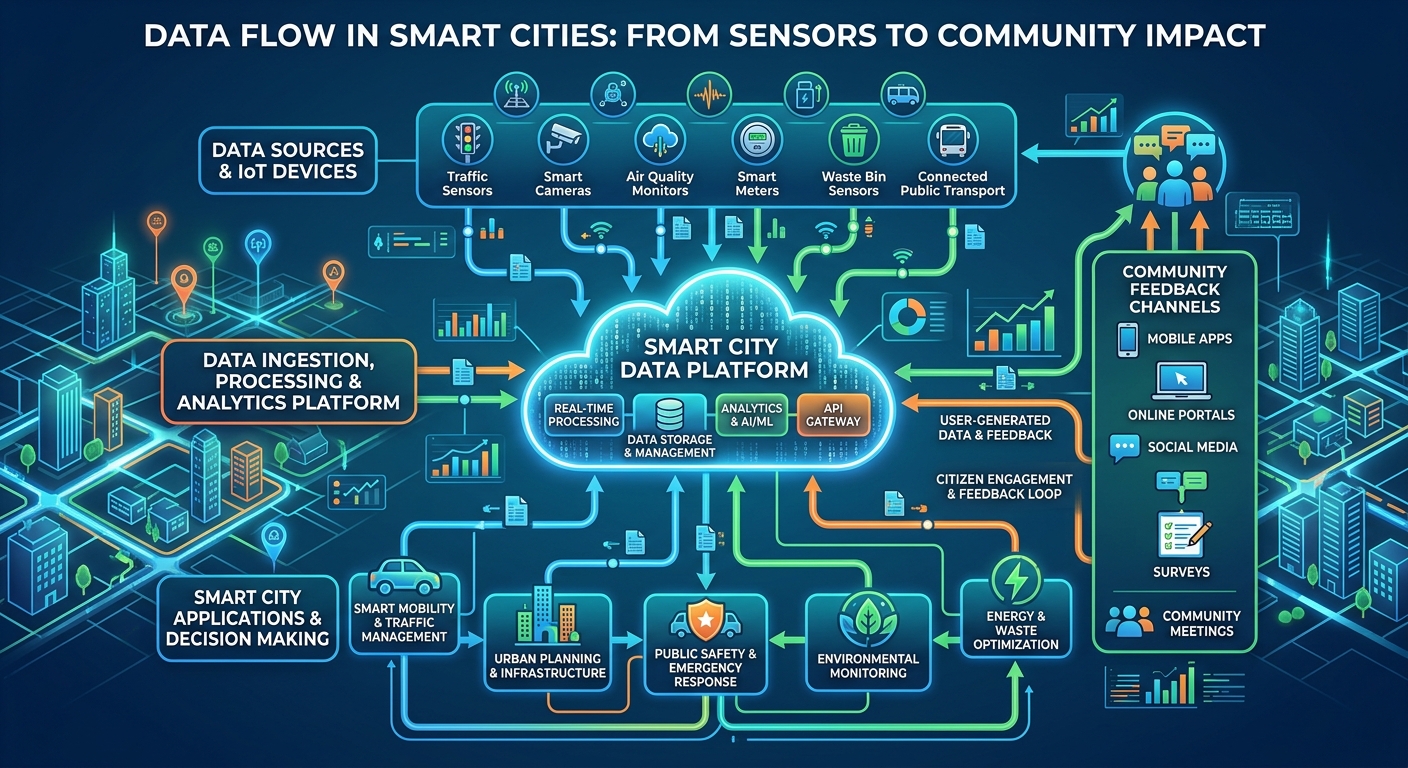
A common theme among smart cities is their commitment to efficiency and sustainability. By utilizing a technology stack that includes the Internet of Things (IoT), mobile platforms, big data analytics, artificial intelligence (AI), and even blockchain technology, these urban areas can streamline operations and improve service delivery. Additionally, attention is paid to governance frameworks that prioritize equity and privacy, ensuring that all citizens benefit from technological advancements.
The Role of Data in Urban Planning and Development
Data is the backbone of any smart city initiative. The effective collection, analysis, and utilization of data drive informed decision-making at all levels of urban planning. This data can come from various sources, including public feedback, sensor networks, and existing administrative databases. The crux of smart city planning lies in transforming this raw data into actionable insights.
One of the foremost examples of successful data integration is visible in the Smart Cities Challenge in Canada, launched in 2017. This initiative allocated up to C$300 million over roughly a decade to test innovative, outcomes-based approaches to urban challenges. Cities like Montreal, Guelph/Wellington, Nunavut, and Bridgewater have benefited from the program, each showcasing unique data-driven solutions that have led to improved partnerships, knowledge sharing, and community engagement.
Similarly, in the United States, the USDOT Smart City Challenge awarded Columbus, Ohio, about $40 million in federal funding, alongside significant private investments reported at roughly $140 million in total. This initiative illustrated how strategic data usage, complemented by robust partnerships and city leadership, can innovate transportation and urban services on a larger scale.
Sustainable Practices and Green Solutions in Smart City Design
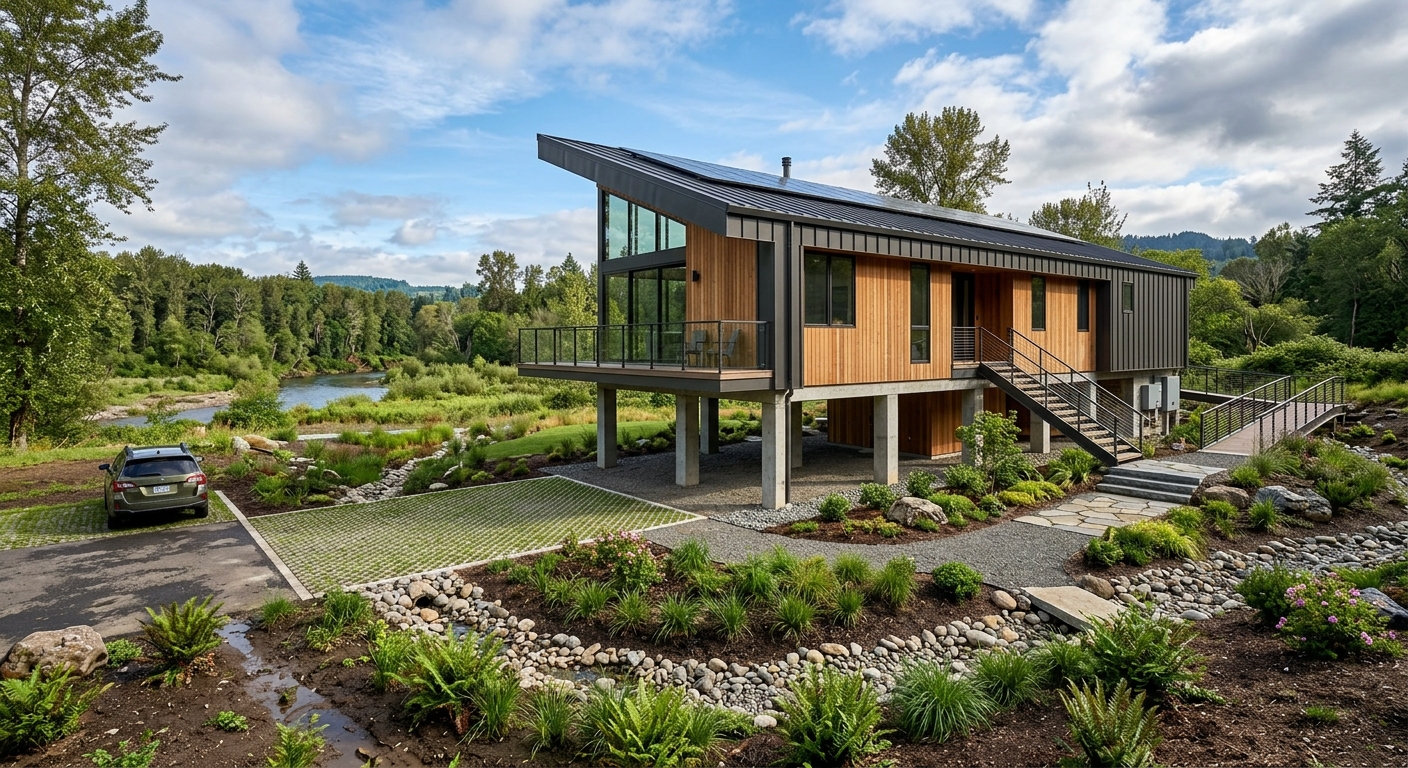
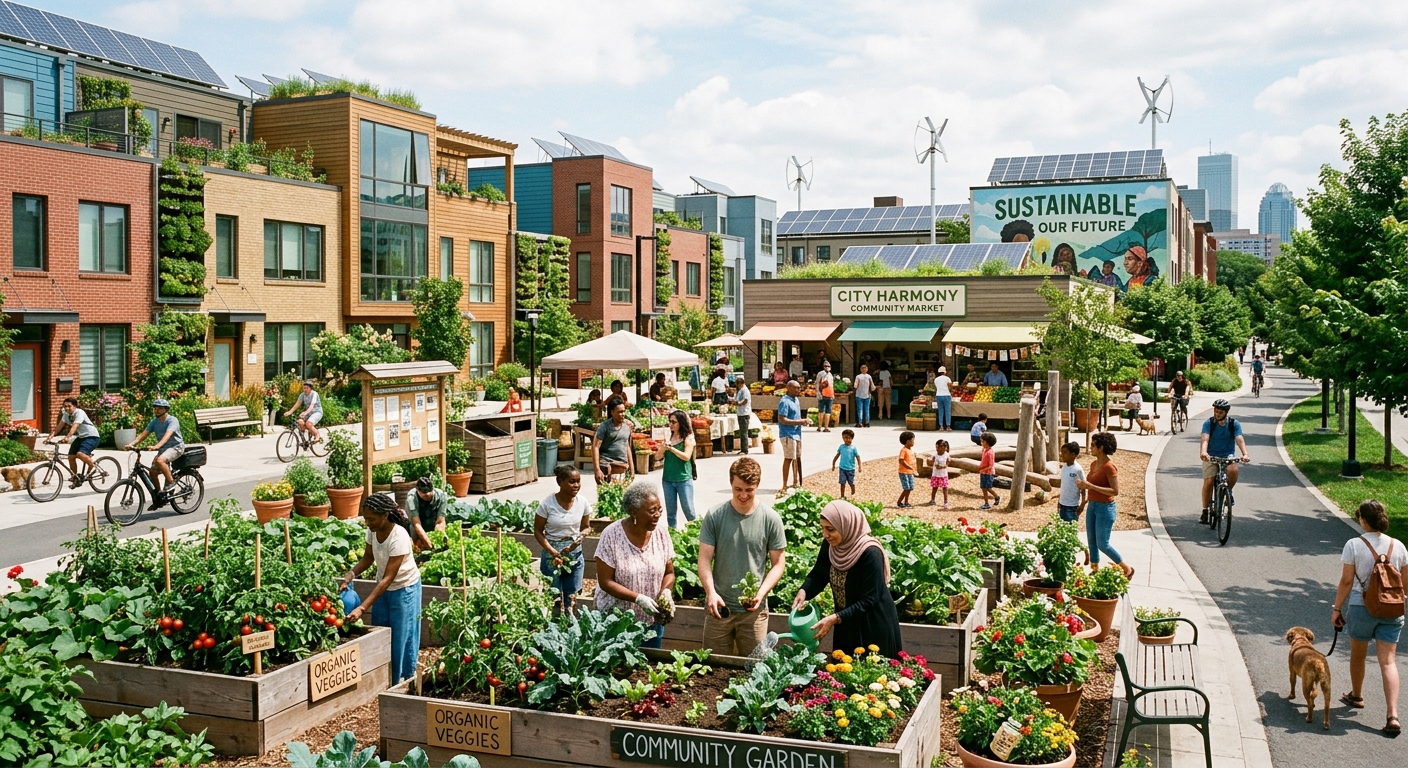
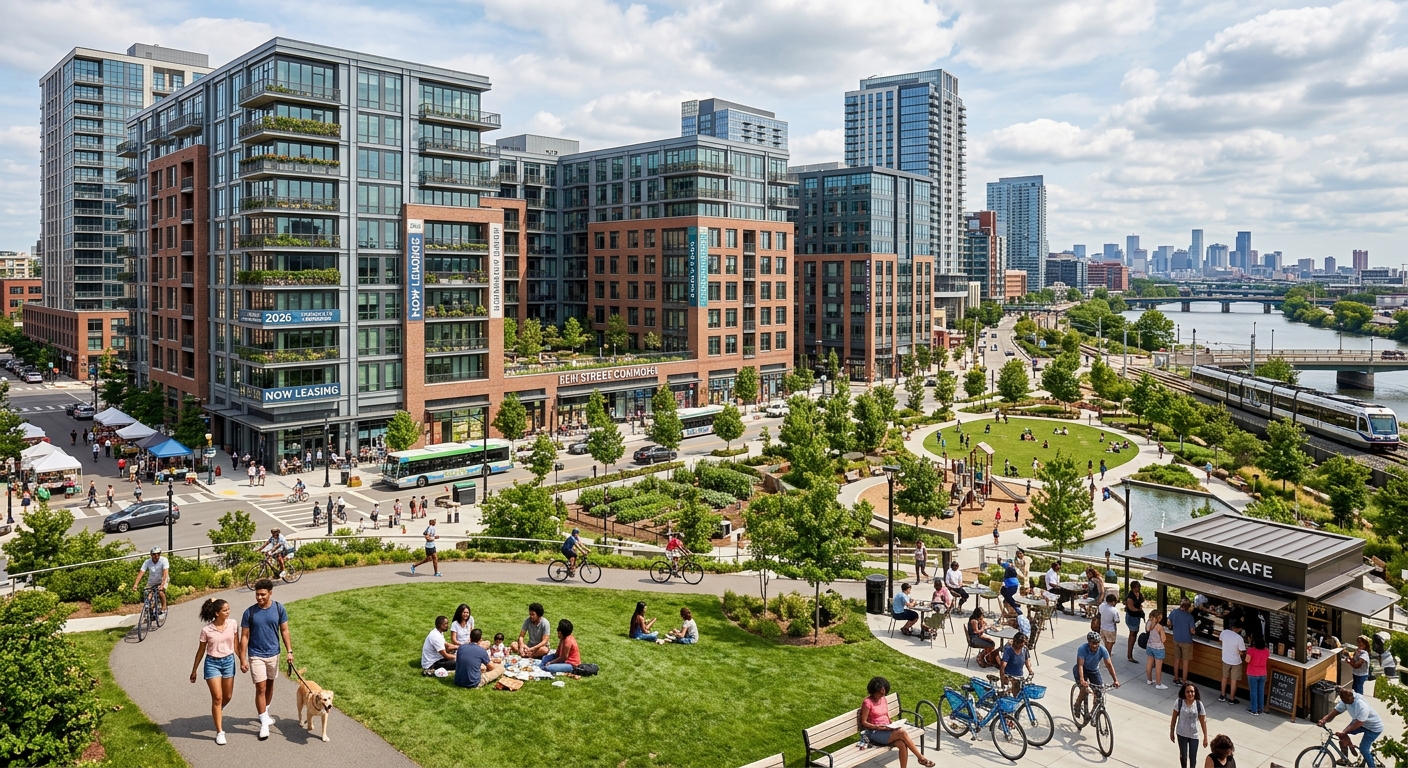
As the detrimental effects of climate change become increasingly apparent, integrating sustainable practices into urban planning has become imperative. Smart cities prioritize green solutions to reduce their carbon footprints and enhance overall environmental quality. Strategies often involve energy-efficient buildings, the promotion of public transit, and the integration of green spaces.
Research conducted by C40 illustrates the significant advantages of urban climate action. Their climate-action initiatives in cities have led to a considerable 49% reduction in PM2.5 emissions and an impressive 87% reduction in greenhouse gas emissions. By implementing interconnected mobility systems, energy-efficient buildings, and climate resilience strategies, urban areas not only improve their environmental standing but can also unlock substantial health and economic benefits for their residents.
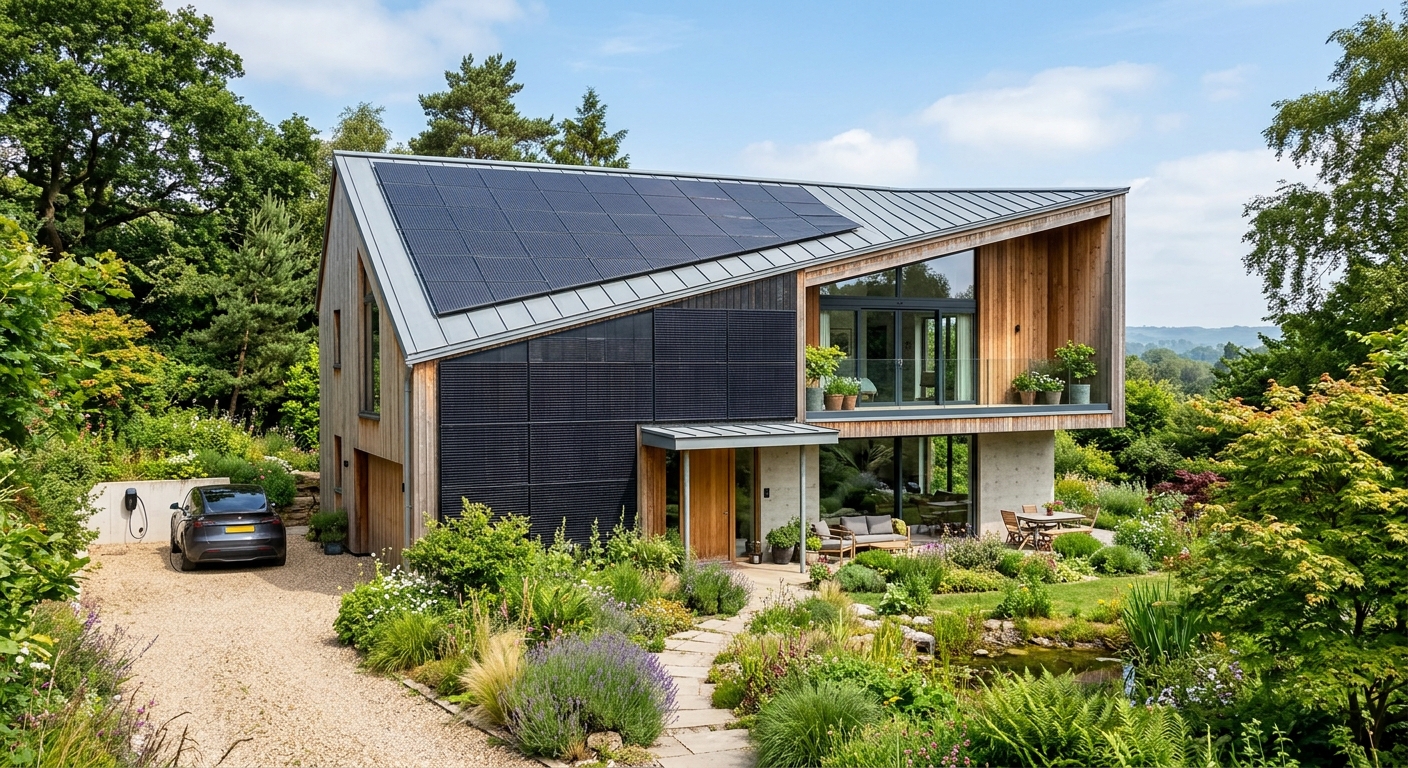
Moreover, the shift toward renewable energy sources, such as solar and wind farms, complements the push for sustainability. As cities adopt these energy solutions, they are not just taking steps toward being smart, but also steps toward being eco-friendly. The concept of a circular economy has grown, encouraging cities to minimize waste and make the most of their resources. This paradigm shift is crucial in urban settings, where resource demands are high and efficient management is essential.
Future Trends and Innovations in Urban Growth
Looking ahead, several trends indicate how smart city planning will evolve. Notably, the rise of digital twins and city information modeling is reshaping urban planning. A digital twin—a virtual replica of a physical city—allows planners to simulate changes, assess impacts, and test scenarios before implementation. This real-time planning tool equips city leaders with valuable insights, enabling more responsive and informed decision-making.
AI-enabled decision support systems are becoming increasingly prominent, helping manage urban services through predictive analytics and real-time data processing. Combining AI capabilities with traditional urban management practices can enhance efficiency and effectiveness across various sectors. Furthermore, the focus on privacy-by-design and governance frameworks is gaining traction, fostering trust and transparency among citizens regarding data usage.
Another trend is the growing emphasis on citizen engagement. Smart cities are increasingly recognizing the vital role of resident participation in co-designing urban spaces and services. By implementing civic digital twins—interactive platforms co-developed with community representation—city planners can incorporate diverse perspectives and prioritize citizens’ needs in urban design. This approach not only improves responsiveness but also enhances the overall quality of life for residents.
Conclusion
In summary, the vision of smart city planning rests on integrating technology with urban design to create cities that are not only functional but also sustainable, equitable, and resilient. As urban populations continue to grow across North America and worldwide, the demand for smart solutions that enhance livability rises. The key lies in harnessing data and technology to inform decision-making, coupled with inclusive governance and transparent data practices.
As witnessed through initiatives like Canada’s Smart Cities Challenge and the USDOT’s Smart City Challenge, cities that embrace innovation, sustainability, and citizen engagement can set benchmarks for urban growth. The future of our cities is being shaped today through comprehensive strategies that prioritize resilience, efficiency, and quality of life. Let us collectively build this future, ensuring that urban spaces serve both current residents and generations to come.

No Comment! Be the first one.