
Exploring Building-Integrated Renewables: The Future of Eco-Friendly Homes
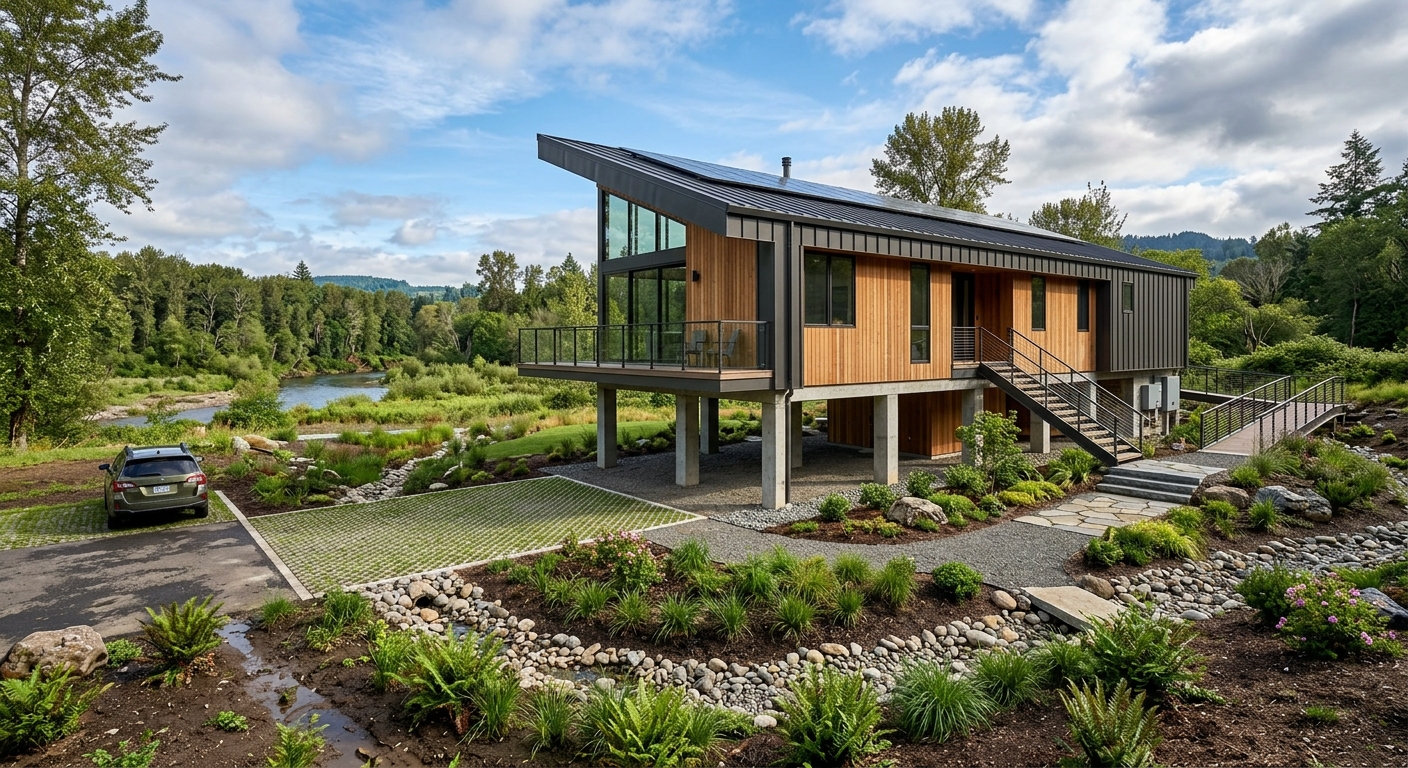
In today’s world, the conversation surrounding sustainability is at the forefront of architectural design and residential living. As homeowners become increasingly aware of their environmental impacts, many are looking for ways to integrate renewable energy sources into their homes without compromising aesthetic or functional value. This is where the concept of building-integrated renewables (BIR) comes into play. BIR refers to the innovative technologies that allow renewable energy solutions—like solar panels—to be seamlessly embedded within a building’s structure, turning roofs, façades, skylights, and shading elements into not just beautiful designs but also energy-generating systems.
Table Of Content
This article aims to provide a beginner-friendly introduction to BIR, elucidating how homeowners can achieve the integration of renewable energy solutions into their architectural designs while unraveling the long-term benefits of such eco-friendly adaptations. Let’s explore what BIR encompasses, the benefits it offers for homeowners, practical design ideas, and the steps one can take to embrace this dynamic approach to sustainable living.
What are Building-Integrated Renewables?
At its core, building-integrated renewables (BIR) encapsulate various renewable technologies that are directly incorporated into the building envelope. This can include everything from solar panels and skylights to façades and exterior shading elements. One of the most prominent applications of BIR is in the form of building-integrated photovoltaics (BIPV), where photovoltaic modules are used to replace traditional building materials. In this way, the structures perform dual functions—acting as protective envelopes while simultaneously generating electrical power.
In practice, BIR designs can manifest in several ways. BIPV products are often integrated into roofs, façades, and windows. Some of the notable applications of BIPV include:
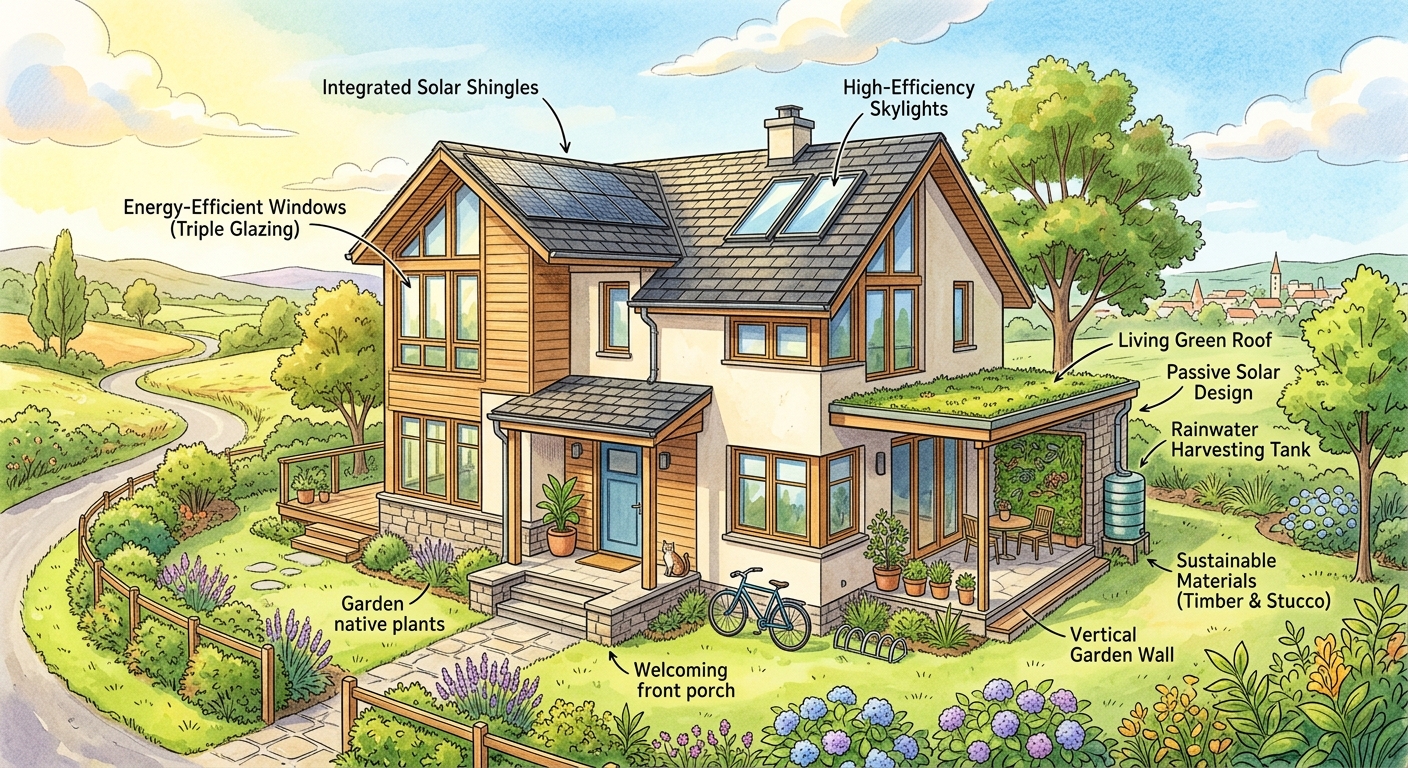
- Roofs: This encompasses solar tiles and shingles that resemble conventional roofing materials while generating power.
- Façades: This category includes cladding and curtain walls that not only enhance the building’s aesthetics but also contribute to energy productivity.
- Externally Integrated Systems: These might appear as elements like balustrades and shading devices, providing both functionality and energy generation.
Understanding these distinctions is crucial for homeowners who are considering integrating renewable technologies into their homes. Each application offers unique aesthetic and performance characteristics, ensuring that integrated solutions can harmoniously coexist with existing architectural elements. Additionally, the recent advancements in BIR technologies have made these solutions not just feasible but also highly efficient, as they support net-zero energy goals while also enhancing features like insulation and daylighting.
Benefits of Incorporating BIR in Homes
The integration of renewable energy systems within building designs provides a wealth of benefits, paving the way for a more sustainable and cost-effective future. Below are some of the most substantial advantages that homeowners can expect when opting for building-integrated renewables:
1. Reduced Energy Costs: One of the compelling reasons to adopt BIR is the potential to significantly lower energy bills. By generating your own electricity through embedded renewable technologies, homeowners can mitigate their dependency on conventional energy sources. Over time, this can lead to substantial savings, making it a financially wise choice.
2. Environmental Impact: One of the most appealing aspects of incorporating renewable energy into residential designs is the positive impact on the environment. By using clean energy systems, homeowners contribute to reducing greenhouse gas emissions and their overall carbon footprint. This shift not only benefits the planet but also aligns with a growing global movement toward sustainable living.
3. Enhanced Property Value: Homes equipped with renewable energy systems generally see an increase in property value. BIR’s modern and innovative designs are highly attractive to buyers, making them a desirable investment for future selling potential.
4. Aesthetic Appeal: BIR solutions, particularly those utilizing BIPV technologies, often enhance the overall look of a home. Instead of traditional solar panels that can disrupt a building’s architectural beauty, BIR seamlessly integrates energy-generating capabilities right into the design—resulting in a visually stunning, elegant housing solution.
5. Utility Grid Independence: By generating your own energy through integrated renewables, you can minimize your dependence on the local utility grid. This not only provides homeowners with greater autonomy over their energy supply but also protects them from rising energy prices.
6. Compliance with Building Codes: Many regions are increasingly adopting regulations that require sustainable building practices. Homeowners who proactively integrate BIR solutions may find it easier to comply with code requirements while also benefiting from available incentives and rebates.
Design Ideas and Considerations for Homeowners
When contemplating the integration of renewable technologies into residential projects, homeowners may find myriad design possibilities that fit their unique needs and preferences. The following ideas illustrate how to effectively incorporate BIR within your home:
Leveraging Roof Designs
When it comes to incorporating BIR into roofing structures, homeowners can opt for BIPV solar shingles or tiles that replace conventional roofing materials. These sleek options not only generate energy but also maintain the home’s architectural integrity. Various styles and colors are available to match the existing design, providing the functionality of electricity generation without compromising visual appeal.
Innovative Façade Solutions
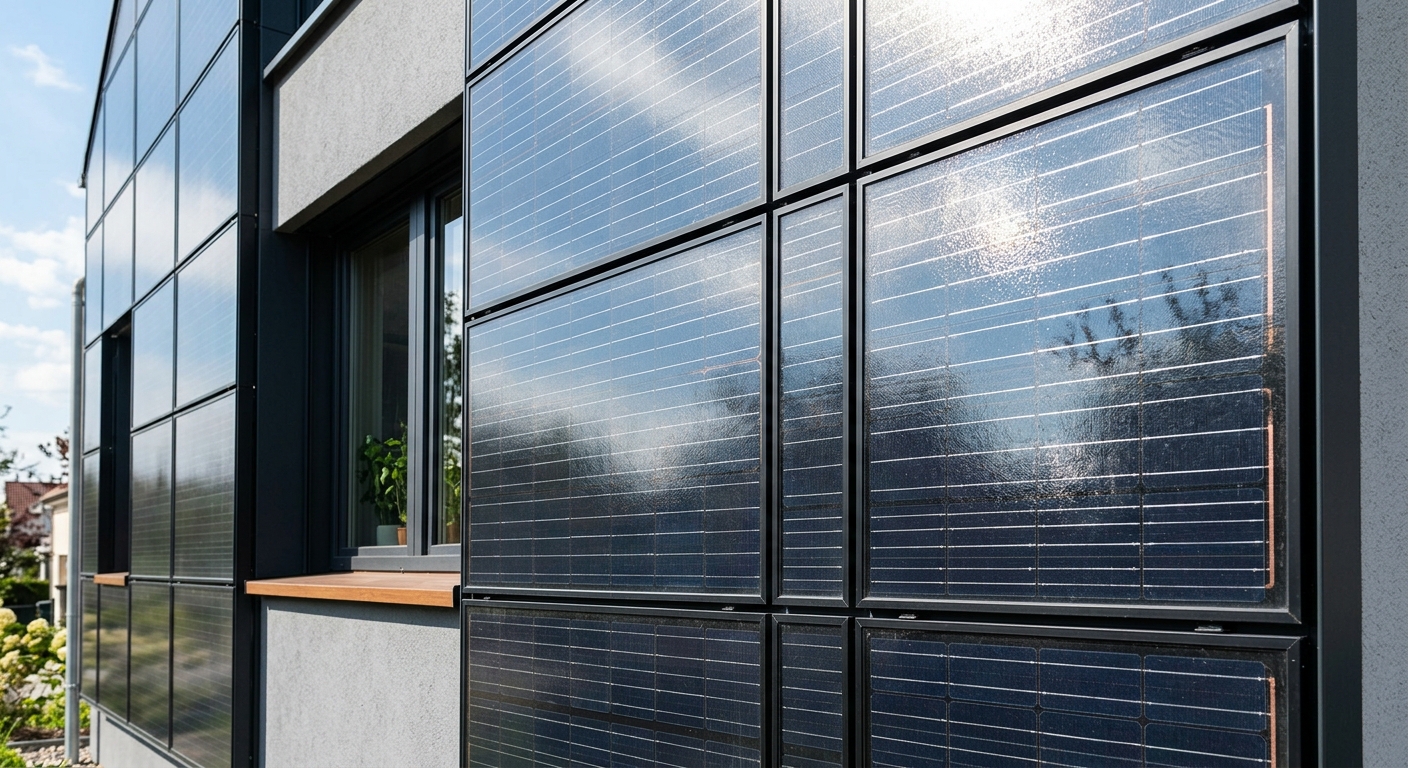
Façades present excellent opportunities for integrating renewable technologies. For example, BIPV glass panels can be utilized not only to enhance the aesthetic quality of the exterior but also to serve as energy-generating surfaces. Semi-transparent BIPV panels can be installed in windows and curtain walls to allow natural light while collecting solar energy. Homeowners can select designs that balance visual appeal and energy efficiency based on their specific preferences.
Utilizing Skylights and Shading Elements
Another practical application of BIR is through the use of skylights or external shading structures that incorporate solar technology. These elements can reduce the reliance on artificial lighting while contributing to energy generation. By selecting semi-transparent or transparent materials, these installations can create a bright, comfortable living space that harnesses the sun’s energy while simultaneously adding architectural interest to the home.
Conclusion: Embracing the Future of Sustainable Living
The world of architecture and home design is evolving to meet modern demands for sustainability, with building-integrated renewables leading the charge toward eco-friendly living. By understanding the various technologies and their applications, homeowners can make informed decisions about incorporating renewable energy into their living spaces. The many benefits, from reduced energy costs to enhanced aesthetics, illustrate just how practical and achievable these options are today.
As we move into the future, integrating renewables into our homes is not just an option but a necessity—an elegant solution that combines functionality with eco-conscious living. For those looking to embrace a sustainable lifestyle, building-integrated renewables present invaluable opportunities to create a home that not only meets energy needs but also contributes positively to the environment.

No Comment! Be the first one.