What Empty Condos Are Telling Investors About Canada’s Urban Market
When governments begin absorbing unsold housing inventory, investors should pay attention. Not because every intervention is a crisis, but because public capital usually arrives after private demand has weakened, financing has tightened, and developers are running out of easy options.
As The Bureau reports, Canada is now seeing two major condo absorption efforts in its largest real estate markets. In Toronto, a provincial-backed vehicle is targeting roughly 2,200 completed but unsold units for conversion into rentals. In Vancouver, Ottawa and British Columbia are pursuing a similar number of vacant condos for affordable housing. Together, the figure exceeds 4,400 units.
For investors, the number itself matters less than the signal behind it. Finished condo inventory that cannot clear through normal buyers tells us the market has moved beyond a pricing hesitation. It points to a gap between what developers need to recover costs and what end-users, landlords, or institutions are willing to pay at current interest rates.
That gap is now being bridged in part by government. The investment question is whether this creates a floor under values, or simply delays price discovery.
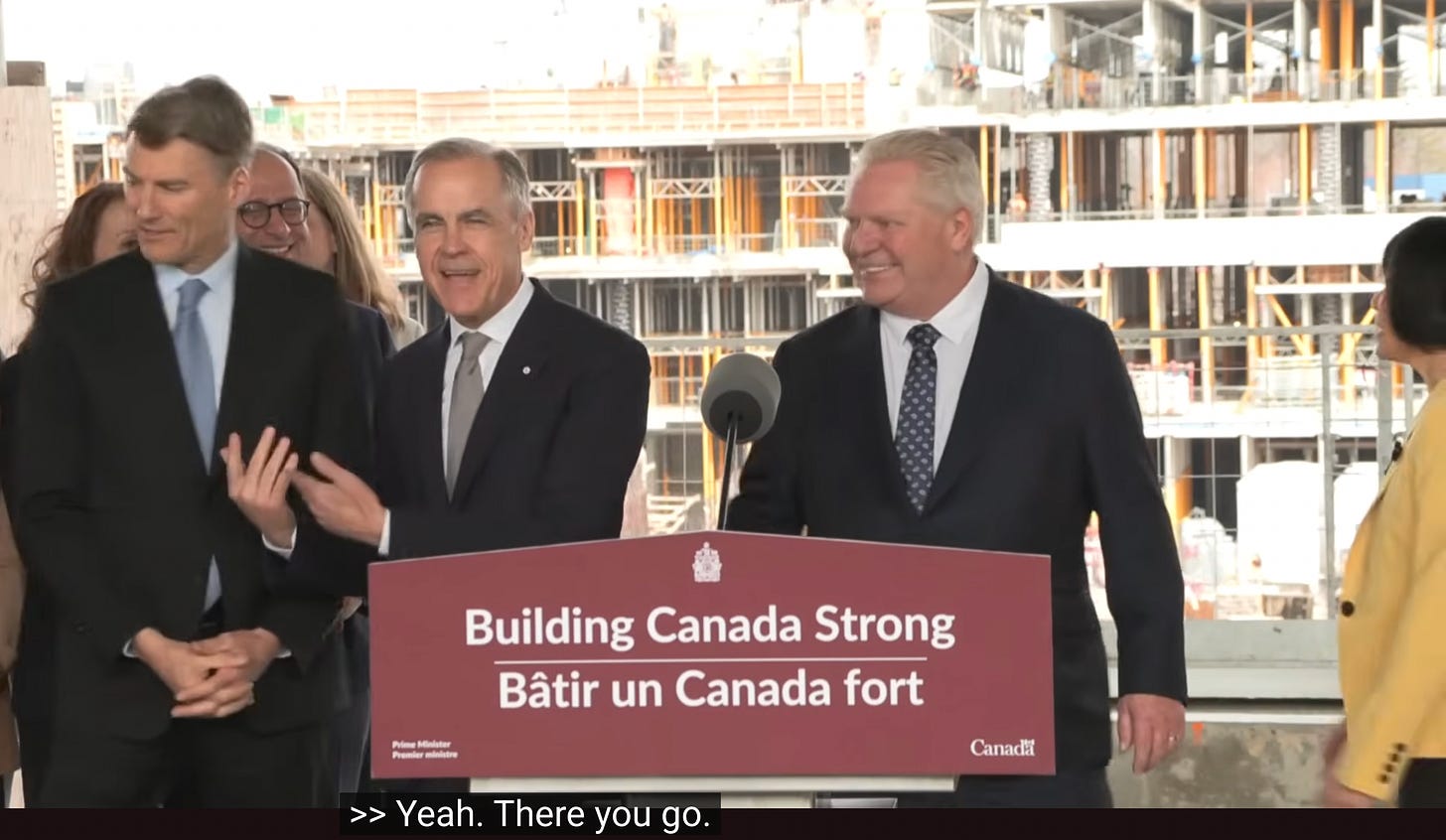
The Toronto structure appears more financially disciplined, based on the details reported. The provincial contribution is described as mezzanine debt, with a smaller equity component, alongside private equity and bank financing. The key point is that the transaction only works if units are acquired below developer cost. If that holds, losses remain with builders, while public capital has a defined route to repayment.
That does not eliminate risk. Mezzanine debt sits behind senior lenders and carries more exposure if asset values continue to fall. But as a market intervention, it at least recognizes a central reality of today’s condo economics: rental income must support the acquisition price. If cap rates, borrowing costs, and operating expenses do not align, the buyer has to demand a discount.
Vancouver is more politically charged because its affordability problem is deeper and its land values remain structurally high. Converting vacant condos into affordable homes may address an urgent housing need, but investors should separate social utility from financial underwriting. If public buyers pay too close to peak-market replacement cost, they risk transferring developer losses onto taxpayers.
Unsold inventory is not just a housing statistic. It is a pricing negotiation between developers, lenders, governments, and the next buyer.
The broader opportunity may emerge in secondary pricing. If governments absorb part of the completed inventory, developers gain breathing room. But if those purchases occur at discounts, they establish new comparable values. That can pressure resale condos, pre-sale assignments, and land valuations tied to optimistic exit prices.
Rental investors should also watch the conversion trend. More purpose-held rental supply in central markets can improve occupancy options for tenants, but it may moderate rent growth in specific buildings or submarkets. Strong locations will remain resilient. Generic investor-grade condo stock, particularly where supply is concentrated, deserves more caution.
The practical takeaway is simple: do not read government intervention as a guaranteed bottom. Read it as evidence that the market is repricing. For buyers, that means patience and sharper due diligence. For owners, it means understanding how nearby unsold inventory may affect value. For investors, the best opportunities will come where discounts are real, rental demand is durable, and the capital structure leaves room for error.
Source: The Bureau