The New Luxury Houseplant Is Chosen Like Sculpture
Indoor greenery has moved far beyond the polite potted plant in the corner. In the most considered homes, foliage is now treated as living sculpture, selected for scale, silhouette, surface, and the way it changes the atmosphere of a room. A recent News18 gallery on exotic plants highlights this shift clearly: the plants that make a home feel luxurious are not simply rare, they are visually architectural.
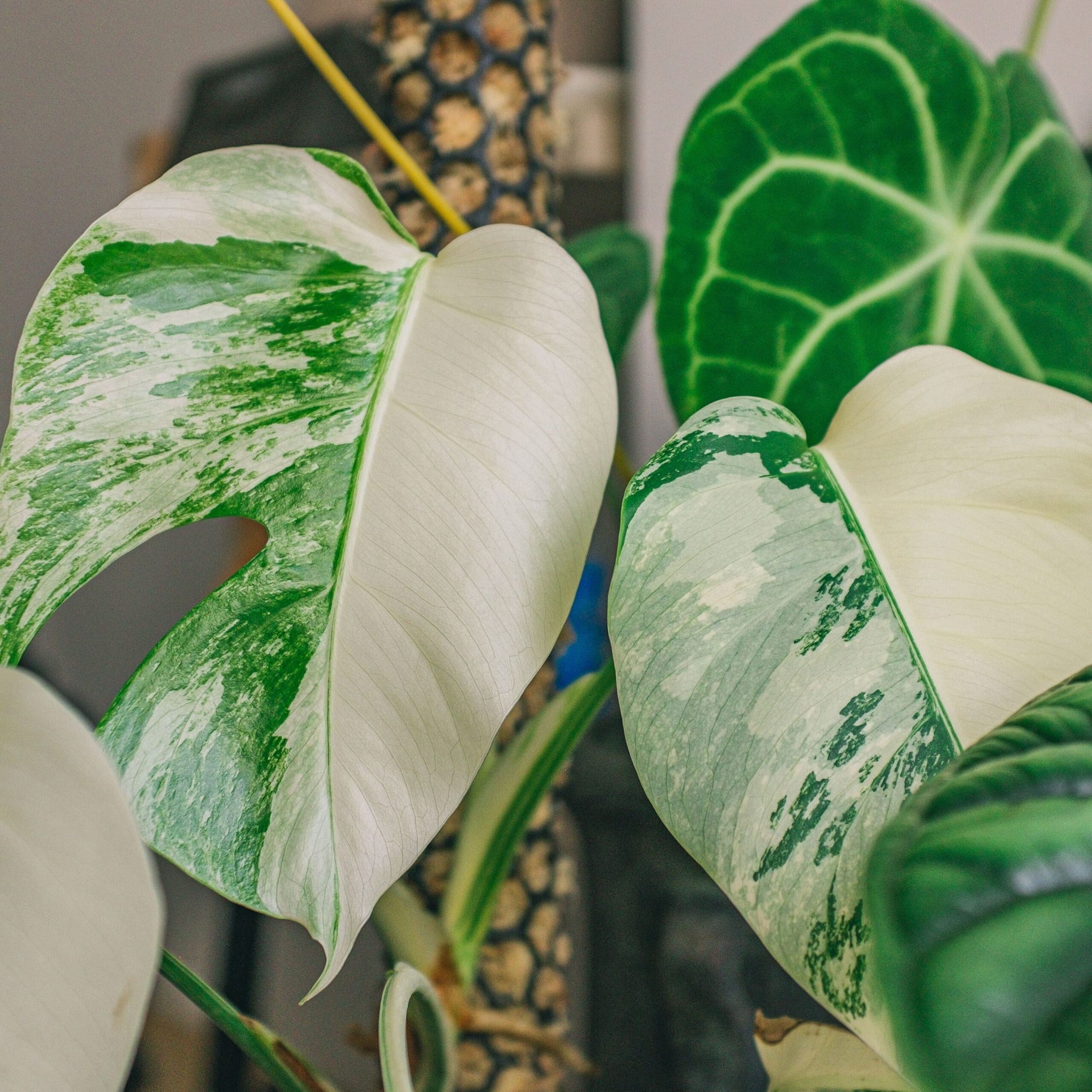
The Variegated Monstera Albo is perhaps the most direct expression of this idea. Its white and green leaves behave almost like marble, irregular, high contrast, and impossible to repeat. In a minimalist interior, where walls are pale and furniture is restrained, this kind of plant becomes the pattern in the room. It offers drama without upholstery, ornament without clutter.
What makes these plants compelling for design is their ability to occupy space with intention. The Fiddle Leaf Fig, long beloved by stylists and architects, works because of its verticality. Its large, glossy leaves rise like a soft canopy, filling corners that furniture cannot resolve. In rooms with high ceilings, it draws the eye upward. In smaller apartments, it creates the illusion of height by introducing a strong vertical line.
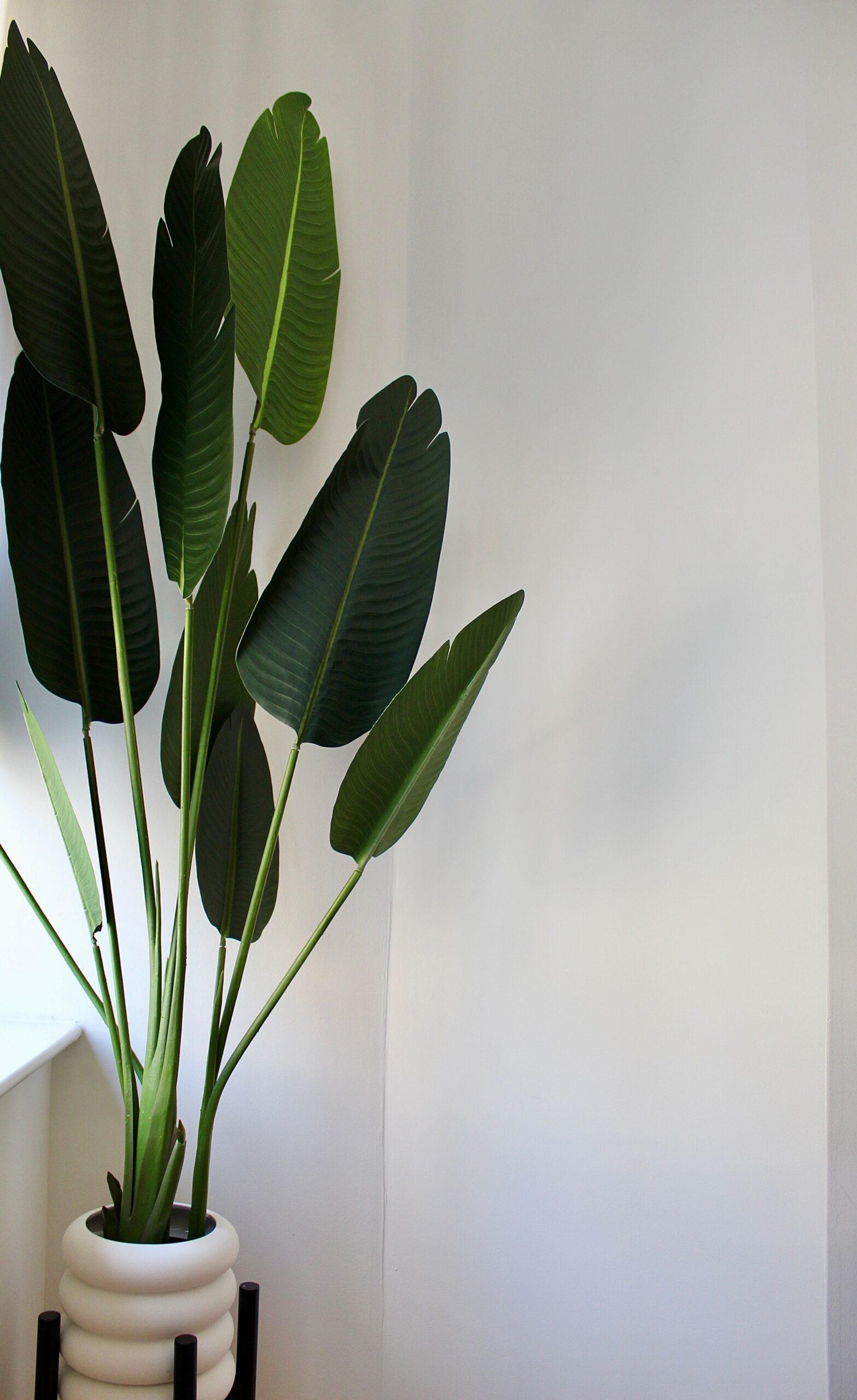
The White Bird of Paradise works differently. Its broad fronds open outward, giving a room a resort-like ease. It is particularly effective near windows, where natural light can outline the leaves and create shadows that move throughout the day. This is one of the quiet strengths of plants in interior design: they make light visible. A polished floor, a linen curtain, and a large tropical leaf can together create an atmosphere more effectively than another decorative object ever could.
There is also a more graphic trend at play. Plants such as the Calathea Orbifolia and Alocasia Amazonica bring pattern into a room with unusual precision. Their striped or veined leaves read almost like textile studies, botanical versions of fine lines, ribbing, and contrast piping. Placed on a low table, console, or open shelf, they introduce detail at eye level. They are especially powerful in interiors built around stone, plaster, oak, or brushed metal, where organic pattern can soften the discipline of hard materials.
A well chosen plant does not decorate a room. It gives the room a pulse.
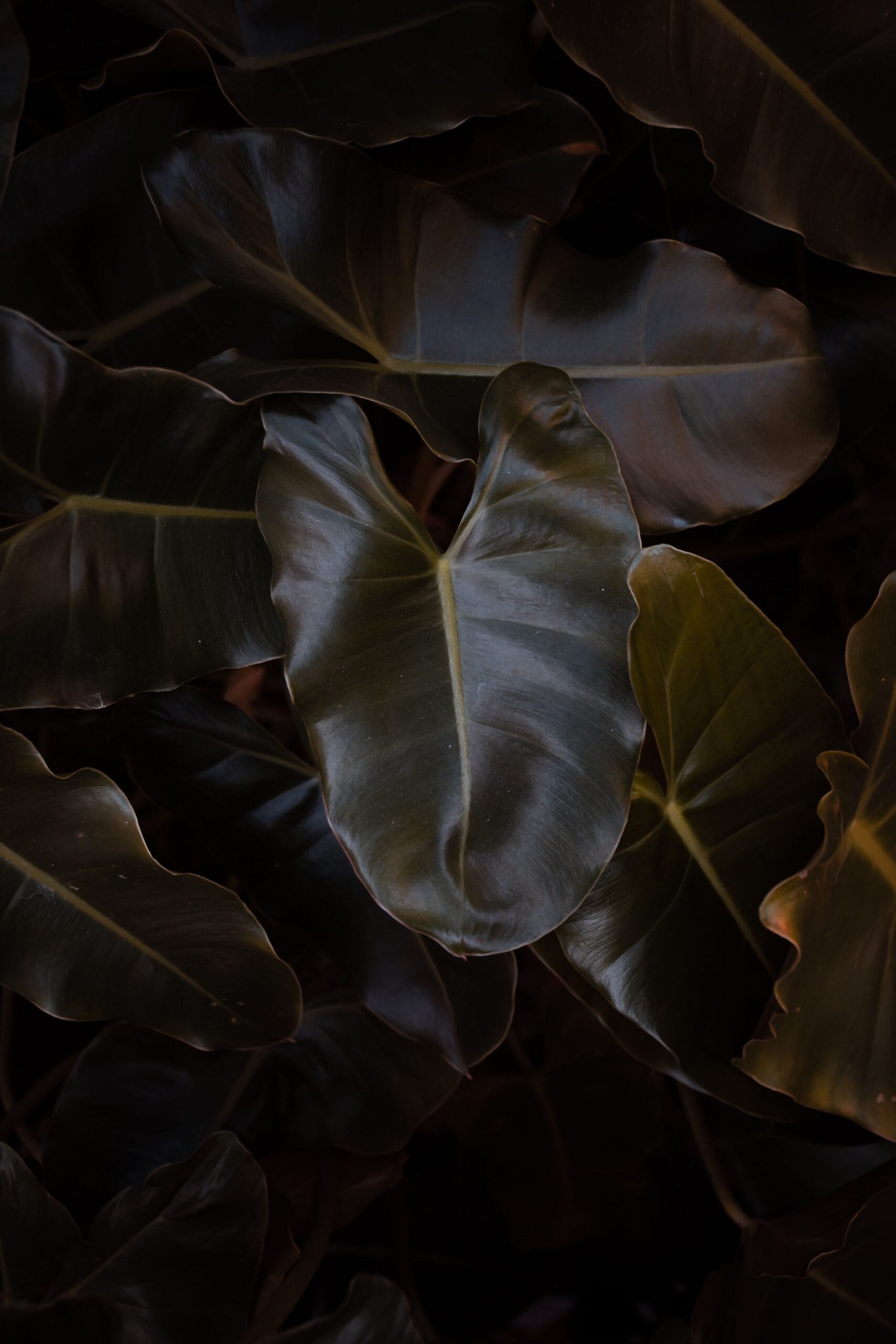
Darker foliage, such as the Black Cardinal Philodendron, speaks to the rise of moodier contemporary interiors. Its burgundy and near-black leaves pair beautifully with limewash walls, smoked glass, walnut, and aged brass. Rather than adding brightness, it adds depth. This is an important distinction. Luxury today is not always about shine or abundance. Often, it is about tension: matte beside gloss, shadow beside light, softness beside structure.
For readers thinking about their own homes, the lesson is not to collect rare plants for rarity’s sake. It is to choose greenery as deliberately as one would choose a chair, a lamp, or a piece of art. Consider proportion first. Then leaf shape, colour, finish, and placement. A tall plant can correct an empty corner. A patterned leaf can enliven a quiet shelf. A dark specimen can anchor a pale room. The future of biophilic design is not simply about bringing nature indoors, but about composing with it.
Source: News18