

What Crypto’s Pullback Says About Investor Liquidity
When speculative capital starts moving defensively, property investors should pay attention. Not because Bitcoin determines real estate values directly, but because it reflects the wider mood of risk, liquidity and confidence across asset markets.
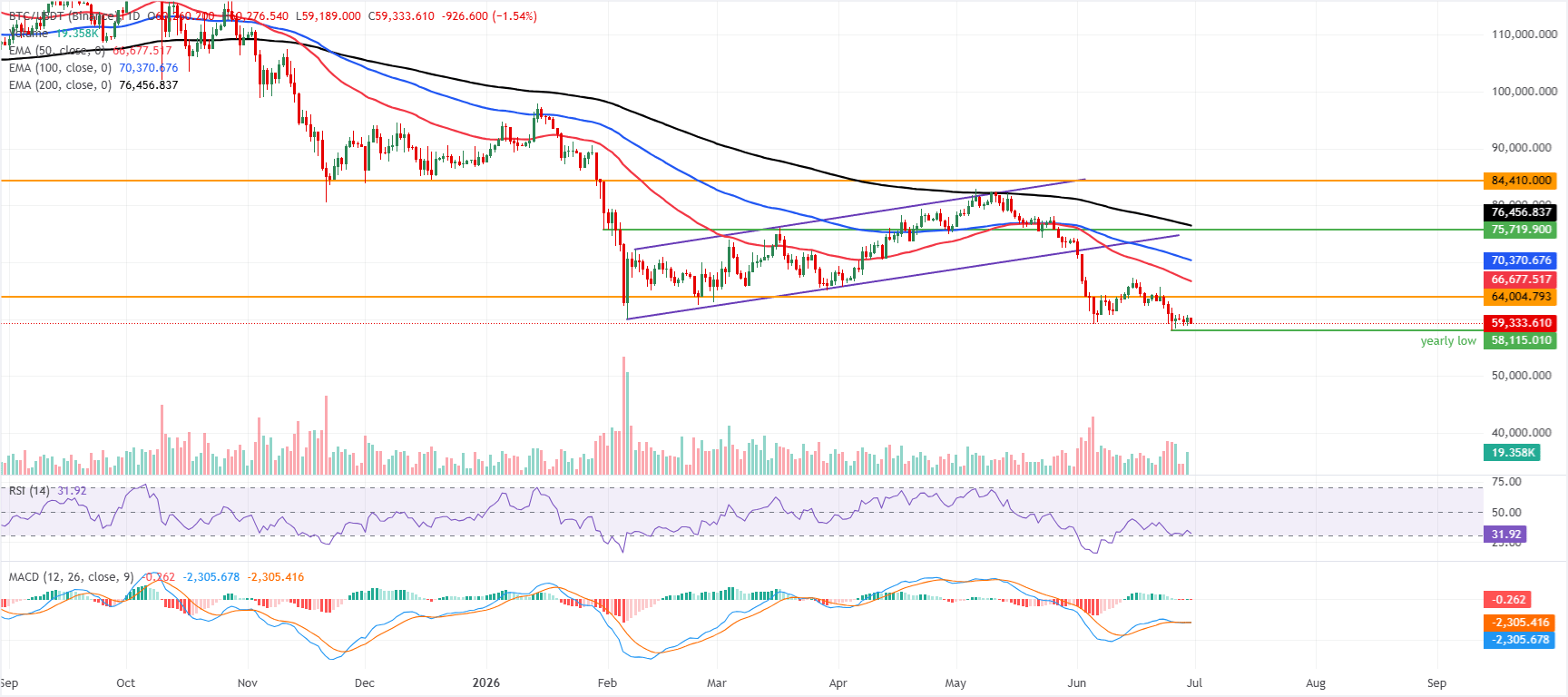
FXStreet reported that Bitcoin was struggling around $59,500 after a sharp two-week correction, with spot Bitcoin ETFs recording $231.10 million in outflows on Monday. That followed $1.70 billion in withdrawals the previous week, the largest weekly outflow since late February. For real estate investors, the signal is not crypto-specific. It is about institutional money reducing exposure to volatile assets.
This matters because the same investors who trim risk in digital assets often reassess other capital-heavy positions. Private credit, development finance, listed property vehicles and opportunistic real estate funds all operate within the same broader liquidity environment. When risk appetite weakens, lenders become more selective, equity partners demand stronger margins, and marginal deals become harder to finance.
The geopolitical backdrop adds another layer. FXStreet noted uncertainty around whether US and Iranian delegations would hold direct peace talks in Doha. Real estate investors should not overreact to every diplomatic headline, but global tension can influence oil prices, inflation expectations and bond yields. Those factors eventually feed into mortgage pricing, construction costs and investor hurdle rates.
Risk sentiment rarely stays isolated in one market. It moves through liquidity, lending standards and the price investors are willing to pay for certainty.
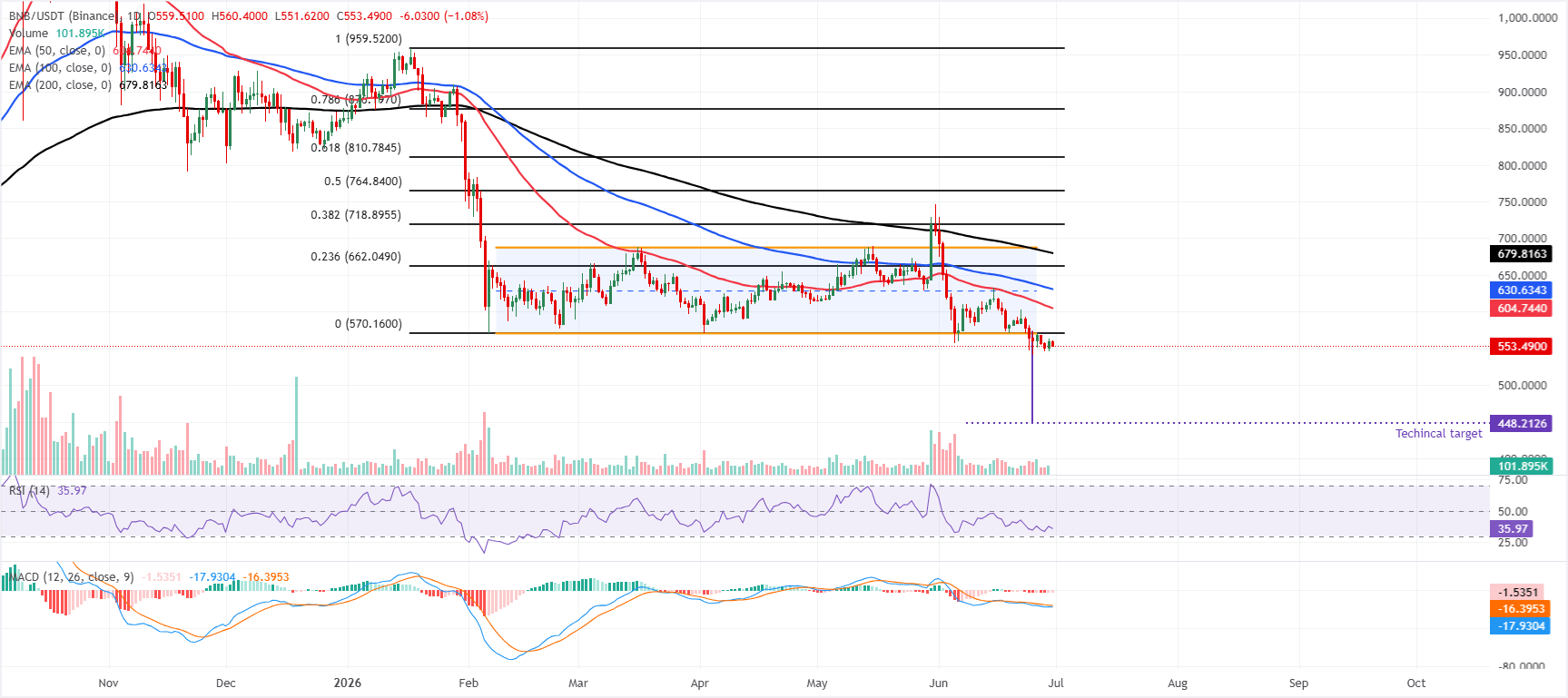
The weakness in BNB also deserves attention as a market signal. The token was trading below $555 after a bearish technical breakdown, while its spot ETF products reportedly showed little meaningful institutional demand since launch. In investment terms, that is a reminder that new products do not create demand by themselves. Capital still needs conviction.
Property has a parallel. A new development, regeneration label or tax-efficient structure is not enough if the underlying demand is weak. Investors still need rental depth, income resilience, exit liquidity and a credible buyer pool. In softer markets, pricing power shifts toward disciplined buyers who can separate structural demand from promotional momentum.
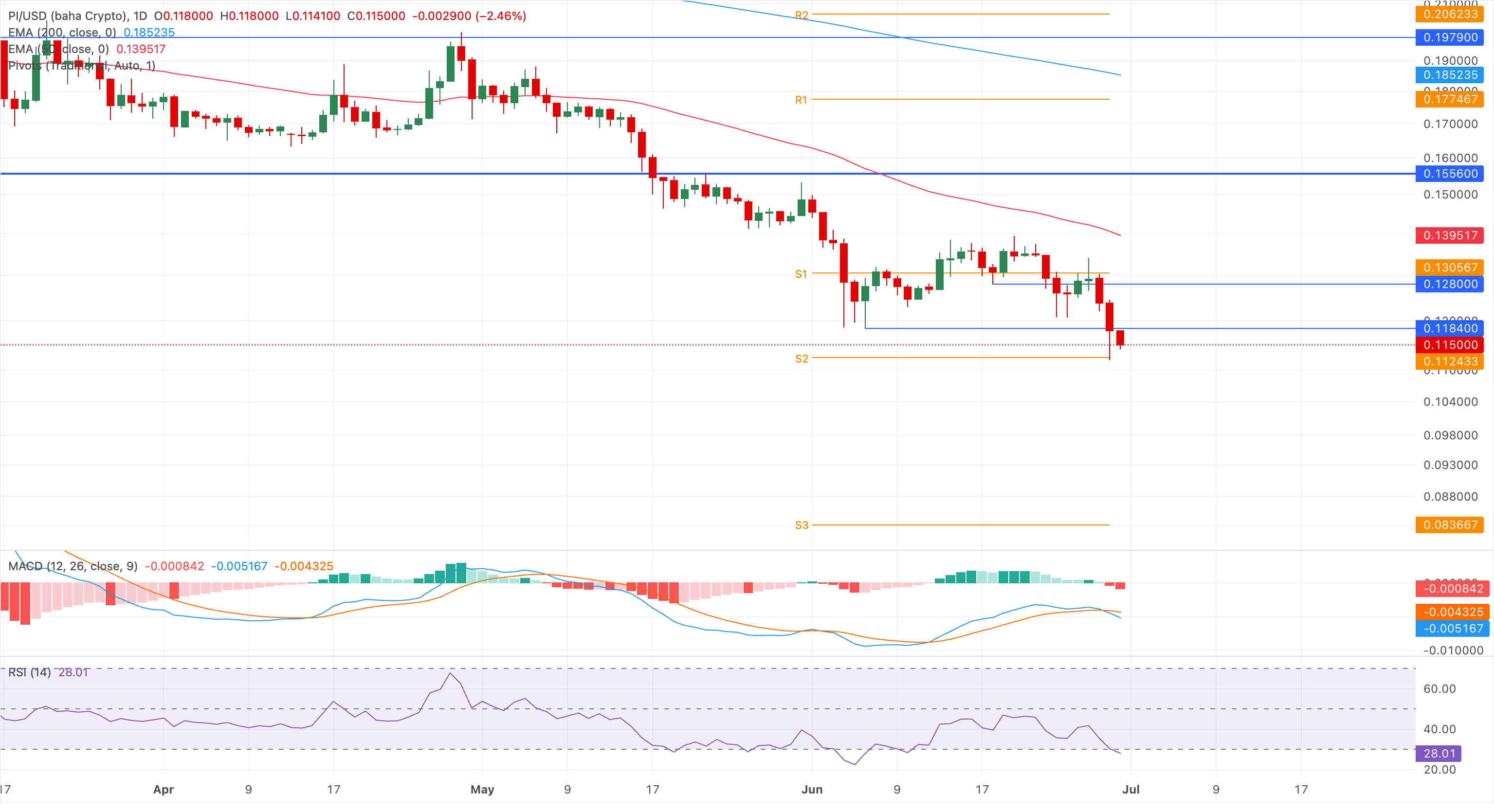
Pi Network’s decline to a record low near $0.1120 highlights the vulnerability of highly speculative assets when retail enthusiasm fades. Open interest was falling, according to the report, suggesting reduced risk appetite. For real estate, the equivalent risk is chasing thin narratives: holiday-let hype in oversupplied locations, fringe development zones without transport delivery, or yield promises unsupported by tenant demand.
The practical takeaway is straightforward. In periods of risk-off behaviour, investors should protect liquidity, stress-test refinancing assumptions and avoid relying on optimistic exit values. Strong assets still attract capital, but the market becomes less forgiving of weak locations, excessive leverage and speculative income forecasts.
For property investors, crypto’s current weakness is not a reason to retreat from real estate. It is a reminder to be more selective. The best opportunities usually appear when capital becomes cautious, but only for buyers with patience, balance-sheet strength and a clear view of genuine demand.
Source: FXStreet