


Urban sophistication is one of the most compelling directions in contemporary interiors because it speaks to the way many people truly live now. It is polished but not precious, stylish but not theatrical, and elevated without losing sight of comfort. In a modern home, this aesthetic draws from the rhythm of city life, from architecture, art, movement, density, and diversity, then translates that energy into rooms that feel composed, intelligent, and deeply usable. The result is not a cold showroom or an overly stark apartment, but a home that feels edited, expressive, and quietly luxurious.
Table Of Content
- Why Urban Sophistication Resonates Today
- The Essence of the Urban Sophisticated Look
- Choosing a Refined Urban Color Palette
- Materials That Feel Metropolitan and Timeless
- Furniture That Balances Style and Function
- Designing for Flexible Urban Living
- Layered Lighting as the Soul of the Space
- Art, Objects, and the Curated Urban Narrative
- Bringing Warmth to a City Inspired Home
- Room by Room Ideas for an Urban Sophisticated Interior
- The Living Room
- The Kitchen and Dining Area
- The Bedroom
- How to Achieve the Look at Different Budgets
- What to Avoid When Creating Urban Sophistication
- The New Meaning of Luxury in the Urban Home
- Final Thoughts
This design language has particular relevance in Canada and across North America, where urban living continues to shape the way homes are planned and experienced. Statistics Canada reported that 73.7% of Canadians lived in one of the country’s large urban centres in 2021, while downtown populations in major cities grew faster than urban centres overall between 2016 and 2021. Those figures suggest that city inspired design is not a fantasy borrowed from glossy magazines. It reflects a real, everyday condition, one in which homes often need to support work, entertaining, solitude, storage, and relaxation within a carefully measured footprint.
Urban sophistication is also remarkably adaptable. It can be expressed in a downtown condo with skyline views, a compact townhouse, or a suburban home that wants to capture a more metropolitan sensibility. Its beauty lies in balance. It values clean lines, thoughtful restraint, and quality materials, yet it also welcomes softness, warmth, personal objects, and a sense of atmosphere. In this way, it offers a more livable interpretation of luxury, one based less on excess and more on clarity, craftsmanship, and ease.
In the sections that follow, we will explore how to bring this aesthetic home with confidence. From color palette and material selection to lighting, zoning, furniture, and art, each choice contributes to a refined urban mood. The goal is not to imitate a stereotype of loft living, but to create interiors that feel modern, collected, and entirely your own.
Urban sophistication is not about making a home feel harder. It is about making it feel more intentional, more graceful, and more aligned with the elegant pace of contemporary life.
Why Urban Sophistication Resonates Today
To understand the appeal of urban sophistication, it helps to begin with the realities of how homes are used today. Modern households are increasingly varied in structure and routine. Statistics Canada found that one person households accounted for 29.3% of households in 2021, a detail that reinforces the importance of efficient layouts and rooms that can perform more than one function. At the same time, 24.3% of employed Canadians reported working from home in 2021, which has permanently altered expectations around privacy, organization, lighting, and flexibility.
These shifts explain why urban interiors have evolved beyond appearance alone. Sophistication in this context is not merely visual polish. It is the intelligence of a room that supports concentration during the day, conversation in the evening, and calm at night. It is the kind of luxury that understands proportion, circulation, comfort, acoustics, and storage. In a city inspired home, elegance and practicality are not opposing values. They are strongest when they work together.
There is also a broader global context. The World Bank reports that about 58% of the world’s population now lives in urban areas, underscoring how central cities have become to economic and cultural life. With that urban concentration comes a growing appreciation for interiors that feel resilient, efficient, and sustainable. Durable materials, timeless furniture, and thoughtful energy use are increasingly part of the luxury conversation. Urban sophistication therefore feels current not because it chases fashion, but because it responds gracefully to contemporary living.
The Essence of the Urban Sophisticated Look
At its core, urban sophistication is a study in contrast and control. It often combines architectural lines with tactile softness, darker elements with luminous surfaces, and tailored silhouettes with inviting upholstery. The mood is curated rather than crowded. Every piece appears chosen with a purpose, and every surface contributes to a larger visual rhythm. There is an ease to the look, but it is an ease achieved through editing.
One of the most common misconceptions is that urban interiors must be gray, severe, or emotionally distant. In reality, the most successful spaces are layered with warmth. Muted greens, warm neutrals, rich wood tones, textured stone, and understated metals are all widely noted in contemporary design coverage because they produce depth without noise. They feel cosmopolitan, yet they also soften the sharper edges of dense urban life.
It is equally important to understand that urban sophistication is not confined to industrial clichés. Exposed brick and black metal may appear in some homes, but they are only one possible expression. This design direction can borrow from contemporary luxury, transitional design, Scandinavian restraint, or even a softened minimalist approach. What matters most is the overall sense of composure, quality, and livability.
Choosing a Refined Urban Color Palette
Color is often the first and most transformative decision in shaping an urban sophisticated home. A successful palette usually begins with a restrained foundation, though restrained does not mean lifeless. Warm ivory, soft taupe, mushroom, putty, oat, and gentle stone tones create an elegant envelope that reflects light beautifully and allows materials to stand out. These hues feel quieter than stark white and more nuanced than cool gray, making them especially effective in homes that need both serenity and polish.
Muted greens are another intelligent choice for this aesthetic. Sage, olive gray, eucalyptus, and moss toned accents bring a grounded, contemporary richness that complements both natural and urban references. They pair beautifully with walnut, smoked oak, and brushed metals, while also supporting the wellness oriented direction many homeowners now seek. In a living room, a muted green chair or drapery panel can introduce subtle character without overwhelming the room.
For contrast, deeper shades can be used strategically rather than broadly. Charcoal, espresso, inky blue, or a refined black may appear on window frames, cabinetry, a sideboard, or a single accent wall. When darker notes are balanced by texture and soft lighting, they lend gravitas and sophistication. The key is to create tension without heaviness, allowing the room to feel urban and confident while still inviting.
If you are unsure how to build your palette, begin with three tiers. Choose a soft base color for walls and large upholstered pieces, a medium tone such as wood or green for body and warmth, and a darker accent for depth. This layered method keeps a space cohesive and allows art, lighting, and accessories to emerge with clarity.
Materials That Feel Metropolitan and Timeless
Urban sophistication is often expressed most powerfully through materials. In fact, a room with a modest budget can still feel luxurious when its surfaces are chosen with care. Think of materials as the emotional language of the home. Stone conveys permanence, wood introduces warmth, glass creates lightness, metal offers precision, and textiles soften the visual architecture. When these elements are layered thoughtfully, the room feels rich without becoming ornate.
Natural and durable materials are especially aligned with this aesthetic. Textured stone on a coffee table, console, backsplash, or fireplace surround can anchor a room with understated drama. Walnut and darker wood tones add maturity and urban depth, especially when paired with lighter walls and upholstery. Linen, bouclé, wool, and cotton soften clean lined furniture and prevent the interior from feeling too strict. The contrast between smooth and tactile finishes is what gives sophisticated urban rooms their lived elegance.
Understated metals also have an important role. Brushed brass, bronze, blackened steel, or pewter can add a refined edge when used in moderation. A slim floor lamp, cabinet hardware, mirror frame, or side table base can deliver just enough shine to catch the eye. The aim is not glitter, but gleam. Urban sophistication prefers subtle reflection over overt display.
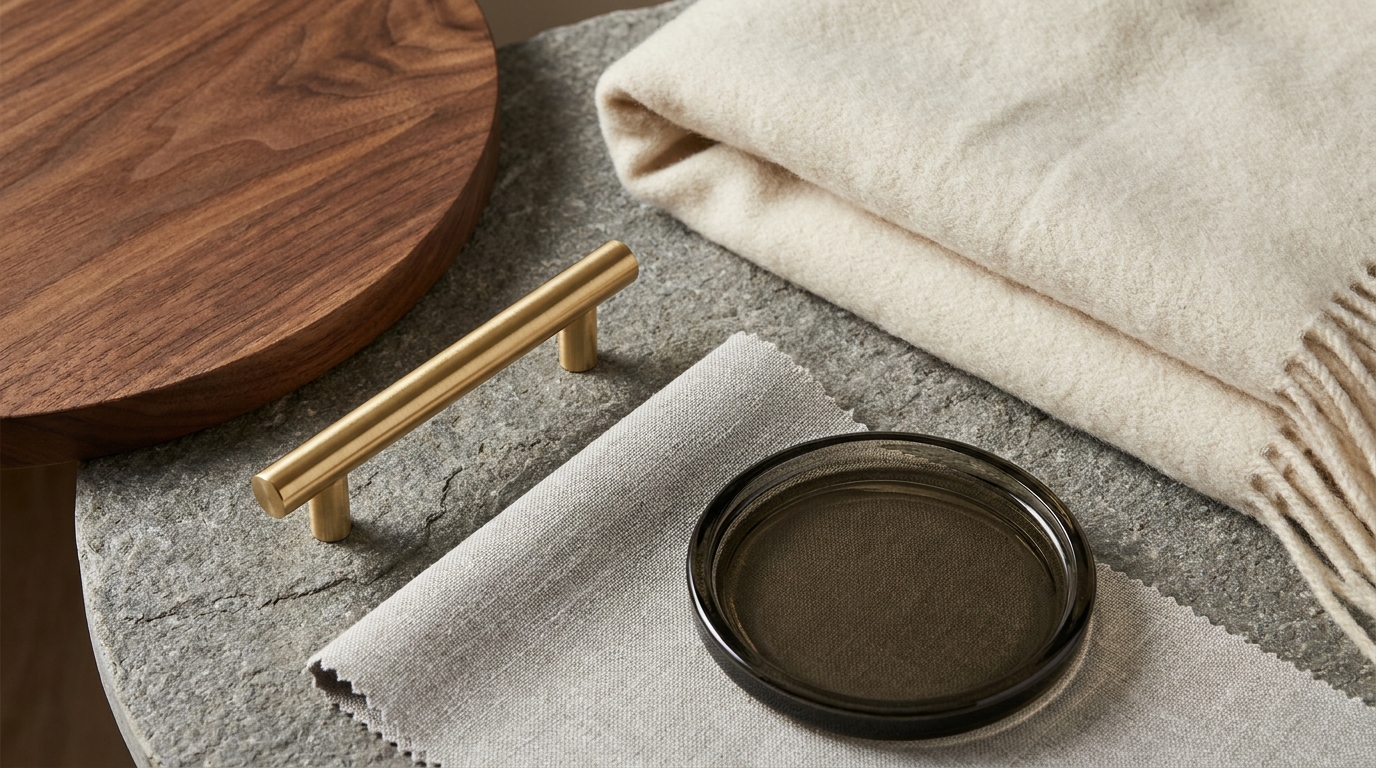
Durability is part of the story as well. As design increasingly intersects with ideas of sustainability and longevity, quality materials have become a modern signal of luxury. Choosing a solid wood dining table, a performance fabric sofa, or a stone composite surface that wears beautifully over time expresses the kind of sophistication that is both practical and responsible. It is a quieter luxury, but often the most enduring.
Furniture That Balances Style and Function
Furniture in an urban sophisticated home should feel composed, comfortable, and appropriately scaled. This is especially important in smaller homes, where oversized pieces can consume visual and physical space. Look for silhouettes that are tailored rather than bulky. A sofa with clean arms, a dining chair with a sculptural profile, or a bed with a softly upholstered headboard can all contribute to a polished city inspired atmosphere.
Scale and proportion matter as much as style. In a compact condo, furniture with visible legs often creates more visual breathing room than pieces that sit heavily on the floor. Nesting tables, benches that double as seating and storage, and slim consoles can add utility without crowding the room. Because many urban homes must transition between work and leisure, multifunctional furnishings are not just convenient. They are essential to preserving elegance in daily life.
One effective principle is to invest in fewer, better pieces. Urban sophistication aligns strongly with the idea of quality over quantity. A well made sofa, a substantial rug, and one distinctive lounge chair will usually create more impact than a room filled with miscellaneous furniture. This editorial approach allows each item to breathe and gives the interior a calm, confident identity.
Comfort should never be sacrificed in pursuit of polish. The urban home is often a place of retreat from the noise and speed of the outside world. That means seating must invite lingering, dining chairs should feel supportive, and occasional pieces should enhance movement rather than interrupt it. True sophistication is not formal in the old sense. It is ease made beautiful.
Designing for Flexible Urban Living
One of the defining characteristics of modern urban interiors is flexibility. Homes are expected to do more than ever, and design must rise to that challenge with grace. Whether you live alone, share a home, or host guests often, the ability to shift a room’s function without visual disruption is a hallmark of sophisticated planning. This is where urban design becomes especially intelligent.
Begin by thinking in zones rather than rooms. Even in an open plan apartment, you can create distinct areas for lounging, dining, working, or reading through rugs, lighting, furniture orientation, and subtle material shifts. A sofa placed thoughtfully can delineate the living area. A pendant above the dining table establishes intimacy. A desk integrated into a millwork wall or console zone makes work feel like part of the design, not an interruption to it.
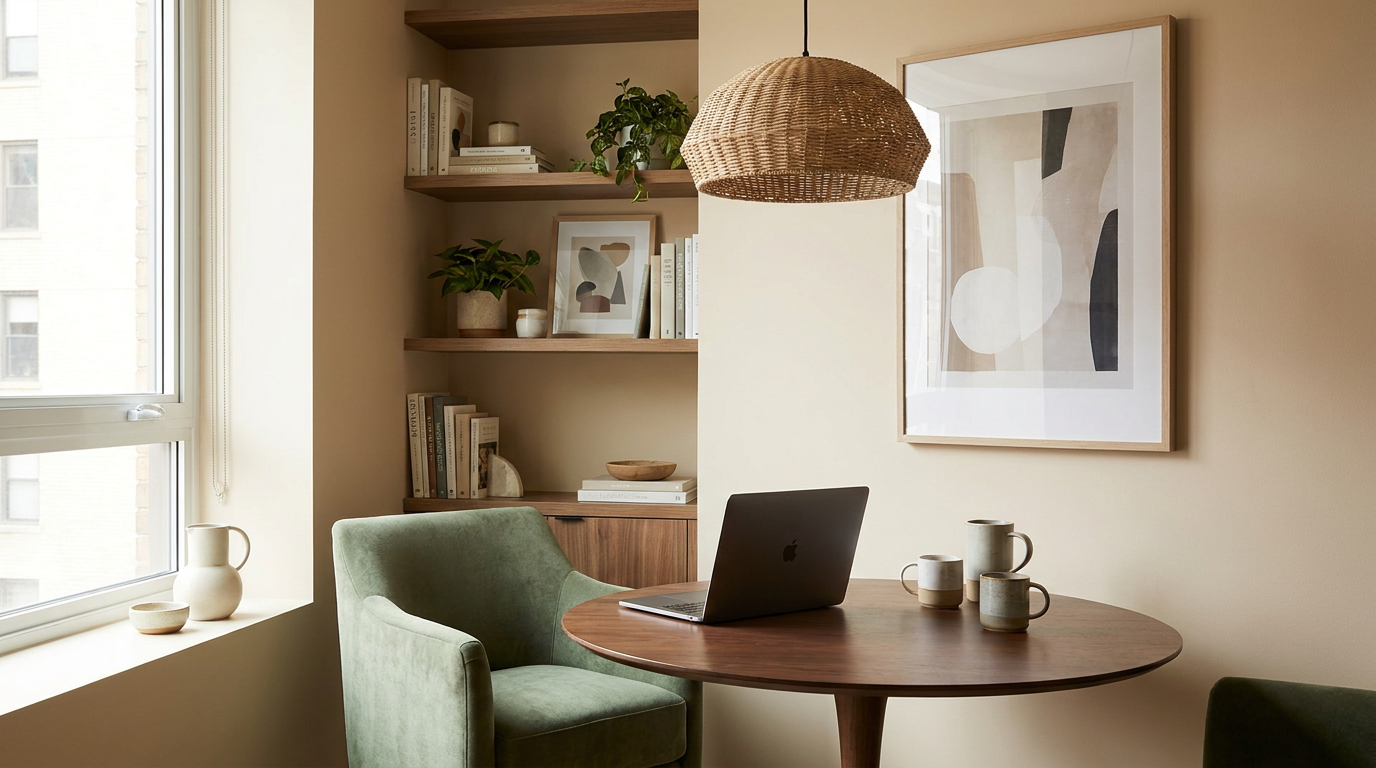
This need for flexibility is supported by research. With nearly a quarter of employed Canadians working from home in 2021, layouts that can accommodate focus and professionalism have become increasingly relevant. Yet a home office area need not look corporate. A beautiful chair, concealed storage, a table lamp, and framed art can transform a practical workstation into a graceful extension of the room. The goal is visual continuity.
Storage is equally important. Clutter is one of the quickest ways to undermine a sophisticated aesthetic, particularly in smaller homes. Built ins, storage ottomans, credenzas, and well organized shelving help maintain clarity. Urban sophistication does not require emptiness, but it does rely on order. When essentials have a place, the room can breathe, and the design choices that matter most become visible.
Layered Lighting as the Soul of the Space
Lighting is often the difference between a room that looks expensive and one that truly feels atmospheric. In urban homes, where natural light can be uneven due to surrounding buildings or compact layouts, layered lighting becomes essential. A sophisticated interior rarely depends on a single overhead fixture. Instead, it combines ambient, task, and accent lighting to shape mood, improve function, and create visual depth.
Ambient lighting forms the overall glow of the room. This may come from ceiling fixtures, recessed lighting, or a softly diffused pendant. Task lighting supports focused activity, such as reading beside a chair, preparing food in the kitchen, or working at a desk. Accent lighting highlights art, shelves, textured walls, or architectural features, adding dimension and a sense of curation. Together, these layers make a home feel intentional at every hour of the day.
For urban sophistication, the fixtures themselves matter as much as the light they cast. Sculptural floor lamps, elegant sconces, slim table lamps, and understated chandeliers all contribute to the room’s visual identity. Finishes such as aged brass, matte black, or smoked glass help reinforce a metropolitan sensibility. Dimmer switches are especially valuable because they allow a room to shift from practical brightness to intimate evening atmosphere with ease.
Mirrors and reflective surfaces can also support lighting strategy. A mirror placed opposite a window or near a lamp extends brightness and can visually widen a compact room. Glass, lacquer, and gentle metallic accents catch light in a refined way, helping the home feel more expansive. In this aesthetic, light is never simply utility. It is a design material.
Art, Objects, and the Curated Urban Narrative
No urban sophisticated interior feels complete without a sense of curation. Artwork, books, ceramics, and collected objects bring life to the room and prevent it from feeling generic. Yet curation requires discipline. The most elegant spaces resist the urge to overstyle every surface. Instead, they allow a few meaningful elements to command attention.
Art is particularly powerful because it introduces scale, mood, and identity. Large abstract pieces, black and white photography, architectural sketches, or textured contemporary canvases all work beautifully within an urban framework. The subject matter need not be literal city imagery. What matters is resonance. Choose pieces that echo your palette, your emotional tone, or your fascination with line and form.
Accessories should feel intentional rather than random. A stack of well chosen books, a sculptural bowl, a ceramic vessel, or a branch arrangement can lend sophistication when placed thoughtfully. Group items in odd numbers, vary heights, and leave negative space around them. This creates visual rhythm and reinforces the editorial quality that makes urban interiors feel composed.
Personalization is essential. A sophisticated home should not feel anonymous. Include references to travel, family, heritage, or creative interests through textiles, framed objects, or vintage finds. These details soften the precision of contemporary design and remind us that refinement is at its most beautiful when it reflects a real life.
Bringing Warmth to a City Inspired Home
Perhaps the most important lesson in urban sophistication is that polish alone is not enough. Warmth gives the style its humanity. Without it, the interior can feel visually disciplined but emotionally distant. Warmth comes from touch, tone, and atmosphere, from a rug underfoot, drapery that softens a window line, wood that grounds a room, and upholstery that invites you to stay.
Biophilic touches can play an elegant role here. Greenery, branches, natural fibres, and stone surfaces connect the home to the restorative qualities of nature, which is especially meaningful in dense urban settings. A potted olive tree, a vase of seasonal foliage, or woven accents can soften hard lines and create a sense of breath within the room. These gestures are subtle, but they significantly alter the mood.
Textiles are another vital tool. Layer a wool rug over wood flooring, place linen cushions on a structured sofa, or add a mohair throw to a lounge chair. In the bedroom, combine crisp sheets with a quilted coverlet and a textured bench at the foot of the bed. These details make a home feel inhabited and sensorial, which is essential to the modern interpretation of luxury.
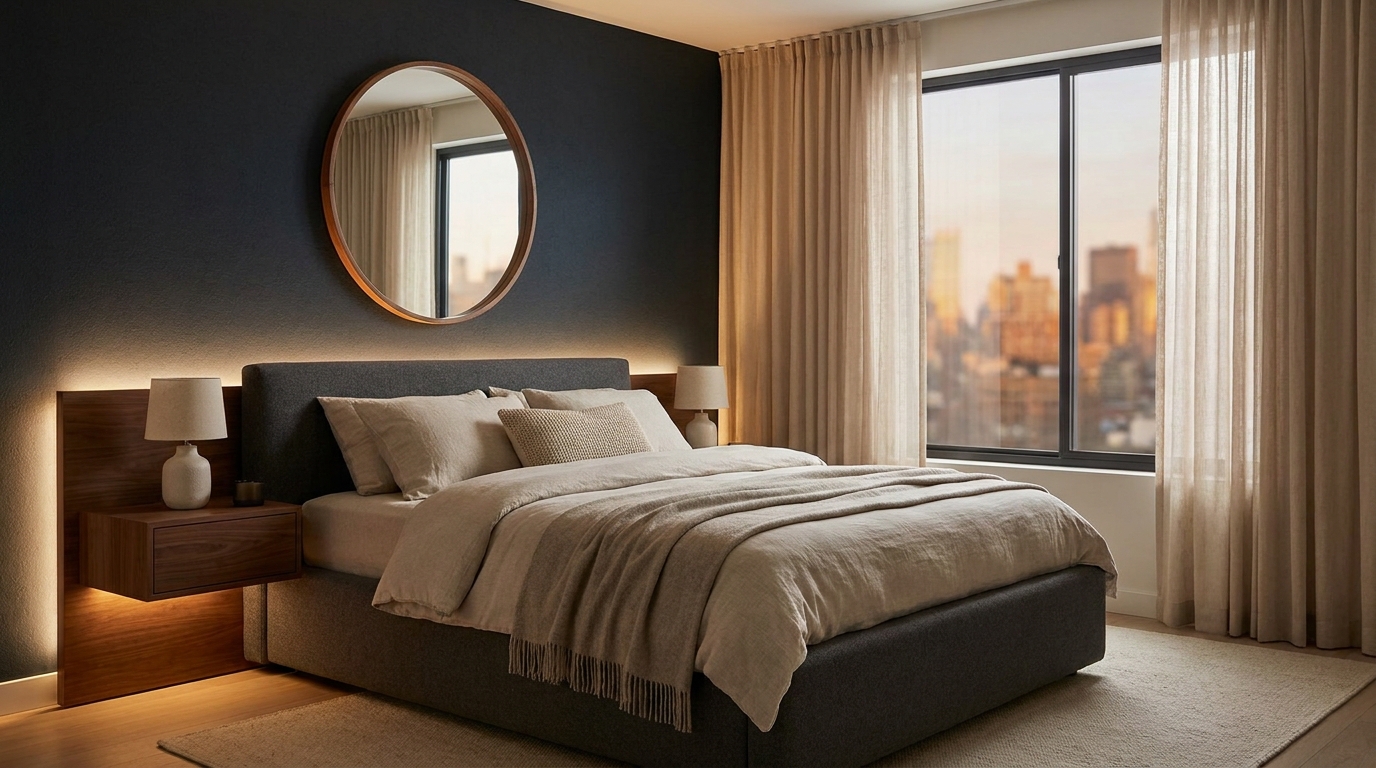
Acoustics and visual calm also contribute to warmth in a less obvious way. Upholstered furniture, rugs, drapery, and bookshelves help absorb sound, making a home feel more serene. In a city, where exterior noise can be constant, this softness is not merely aesthetic. It improves wellbeing. Urban sophistication should always feel like a refuge as much as a statement.
Room by Room Ideas for an Urban Sophisticated Interior
The Living Room
The living room is often where urban sophistication is most fully expressed because it must balance hospitality, style, and relaxation. Start with a generous rug to define the area, then build around a sofa in a warm neutral tone. Add one or two accent chairs with shape and character, perhaps in bouclé, leather, or muted green upholstery. A stone or dark wood coffee table can provide structure, while layered lighting and art create depth.
Keep surfaces edited. Rather than filling every corner, allow one statement lamp, one strong artwork, and a few carefully chosen objects to lead the composition. If the room is small, consider a large mirror to bounce light and expand the sense of space. Urban living rooms work best when they feel open, grounded, and ready for both solitary evenings and conversation.
The Kitchen and Dining Area
In the kitchen, urban sophistication often appears through contrast and finish. Flat panel cabinetry, integrated appliances, stone counters, and understated hardware create a sleek foundation. Warmer notes, such as walnut shelving, pendant lighting, or upholstered dining chairs, prevent the room from becoming clinical. Even in a compact kitchen, beauty can emerge through consistency and restraint.
The dining area should feel intimate and intentional, no matter its size. A round pedestal table can be excellent for smaller footprints, while a darker wood rectangular table suits longer spaces. Add an elegant pendant overhead and one central arrangement, then keep surrounding storage streamlined. If your dining table doubles as a workspace, choose chairs that are as comfortable as they are attractive and maintain nearby storage for daily essentials.
The Bedroom
A sophisticated urban bedroom should feel cocooning rather than dramatic. This is where the city’s energy recedes and the softer side of the aesthetic comes forward. Use layered bedding, a tailored headboard, warm bedside lighting, and a muted palette to build calm. A dark accent wall behind the bed can be striking when balanced with soft textiles and reflective details.
Storage should be discreet and efficient. Nightstands with drawers, integrated wardrobes, and uncluttered surfaces preserve a restful atmosphere. If space permits, add a bench, small chair, or writing table to give the room a boutique hotel quality. The best urban bedrooms feel both elegant and restorative.
How to Achieve the Look at Different Budgets
One of the most liberating truths about urban sophistication is that it does not depend entirely on high cost furnishings. While quality matters, the style often derives more from editing, proportion, and cohesion than from extravagance. A modest room can feel distinctly elevated when it is painted beautifully, lit thoughtfully, and furnished with discipline.
If your budget is limited, start with the envelope of the space. Paint is transformative, and a refined neutral can instantly shift the mood. Replace harsh lighting with warmer bulbs and a few secondary light sources. Invest in one substantial rug and one attractive curtain treatment, then simplify the rest. Even changing hardware, decluttering shelves, and reframing artwork can move a room toward a more urban sophisticated identity.
At a mid range budget, focus on anchor pieces that will shape the room over time. This might include a quality sofa, dining table, bed, or credenza. Choose classic forms and tactile materials that will age gracefully. Then layer in personality through lighting, textiles, and art. At a higher budget, bespoke millwork, natural stone, custom drapery, and artisan made pieces can further deepen the sense of quiet luxury, but they should still serve livability first.
What to Avoid When Creating Urban Sophistication
As with any design direction, there are a few common missteps that can dilute the effect. The first is mistaking sophistication for sterility. Rooms that rely too heavily on cold gray, excessive black, or bare surfaces can feel inhospitable. Balance architectural clarity with warmth, texture, and personal presence.
The second is overfurnishing. Urban style thrives on space around objects, clear movement paths, and visual hierarchy. Too many chairs, accessories, or trendy pieces can make the home feel restless rather than refined. Edit with confidence. A room often becomes more elegant when one unnecessary item is removed.
The third is treating the aesthetic as a formula. Urban sophistication is not a checklist of metal finishes, industrial details, and monochrome art. It is a sensibility. It should reflect your own rhythms, your city, your habits, and your sense of beauty. The most memorable interiors borrow inspiration from the urban world while remaining personal, graceful, and specific.
The New Meaning of Luxury in the Urban Home
Today, luxury is increasingly defined by thoughtfulness rather than abundance. In an urban context, that means a home that functions beautifully, feels calm under pressure, and supports everyday life with style. It means materials that age well, lighting that flatters both room and mood, and furnishings that are as comfortable as they are elegant. It also means valuing sustainability, longevity, and wellbeing as part of the design story.
This perspective aligns naturally with urban sophistication. The style does not ask us to live less richly. It asks us to live more deliberately. To choose fewer things, but better ones. To care about atmosphere as much as appearance. To create spaces that are polished enough to inspire us and gentle enough to restore us.
In a world that is increasingly fast, dense, and visually crowded, that kind of home feels especially precious. It captures the intelligence of city living while softening it with warmth, artistry, and order. It is modern, but not fleeting. Refined, but not rigid. Sophisticated, and fully alive.
Final Thoughts
Embracing urban sophistication in the modern home is ultimately about translation. It takes the beauty of metropolitan life, its architecture, its cultural richness, its sense of movement and possibility, and turns it into interiors that feel serene, grounded, and elegantly functional. Whether you are styling a downtown condo or bringing a city inspired mood into a larger house, the principles remain the same: thoughtful editing, layered materials, refined color, flexible planning, and a clear point of view.
As urban living continues to shape the way people inhabit space, this aesthetic will remain deeply relevant. Statistics Canada’s findings on urban concentration, downtown growth, one person households, and work from home patterns all point toward interiors that must do more with intelligence and grace. The answer is not austerity. It is design that understands the poetry of function.
When done well, urban sophistication offers something rare. It gives a home elegance without stiffness, practicality without compromise, and personality without clutter. It is a style that feels aspirational because it is so achievable through intention. The city may be outside your window or simply in your imagination, but its best qualities can still live beautifully within your rooms.

No Comment! Be the first one.