

The $1.2 Million Lesson: What a North York Sale Reveals About Timing Risk
A seven figure loss on a single property sale is the kind of number that gets attention, and it should. A North York home that traded hands for $6.55 million in August 2019 has just sold for $5,382,500, a gap of $1,167,500. For readers building wealth through real estate, this is not a story about one unlucky seller. It is a case study in what happens when timing, pricing strategy, and market cycles are misread.
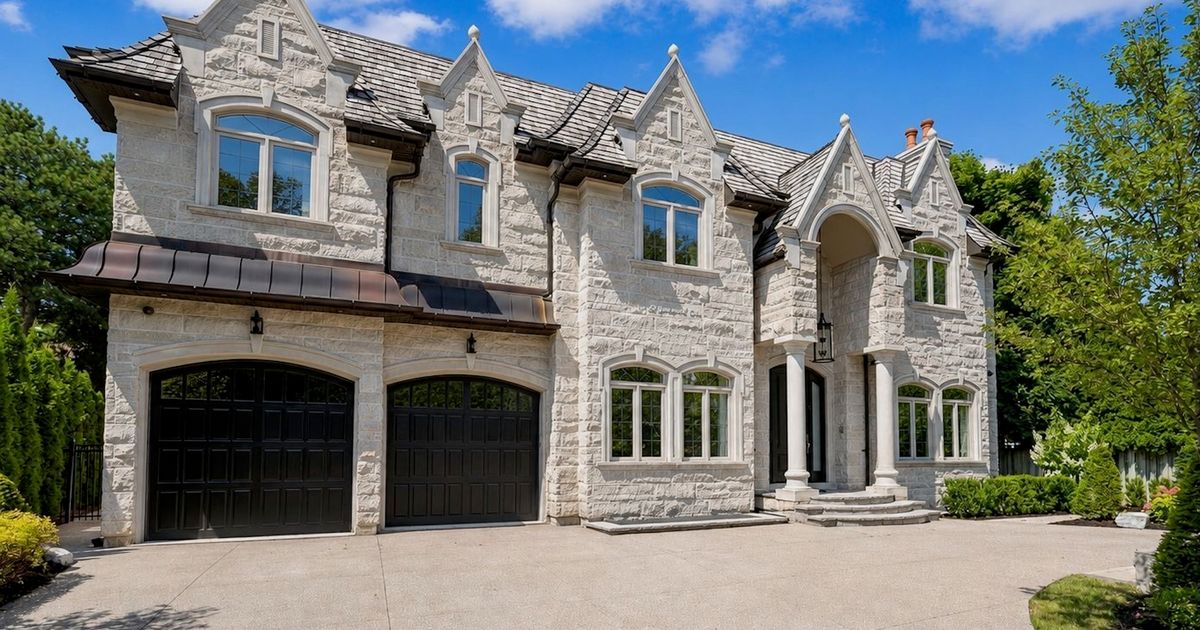
The property itself was never the problem. Nearly 9,000 square feet, a private elevator, a heated three car garage, a pool, and a spa inspired ensuite are the kind of features that hold value in any cycle. The issue was the exit. The home was relisted in October 2024 at $7 million, well above where the broader luxury segment was trending, and the listing expired. What followed was a slow, repeated cycle of relisting and price cuts, from $6,588,000, to $6.5 million twice over, to $6.18 million, to $5,980,000, and finally to $5,780,000 before it sold below even that.
That pattern matters more than the final number. Each failed listing signals to the market that a seller is anchored to an outdated valuation, and each relist at a slightly lower price trains buyers to wait for the next cut rather than act. In investment terms, this is a liquidity discount compounding on top of a market correction. The seller did not just lose ground to falling comparables, they lost additional value to a drawn out repricing process that eroded buyer confidence with every cycle.
This sits inside a wider trend worth watching closely. The Toronto Regional Real Estate Board’s latest Market Watch report shows the average GTA selling price dropped below $1 million in August for the second time this year, with 5,057 sales reported, down 2.1 per cent year over year. Inventory is loosening at the same time demand softens, which is exactly the environment where mispriced listings get punished hardest.
If inventory tightens and home prices begin to rise, some buyers may face a trade-off between waiting for greater economic certainty and purchasing before prices move higher.
That comment, from TRREB President Daniel Steinfeld, points to the core tension investors are navigating right now. TRREB’s Chief Information Officer Jason Mercer added that affordability has actually held up over the past year, with hesitation driven more by trade uncertainty with the United States and fears of higher inflation and borrowing costs than by fundamentals.
For investors and high net worth homeowners alike, the takeaway is not to avoid luxury real estate. It is to respect the exit as much as the entry. Pricing to the current market from the first listing, rather than to the peak of 2019 or 2021, preserves value that repeated relistings quietly destroy. This is not an isolated case either. Similar losses have hit a Mississauga home down $1.1 million from its 2021 price and a Brampton property that sold well under its 2022 value, a pattern that should inform how any serious investor times a sale in this cycle.
Source: BlogTO, “Ontario home sold at $1.2 million loss compared to 2019 price”