

The Next Land Rush: What the AI Data Center Boom Means for Real Estate Investors
Every generational shift in technology creates a parallel shift in land value, and the AI infrastructure buildout is no exception. Billions of dollars are now moving into parcels of land far from traditional commercial corridors, all bet on one premise: that the data center economy needs ground to stand on before it needs anything else.
Reports from Lancaster County, Pennsylvania and Boise, Idaho illustrate where this capital is actually landing. These are not the coastal tech hubs investors are used to watching. They are quieter markets, chosen for power access, water availability, and proximity to fiber networks rather than population density or lifestyle appeal. For investors accustomed to evaluating real estate through rental demand or neighbourhood growth, this is a different kind of thesis entirely. The tenant is infrastructure itself.
What makes this opportunity compelling is also what makes it risky. Local governments and residents in these areas are pushing back, and that friction is a real signal, not noise to be ignored. Confrontations between developers and communities over land use, water consumption, and grid strain tell us that the entitlement process for this asset class will not move as quickly or as quietly as some capital assumed. Timing matters here as much as location. Investors who treat this as a simple land grab, without accounting for zoning resistance and permitting delay, are underpricing the risk sitting directly beneath the opportunity.
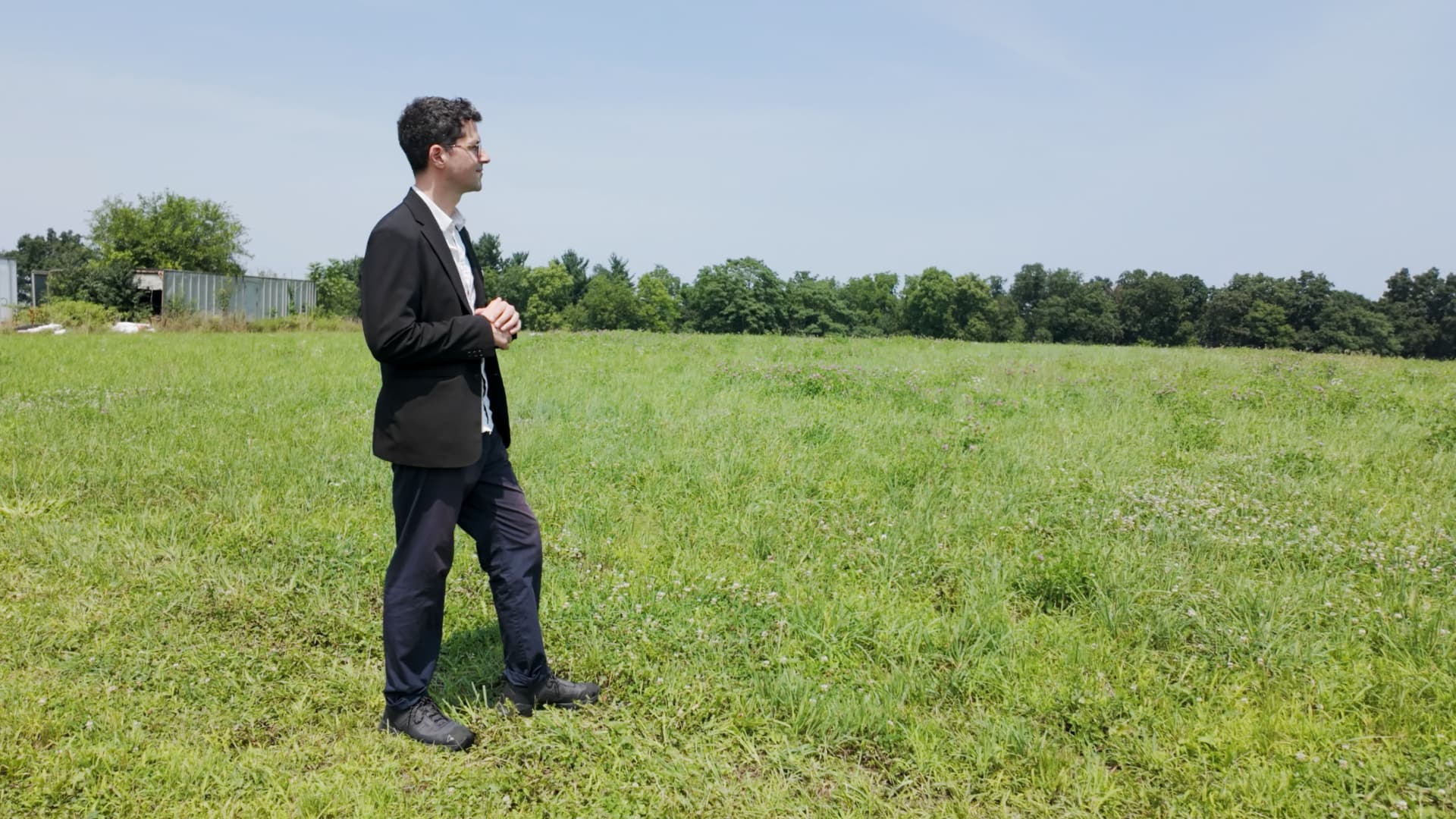
The strongest real estate opportunities are rarely found by looking at price alone. They come from understanding demand, timing, location strength, and the long term direction of the market.
There is also a supply and demand story worth watching closely. As tech companies compete for viable sites, land that was once agricultural or industrial is being repriced almost overnight, and that repricing tends to ripple outward into surrounding parcels. Investors who understand this pattern from past infrastructure cycles, whether it was logistics warehouses following e-commerce growth or fiber corridors following early broadband expansion, will recognize the shape of this one quickly. The early movers are rarely the ones who chase the headline deal. They are the ones who position around it.
None of this makes the AI infrastructure land bet a sure thing. Community resistance can stall projects for years, and utility capacity is not infinite. But for investors willing to do the deeper diligence on power grids, water rights, and local policy appetite, rather than simply following the capital, this remains one of the more consequential real estate stories to track heading into the next cycle. The opportunity is real. So is the friction. Both belong in the same analysis.
Source: CNBC, “The real estate bet behind the AI infrastructure boom”