

A Beginner’s Guide to Roofing Materials: What You Need to Know
When it comes to home improvement, the roof is one of the most significant yet often overlooked components of your house. A roof protects not just the structure but also the occupants and belongings inside. Choosing the right roofing material is critical, and with numerous options available, it can become overwhelming. This guide aims to simplify the selection process by breaking down common roofing materials, highlighting their pros and cons, and providing practical tips for choosing the best fit for your needs.
Table Of Content
- 1. Overview of Common Roofing Materials
- Asphalt Shingles
- Metal Roofing
- Clay and Concrete Tile
- Wood Shakes and Shingles
- Slate
- 2. Pros and Cons of Each Material
- Asphalt Shingles
- Metal Roofing
- Clay and Concrete Tile
- Wood Shakes and Shingles
- Slate
- 3. Tips for Choosing the Right Roofing Material
- Consider Local Climate
- Evaluate Architectural Style
- Look at Energy Efficiency
- Understand Total Cost of Ownership
- Research Local Building Codes
- Consult Professionals
- Conclusion
1. Overview of Common Roofing Materials
Several materials have stood the test of time in the roofing industry, offering varying degrees of durability, aesthetics, and cost-effectiveness. The residential market is dominated by asphalt shingles, which enjoy considerable popularity across North America due to their balance of performance and affordability.
Each material category presents unique characteristics, making them suitable for different climates, architectural styles, and homeowner preferences. Here’s a closer look at the most common types of roofing materials.
Asphalt Shingles
Asphalt shingles are the most prevalent roofing material in Canada and the United States, holding an overwhelming market share in the steep-slope roofing sector. They are favored for their cost-effectiveness, ease of installation, and wide variety of styles and colors.
These shingles come in two primary styles: 3-tab and architectural (or laminated). The former is a single-layer product known for its flat appearance, while architectural shingles provide a thicker, multi-dimensional look, often extending their lifespan to 25-30 years compared to the 15-20 years typical of 3-tab shingles.
Metal Roofing
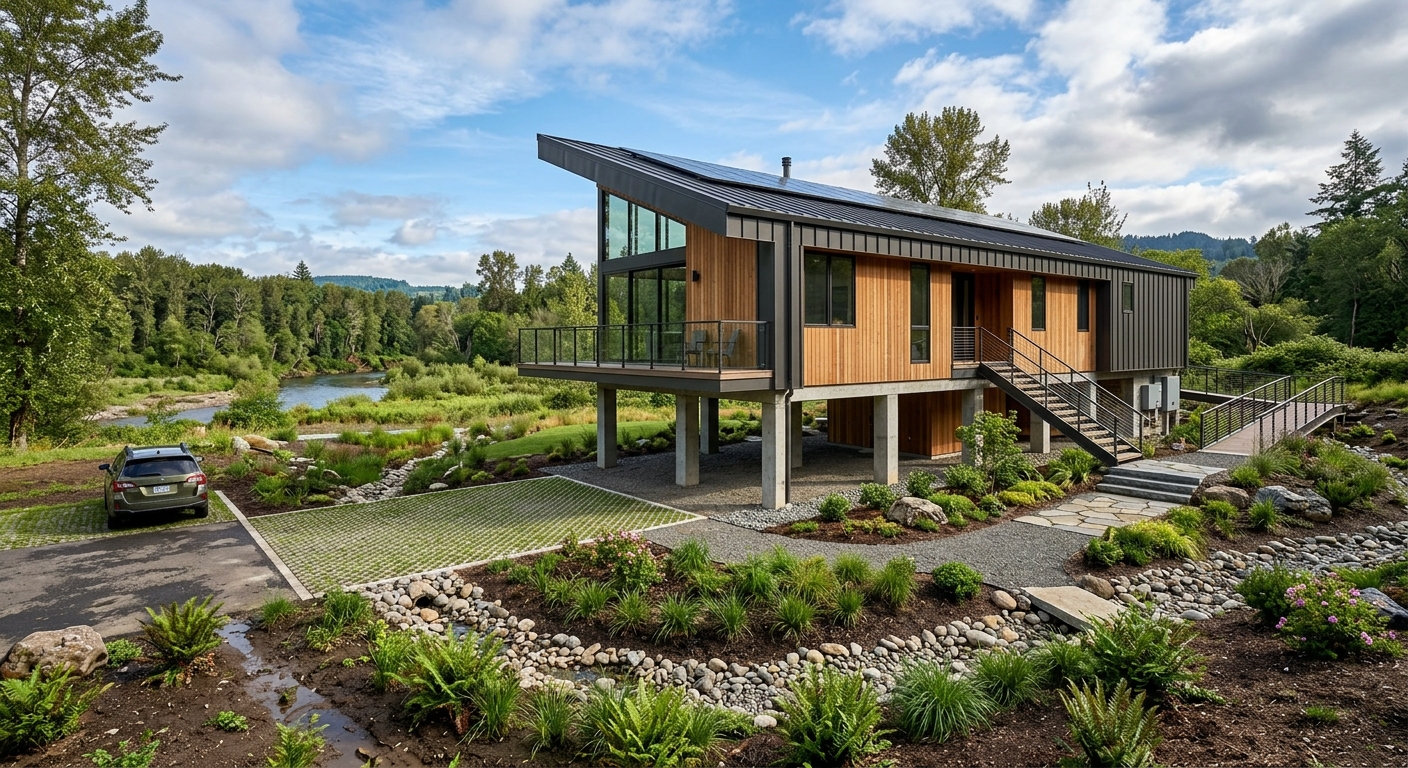
Metal roofs are gaining popularity among homeowners looking for longevity and sustainability. Made from materials like steel, aluminum, or copper, metal roofs can last between 40 and 70 years when properly installed and maintained. Their resistance to weather extremes makes them a viable option in various climates.
While the upfront cost of metal roofing can be significantly higher—ranging from $4 to $30 per square foot installed—the long-term benefits often justify this initial investment. The durability of metal roofs against hail and wind damage contributes to a lower cost of ownership over time.
Clay and Concrete Tile
Renowned for their aesthetic appeal and long lifespan, clay and concrete tiles are commonly used in areas with hot climates and excellent for maintaining energy efficiency. These tiles can last over 50 years with proper maintenance, adding to their value.
The installation costs for clay and concrete tiles are typically higher due to their weight and the need for specialized labor, making them less common in certain regions. However, their longevity and fire resistance are attractive features for homeowners investing in long-term roofing solutions.
Wood Shakes and Shingles
Wood shakes and shingles present a natural aesthetic, providing rustic charm and character to homes. They are typically made from cedar, pine, or redwood and can last between 20 and 30 years, depending on maintenance and environmental conditions.
Despite their appeal, wood roofs require more maintenance than synthetic materials, and their efficacy may be diminished in wet climates due to susceptibility to rot and mold. Additionally, they may incur higher insurance costs due to fire risks.
Slate
Slate roofing is known for its durability and timeless elegance, offering a remarkable lifespan of over a century. This natural stone material provides exceptional resistance to weathering and is virtually fireproof.
However, the cost of slate roofing can be prohibitive, often ranging from $10 to $30 per square foot installed. Weighing its longevity against the initial investment often favors slate for historical homes or luxury builds.
2. Pros and Cons of Each Material
Selecting the right roofing material involves balancing various factors, including cost, lifespan, and aesthetic appeal. Here’s a detailed look at the advantages and disadvantages of each popular roofing material.
Asphalt Shingles
Pros: Affordability is the most significant advantage; ease of installation and wide availability also contribute to their popularity. They can mimic the appearance of more expensive materials, providing a flexible design choice.
Cons: Shorter lifespan compared to some alternatives and susceptibility to extreme weather conditions, particularly high winds and hail, can lead to deterioration.
Metal Roofing
Pros: Long-lasting and wind-resistant, metal roofing also offers excellent energy efficiency. Its reflective properties can reduce cooling costs, especially in warmer climates.
Cons: The higher upfront costs may deter some homeowners, along with the potential for noise during heavy rain or hail.
Clay and Concrete Tile
Pros: Their longevity and fire resistance make them a top choice in suitable climates. Tiles also enhance a home’s resale value due to their aesthetic appeal.
Cons: Installation and material costs can be high, and their heavy weight may require additional structural support.
Wood Shakes and Shingles
Pros: Visually attractive and effective for insulation, wood products are eco-friendly when sourced responsibly.
Cons: Higher maintenance requirements and vulnerability to moisture-related issues may necessitate regular inspections and treatments.
Slate
Pros: Exceptional longevity and a classic appearance that enhances curb appeal. Its natural properties make it highly resistant to fire and weathering.
Cons: High installation costs and the necessity for skilled labor can make slate a less accessible option for some homeowners.
3. Tips for Choosing the Right Roofing Material
When it comes to selecting roofing materials, homeowners should consider several essential factors that can impact both immediate costs and long-term sustainability. Here are key tips to assist in making an informed decision.
Consider Local Climate
Understanding your local climate is crucial. Regions prone to heavy snowfall, strong winds, or extreme heat may benefit from specific materials that withstand these elements effectively. For instance, metal roofs offer superior performance in snowy areas due to their smooth surface, which prevents snow from accumulating.
Evaluate Architectural Style
The architectural style of your home should align with your chosen roofing material. Traditional homes often suit asphalt or wood shingles, while modern designs might be better complemented by metal or flat roofing systems.
Look at Energy Efficiency
Energy efficiency is another vital consideration. Prices for cool roofs—designed to reflect more sunlight and absorb less heat—may vary, but they can provide savings on energy bills in hot climates. Investigate integrated solar roofing solutions if energy independence is a priority.
Understand Total Cost of Ownership
The initial roofing cost is just one piece of the puzzle. Consider the total cost of ownership, including long-term maintenance, potential energy savings, and how long the material will last. Investing in a higher-quality, more durable roof may save money in the long term compared to cheaper materials that require more frequent replacements.
Research Local Building Codes
Don’t forget to check local building codes and regulations. Some types of roofing material may not be permitted in particular areas, especially in climates prone to wildfires.
Consult Professionals
It’s advisable to consult with roofing professionals who can offer insight that considers your home’s specific needs. They can also help with installation and provide warranties covering the workmanship and the materials used.
Conclusion
Choosing the right roofing material is a pivotal decision for any homeowner. With various options available, each presenting unique benefits and challenges, it’s essential to consider your specific circumstances—your local climate, architectural preferences, and budget constraints—as you make your selection.
Whether you opt for the affordability of asphalt shingles, the durability of metal, or the timeless beauty of slate, understanding the pros and cons of each material will help you make an informed choice. By keeping the factors discussed in this guide in mind, you are better prepared to navigate the complexities of roofing options and select a roof that not only meets your needs but enhances your home’s value and longevity.


No Comment! Be the first one.